



85 Years of Bruce Lee: The Legacy of the Dragon
A Legend is Born
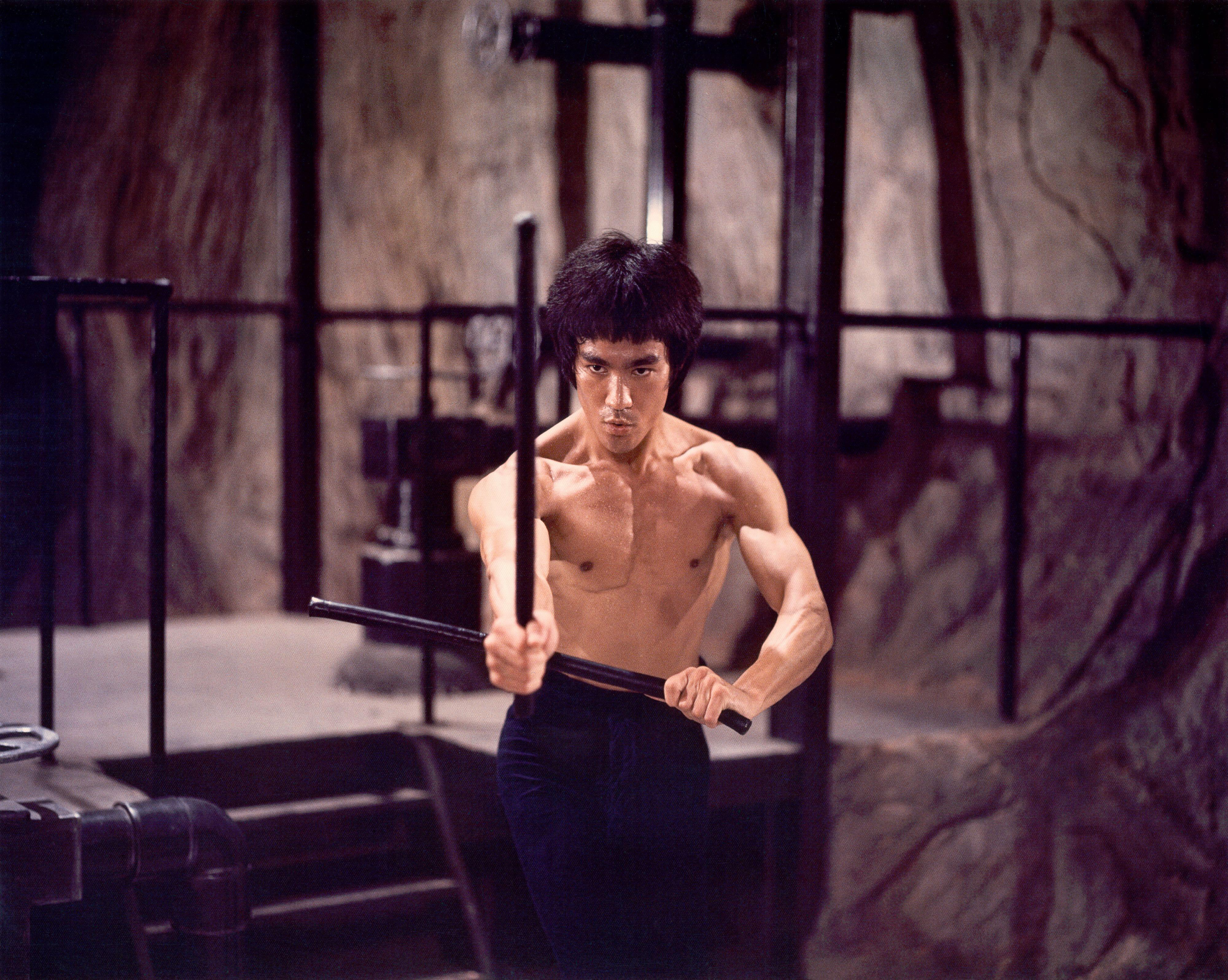
On November 27, 1940, in San Francisco's Chinatown, a legend was born. Bruce Lee would grow to become not just a martial artist, but a cultural icon, a philosopher, and a revolutionary force in cinema and combat sports. As we celebrate what would have been his 85th birthday, we reflect on a life that, though tragically cut short at 32, left an indelible mark on the world.
Bruce Lee didn't just kick and punch his way into history—he shattered barriers, challenged stereotypes, and inspired millions to pursue excellence, discipline, and self-expression. His influence spans generations, continents, and disciplines, from mixed martial arts (MMA) to personal development, from Hollywood to Hong Kong.
The Journey: From Child Actor to Global Icon
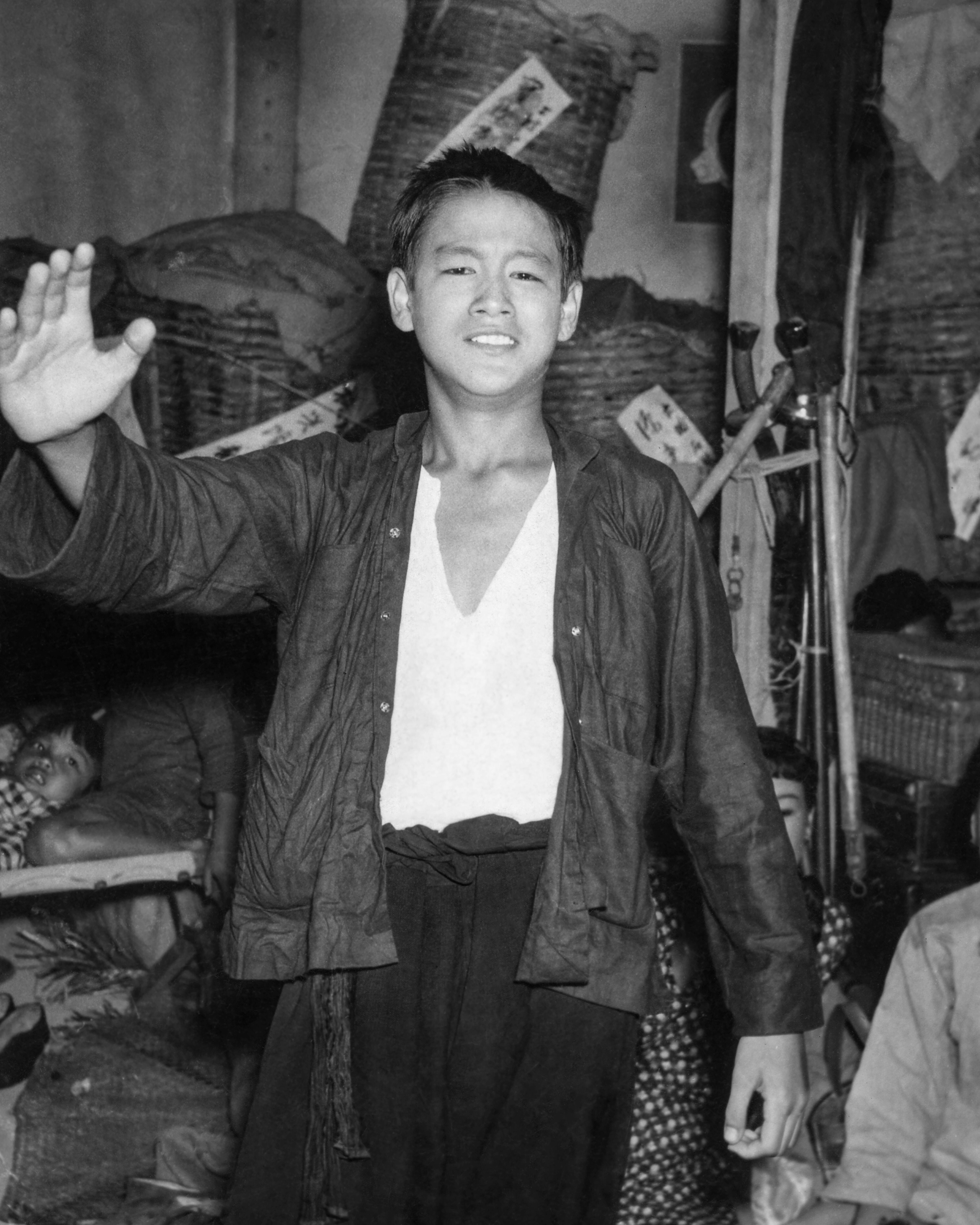
Born Lee Jun-fan (李小龍), Bruce began acting as a child in Hong Kong cinema, appearing in over 20 films before his 18th birthday. But it was his training under Ip Man in the art of Wing Chun that would shape his destiny. The young Lee was a street fighter turned disciplined martial artist, blending Eastern philosophy with Western innovation.
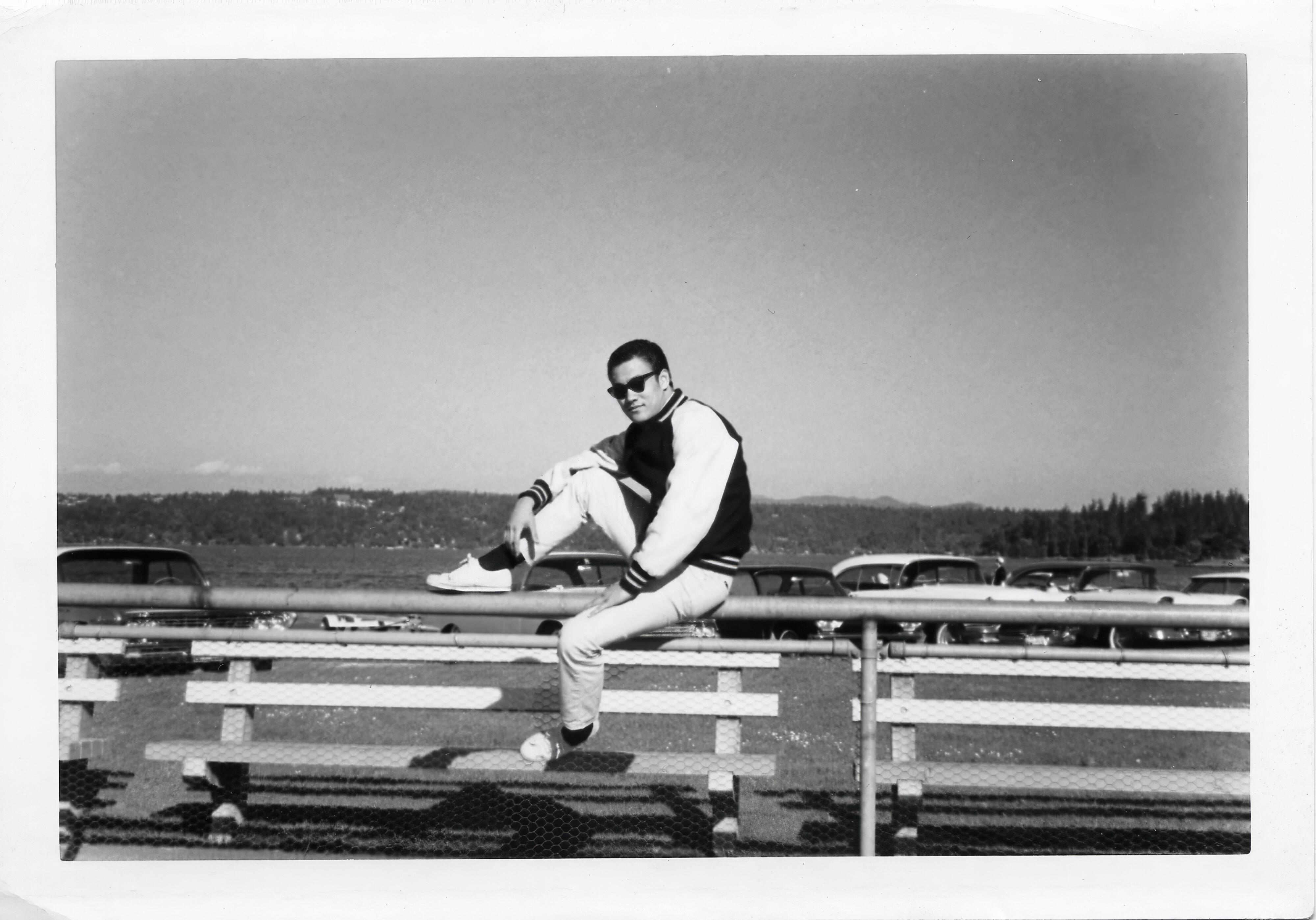
When Bruce Lee arrived in Seattle in 1959 at age 18, he was a young man caught between two worlds. Sent to America by his parents to escape the street fighting troubles of his Hong Kong youth, Lee enrolled at Edison Technical School to complete his high school education before entering the University of Washington in 1961. While studying drama and philosophy, Lee began teaching martial arts to support himself, initially offering lessons in parking lots and city parks to anyone willing to learn.
It was at the University of Washington that Lee met Linda Emery, a fellow student who would become his wife in 1964. More significantly, it was here that Lee began to question the rigid traditions of Wing Chun that he had learned from Ip Man. Teaching non-Chinese students broke with centuries of martial arts tradition, and Lee's willingness to share his knowledge with anyone, regardless of race, would become a defining characteristic of his approach. His charisma and skill attracted a growing number of students, and in 1963, Lee opened his first official school, the Lee Jun Fan Gung Fu Institute, in Seattle's Chinatown.

From Wing Chun to Jun Fan Gung Fu
Lee's teaching methodology evolved rapidly during these early years. While Wing Chun formed the foundation of his technique, he began incorporating elements from Western boxing, fencing, and other martial arts styles. He called his evolving system Jun Fan Gung Fu, using his Chinese name to distinguish his approach from traditional Wing Chun. This was a radical departure from conventional martial arts thinking, which emphasized mastery of a single system and loyalty to one style.
Lee's reputation grew, and in 1964, he gave a demonstration at Ed Parker's Long Beach International Karate Championships that would change his life. His incredible speed and the now-famous two-finger push-ups caught the attention of Hollywood hairstylist Jay Sebring, who introduced Lee to producer William Dozier. This connection would eventually lead to his role as Kato in The Green Hornet.

Expansion to Oakland and Los Angeles
Following his marriage to Linda and the birth of their son Brandon in 1965, Lee relocated to Oakland, where he opened a second school. It was here that one of the most significant events in martial arts history occurred: the controversial challenge match with Wong Jack Man in 1964. The fight, which took place in Chinatown near Lee's Oakland school, was the result of the Chinese martial arts community's displeasure with Lee teaching kung fu to non-Chinese students. Though Lee won the fight, he was dissatisfied with his performance, feeling that it took too long to defeat his opponent and that his conditioning wasn't sufficient.
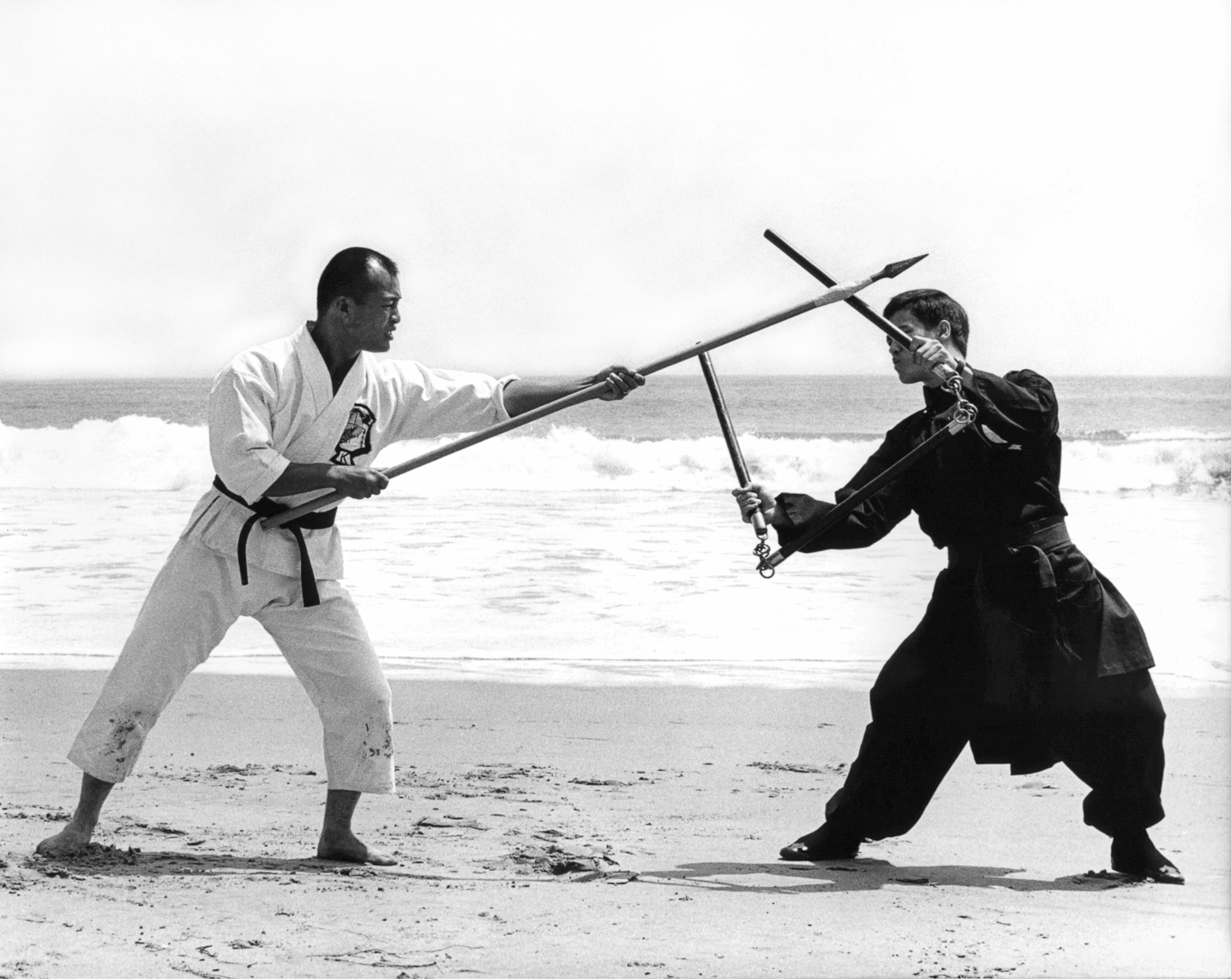
This dissatisfaction became the catalyst for the creation of Jeet Kune Do. Lee began an intensive study of combat effectiveness, researching everything from Western boxing and fencing to philosophy and physiology. He trained obsessively, developing the lean, muscular physique that would become his trademark and refining techniques that emphasized speed, directness, and practical application over traditional forms.
In 1967, Lee opened his third and most famous school in Los Angeles' Chinatown. By this time, his reputation had reached Hollywood's elite, and his student roster began to read like a who's who of the entertainment industry.
Hollywood's Private Instructor
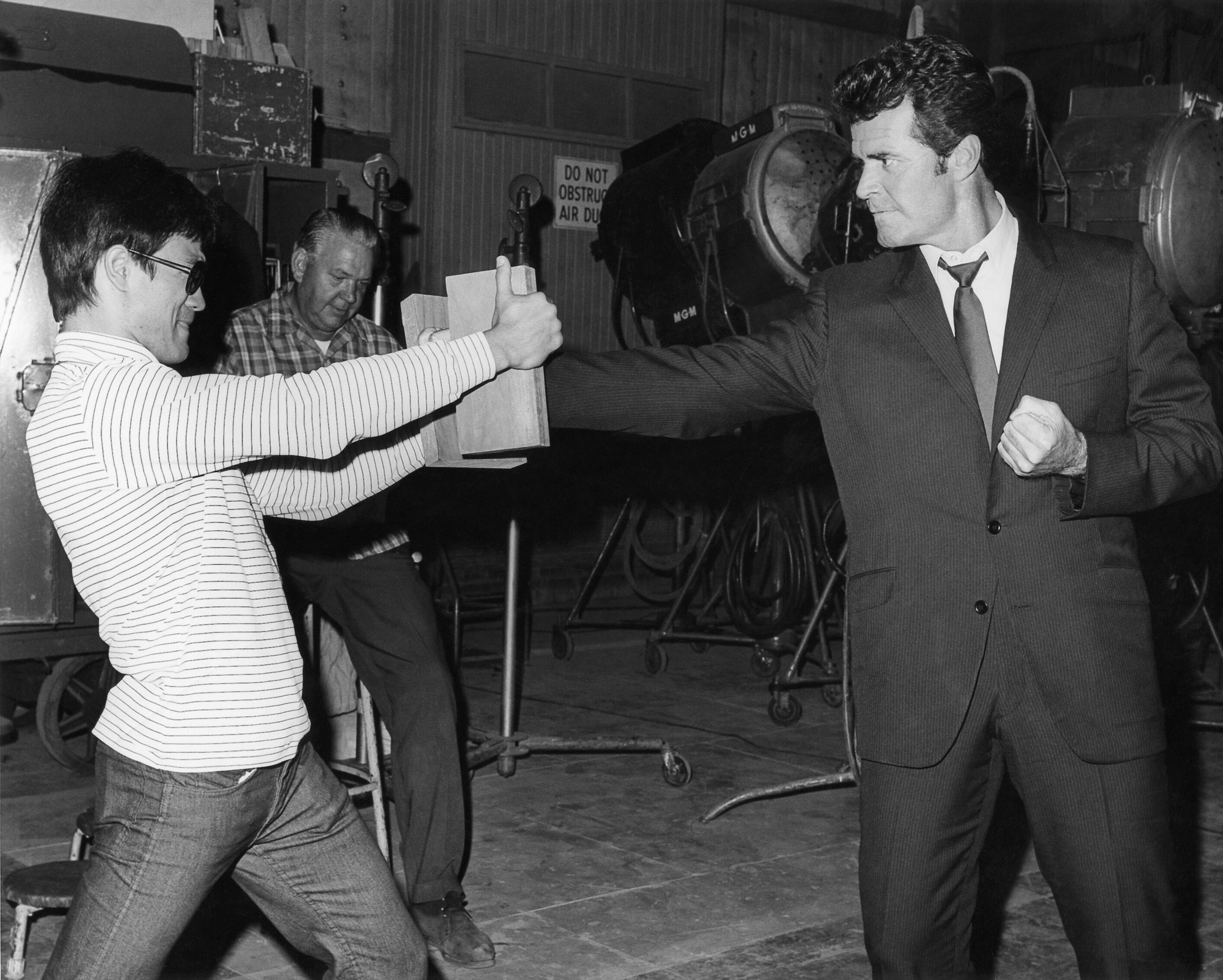
Lee's skill and philosophy attracted some of the biggest names in Hollywood. Steve McQueen became one of his earliest celebrity students and a close friend. McQueen, known for doing many of his own stunts, trained intensively with Lee and was deeply influenced by his approach to physical fitness and combat. Lee trained McQueen privately, often at the actor's home, and the two would remain friends until Lee's death.
James Coburn, another major star, studied under Lee for several years and became one of his most dedicated students. Coburn was fascinated not just by the physical techniques but by Lee's philosophical approach to martial arts. Together with screenwriter Stirling Silliphant, they developed the script for “The Silent Flute,” which was later reworked into the 1978 film “Circle of Iron” starring David Carradine instead of Coburn, as Lee had died by then
James Garner also trained with Lee and helped him secure a small but memorable role in the 1969 detective film "Marlowe," in which Garner played the title character, Raymond Chandler's iconic private investigator Philip Marlowe. In the film, Lee played a henchman who demonstrates his martial arts skills by destroying Garner's office with high kicks and destructive moves. Though the scene lasted only a few minutes, Lee's performance was electrifying and demonstrated to Hollywood that authentic martial arts could be visually stunning on screen. The scene where Lee leaps and kicks out the light bulbs in Garner's office became iconic and showcased his incredible athleticism and precision.
Other notable students included Kareem Abdul-Jabbar, then known as Lew Alcindor, Roman Polanski, and screenwriter Stirling Silliphant, who became a devoted student and close friend. Silliphant would later write the screenplay for "Longstreet," a television series in which Lee appeared as a martial arts instructor, giving him another platform to share his philosophy with American audiences.
The Chuck Norris Connection
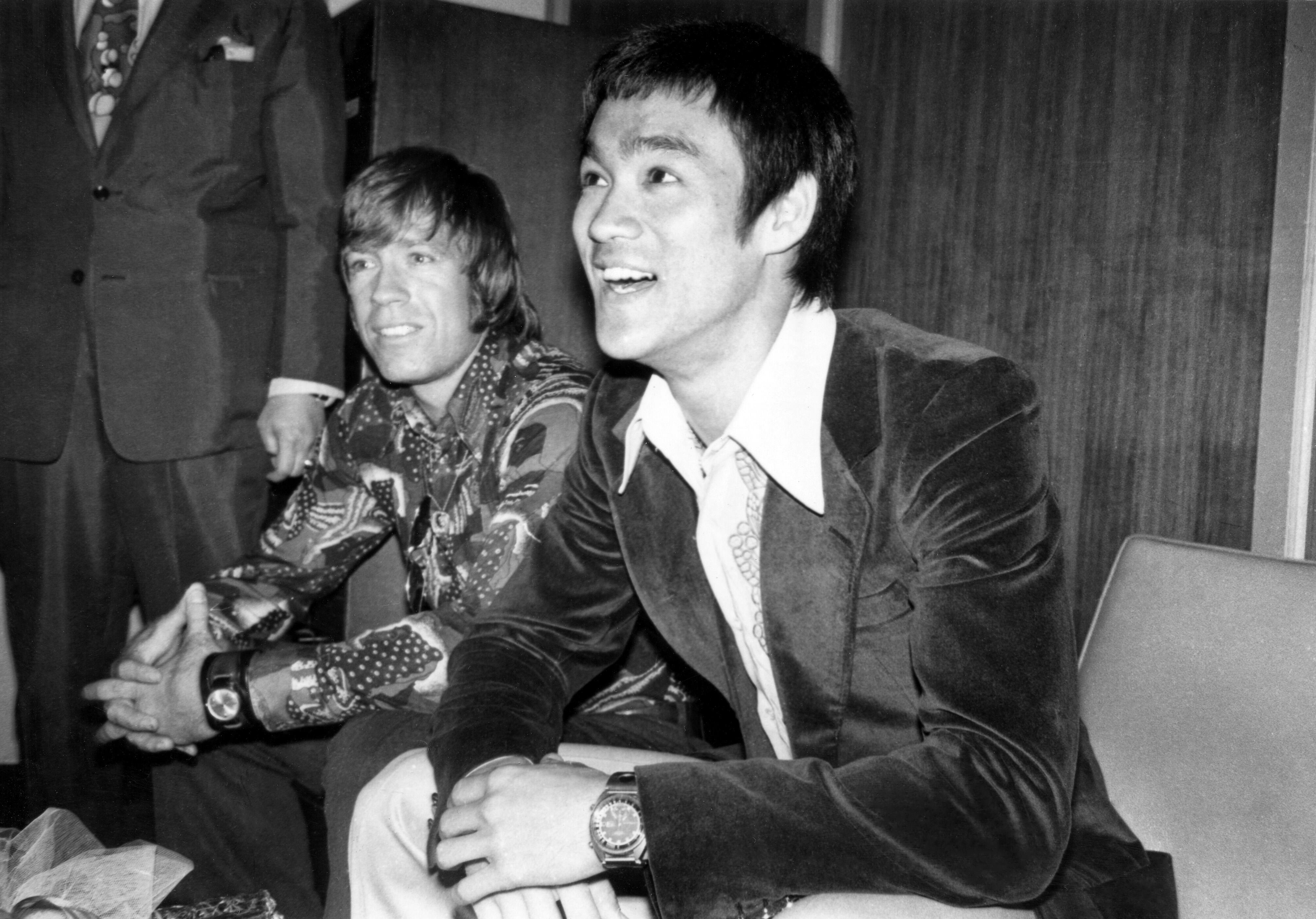
One of Lee's most significant friendships was with karate champion Chuck Norris. The two met at Ed Parker's Long Beach tournament, where Norris was competing. Despite coming from different martial arts backgrounds—Norris was a Tang Soo Do practitioner and tournament karate champion—the two men developed a mutual respect and friendship based on their shared dedication to martial arts excellence.
Lee and Norris trained together regularly, exchanging techniques and philosophies. Norris introduced Lee to tournament-style sparring and kicking techniques, while Lee showed Norris more direct, practical combat applications. Their training sessions were intense and mutually beneficial, with each man learning from the other's strengths. Norris later credited Lee with opening his mind to a less rigid, more practical approach to martial arts.
This friendship would culminate in one of cinema's greatest fight scenes. When Lee was directing "Way of the Dragon" in 1972, he specifically wrote a role for Norris as his opponent in the film's climactic battle. The fight scene in Rome's Colosseum showcased both men's skills and represented a genuine meeting of two martial arts philosophies. The mutual respect between Lee and Norris was evident in every frame, and the sequence remains a masterclass in fight choreography. After Lee's death, Norris spoke frequently and reverently about his friend's skill, character, and influence on his own martial arts journey and acting career.
The Birth of Jeet Kune Do
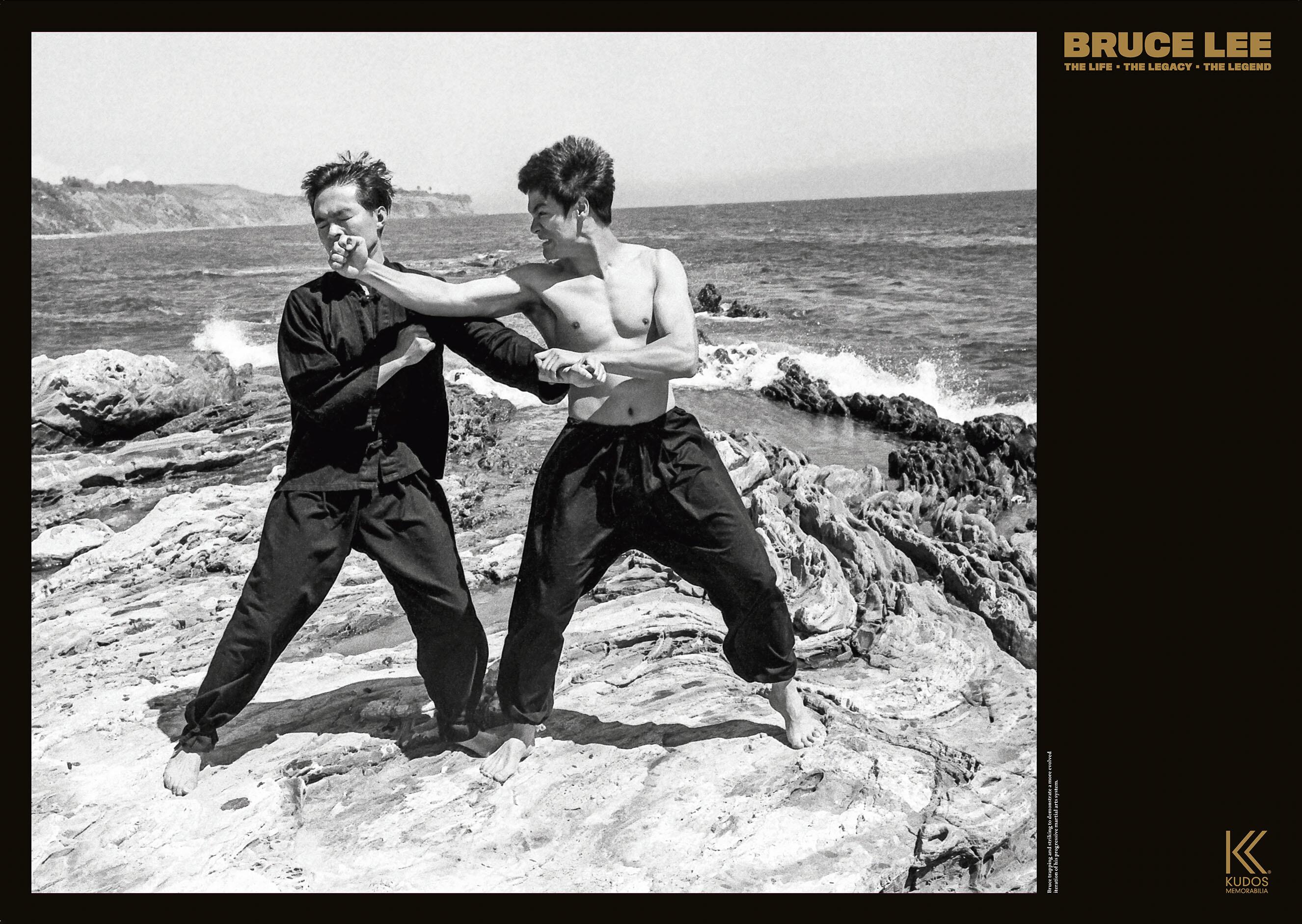
By the late 1960s, Lee had moved beyond even Jun Fan Gung Fu, developing what he would call Jeet Kune Do—The Way of the Intercepting Fist. This wasn't simply another martial art but a philosophy of combat that rejected the "classical mess" of traditional styles. Lee famously stated that Jeet Kune Do was merely a name, and that he didn't really want to name it at all, fearing that people would turn it into another rigid system.
Jeet Kune Do represented Lee's complete liberation from traditional martial arts constraints. It advocated taking what was useful from any style, discarding what was impractical, and adding what was uniquely one's own. This revolutionary approach made Lee not just a martial artist but a philosopher of combat, and his ideas would eventually influence the development of mixed martial arts decades later.
Lee's time in America had transformed him from a skilled Wing Chun practitioner into a martial arts innovator, a sought-after Hollywood instructor, and a philosopher whose ideas transcended fighting. Though Hollywood was slow to recognize his potential as a leading man, his American years laid the groundwork for his eventual explosion onto the international stage and established the principles that would make him a legend.
The Big Break: The Green Hornet
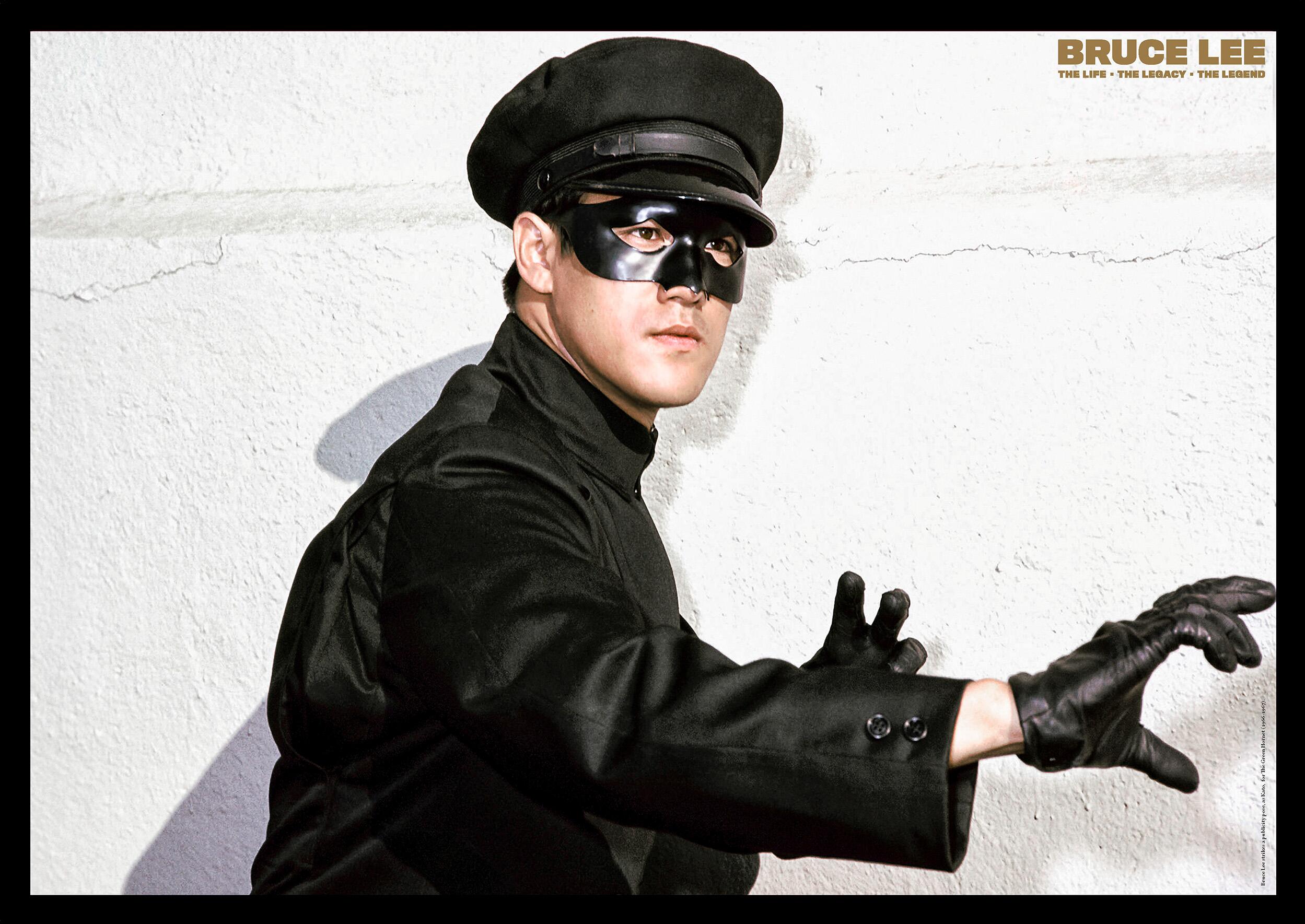
In 1966, Bruce Lee landed the role that would introduce him to American audiences: Kato, the sidekick to the Green Hornet in the ABC television series. While the show only lasted one season (26 episodes), Lee's explosive martial arts sequences stole every scene.
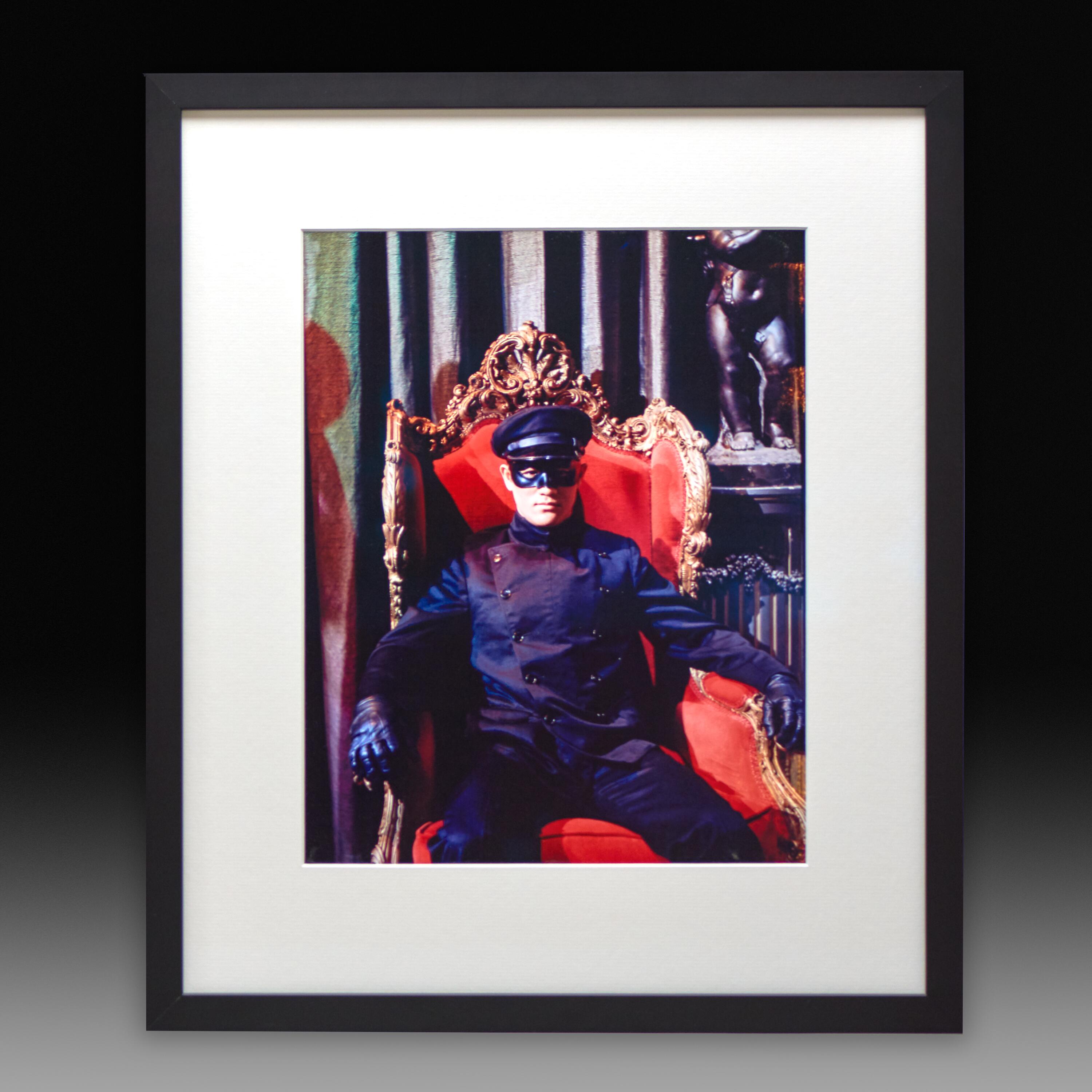
Why The Green Hornet mattered:
Bruce Lee played the first major Asian-American action hero on American TV.
Lee performed his own stunts, showcasing real martial arts.
Kato became more popular than the titular hero.
The show bridged Eastern martial arts with Western pop culture.
Though the show was cancelled in 1967, it opened doors and planted seeds. Hollywood wasn't quite ready for Bruce Lee as a leading man—but Asia was.
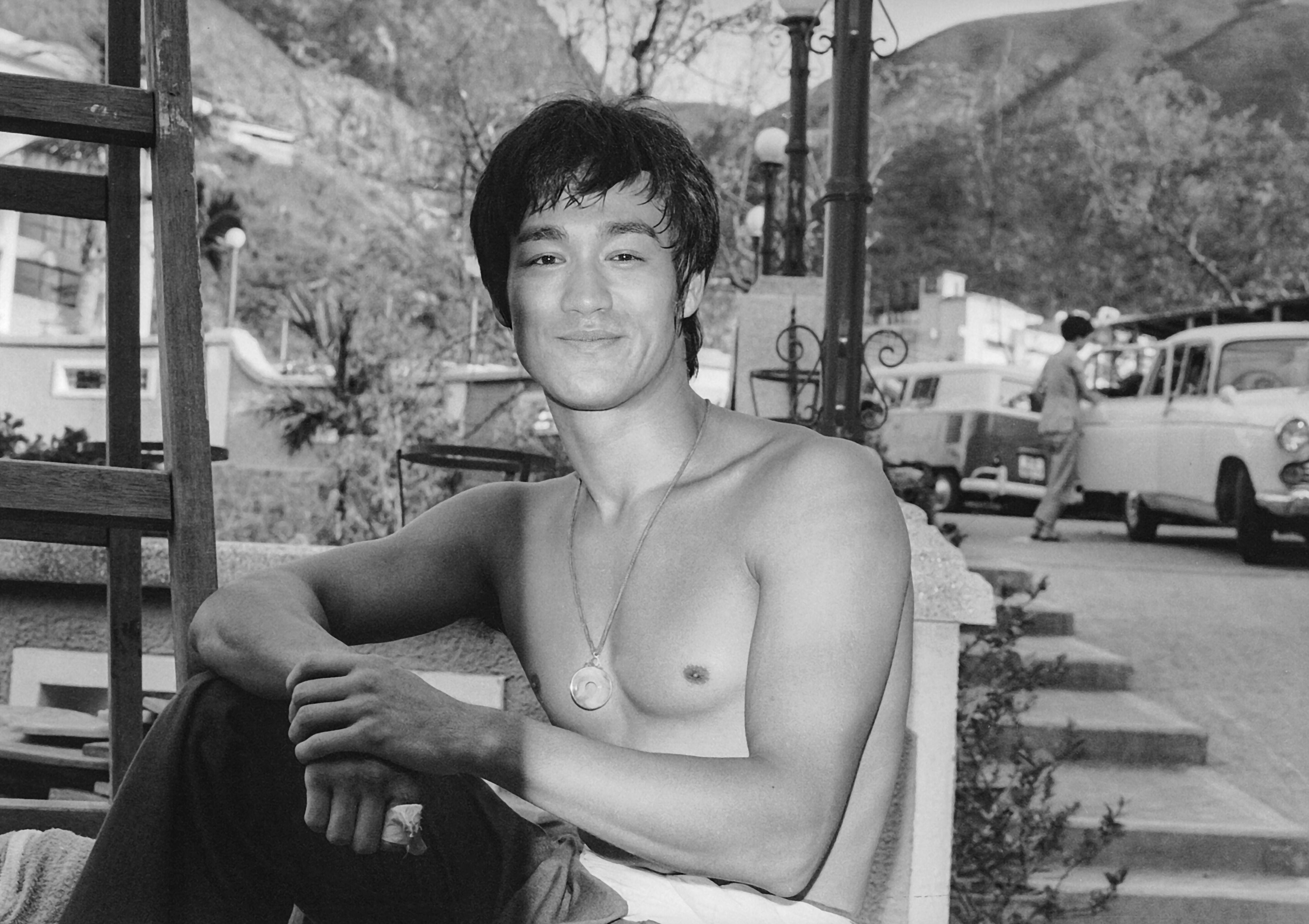
The Films That Defined a Generation
The Big Boss (1971)
Released as Fists of Fury in the United States, The Big Boss marked Bruce Lee's triumphant return to Hong Kong cinema as an adult leading man. The film shattered box office records throughout Asia, earning over HK$3.2 million and establishing Lee as a bona fide superstar. The story of a young man who takes a vow of non-violence only to unleash his fury against drug traffickers resonated deeply with audiences hungry for authentic martial arts action. What made The Big Boss revolutionary was Lee's raw, explosive fighting style—no wires, no tricks, just pure athletic prowess and technique. The film's success proved that audiences worldwide craved realistic martial arts cinema, and that Bruce Lee possessed a magnetic screen presence that transcended language and culture.
Beyond its commercial success, The Big Boss established many of the thematic elements that would define Lee's filmography: the righteous hero fighting against corruption and oppression, the conflict between peaceful philosophy and necessary violence, and the celebration of Chinese strength and dignity. The film's climactic fight scenes, particularly Lee's shirtless final confrontation, became iconic images that would be referenced and replicated for decades. It was more than an action film—it was a statement of cultural pride that arrived at precisely the right moment in Asian cinema history.
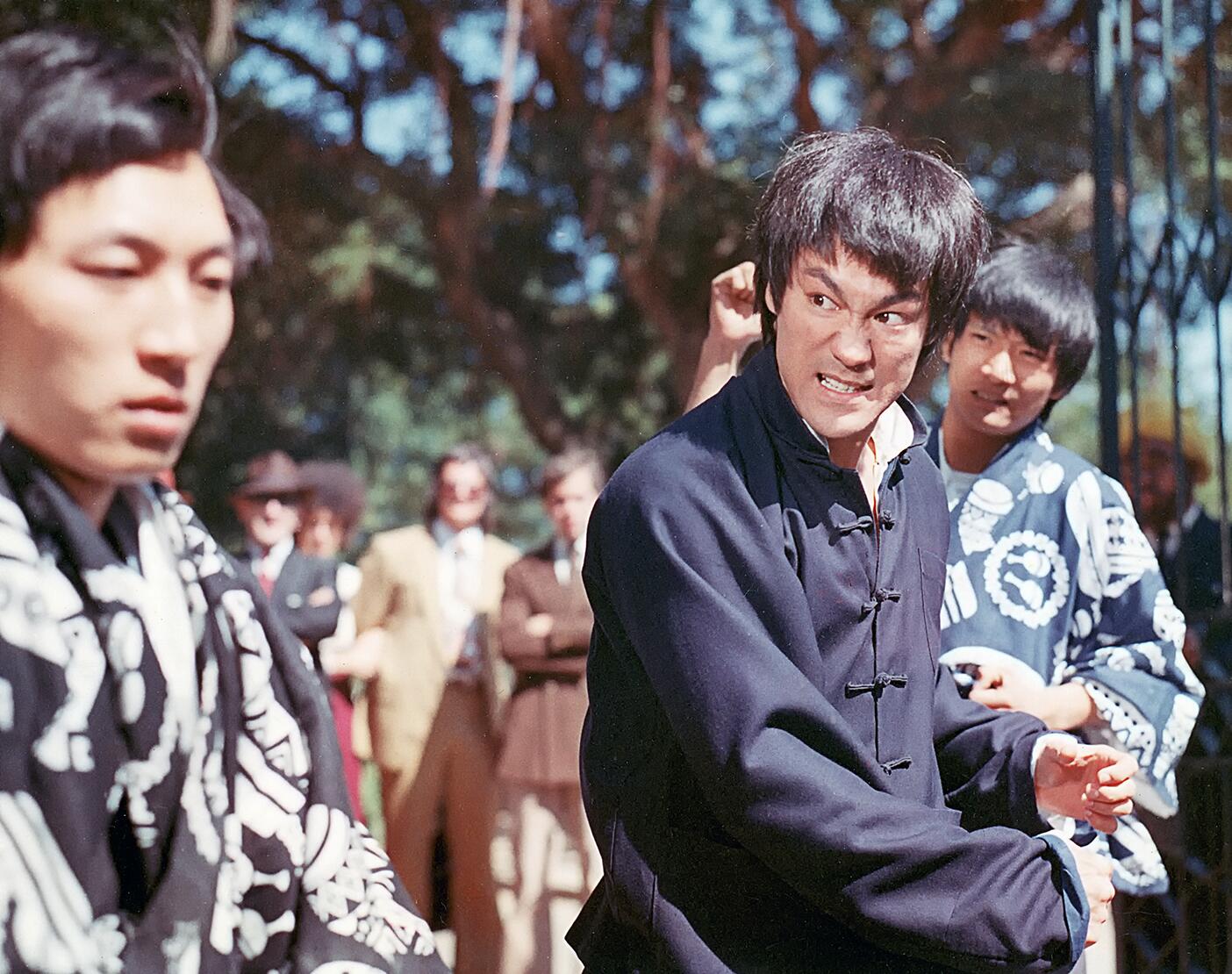
Fist of Fury (1972)
Known as The Chinese Connection in America, Fist of Fury elevated Bruce Lee from star to legend. Set in 1930s Shanghai during the Japanese occupation, the film tackled themes of colonialism, racism, and national pride with unprecedented directness. Lee's portrayal of Chen Zhen, a student seeking revenge for his master's murder, gave him the platform to deliver some of cinema's most memorable moments—kicking down a "No Dogs and Chinese Allowed" sign, wielding nunchaku with mesmerizing speed, and delivering powerful speeches about dignity and resistance. The film became the highest-grossing movie in Hong Kong history at the time, and its anti-colonial message resonated throughout Asia and beyond.
Fist of Fury demonstrated Lee's growth as both a martial artist and an actor. His emotional range—from grief to rage to philosophical contemplation—proved he was far more than just a skilled fighter. The nunchaku sequences alone revolutionized martial arts cinema, introducing Western audiences to a weapon that would become synonymous with Bruce Lee himself. The film's tragic ending, with Chen Zhen making a final, defiant stand against impossible odds, cemented the archetype of the noble warrior who chooses honor over survival. It was art, politics, and action cinema merged into a powerful statement that still resonates today.
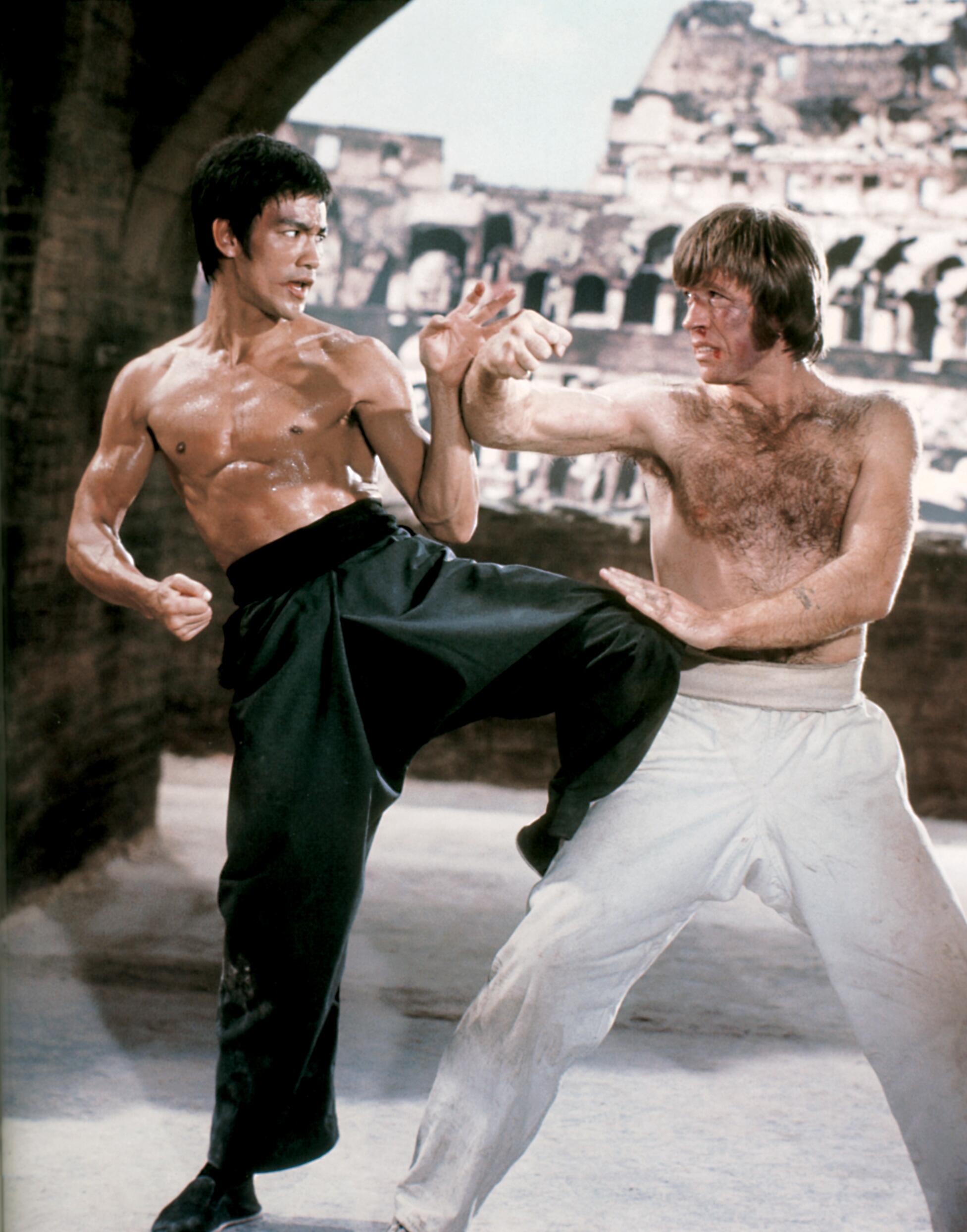
Way of the Dragon (1972)
Way of the Dragon (released as Return of the Dragon in the U.S.) represented Bruce Lee's complete creative vision—he wrote, directed, produced, and starred in this Rome-set martial arts comedy-drama. The film showcased Lee's versatility, blending humor, philosophy, and spectacular action sequences. His directorial choices revealed a sophisticated understanding of pacing, character development, and visual storytelling that went far beyond mere fight choreography. The fish-out-of-water premise, with Lee's character traveling to Italy to help family friends defend their restaurant from gangsters, allowed for both comedic cultural clashes and serious martial arts philosophy.
The film's climactic showdown between Bruce Lee and Chuck Norris in the Roman Colosseum remains one of the greatest fight scenes in cinema history. Lee's decision to film this epic duel in such a historically significant location was symbolically powerful—East meets West in an arena built for combat. The fight itself was a masterclass in choreography, with both fighters showcasing distinct styles and escalating intensity. Lee's attention to detail extended to every aspect of production, proving he possessed the creative vision to be a complete filmmaker, not just an action star. Way of the Dragon demonstrated that martial arts films could be personal, artistic statements while still delivering the spectacular action audiences craved.
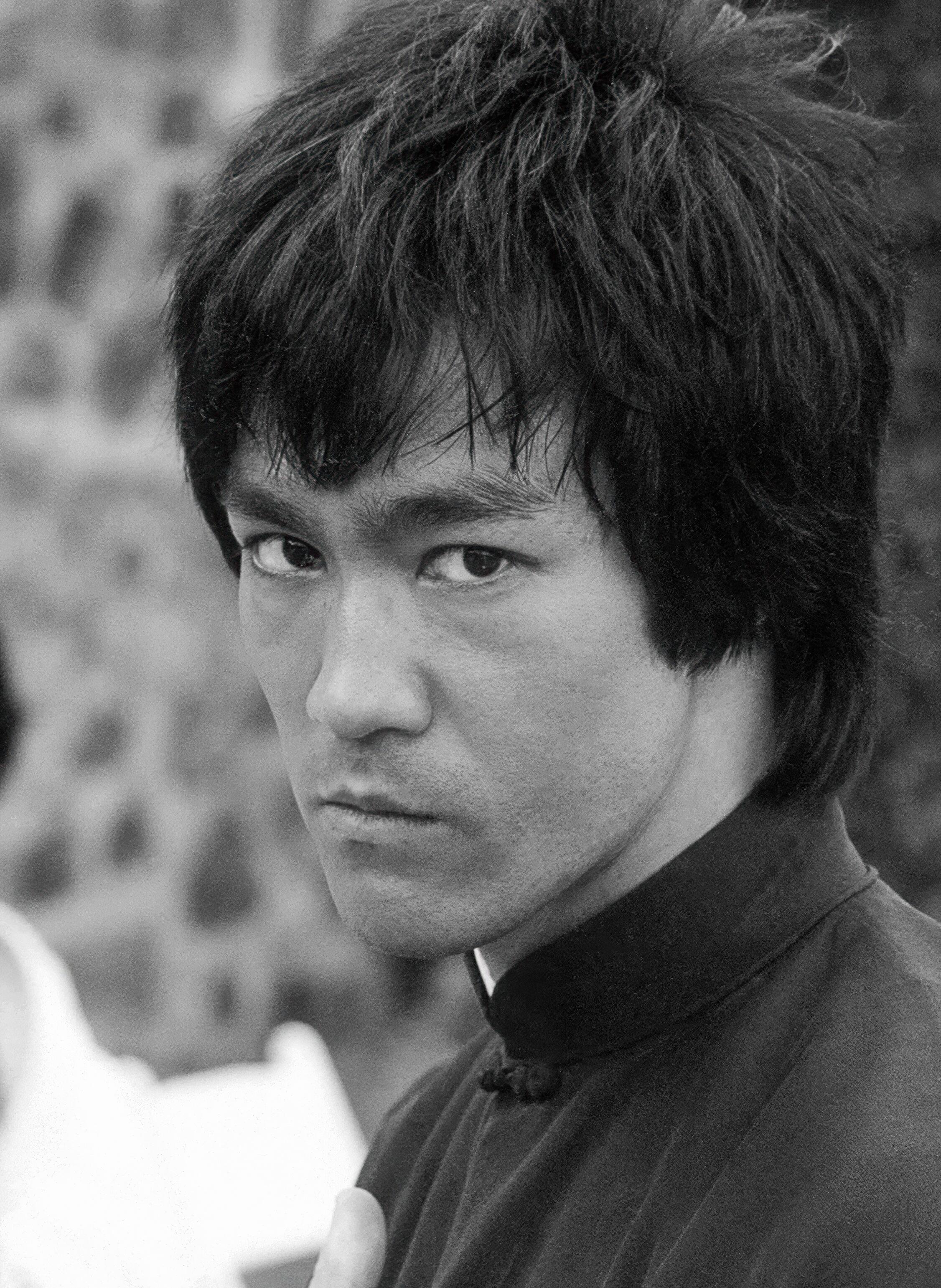
Enter the Dragon (1973)
Enter the Dragon was Bruce Lee's masterpiece and his tragic swan song. As the first Hollywood-Hong Kong co-production and the first martial arts film produced by a major Hollywood studio (Warner Bros.), it represented everything Lee had been working toward—a legitimate action film that treated martial arts with respect while reaching a massive international audience. Lee's performance as a Shaolin-trained secret agent infiltrating a martial arts tournament was the perfect vehicle for his philosophy, athleticism, and screen presence. The film's production values, John Barry's memorable score, and Lee's magnetic charisma combined to create something unprecedented in action cinema.
The cultural impact of Enter the Dragon cannot be overstated. It grossed over $400 million worldwide and introduced Bruce Lee to millions who had never seen his Hong Kong films. Beyond financial success, the film legitimized martial arts cinema in the West, opening the door for decades of kung fu films, inspiring countless martial artists, and establishing tropes that still define the genre today. The mirror room fight scene, Lee's philosophical exchanges with his Shaolin master, his famous "don't think, feel" speech, and his devastating fighting techniques all became permanently embedded in popular culture. Tragically, Lee died just six days before the film's Hong Kong premiere, never seeing his greatest achievement receive the global acclaim it deserved. Enter the Dragon transformed Bruce Lee from a star into an immortal legend.
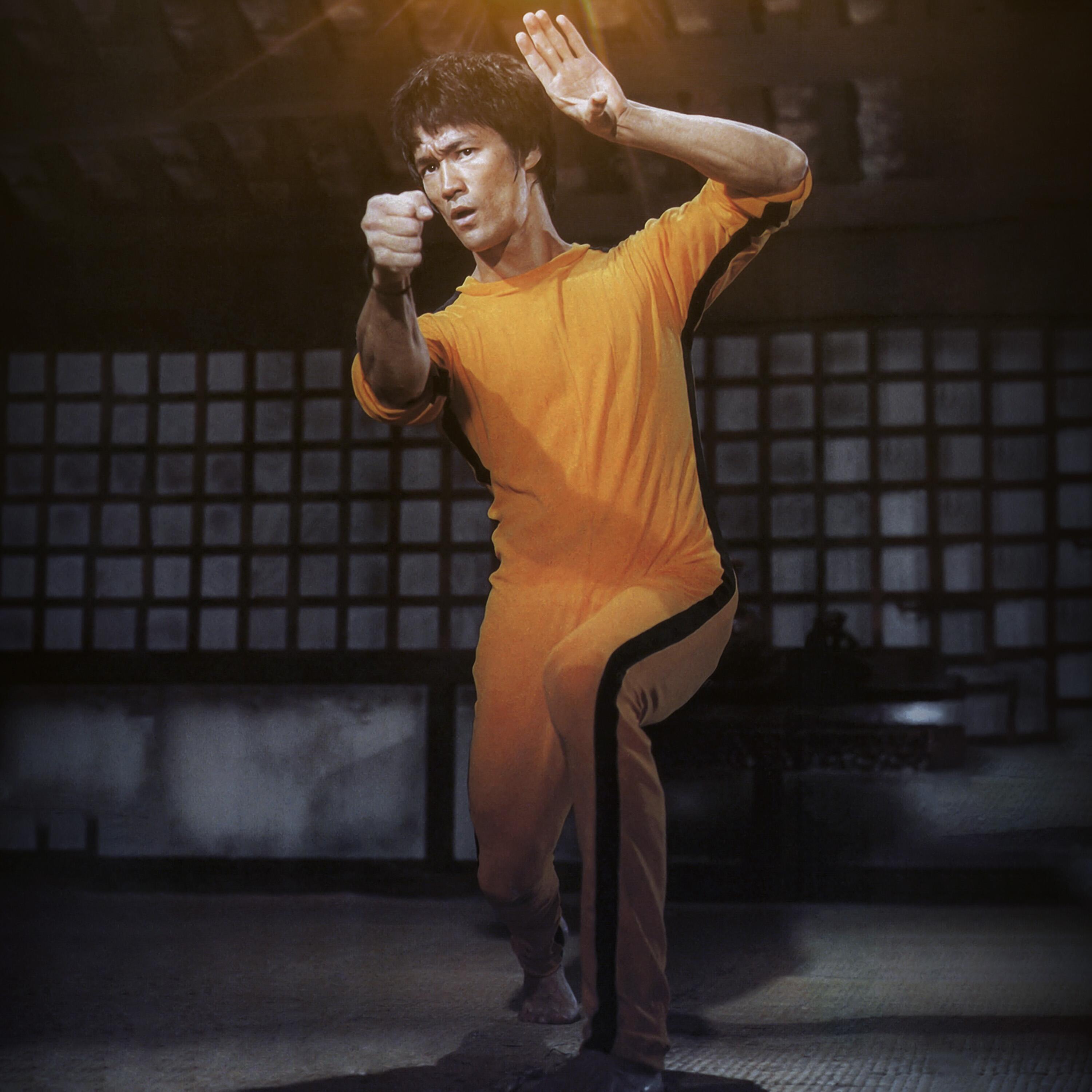
Game of Death (1972/1978)
Game of Death exists as both a tantalizing glimpse of Bruce Lee's artistic vision and a controversial posthumous exploitation. Lee had shot approximately 40 minutes of footage for the film before his death in 1973, including the legendary final sequence featuring his iconic yellow-and-black tracksuit. The concept was brilliant—a martial artist must ascend a pagoda, fighting a master of a different style on each floor, culminating in a battle against Kareem Abdul-Jabbar. This framework allowed Lee to showcase Jeet Kune Do's adaptability against various martial arts philosophies. The footage that Lee completed demonstrates some of his most sophisticated fight choreography and philosophical insights about combat.
Unfortunately, the film released in 1978 used only minutes of Lee's actual footage, padding the runtime with stand-ins, doubles, and even footage from Lee's actual funeral. This exploitation angered fans and family members, though the sequences Lee filmed—particularly the nunchaku battle against Dan Inosanto and the climactic fight with Abdul-Jabbar—remain extraordinary. The yellow tracksuit became one of the most iconic costumes in cinema history, later famously referenced in Kill Bill. Despite the film's problematic production, the genuine Bruce Lee footage serves as a reminder of his unparalleled skill and the tragedy of his unrealized potential. Game of Death represents both what Bruce Lee achieved and what the world lost when he died at the peak of his creative powers.
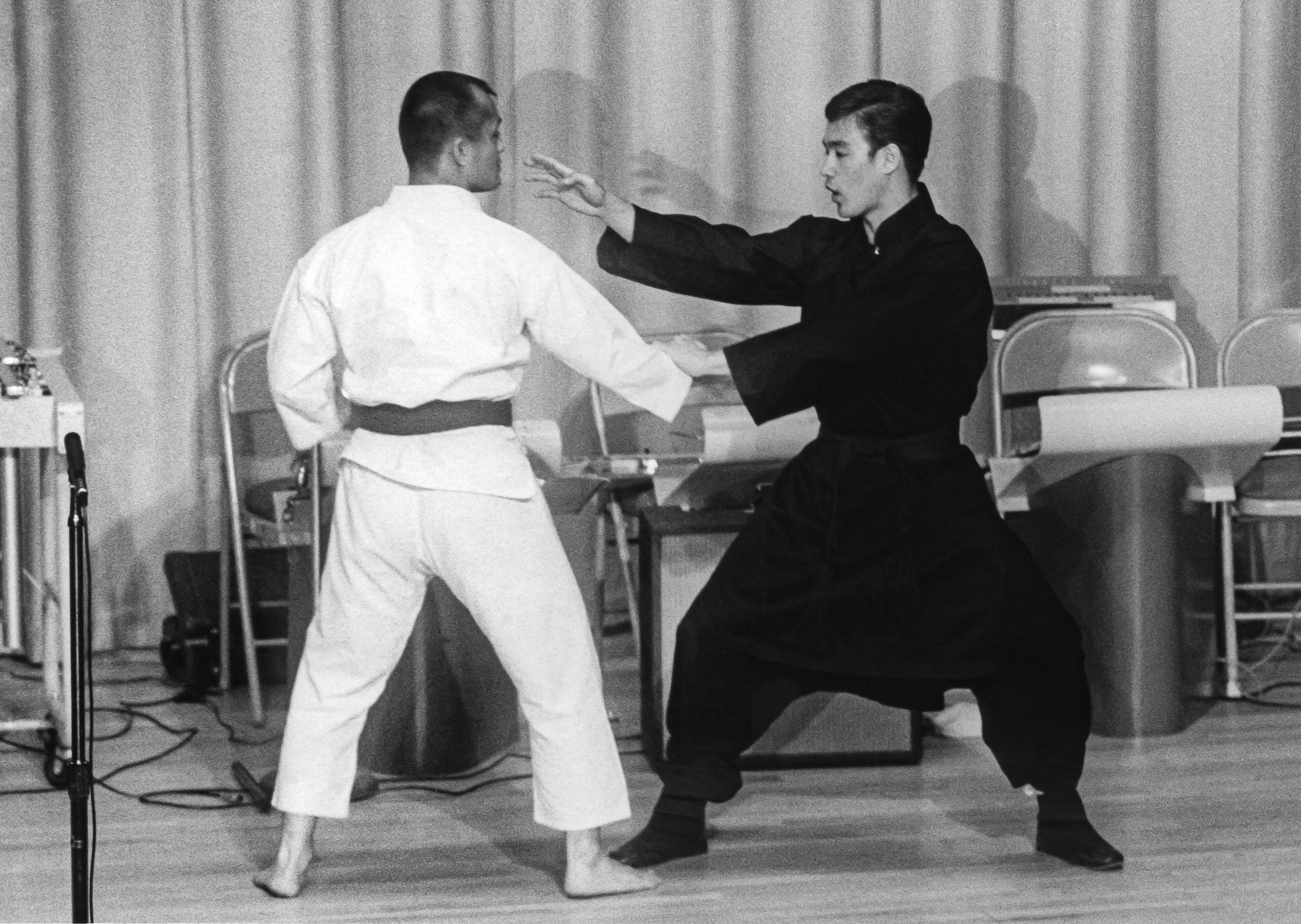
Philosophy Over Technique
Jeet Kune Do isn't a traditional martial art with katas and forms. It's a concept, a framework for personal expression through combat. Lee rejected the "classical mess" of rigid styles, instead advocating for:
Simplicity – Remove the ornamental; keep what works
Directness – The shortest distance between two points
Freedom – Adapt to the opponent, the situation, the moment
Core principles:
Interception – Strike while the opponent prepares
Fluidity – No fixed patterns; constant adaptation
Economy of motion – Maximum effect with minimum effort
Mental discipline – The mind is the ultimate weapon
JKD influenced modern MMA, Krav Maga, and countless hybrid systems. Bruce Lee was, in essence, the first mixed martial artist.
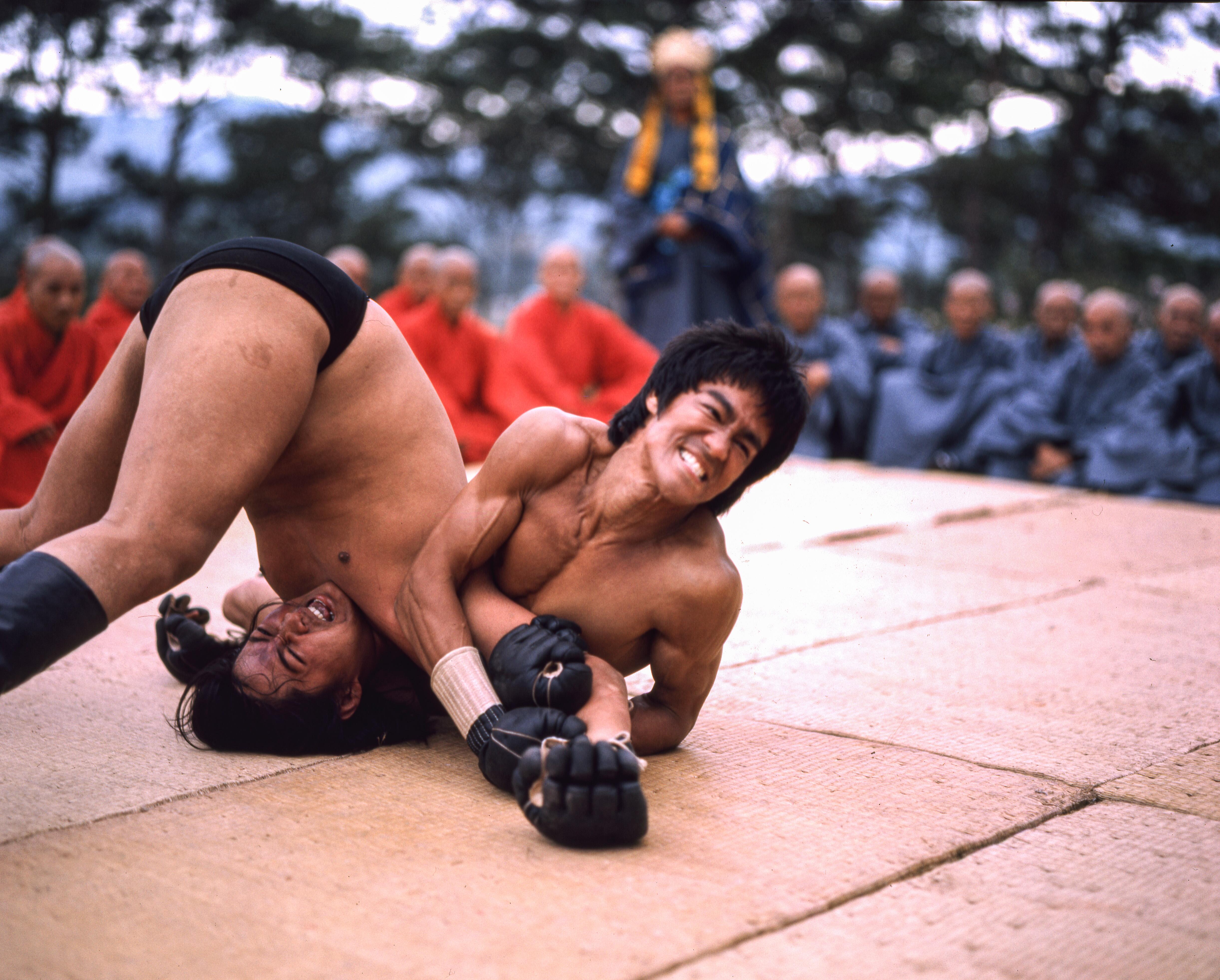
Your Most Asked Questions About Bruce Lee
Was Bruce Lee really that fast?
Yes. Lee could perform a punch in 0.05 seconds from a distance of three feet. His famous "one-inch punch" could send opponents flying despite the minimal windup. Multiple witnesses, including Chuck Norris and Kareem Abdul-Jabbar, attested to his supernatural speed and power.
How did Bruce Lee die?
On July 20, 1973, Lee died in Hong Kong at age 32. The official cause was cerebral edema (brain swelling), potentially triggered by a reaction to a pain medication containing Equagesic. Conspiracy theories abound, but medical experts generally accept the official verdict. His untimely death shocked the world and cemented his mythic status.
Did Bruce Lee fight in real life?
Yes. Lee participated in numerous challenge matches, street fights, and informal bouts, though few were officially recorded. His most famous documented fight was against Wong Jack Man in 1964 in Oakland—a controversial private duel that motivated Lee to refine his techniques into Jeet Kune Do.
Could Bruce Lee actually fight or was it just for movies?
Bruce Lee was a legitimate martial artist first and foremost. Numerous credible fighters—including Joe Lewis, Chuck Norris, and Dan Inosanto—trained under him and vouched for his skill. His training regimen was legendary: weight training, cardiovascular conditioning, flexibility work, and hours of technique refinement daily.
What was Bruce Lee's philosophy?
Beyond martial arts, Lee was a philosopher influenced by Taoism, Buddhism, and Western philosophy (especially Krishnamurti). His core teaching:
"Using no way as way, having no limitation as limitation."
He believed in self-actualization, breaking mental and physical barriers, and living authentically.
Who would win: Bruce Lee or a modern MMA Fighter?
The internet's eternal debate! While impossible to answer definitively, Lee's influence on modern combat sports is undeniable. UFC champions like Anderson Silva, Georges St-Pierre, and Conor McGregor cite him as inspiration. Lee trained with cutting-edge methods for his era—nutrition, weight training, plyometrics—that are standard in MMA today. We believe Bruce Lee could have been a MMA champion in his own weight-class, had he decided to focus on this goal...
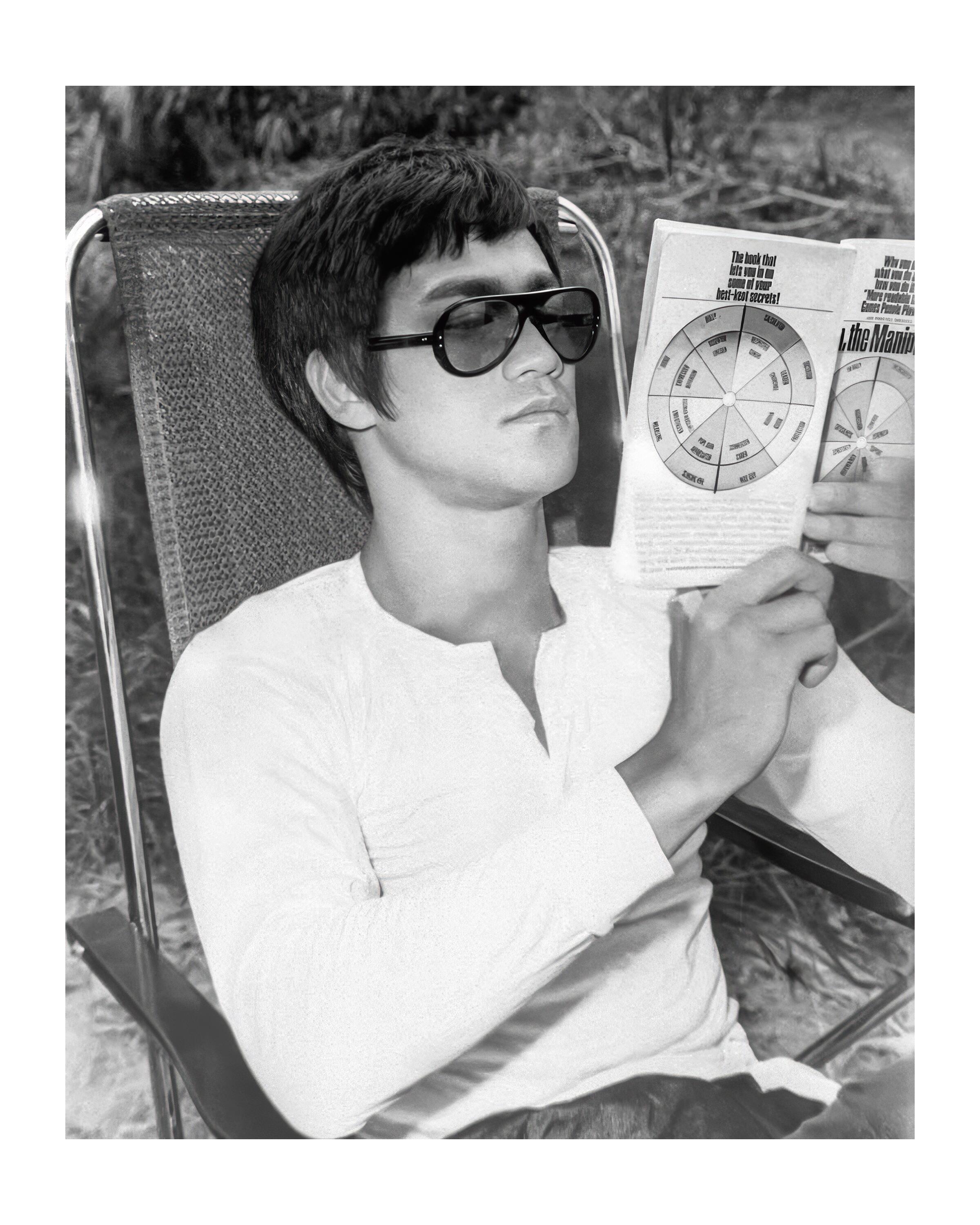 The Enduring Legacy: Why Bruce Lee Still Matters
1. Cultural Trailblazer
Bruce Lee shattered the bamboo ceiling in Hollywood. At a time when Asian actors were relegated to stereotypes—servants, villains, comic relief—Lee demanded leading roles and dignity. He proved Asian heroes could be strong, intelligent, and sexy.
2. Martial Arts Revolutionary
He transformed martial arts from exotic mysticism into a practical science. His cross-training philosophy predated MMA by decades. Today's fighters stand on his shoulders.
3. Philosophical Guide
Lee's writings (Tao of Jeet Kune Do, Striking Thoughts) continue to inspire beyond martial arts. His insights on personal growth, overcoming limitations, authentic living, and mental discipline resonate with entrepreneurs, athletes, artists, and seekers worldwide.
4. Pop Culture Icon
From Kill Bill's yellow jumpsuit to UFC walkout songs, from video games (Mortal Kombat's Liu Kang) to sneaker collaborations, Bruce Lee's image is everywhere. He transcends martial arts—he's a symbol of excellence, rebellion, and cool.
5. Timeless Inspiration
Each generation discovers Bruce Lee anew. YouTube clips of his training, philosophy, and fights garner millions of views. His message of self-improvement, breaking barriers, and "being like water" is perhaps more relevant in our complex, rapidly changing world than ever before.
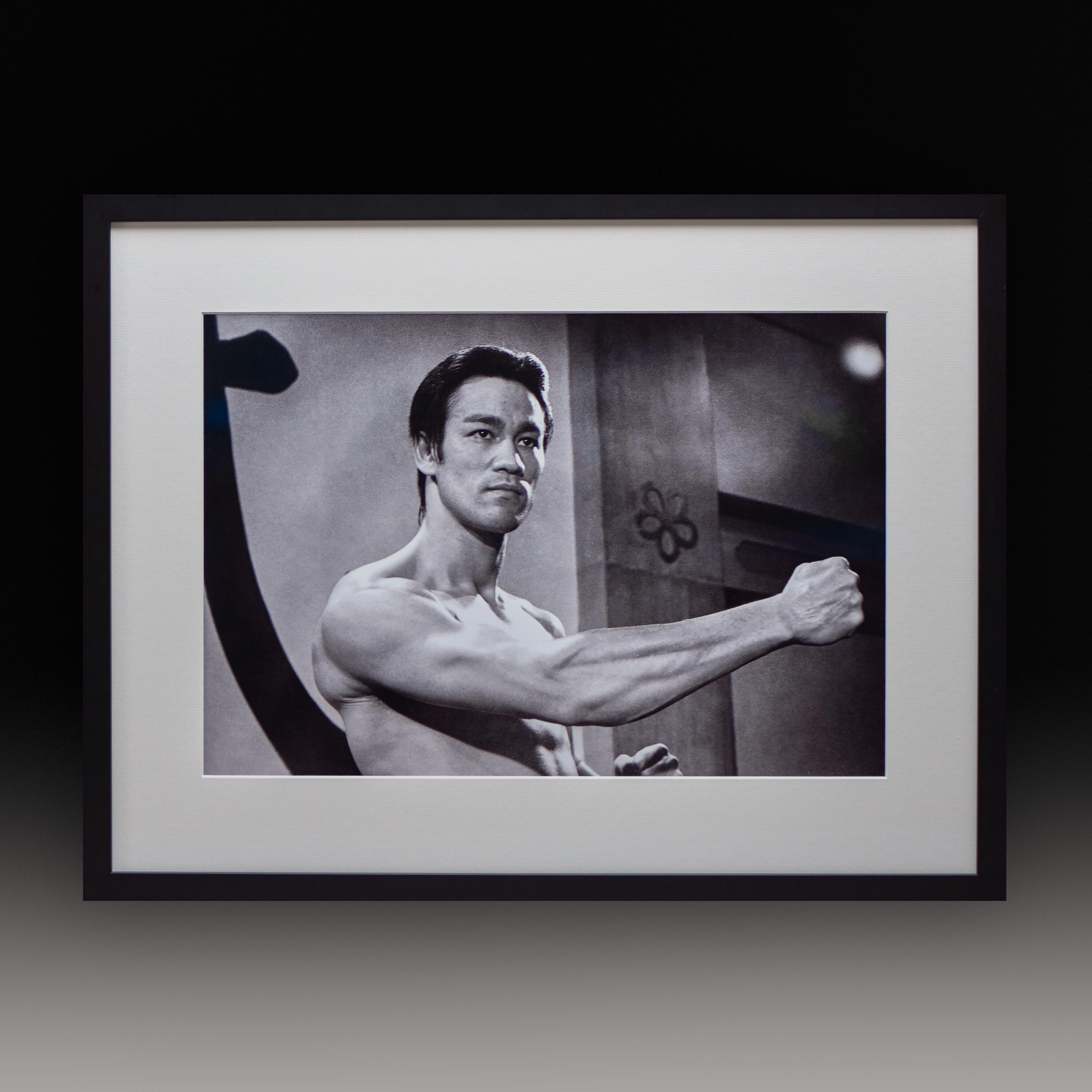
The legacy of Bruce Lee lives on not just in film and philosophy, but in the stunning visual tributes created by artists and collectors worldwide. Whether you're a lifelong fan or newly inspired by the Dragon's story, there's no better way to honor his memory than with museum-quality memorabilia.
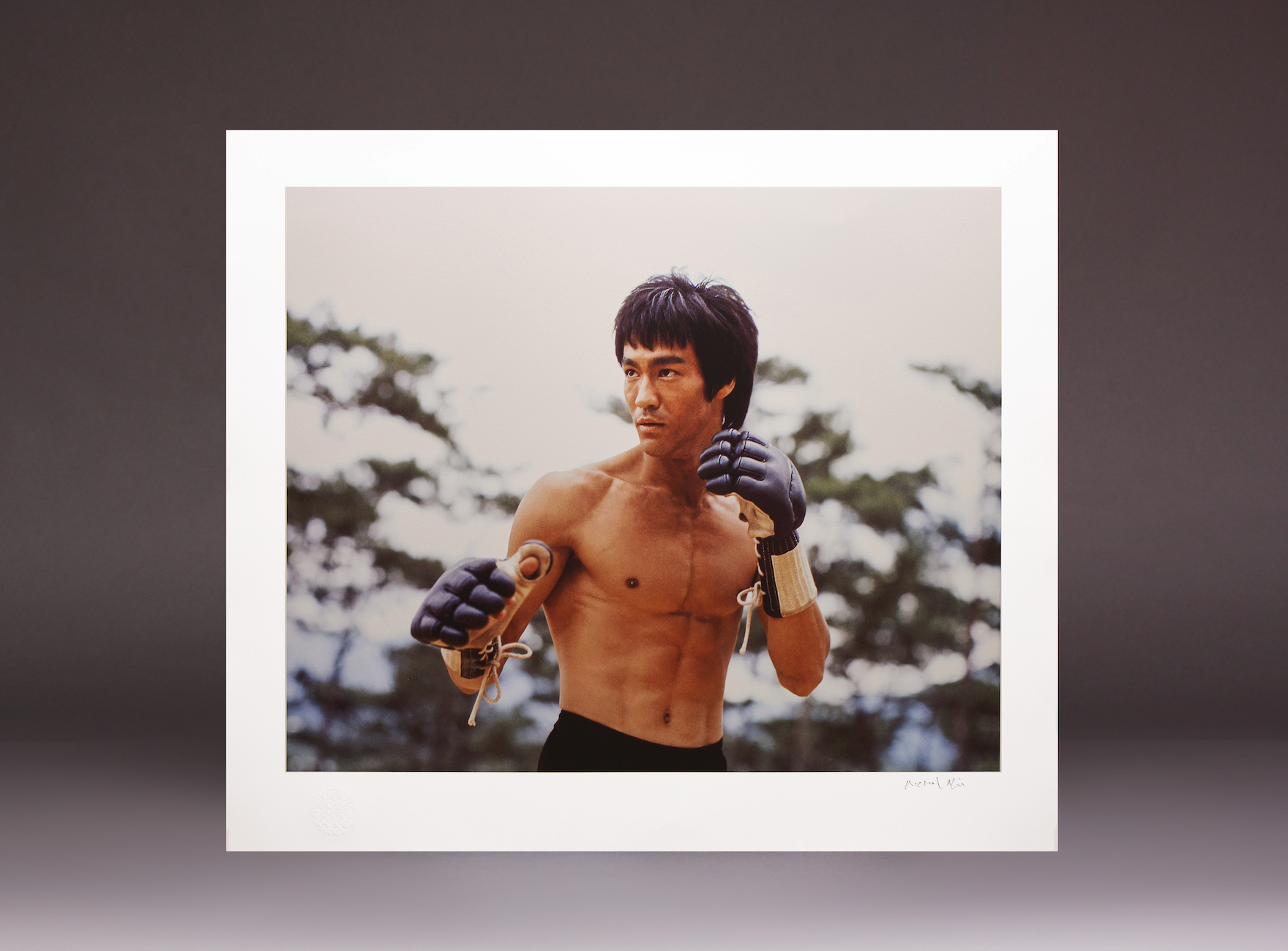
At Kudos Memorabilia.com, you'll find an incredible collection of:
Vintage poster magazines featuring iconic imagery
Fine art prints capturing legendary moments
Film posters
Action shots showcasing Bruce's incredible athleticism
Limited editions perfect for serious collectors
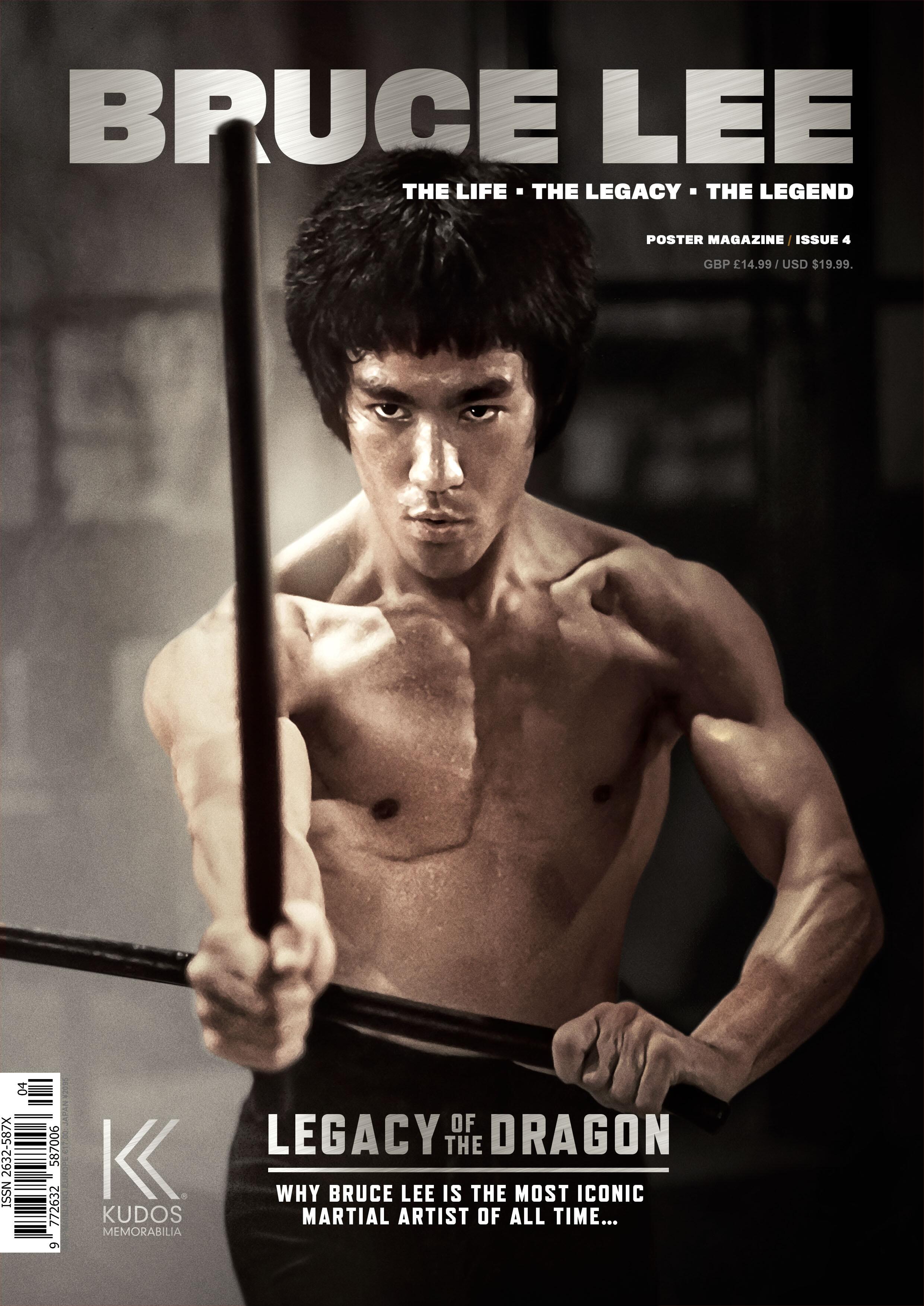
Each piece is carefully curated to celebrate the artistry, power, and philosophy of Bruce Lee. Whether you're decorating your dojo, home theater, office, or personal sanctuary, these prints serve as daily reminders to:
"Walk on..."
Visit Kudos Memorabilia.com today and bring the spirit of the Dragon into your space. Perfect for gifts, collection building, or personal inspiration.
Because legends never die—they inspire forever.
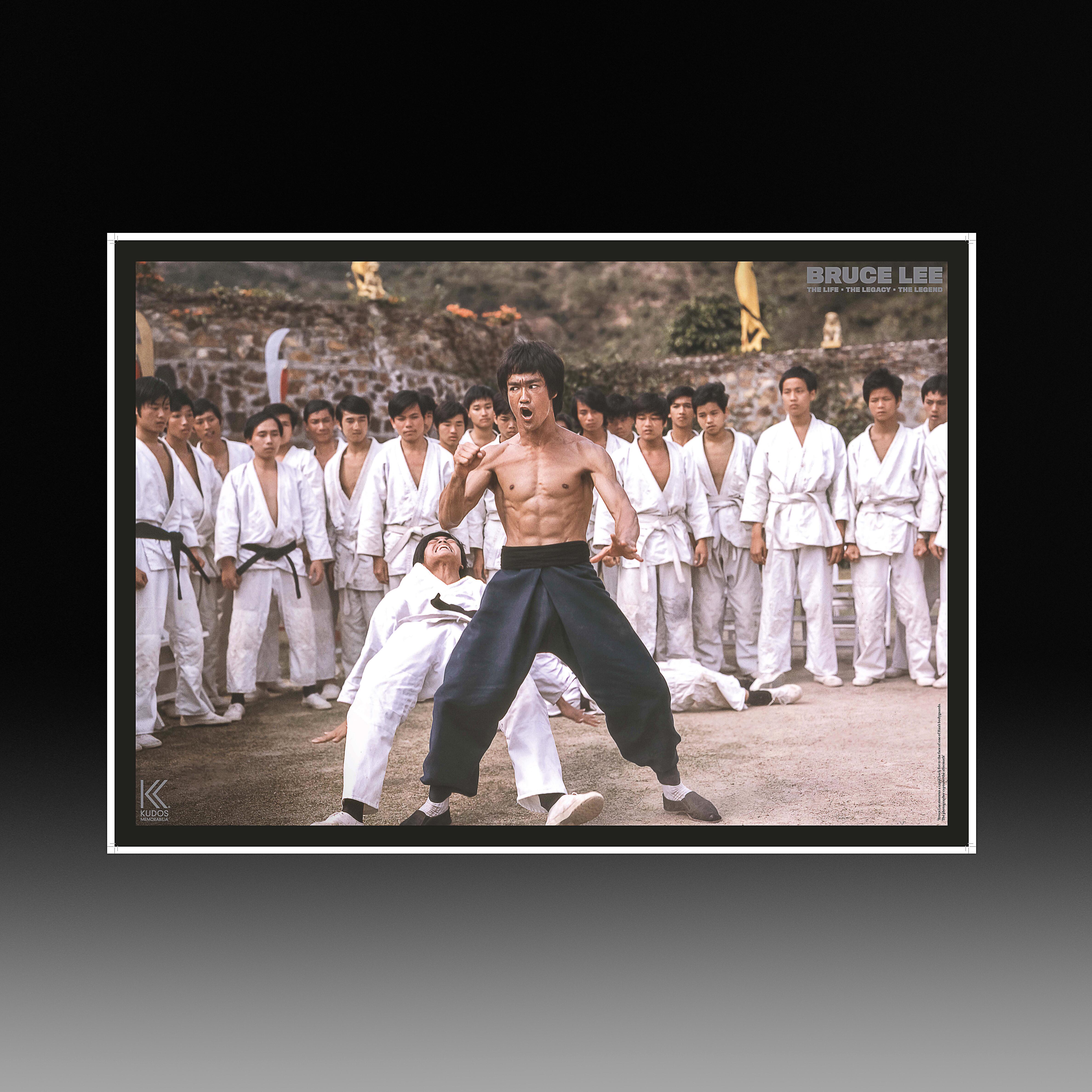
The Legacy of The Dragon
Eighty-five years after his birth, Bruce Lee remains a towering figure whose influence shows no signs of waning. He was an artist who painted with his body, a philosopher who taught with his fists, and a pioneer who opened doors for countless others.
His life reminds us that greatness isn't measured in years but in impact. In 32 short years, Bruce Lee revolutionized martial arts, changed cinema forever, broke cultural barriers, and inspired millions to pursue their best selves.
As we celebrate his 85th birthday, we don't mourn what could have been—we celebrate what was and what continues to be. The Dragon may have left this world in 1973, but his spirit soars on, in every martial artist who seeks truth, every actor who breaks stereotypes, and every person who dares to "be like water."
Happy 85th Birthday, Bruce Lee.
Your legend is eternal. Your legacy, immortal.
"Knowing is not enough, we must apply. Willing is not enough, we must do." — Bruce Lee
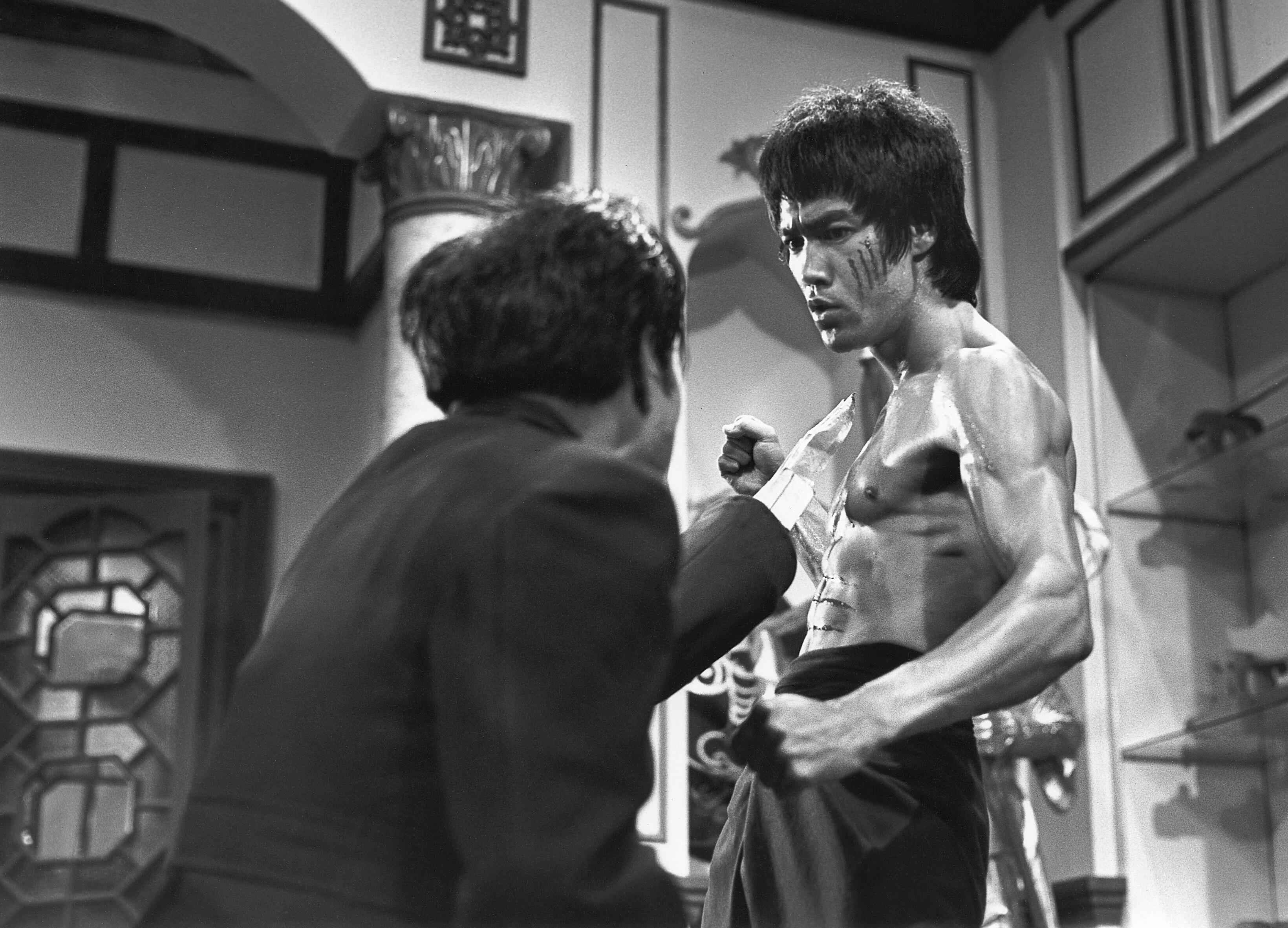
Please browse our full selection of prestigious Bruce Lee Poster Magazines. Limited Edition prints and wall art here
Kudos Memorabilia – Your trusted source for authenticated movie props, posters, scripts, and collectibles.
And don't forget to read our other Bruce Lee related posts for more exciting Bruce Lee memorabilia and news:
