



Spider-Man: Brand New Day Review - A Wounded Peter Parker Finds His Way Back
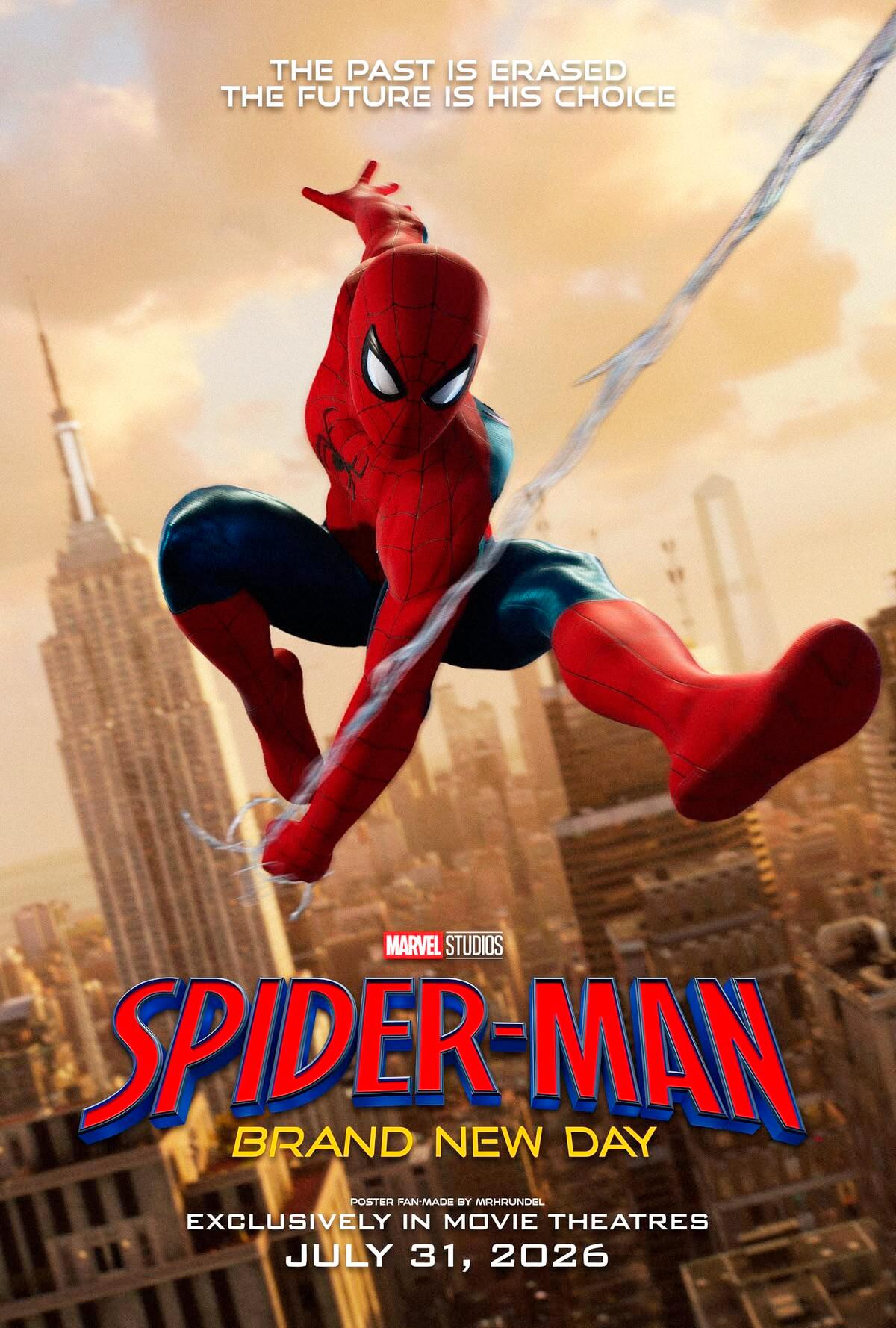
Spider-Man: Brand New Day Review
Director: Destin Daniel Cretton Starring: Tom Holland, Zendaya, Jacob Batalon, Sadie Sink, Jon Bernthal, Mark Ruffalo, Florence Pugh
PLOT: Years after a spell scrubbed Peter Parker (Tom Holland) from the memory of everyone who loved him, New York’s friendly neighbourhood ghost has poured whatever is left of himself into his suit. Then a body-hopping telepath, a gun-happy vigilante, an extremely large green man and the mutant future of the MCU all come calling at once.
Spoiler warning: this review discusses major characters; plot turns and the ending.
At its core, SPIDER-MAN: BRAND NEW DAY is a vibrant, emotionally bruising and beautifully crafted Spider-Man movie with arguably the best action sequences ever conceived for the franchise. All too often, however, its core strengths are obscured by convoluted Marvel crossover elements designed to lift the viewer’s gaze past this movie and on to Avengers: Doomsday. We wish we could say this was the first time Marvel was guilty of this particular transgression!
The movie’s central premise, at least, is clean and clear. No Way Home wiped Peter from the collective memory of the world; Brand New Day finds him struggling to cope. Blissfully unaware that Peter Parker ever existed or that they ever loved him, MJ and Ned simply get on with their lives. Peter, in turn, has stripped down his existence to the bare bones of duty and obligation – albeit with the heart of an indomitable hero. Perhaps, if he commits to being Spider-Man with relentless fervour, it might excuse him from having to be Peter Parker ever again. It is a heroic, sad but ultimately dangerous idea, which comes with the potentially tragic consequence of self-erasure…
Compelling drama naturally requires an inciting incident – a clear, pivotal, dramatic event that sends the hero off on his or her journey. This is where Brand New Day over-eggs the custard with a mind-bending convolution of elements, including, but certainly not limited to, a mischaracterised Jean Grey, Damage Control, The Hulk, The Punisher, Scorpion, The Hand, Yelena Belova, mutant experiments, old friends and new mythology. Pro-tip: pick any two of these – one for the main plot and the other for the sub-plot – and get on with your screenwriting day. Instead, Brand New Day keeps lobbing fresh ideas into the air until the film starts to resemble Spider-Man in the middle of one of his own action set-pieces: dazzling, frantic, and about half a second from losing its grip on everything.
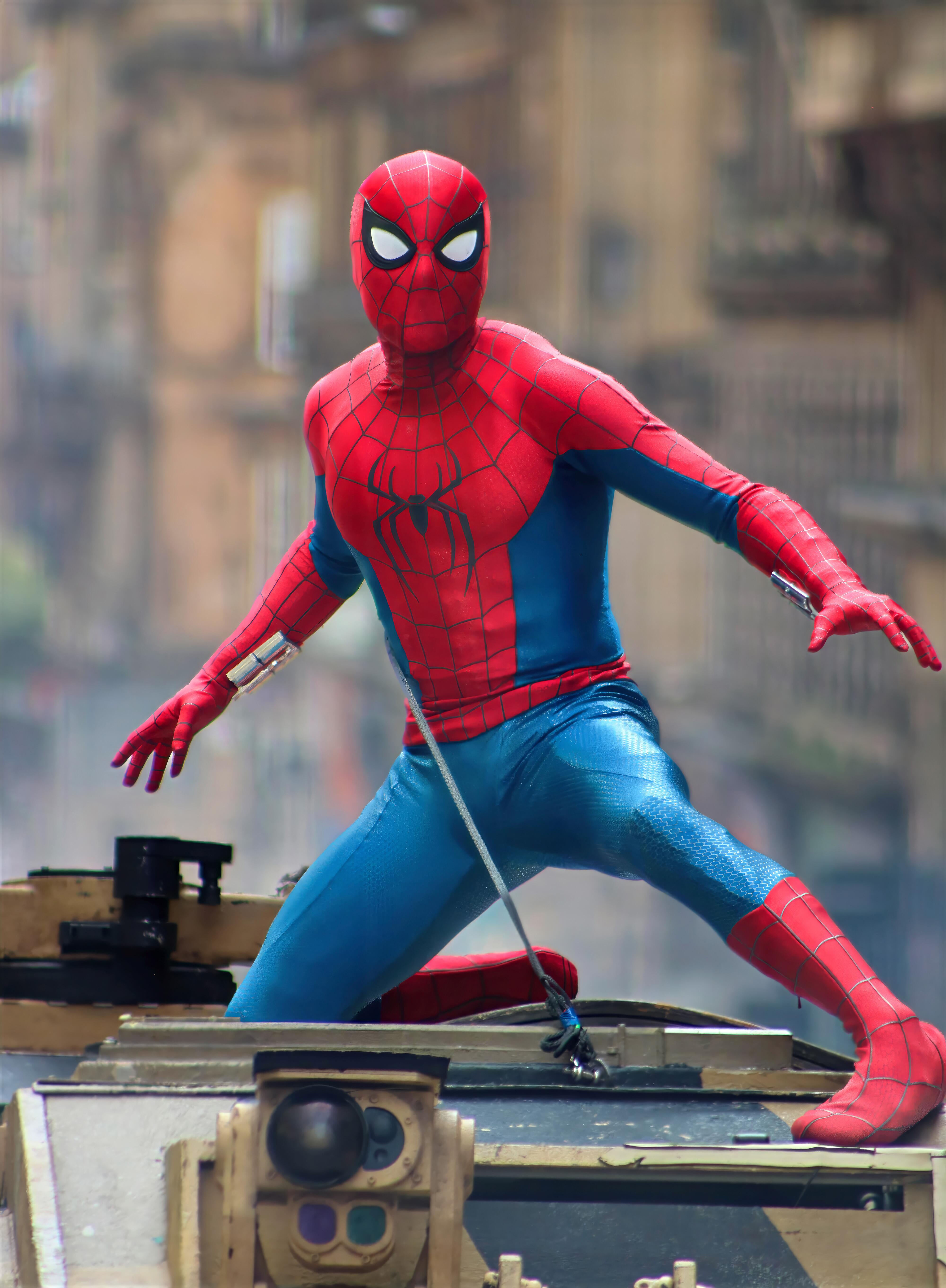
Tom Holland’s Finest Hour
If the movie holds up under the strain of these competing disparate elements, Tom Holland is the reason it holds. His performance is the undisputed hero of this story. This is comfortably his best work as Spider-Man. He has worked out how to let Peter’s emotional damage seep through the familiar rhythms of the role in the most nuanced and organic way possible. The gags still land, but they feel less like charm now and more like camouflage. He can stop a bus, improvise his way out of a collapsing building and trade insults mid-swing. Watch him once the mask comes off, and we see his quiet, lonely terror.
Peter’s grief never arrives in a speech. It lives in the half-beat before the smile, in the heartbreaking way he watches other people’s evenings from a rooftop, and in the increasingly worrying ease with which he picks Spider-Man’s interests over his own. In the action scenes, too, Holland has never been more convincing. He’s lighter on his feet, sharper in his aggression, and more purposeful in his movements. And yet, somehow, he manages to convey through highly calibrated and micro-gestured physicality the paradox of a young man discovering he may be physically stronger than he is emotionally equipped to be. Even when the script wanders off for a spot of franchise admin, Tom keeps the premise tethered to one central thematic question - who is Peter Parker if nobody is left to remember him?

Old Friends, New Problems
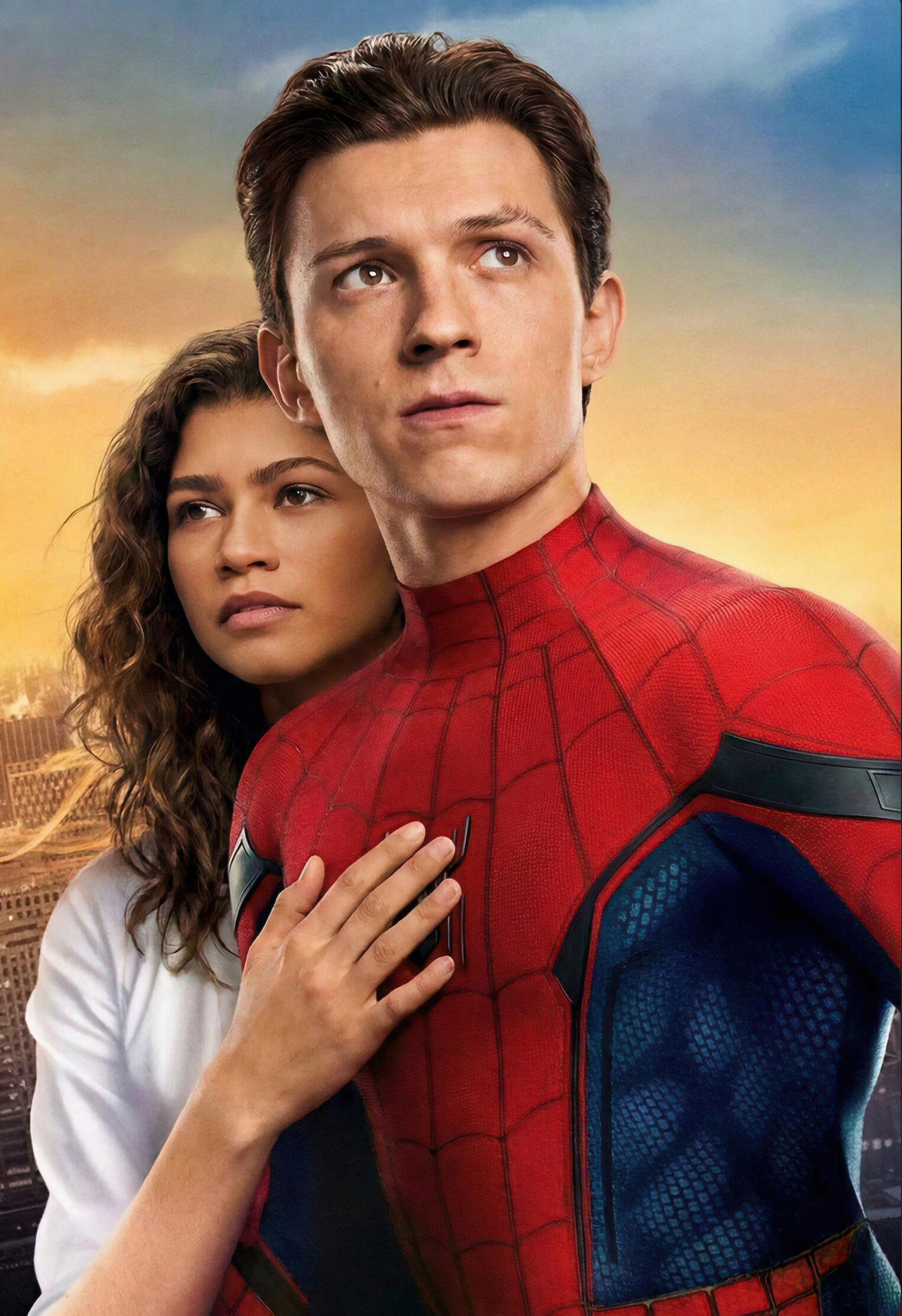
From a narrative standpoint, the return of MJ and Ned in the light of No Way Home’s tragic climax gives breath to emotional productivity and dramatic cowardice, sometimes within the same scene. No Way Home closed on a genuinely brutal act of personal sacrifice: Peter decided the people he loved were safer without him, saw the lives they had built and walked away. It worked because it looked permanent. Brand New Day cannot resist easing that door open almost immediately, and every recovered flicker of feeling, every magical loophole, shaves a little more off the price of the sacrifice. The more reversible the spell looks, the cheaper the decision becomes.
That said, this is not lazy nostalgia. The best MJ material keeps the cruel asymmetry intact: Peter is hauling around a relationship she has no memory of. Zendaya flatly refuses to play MJ as a trophy awaiting collection, and the film is at its most grown-up when it accepts that Peter’s sincerity does not oblige her to feel anything. Ned widens the bruise, because what Peter lost was not only a treasured romance with MJ but an entire version of himself that only existed in Ned’s company.
The trouble starts whenever the film begins flirting with reassembling the old trio. This is supposed to be a reset, not an interval. MJ and Ned deepen Peter’s loneliness enormously while they remain out of reach; they dilute No Way Home the moment memory loss is treated as a puzzle box with a solution somewhere in act three. This overarching separation anxiety for the beloved character dynamics of the previous trilogy opposes ‘failure to launch’ status on the new story arc…
The Best Action In The Live-Action Franchise?
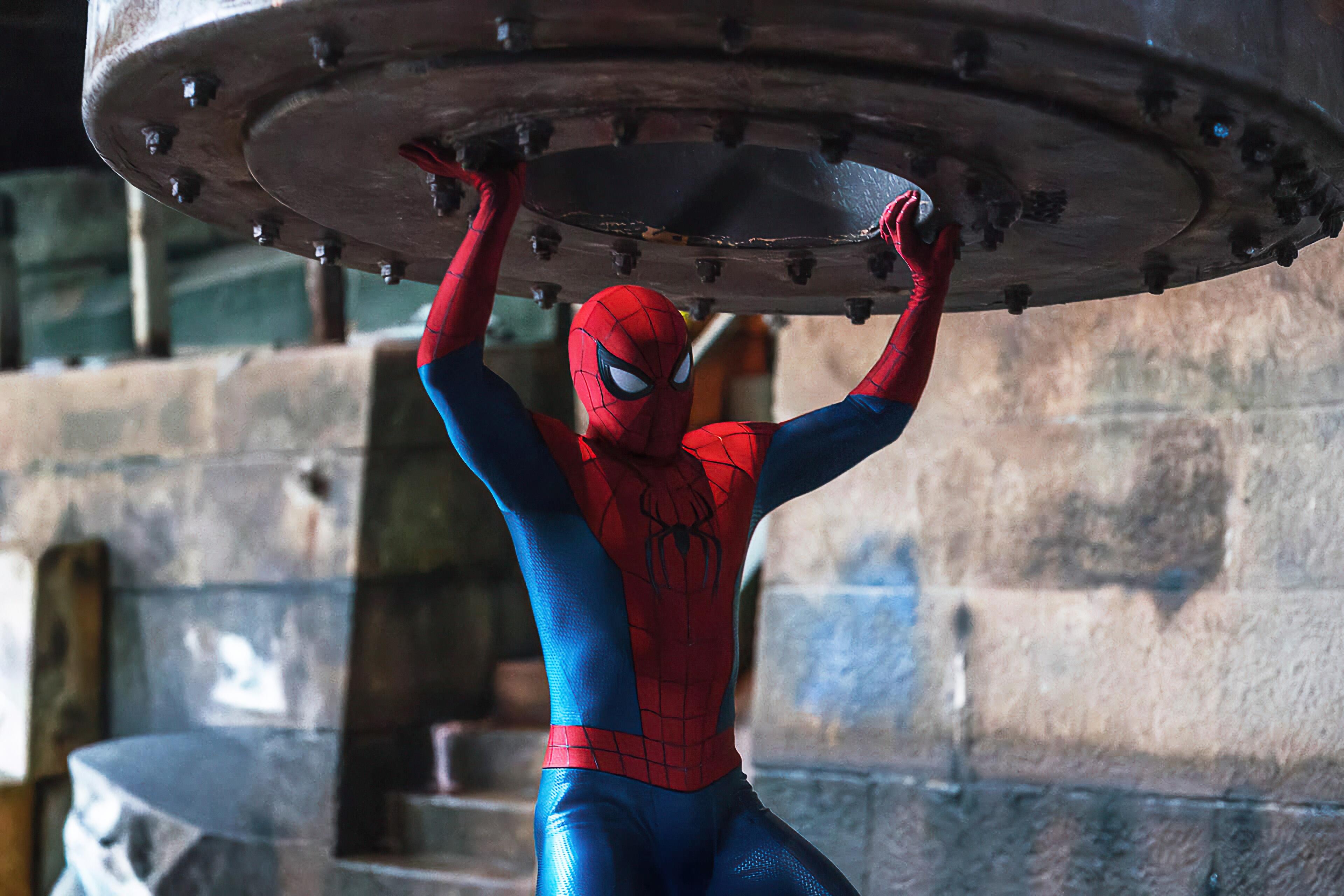
Quite possibly, yes. Director Cretton grasps something that has eluded plenty of his predecessors: Spider-Man action is not punching with webs attached, it is geometry under pressure. The camera always knows where Peter is, what he can swing from, who needs catching and precisely what happens if he misses. Height hurts. Momentum has mass. New York becomes a three-dimensional obstacle course rather than a digital blur behind an actor’s head.
Better still, every opponent rewrites the rules. The Hand demand crowd control at speed. The Punisher brings bullets, moral friction and the queasy suspicion that Peter’s ally might be more dangerous than the men they are chasing. Hulk turns each collision into a physics lesson. Jean Grey attacks movement, memory and identity all at once. Peter never simply hits harder until the scene stops; he redirects force, rewires the environment, plucks civilians out of the air, changes tactics and thinks with his entire body.
This is why, for the first time in a long time, the set-pieces feel authentically Spider-Man. They are fast without turning to soup, spectacular without losing the boy inside the suit, inventive without demoting Peter to a reluctant passenger in a VFX showreel. The Spider-Verse films remain in their own league of formal invention, obviously, but Brand New Day delivers the most accomplished run of action in the history of the live-action franchise.
The Man, The Spider, And The Bit In Between
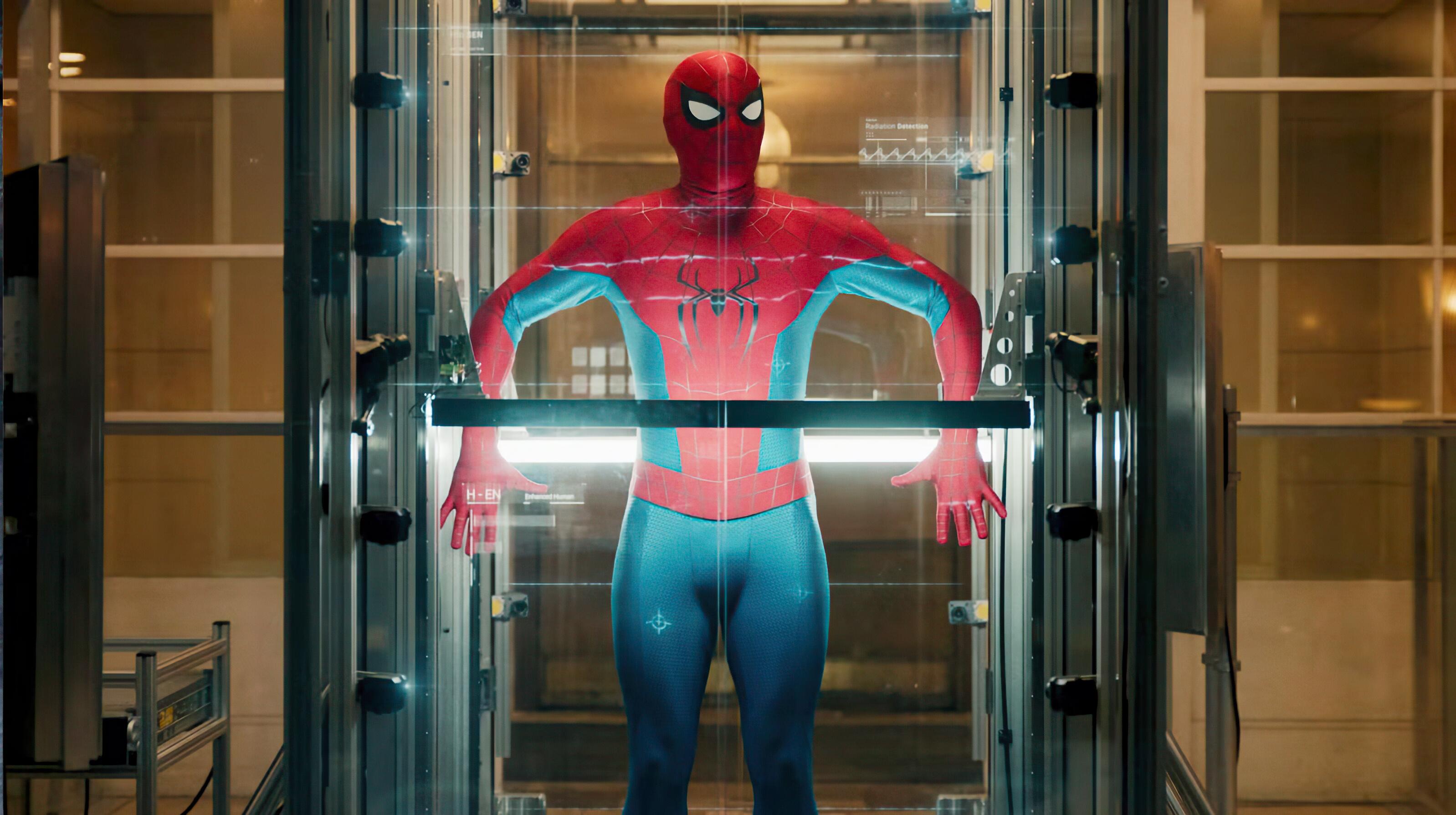
The film’s most intriguing idea is that Peter’s arachnid side may no longer be content to sit quietly in the person-adjacent superpowers column. His body is changing. His instincts are sharpening. Aggression keeps arriving several beats ahead of judgement. Organic webbing, altered movement and flashes of something distinctly predatory suggest that the spider is not merely what Peter can do but something busily rewriting who he is. The harder he abandons Peter Parker, the more enthusiastically Spider-Man moves in.
Is that a legitimate Spider-Man paradigm? It is - although it is a loaded one. The comics have returned to Peter becoming more spider than man on several occasions, most explicitly through the Man-Spider stories and The Other, which framed his evolution as a tug of war between the human being and the arachnid thing inside him. Marvel’s own copy for The Other poses the question of who will emerge, the man or the spider, and a related What If? tale imagines Peter losing to his bestial impulses altogether. This is not an idea smuggled in from another character’s shelf; it has a genuine, if specialised, place in the mythology.
It is not, however, the character’s default setting. The essential Spider-Man proposition has never been that Peter is a monster held in check by willpower. It is that an ordinary, fallible, conspicuously human young man chooses to spend extraordinary abilities on other people. Marvel’s core profile of him still rests on that union of spider-like power, personal difficulty and moral responsibility. Make the spider his “real” self and the moral architecture quietly shifts - responsibility becomes chemical restraint, and compassion starts to look like an obstacle to his authentic nature rather than the quality that makes him a hero.
Brand New Day grasps all this as metaphor and only half of it as drama. Peter’s mutation is a potent expression of grief - he has tried to kill off his inner self, so his body obligingly gets on with the job - and Holland sells the abhorrence of enjoying the extra power, with the action tipping into proper body horror more than once. But the screenplay keeps moving before the implications can bite. Peter is rarely forced to work out whether the violent impulse is alien, instinctive, or just his own anger finally given permission. The changes end up filed as a mystery to solve and a condition to manage, when they should also be a moral emergency. A leaner film might have made this its central terror: not that Spider-Man is replacing Peter, but that Peter invited him in.

Jean Grey, Introduced Backwards
Talented American actress, Sadie Sink (Stranger Things), makes a striking Jean Grey, and the film promptly introduces one of the X-Men’s great heroes through the most distorted lens imaginable - Jean as an unstable psychic catastrophe. She possesses bodies, terrorises civilians, exerts mass control and comes within a whisker of killing Metzger. It is forceful, cinematic stuff, and Sink layers flashes of frightened humanity beneath it. Much to the chagrin of X-Men fans everywhere, it is also an adaptation that establishes Jean’s danger long before it establishes her decency.
For franchise devotees that borders on heresy. Jean’s tragedy only detonates properly if the audience has first met the empathetic, principled woman whose power is subsequently corrupted or overwhelmed. Marvel’s own history presents her as a founding X-Man, defined as much by sacrifice and emotional intelligence as by raw psychic wattage. Brand New Day inverts the order: threat first, person later.
The later reveal that she has been manipulated, and her eventual choice to save Peter, restore a good deal of her moral centre. They do not come close to repairing the moral abhorrence of all that went before, however. Marvel has waited years to bring the X-Men properly into play, and meeting Jean Grey as a horror-movie archetype before meeting her as a hero feels less like bold reinvention than a failure to learn from every adaptation that reduced her to the Phoenix in the first place.
Yelena Belova, Contractually Present
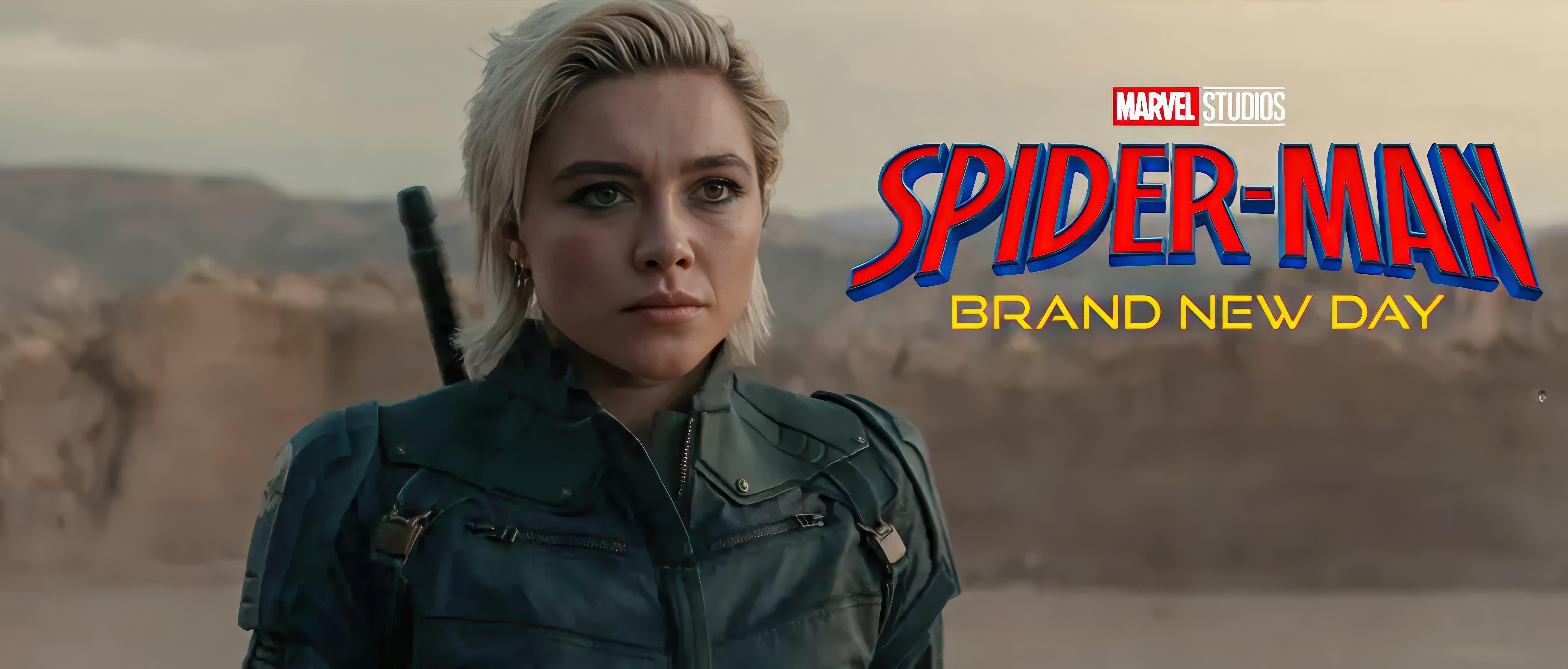
As a performer, Florence Pugh remains constitutionally incapable of being dull, which almost conceals how disposable her character, Yelena Belova, actually is in Brand New Day. Peter asks for help, she supplies a lead, delivers some excellent dry lines and keeps the New Avengers on screen. Remove her and the mystery still functions. Peter’s emotional journey is untouched, and Jean’s motivation survives. The climax does not so much as blink. A police contact, a hacked file or Peter doing his own detective work could cover the same ground in half the time.
The inclusion of this character in such an extraneous framework reek of franchise maintenance. Marvel has installed Yelena as one of its principal post-Endgame players. Whether her deadpan reads as delightful or wearying is a matter of taste. The sharper criticism is the simpler one: she is here because the MCU needs to keep her warm and not because this story needs her.

Too Much Universe, Not Enough Neighbourhood
The central weakness in Brand New Day is not any individual subplot. It is accumulation. Peter’s isolation, his changing biology, MJ and Ned, Jean and Sara Grey, mutant experimentation, Damage Control, Metzger, the Punisher, Hulk, Scorpion, the Hand, Yelena and assorted future MCU business all elbow each other for oxygen. Several could carry a film on their own. Together, they produce congestion.
The cost is rhythm. A moment of grief is interrupted by exposition. Body horror gives way to street-level crime, which gives way to mutant mythology, which pauses for a crossover entrance. Antagonists become functions. Revelations arrive instead of consequences. The middle act switches genre so frequently that the film starts to resemble someone channel-hopping through its own Disney+ menu.
Most damagingly, Peter periodically becomes a visitor in his own movie. The Punisher earns his place because his willingness to kill tests Peter’s moral line. Hulk earns his as a physical counterpoint to mutation and control. Jean earns hers by mirroring the fear of power swallowing identity. But Yelena, the Hand and chunks of the Damage Control machinery feel imported from a broader corporate itinerary. TIME took aim at the film’s excessively busy mechanics; TechRadar argued that the future set-up distracts from the protagonist. Both are circling the same conclusion: Marvel has built a terrific Spider-Man story and appears profoundly nervous about leaving him alone inside it.
The Good Stuff
New York matters again. Cretton's city is populated, vertical and occasionally hostile — somewhere people live rather than a backdrop queuing up to be demolished. That shift pays off in the choices the film makes during a fight. Rescues count as much as punches. Peter is forever half a beat from catching someone, and the strongest sequences understand that Spider-Man's heroism has never really been measured in impact but in tiny decisions taken at impossible speed: who to grab first, what to let fall, how much of himself to spend on a stranger he will never see again.
The film also brushes against a properly uncomfortable idea, and it deserves credit for reaching for it at all. To find Jean, Peter builds surveillance tools and a means of suppressing mutant abilities — perfectly reasonable in the middle of a crisis, and a technology that can be turned on a persecuted minority the second it leaves his workshop. That should land like a thunderclap. Instead, it is filed under plot engineering and quietly forgotten. In a less crowded Brand New Day, Peter would have been made to sit with the thought that protective ingenuity becomes institutional control with alarming ease, and that the boy who builds the cage rarely gets to decide who ends up inside it.
For all the corporate traffic passing through, the film never turns sour nor tries to subvert Spider-Man’s core values and personality traits, and that matters more than it sounds. It would have been easy to read Peter's isolation as proof that heroism is a mug's game. Brand New Day argues the opposite. Suffering has not made Peter remarkable - plenty of people in this city have lost more. What makes him remarkable is what he does next. He keeps turning up. He hauls a stranger off a ledge and swings away before she can ask his name, and nobody waits at home to hear about it. There’s no MJ to worry, no Ned to impress. The film has engineered the purest test of the character anyone has yet devised: heroism when no one is watching. Every Spider-Man goes unappreciated; that is practically his job description. This one goes unseen, which is a lonelier proposition altogether. He does it anyway, night after night, for people who will never know a decision took place. Holland understands this in his bones and plays it without a shred of self-pity - no martyrdom, no speeches, just a young man quietly getting on with the one thing he still does well…
The Verdict
Tom Holland’s most assured turn under the mask and a run of franchise-best action keep Brand New Day swinging, even as the overcrowded plotting keeps trying to drag it back to street level. The tug of war between Peter’s humanity and his increasingly assertive arachnid instincts is a legitimate, intriguing extension of the mythology, though the film never quite sits still long enough to explore it. MJ and Ned return with real emotional weight, but the surplus of guests — an entirely unnecessary Yelena chief among them — leaves too much of the film feeling like preparation for Avengers: Doomsday rather than the continuation of Peter Parker’s story. Exciting, sincere, frequently spectacular, and frustratingly overstuffed.
★★★½☆
3.5 out of 5
