The Birth of Bond: A Review of James Bond. Dr. No. Art Edition No. 251–500 ‘Publicity Portrait’, 1962, by TASCHEN
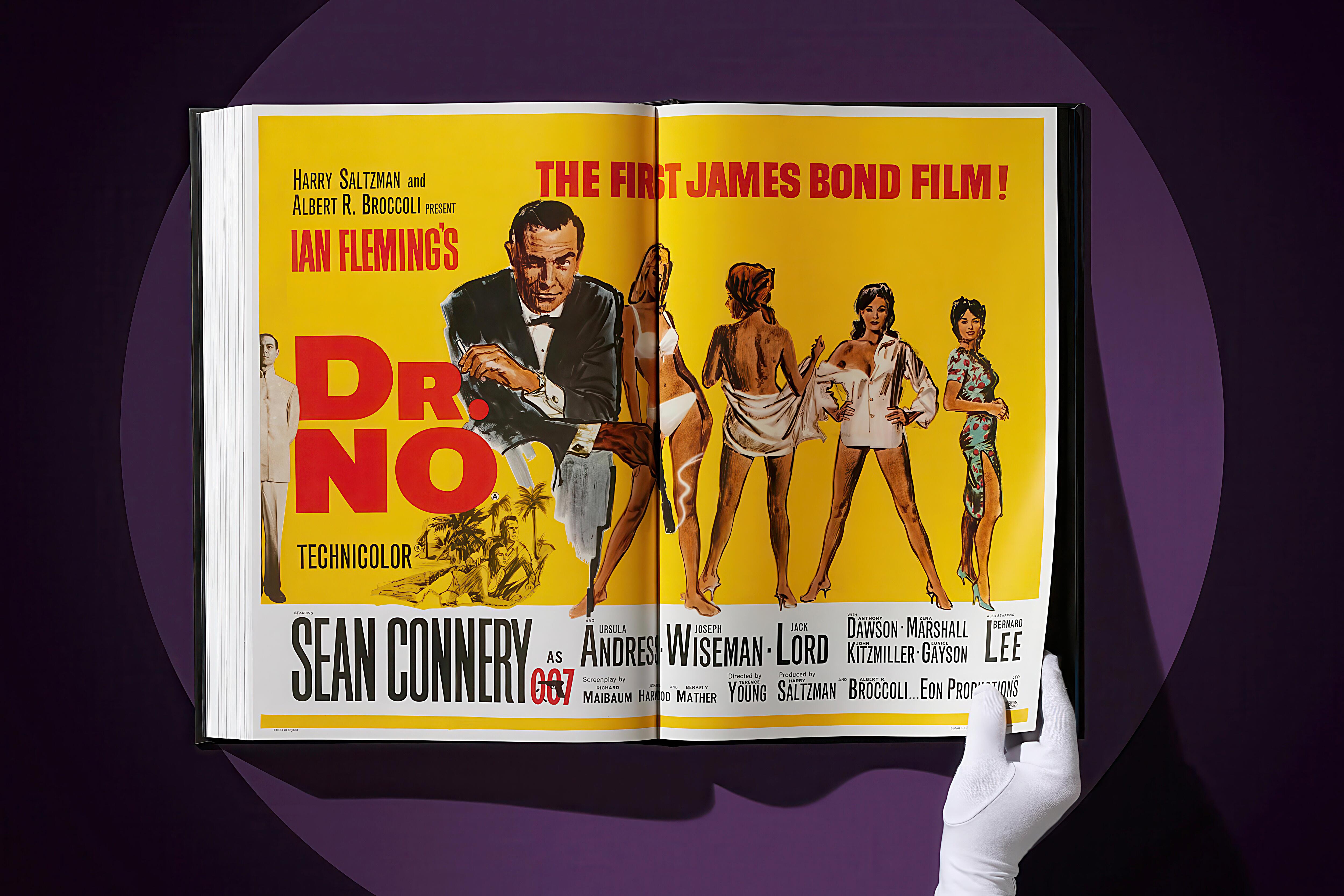
When TASCHEN undertakes a project, it rarely misses the mark. With James Bond. Dr. No. Art Edition No. 251–500 ‘Publicity Portrait’, 1962, the publisher has created not just a book, but an objet d’art that pays tribute to one of cinema’s most pivotal moments: the birth of James Bond on screen. Lavishly produced and brimming with rare archival material, this edition is a must-have for serious Bond aficionados and cinephiles alike.

Yet to appreciate the full power of this TASCHEN edition, one must first revisit the revolutionary impact of Dr. No—the film that changed popular cinema forever.
The Making of a Cinematic Icon
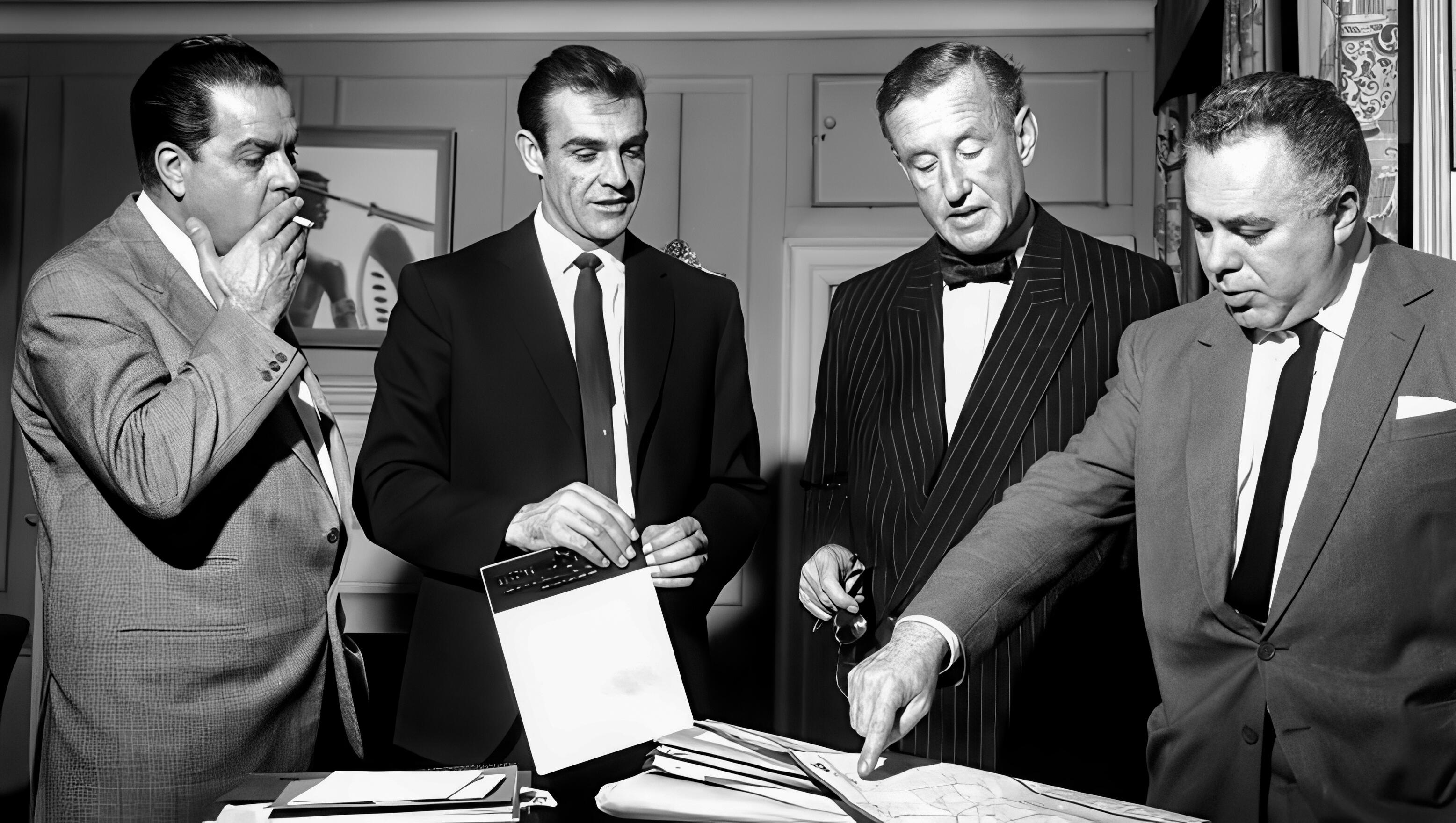
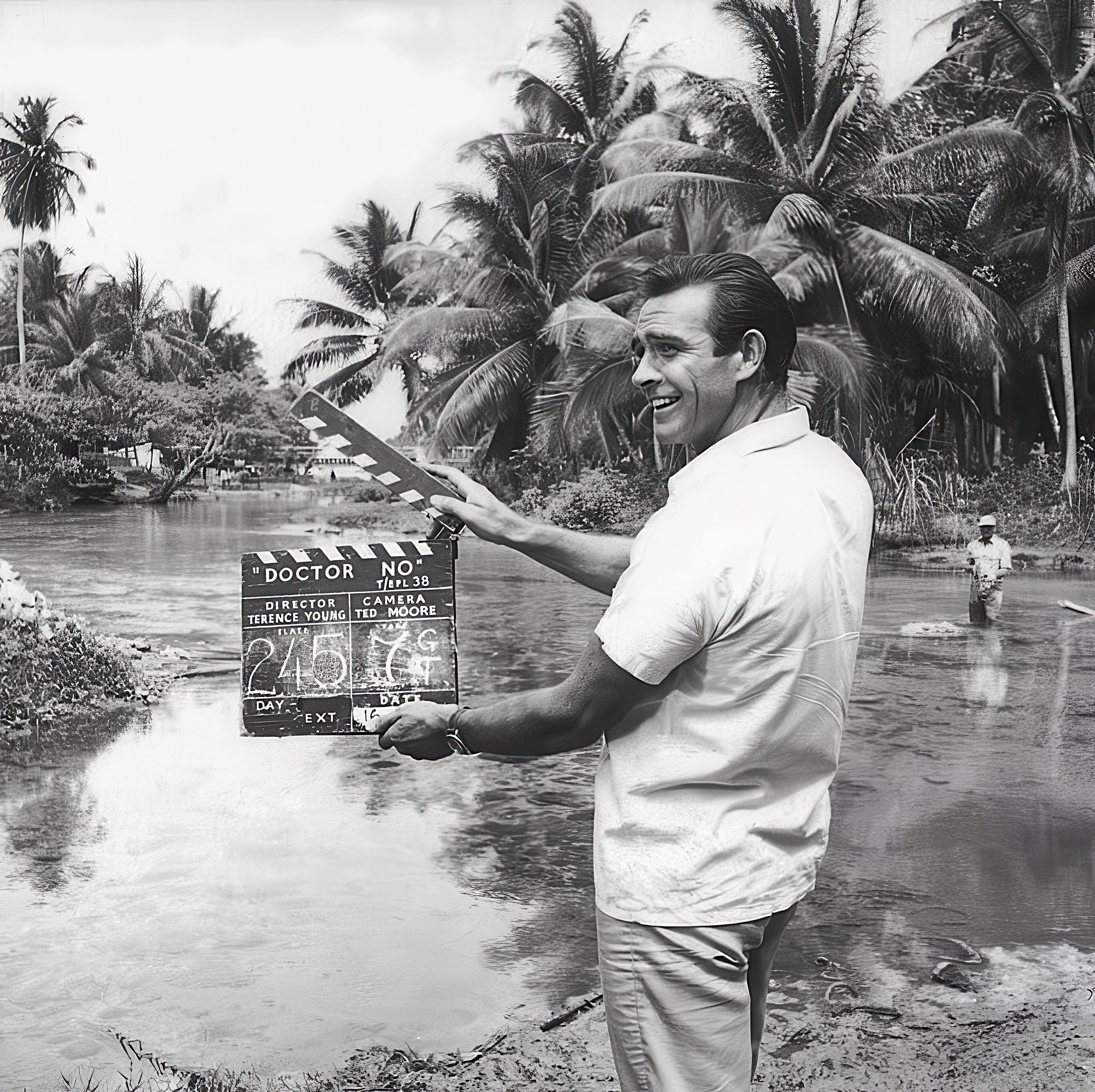
Released in 1962, Dr. No marked the first screen adaptation of Ian Fleming’s British secret agent, James Bond. Though Fleming’s novels had enjoyed moderate success, it wasn’t until Cubby Broccoli and Harry Saltzman secured the rights that Bond would find his global stage. With Terence Young in the director’s chair, the production embarked on a risky, stylish, and ultimately groundbreaking vision for spy cinema.
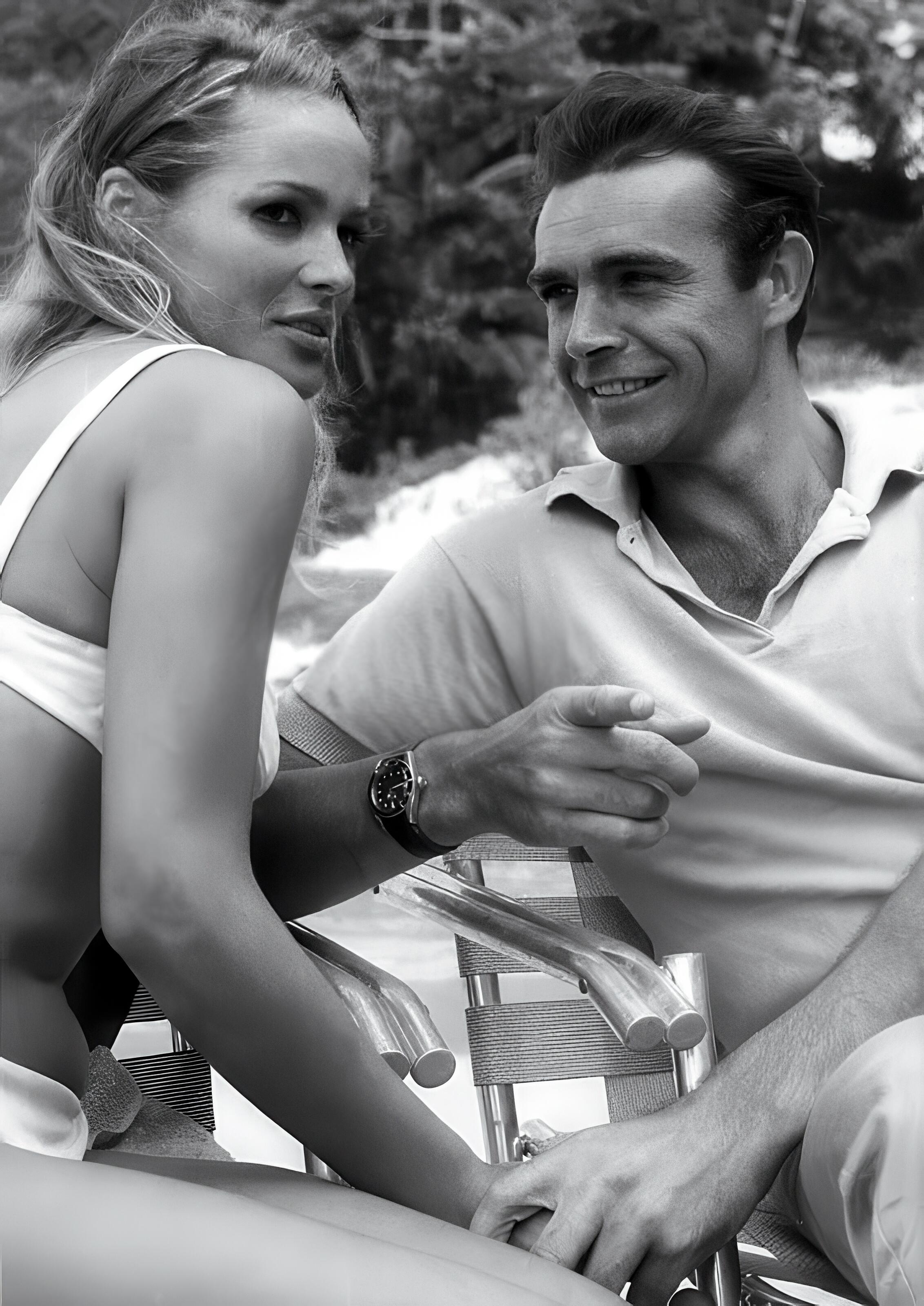
Based on Ian Fleming’s sixth Bond novel, Dr. No follows the adventures of James Bond, 007, a British secret service operative with a licence to kill, who is sent to Jamaica to investigate the disappearance of a fellow agent. What begins as a murder mystery quickly evolves into a conspiracy involving SPECTRE, a shadowy global crime syndicate, and the villainous Dr. Julius No, a reclusive scientist sabotaging American space launches from his island base, Crab Key.
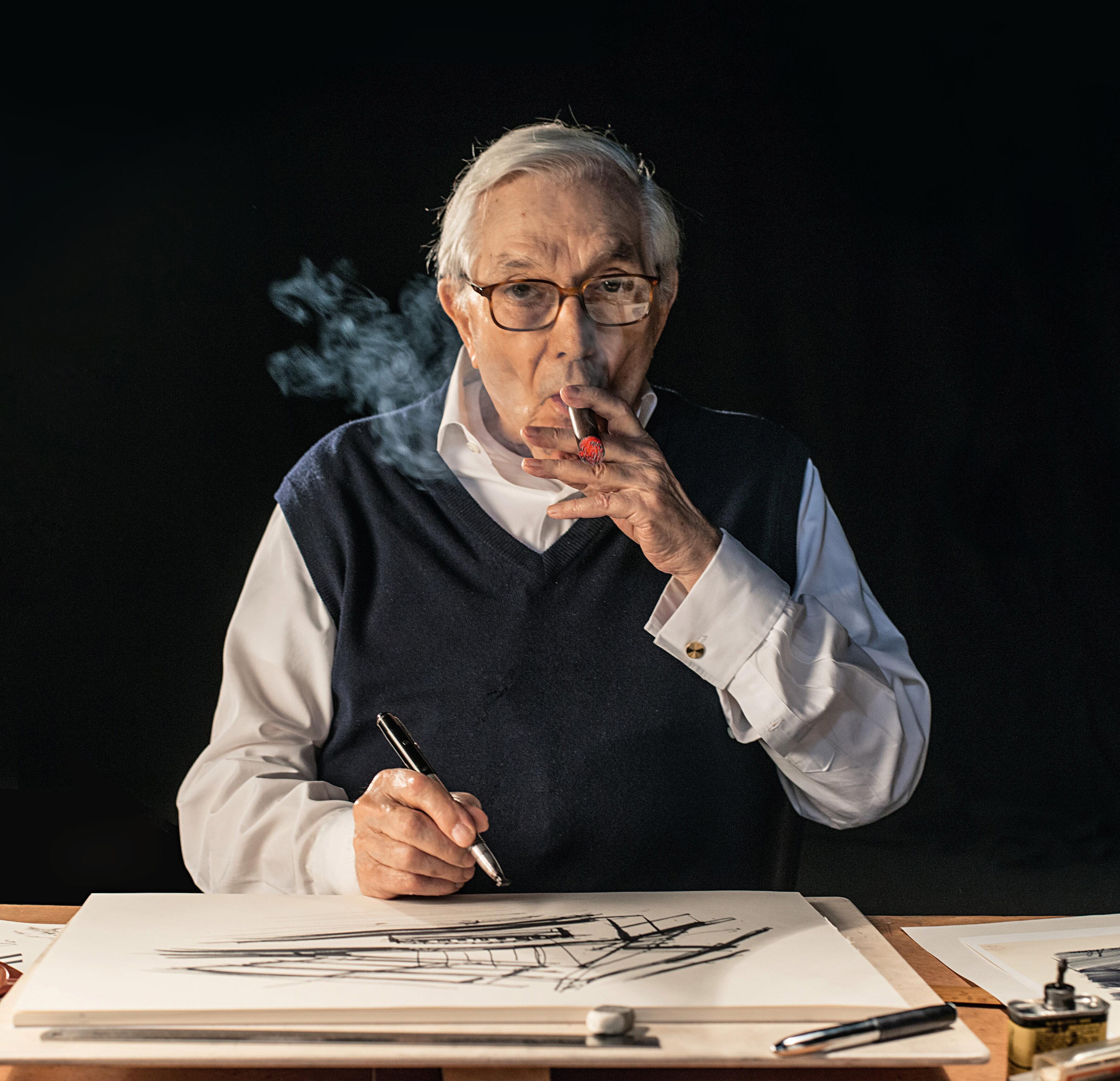
Filming on Dr. No began in Jamaica in early 1962, exploiting the island's exotic appeal and authenticity. The remainder was completed at Pinewood Studios, where production designer Ken Adam—working with a modest budget—created some of the most memorable sets in film history. From Dr. No’s high-tech lair to the stylized interiors of Crab Key, Adam’s work introduced a bold, architectural language to film design that would influence the Bond series (and the spy genre) for decades to come.
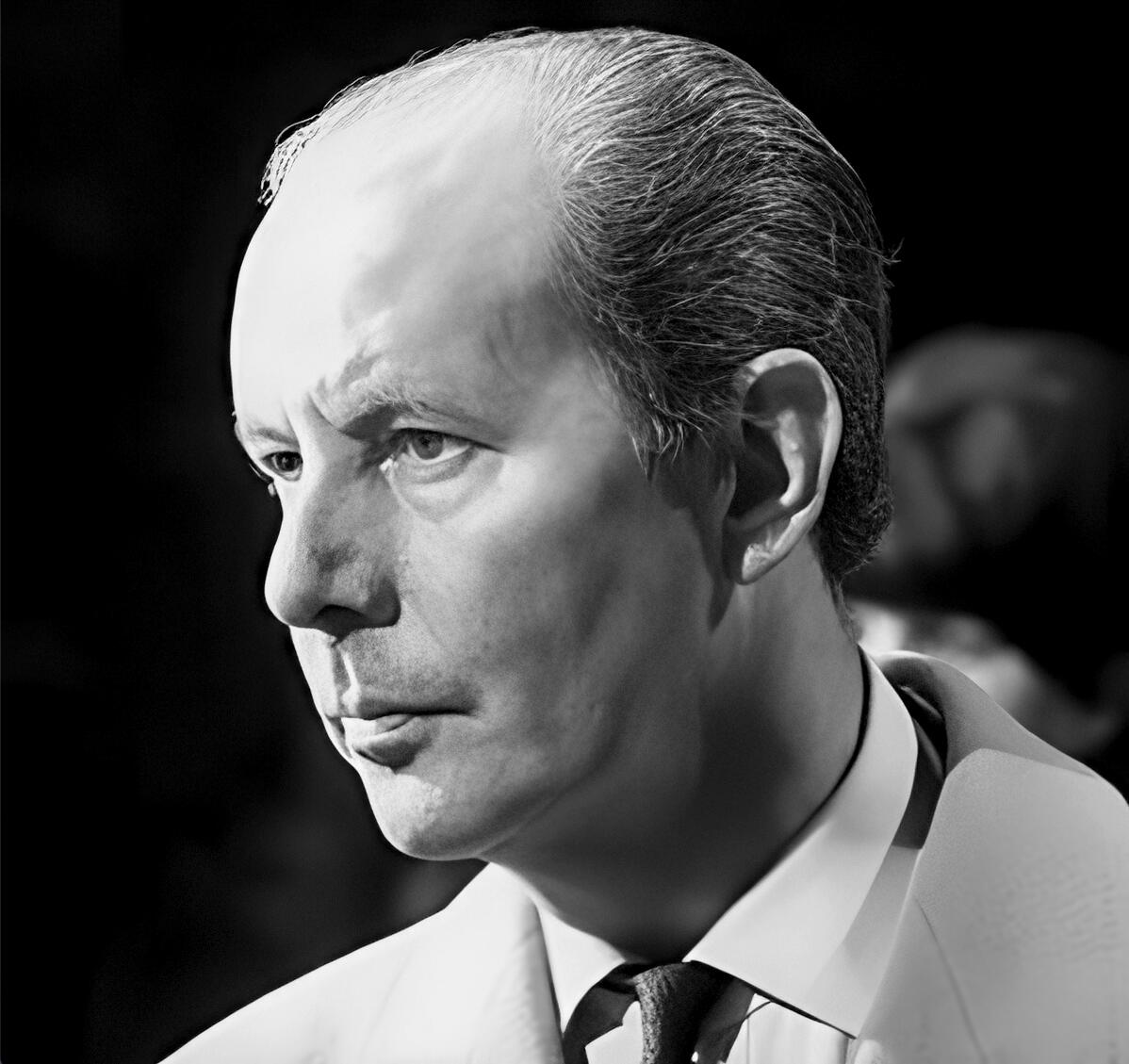
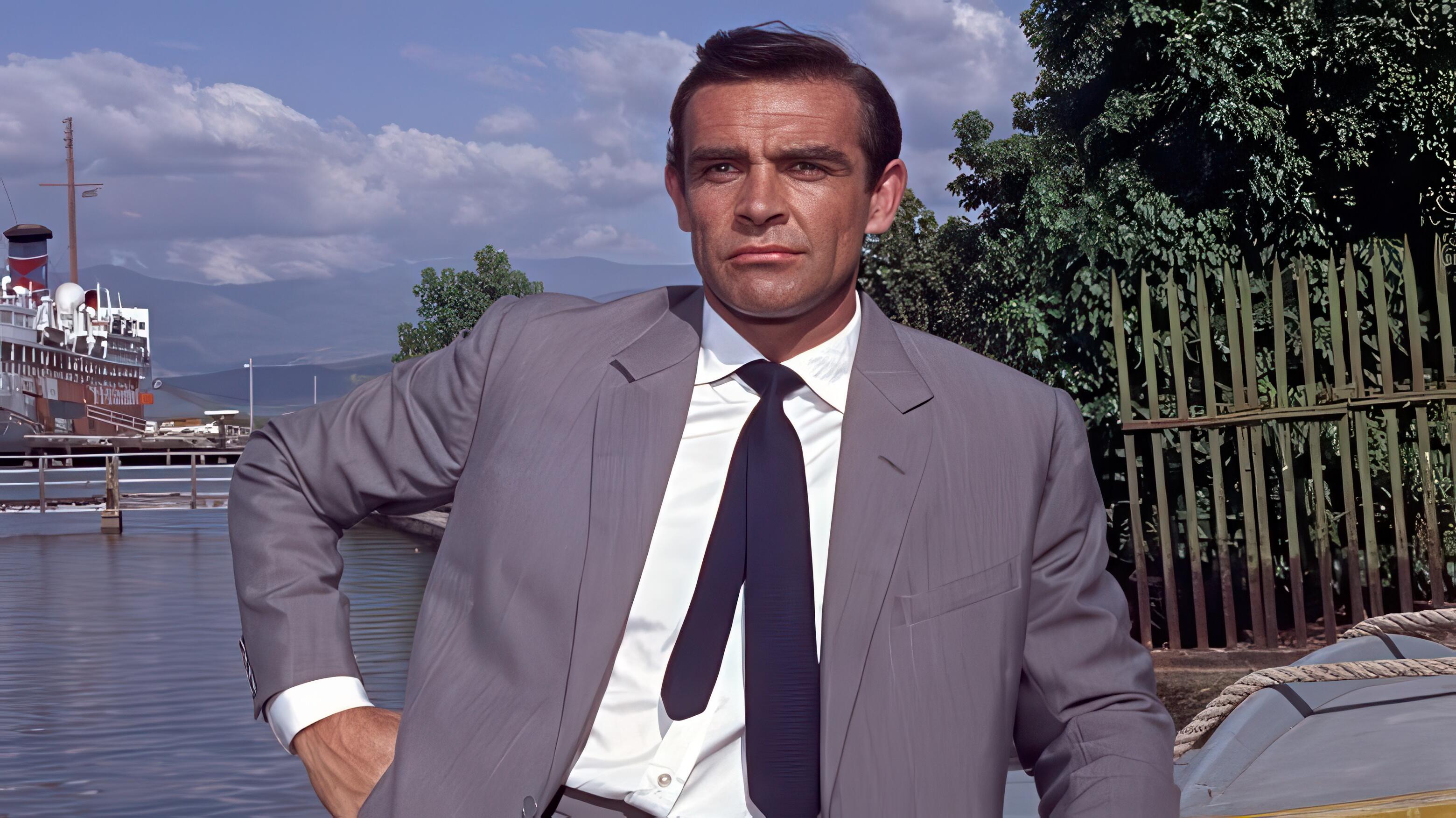
Director Terence Young, for his part, brought sophistication and a razor-sharp sense of pacing, helping to translate Fleming’s “blunt instrument” into something polished yet dangerous. He was also instrumental in coaching Sean Connery—helping shape the actor's wardrobe, demeanor, and even walk. As a result, Connery's Bond emerged fully formed: lethal, charismatic, and effortlessly cool.
Sean Connery’s Breakthrough
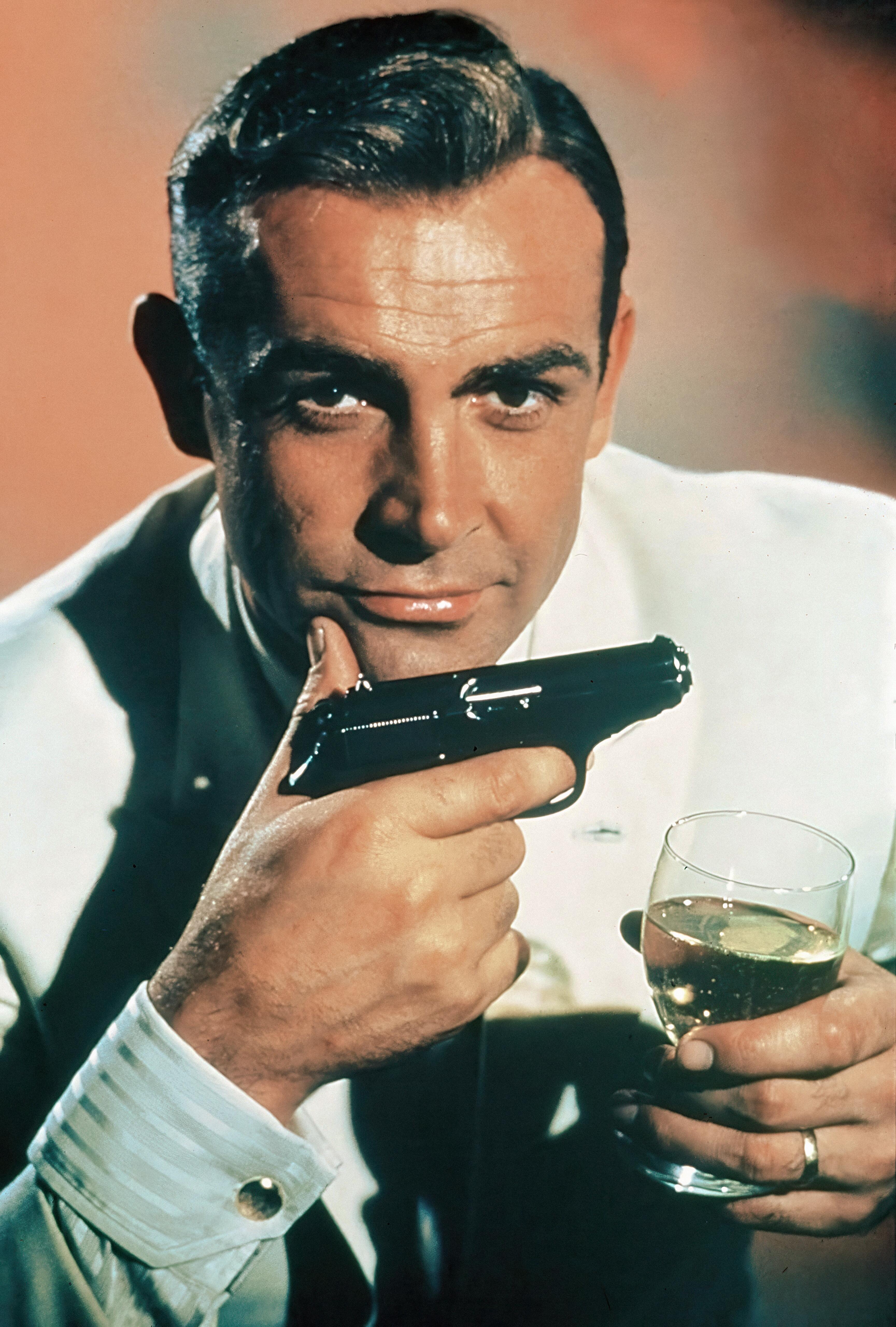
At the heart of the film’s success is Sean Connery’s commanding debut as James Bond. Though he was not the producers' first choice (Ian Fleming initially disapproved of him), Connery’s performance combined rugged masculinity with effortless charm. His now-iconic introduction—“Bond, James Bond”—was delivered with such poise that it instantly became part of cinematic history.
Connery’s Bond is both brutal and sophisticated—a man equally comfortable in a tuxedo or a gunfight. He exudes confidence without smugness and danger without excess. His portrayal would become the gold standard by which all future Bonds would be measured.
Ursula Andress & the Birth of the Bond Girl
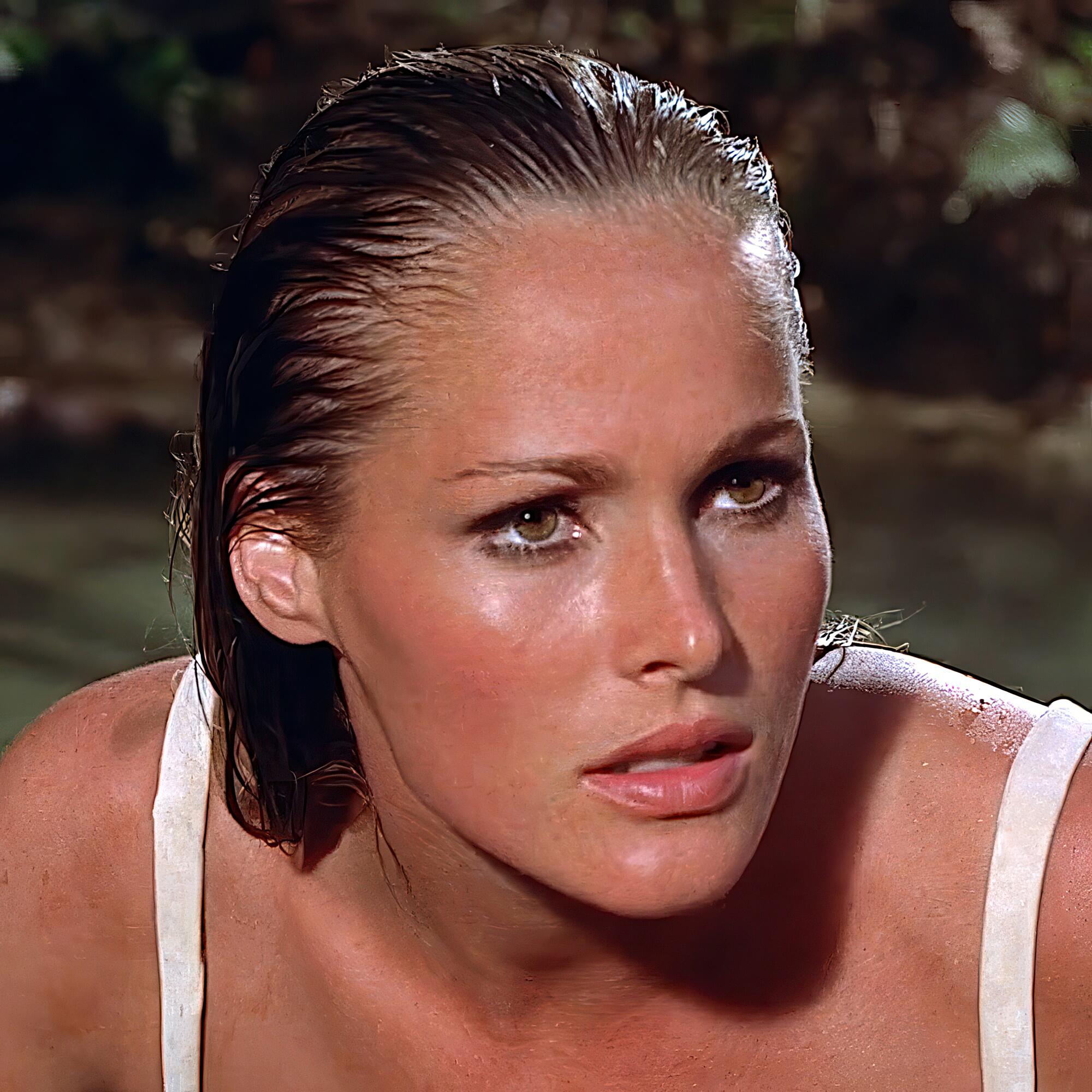
Equally celebrated is Ursula Andress as Honey Ryder. Her entrance from the Caribbean sea—knife on her hip, clad in the now-iconic white bikini designed by Tessa Prendergast — became a defining image of 20th-century cinema. It catapulted Andress to global fame and essentially invented the “Bond Girl” archetype. The bikini scene sparked a fashion revolution, resulting in a surge of bikini sales across Europe and the U.S., and solidifying the film’s cultural imprint. Though her role is limited by modern standards, Andress brought strength, sensuality, and mystique to Honey, helping to shape the now well-established Bond Girl archetype.
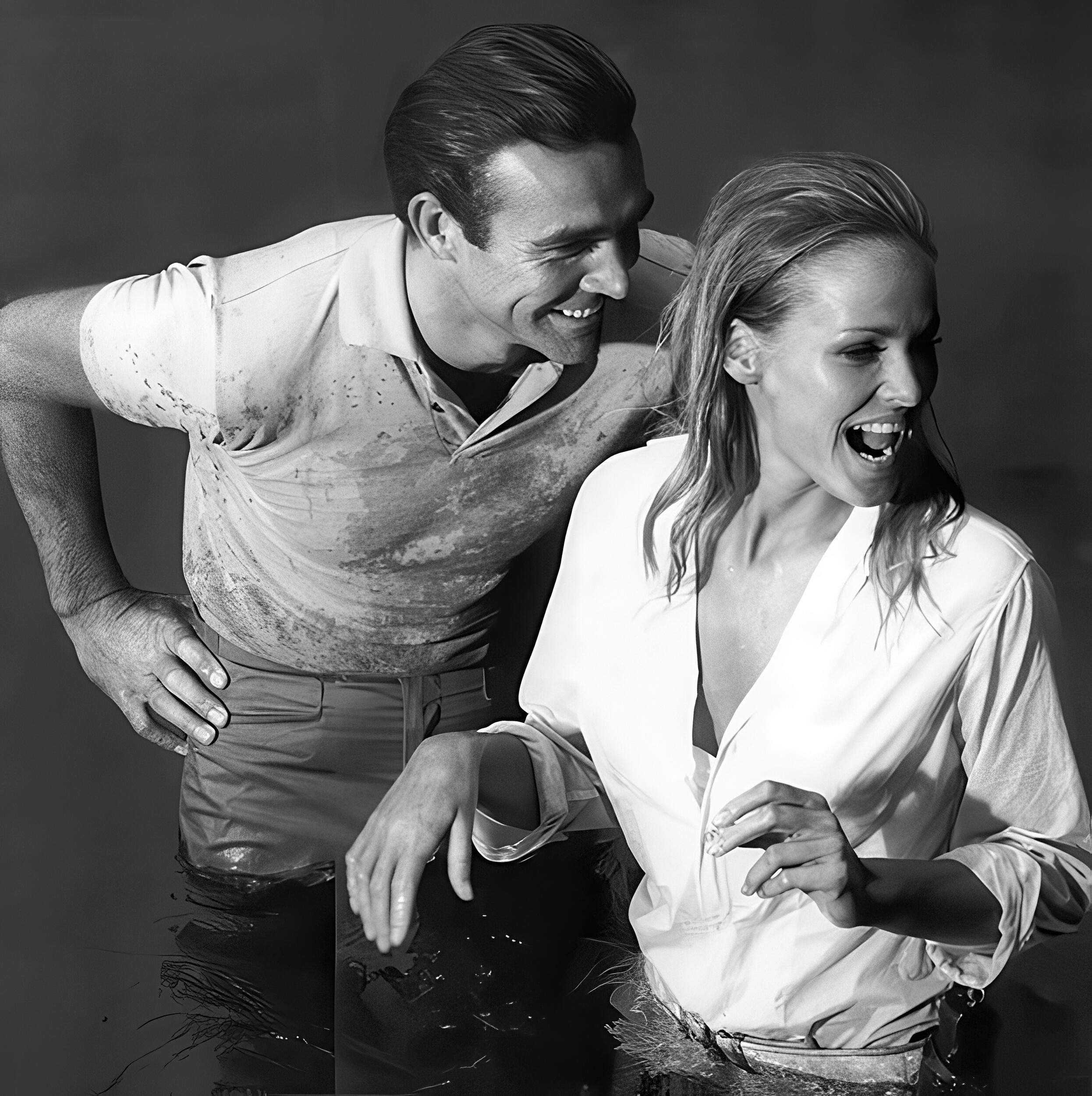
Her performance—and the visual of her emerging from the surf—sparked global fascination and had a measurable cultural impact, influencing fashion, pop culture, and perceptions of on-screen femininity.
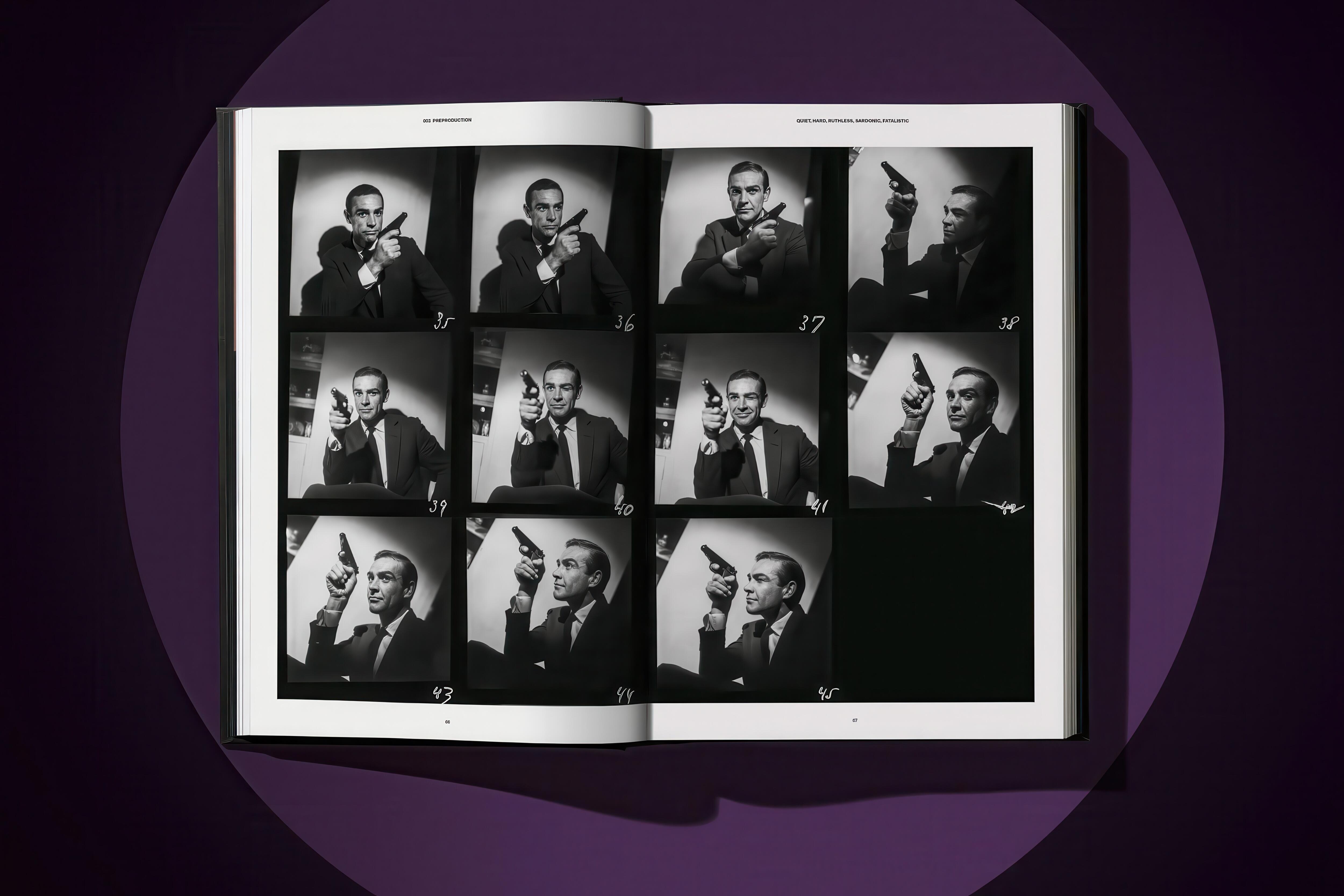
Much has been written about Sean Connery’s now-legendary portrayal of Bond, but TASCHEN’s book dives deeper, presenting original publicity materials and on-set photographs that capture his transformation in real time. Connery’s Bond isn’t just a character—it’s a fully inhabited performance. From his first utterance of “Bond, James Bond,” he exuded charm, confidence, and danger in equal measure.
Ken Adam & Terence Young: Visionaries Behind the Scenes
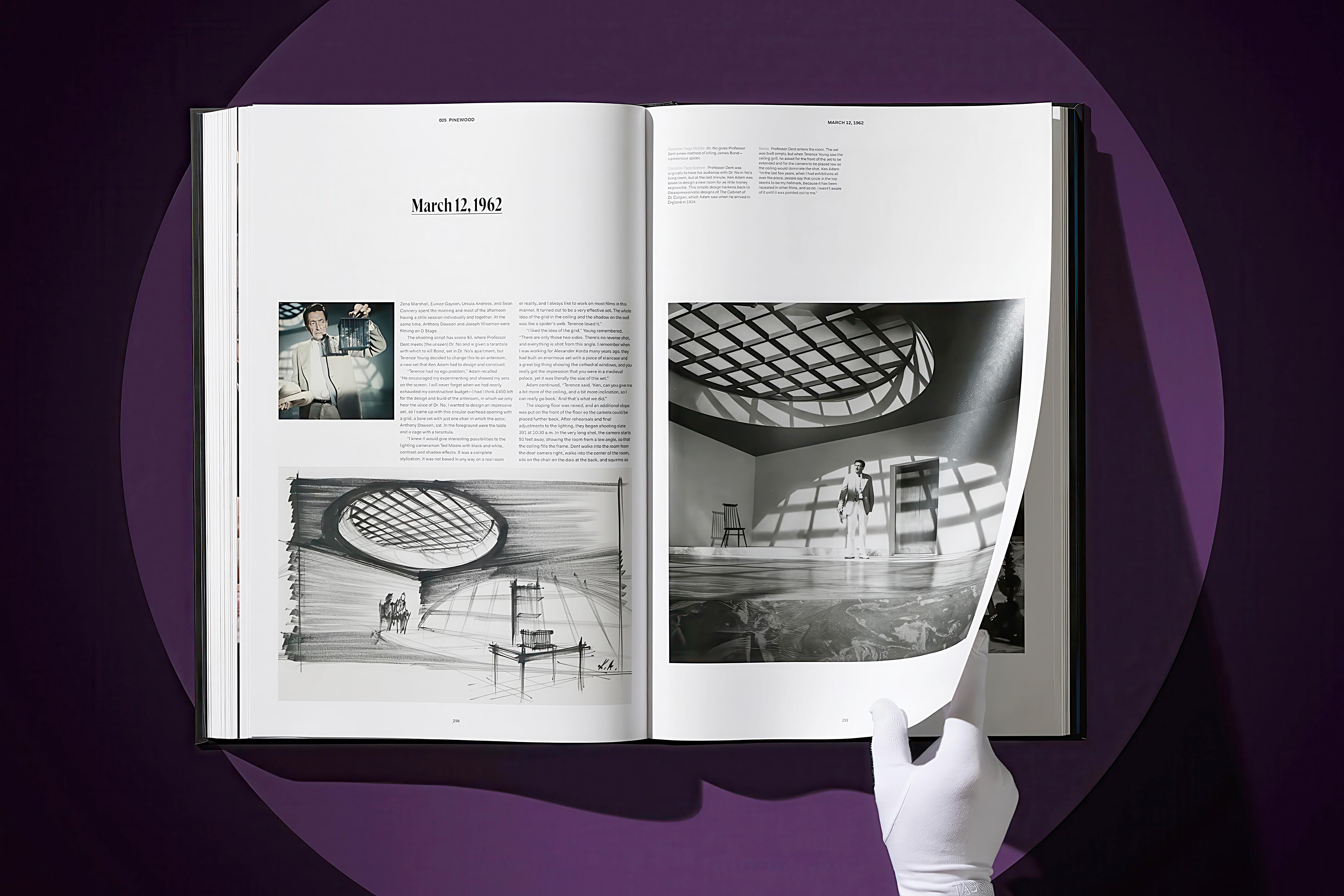
The contributions of Ken Adam and Terence Young cannot be overstated. Adam’s modernist and futurist sets—executed under tight constraints—gave Dr. No a visual identity unlike anything else at the time. Whether the towering steel interiors of Dr. No’s base or the menacing simplicity of his observation room, Adam’s work provided a visual vocabulary that would define Bond’s world for years to come.
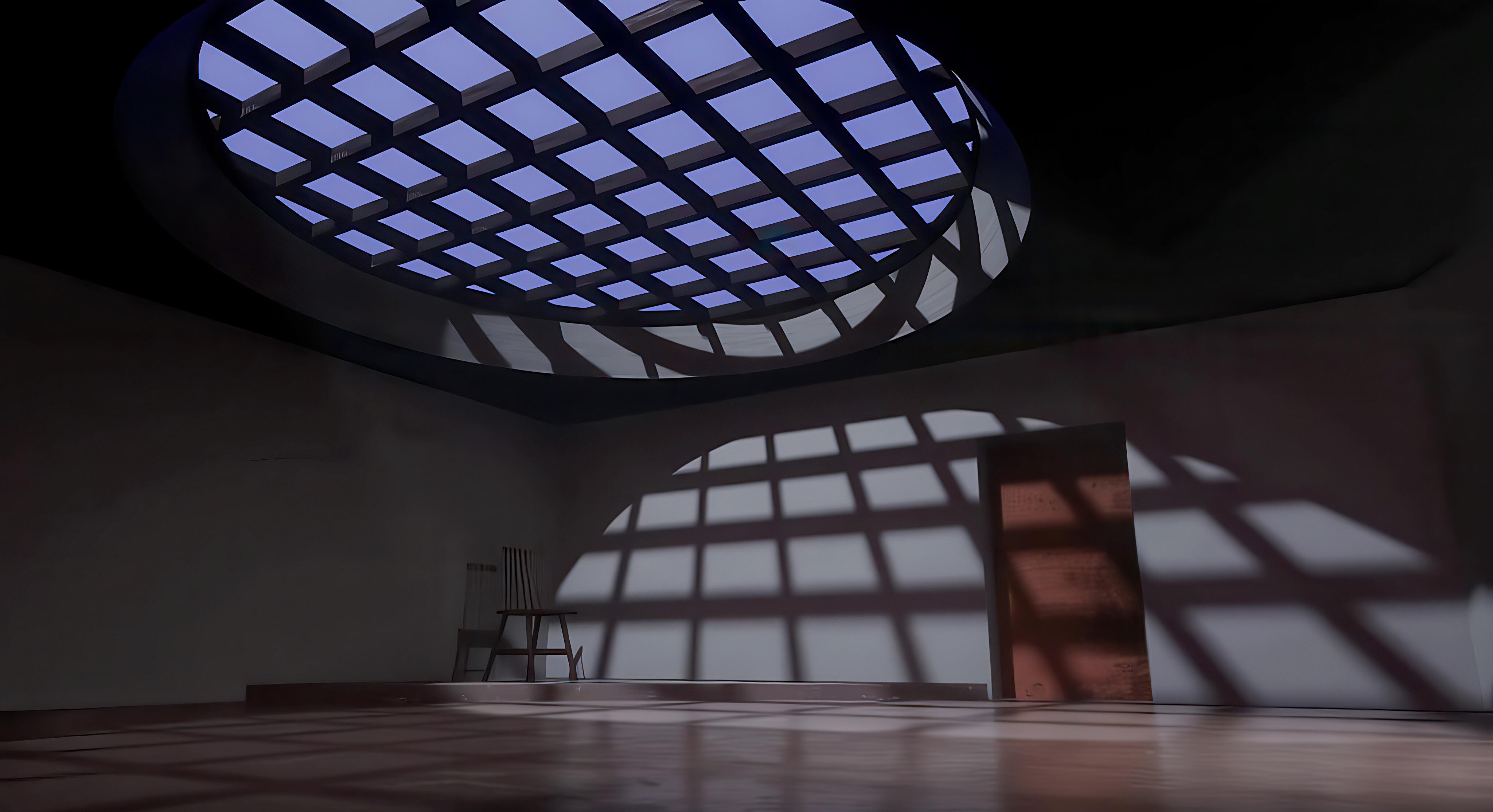
Young’s direction, meanwhile, wove it all together. He brought both elegance and grit to the production, ensuring the action felt grounded while the locations and dialogue retained Fleming’s pulpy, international appeal. Together, Young and Adam created a cinematic world that was sleek, immersive, and unmistakably Bond.
A Cultural Phenomenon
The cultural legacy of Dr. No cannot be separated from its commercial success. With a budget of approximately $1 million, the film grossed nearly $60 million worldwide, launching a franchise that now spans over two dozen films.
Released at the dawn of the 1960s, Dr. No was part of a cultural shift toward modernity, glamour, and international intrigue. It was a hit not just because of its plot or action, but because it captured a global mood—the Cold War tension, the fascination with technology, and a growing appetite for escapist fantasy wrapped in sophistication.
The film’s success laid the groundwork for a cinematic universe that would evolve with each decade while retaining the DNA planted in Dr. No: stylish danger, exoticism, dry wit, and the enduring appeal of James Bond himself.
It also redefined spy cinema. Before Dr. No, espionage films leaned toward realism or noir. After Dr. No, the genre embraced exotic locations, flamboyant villains, gadgets, style, and seductive danger. Everything from The Man from U.N.C.L.E. to Austin Powers owes a debt to this first Bond film.

TASCHEN’s Art Edition embraces this legacy fully. Through a carefully curated selection of never-before-seen photographs, script pages, concept drawings, and production notes, it reconstructs the artistic and cultural momentum behind Bond’s first appearance on screen.
Inside the Art Edition: A Monument to Bond
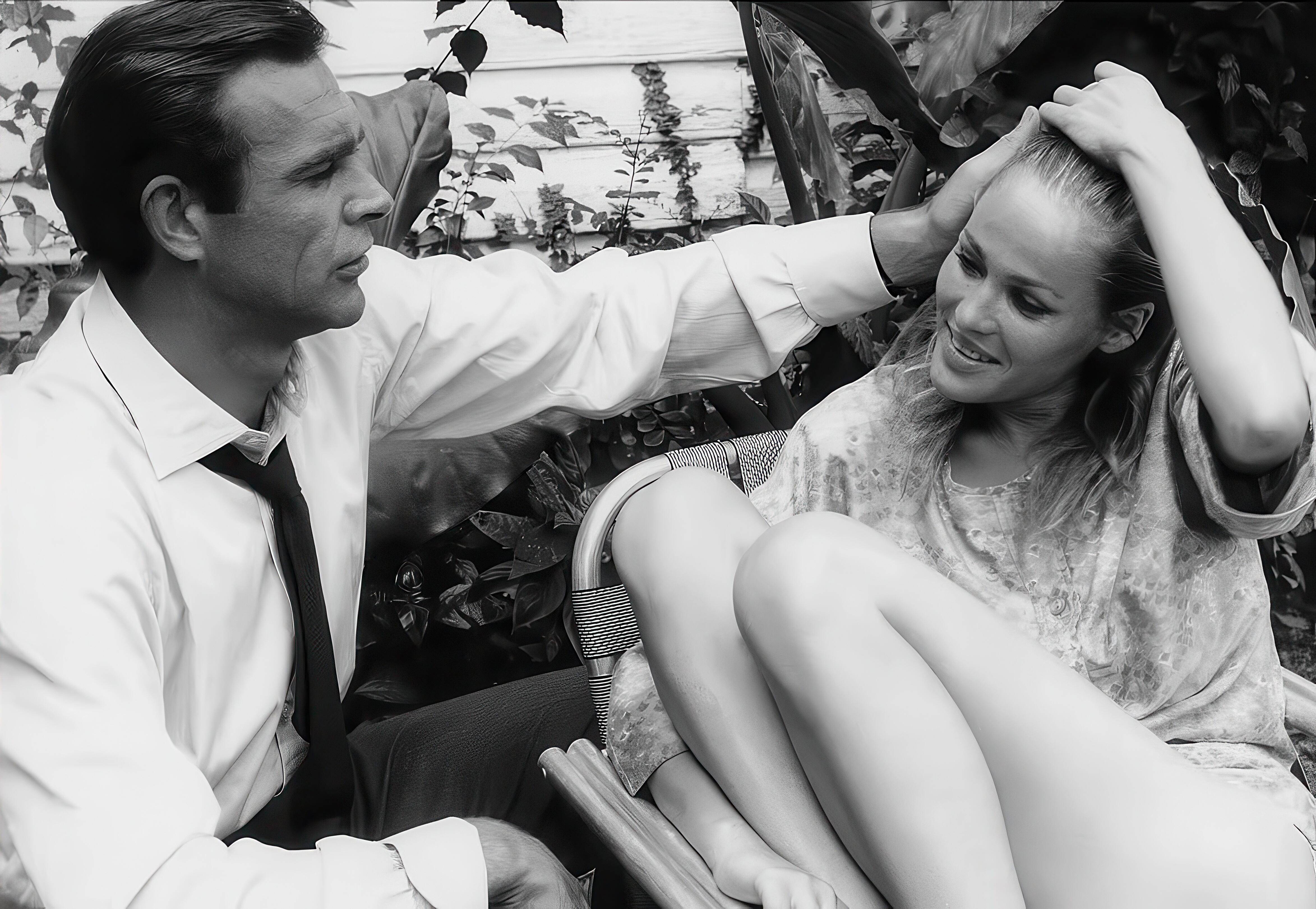
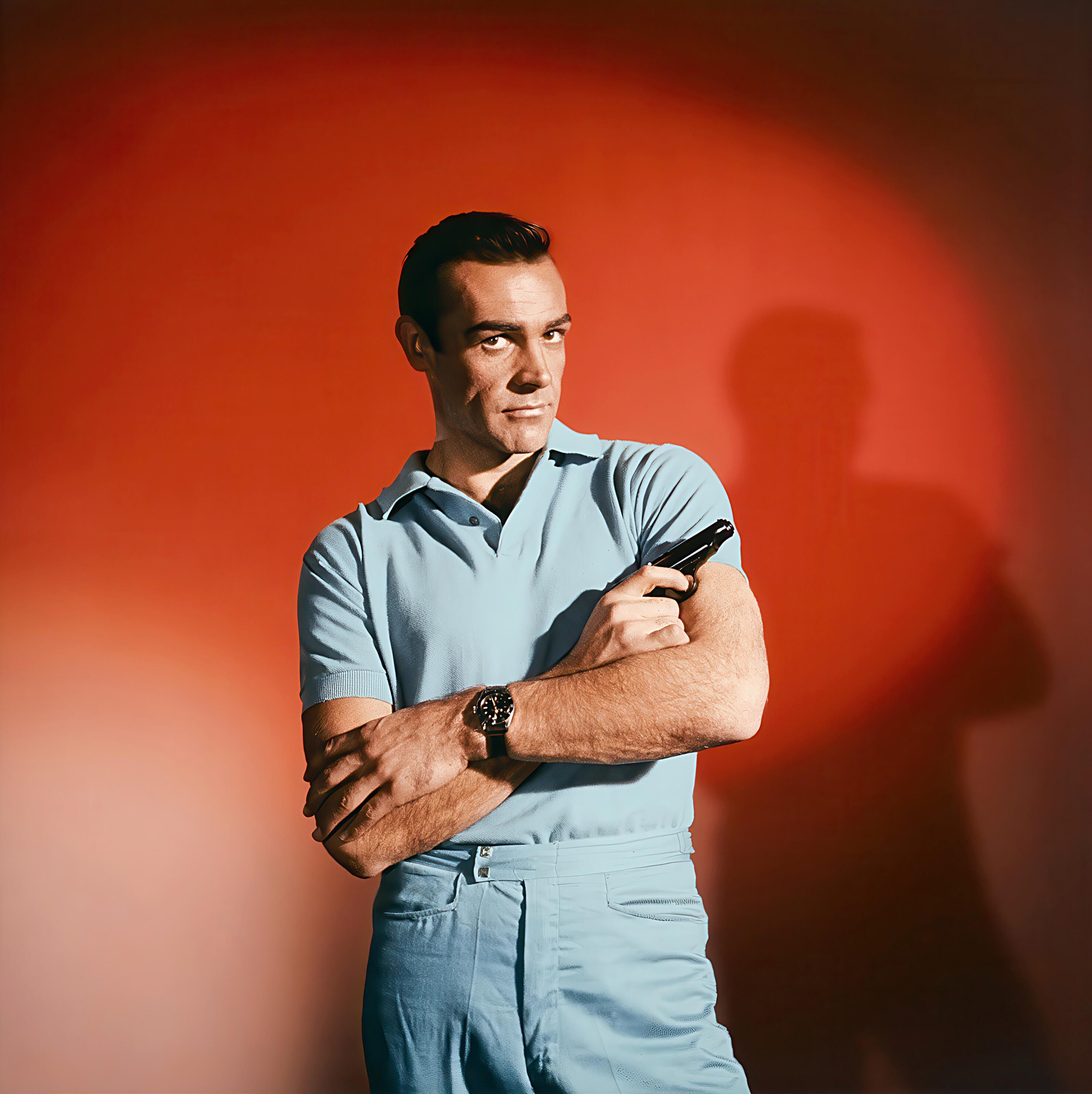
This exclusive Art Edition (No. 251–500) includes the collectible book housed in a luxurious slipcase, along with a framed ChromaLuxe dye sublimation print, Publicity Portrait, 1962 by Bert Cann—an iconic image of Sean Connery that captures the cool charisma of Bond’s debut. The print comes ready to hang in a museum-grade floating frame, making it not just a collectible, but a statement piece.
- Edition: English, Limited to 250 copies (Nos. 251–500)
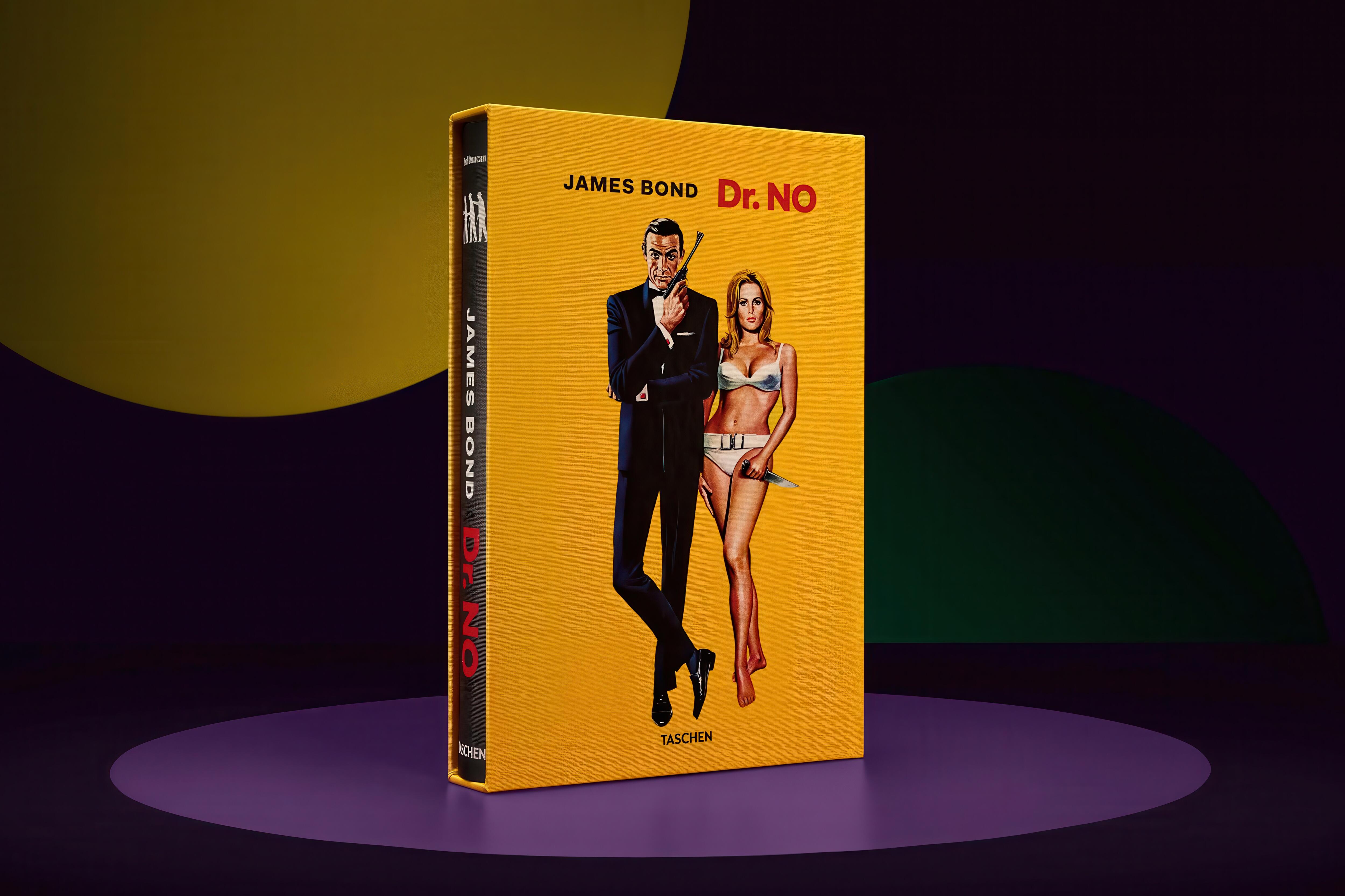
- Book: Hardcover in slipcase, 29 x 44 cm, 6 kg, 492 pages
- Art Print: ChromaLuxe aluminum panel with floating frame, ready to hang, 54 x 54 cm
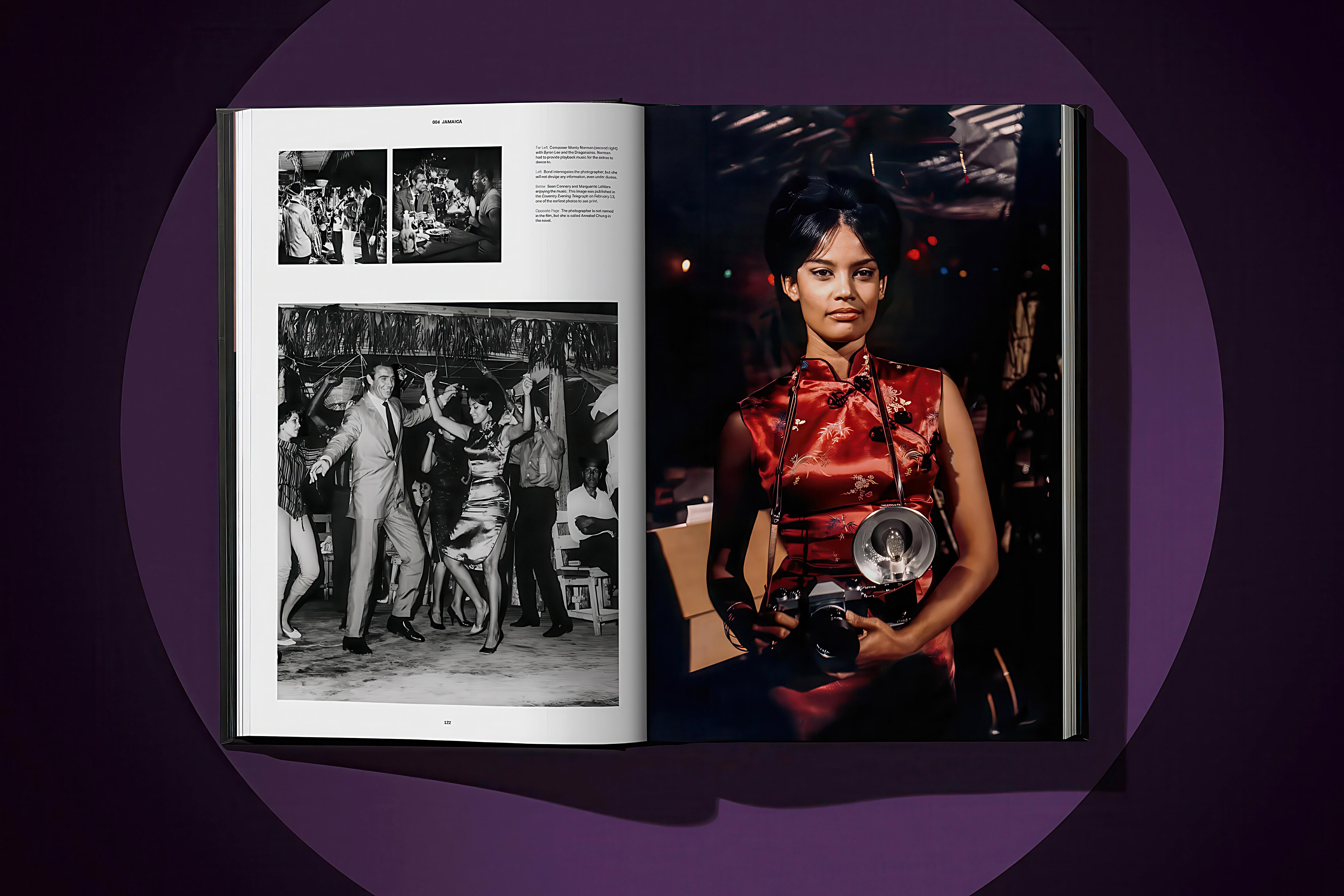
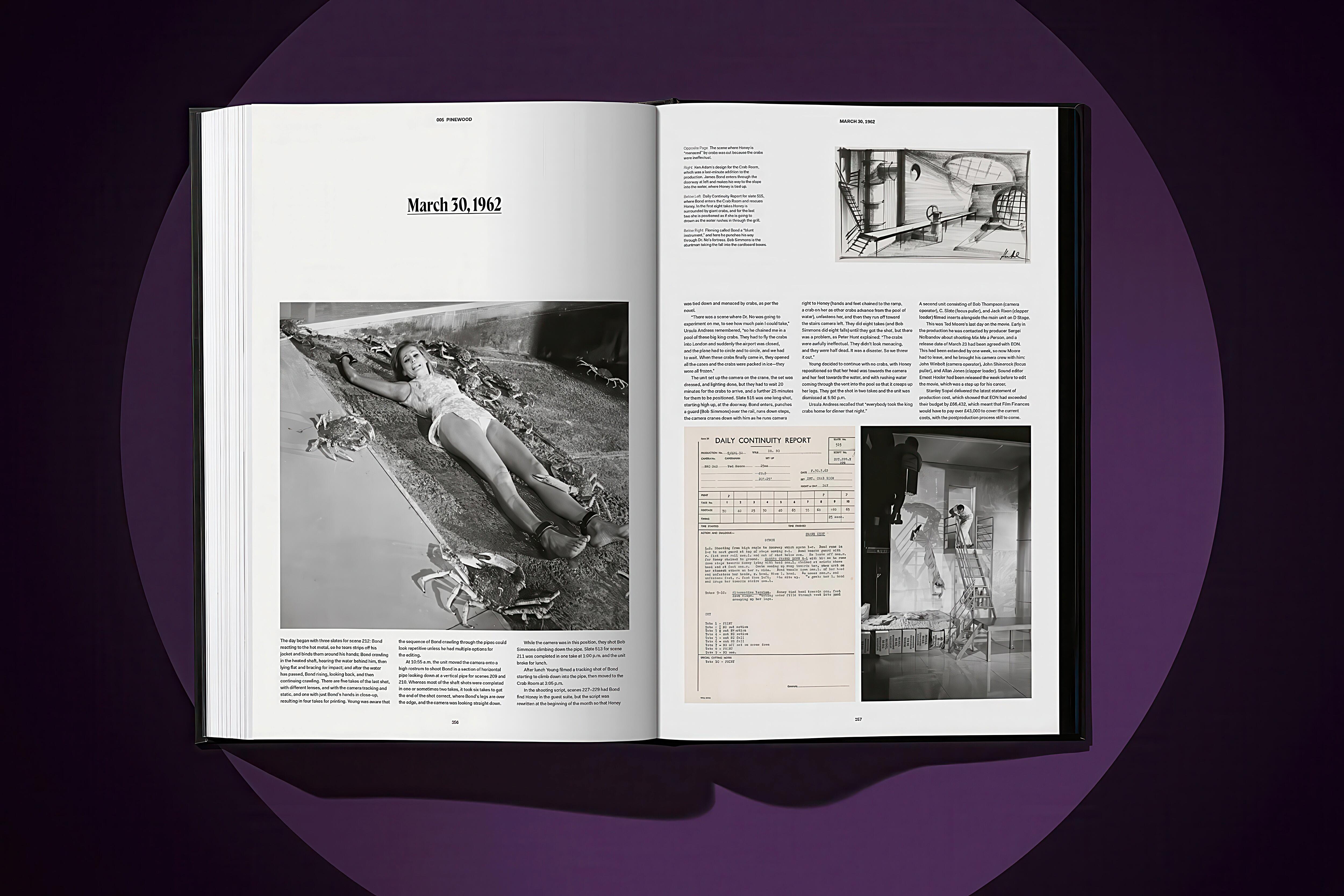
The accompanying 492-page hardcover book is immense in both size (29 × 44 cm) and scope. Edited by Paul Duncan, the book presents a day-by-day, behind-the-scenes account of the film’s production, drawing from EON Productions’ private archives. Duncan’s narrative is smartly structured, mixing detailed accounts of costume design, casting choices, set construction, and location scouting with high-quality visuals. The sheer density of rare material—contact sheets, memos, call sheets, promotional art—feels like stepping into a film historian’s private vault.
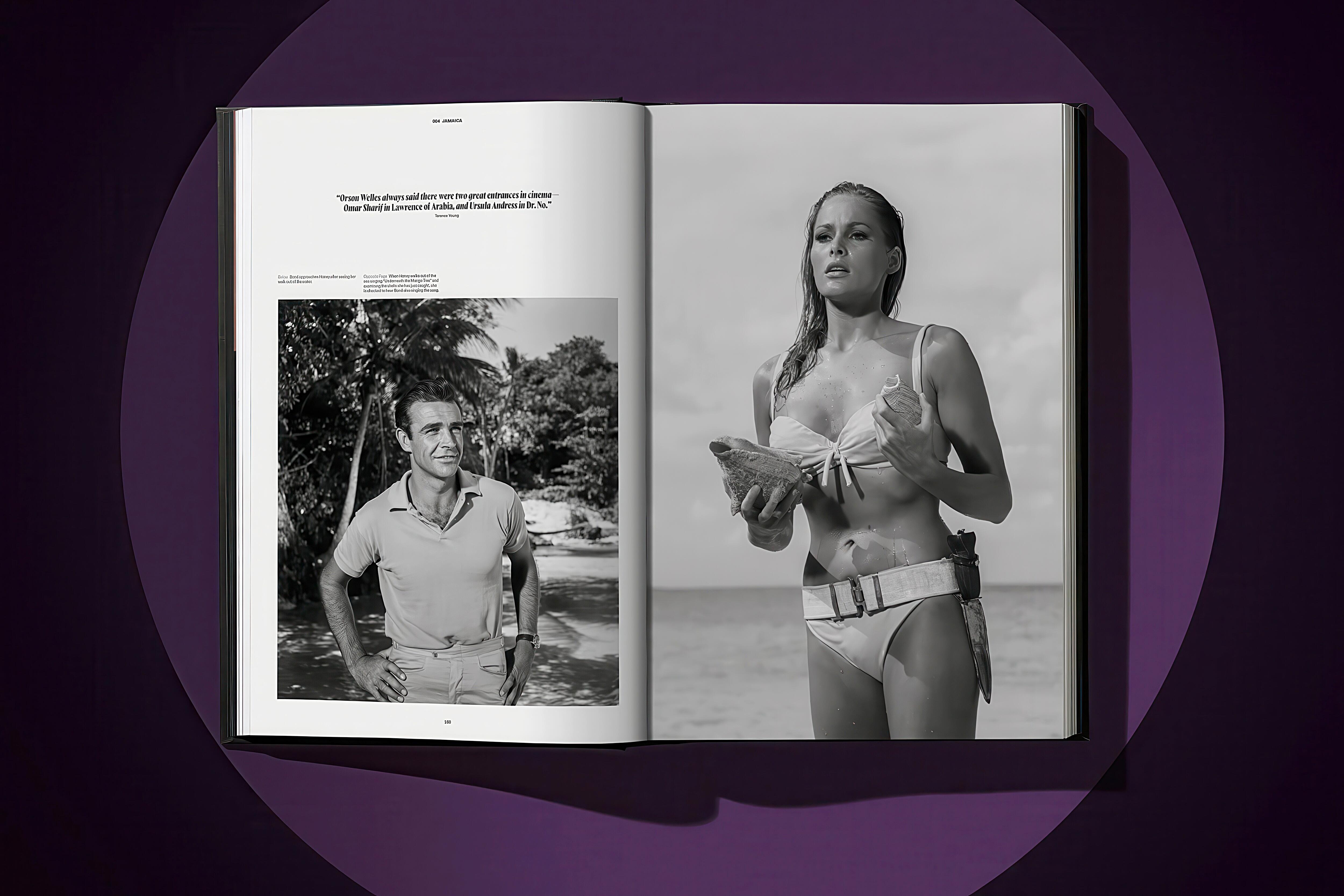
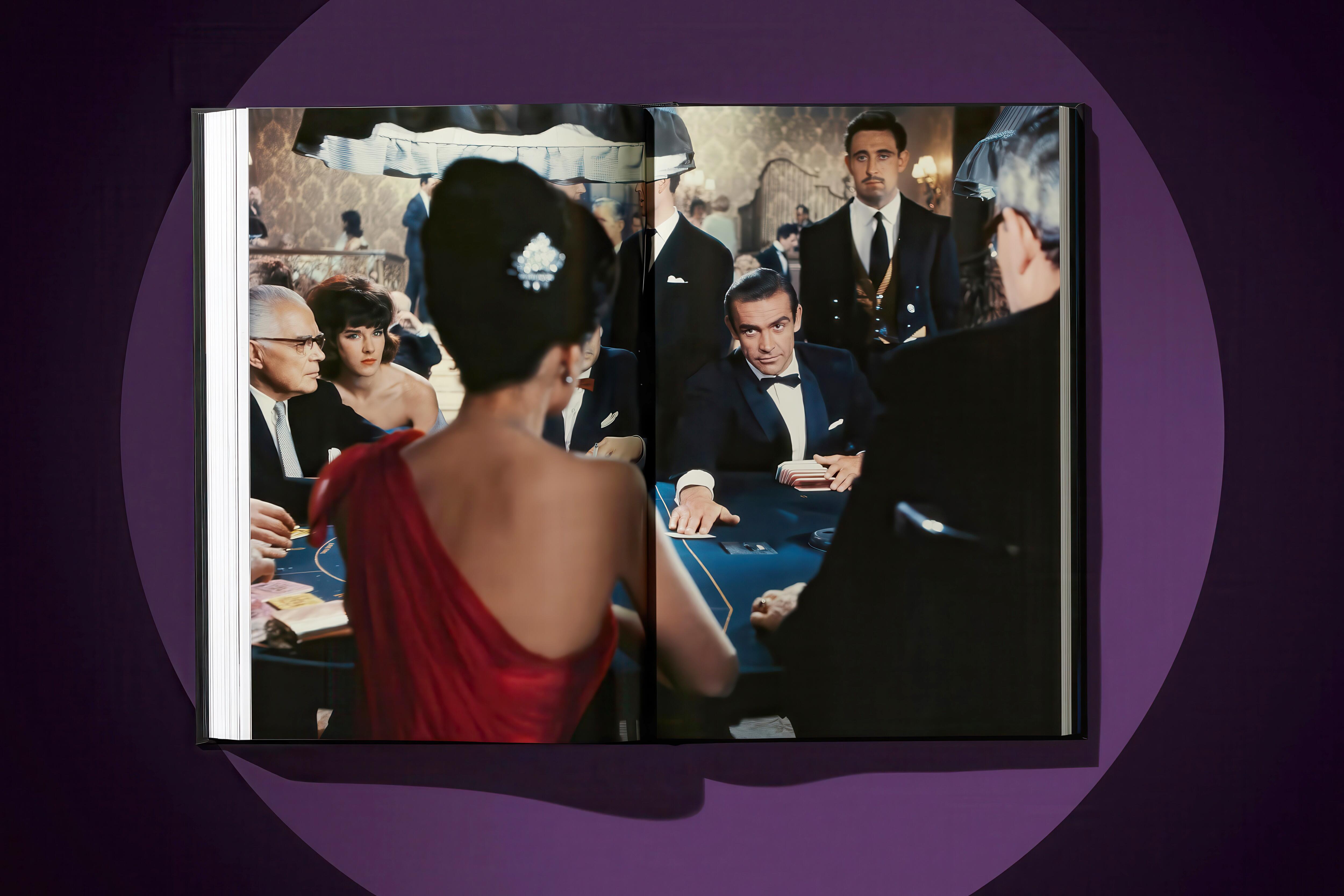
The print quality, as with all TASCHEN releases, is impeccable. Every photograph bursts with detail, and the layout design respects the visual integrity of each image. The balance between editorial depth and aesthetic presentation is masterfully handled.
Overview & Editions
This is one of two exclusive Art Editions (nos. 251–500), featuring a framed ChromaLuxe colour print—the iconic promotional portrait of Sean Connery as James Bond, taken on April 5, 1962 by Bert Cann. It’s the deluxe sibling to Art Edition 1–250 (“Bond, James Bond”) and comes with the same lavish hardcover volume: a 492-page slipcased book measuring approximately 29 × 44 cm and weighing around 6 kg
Content & Historic Value
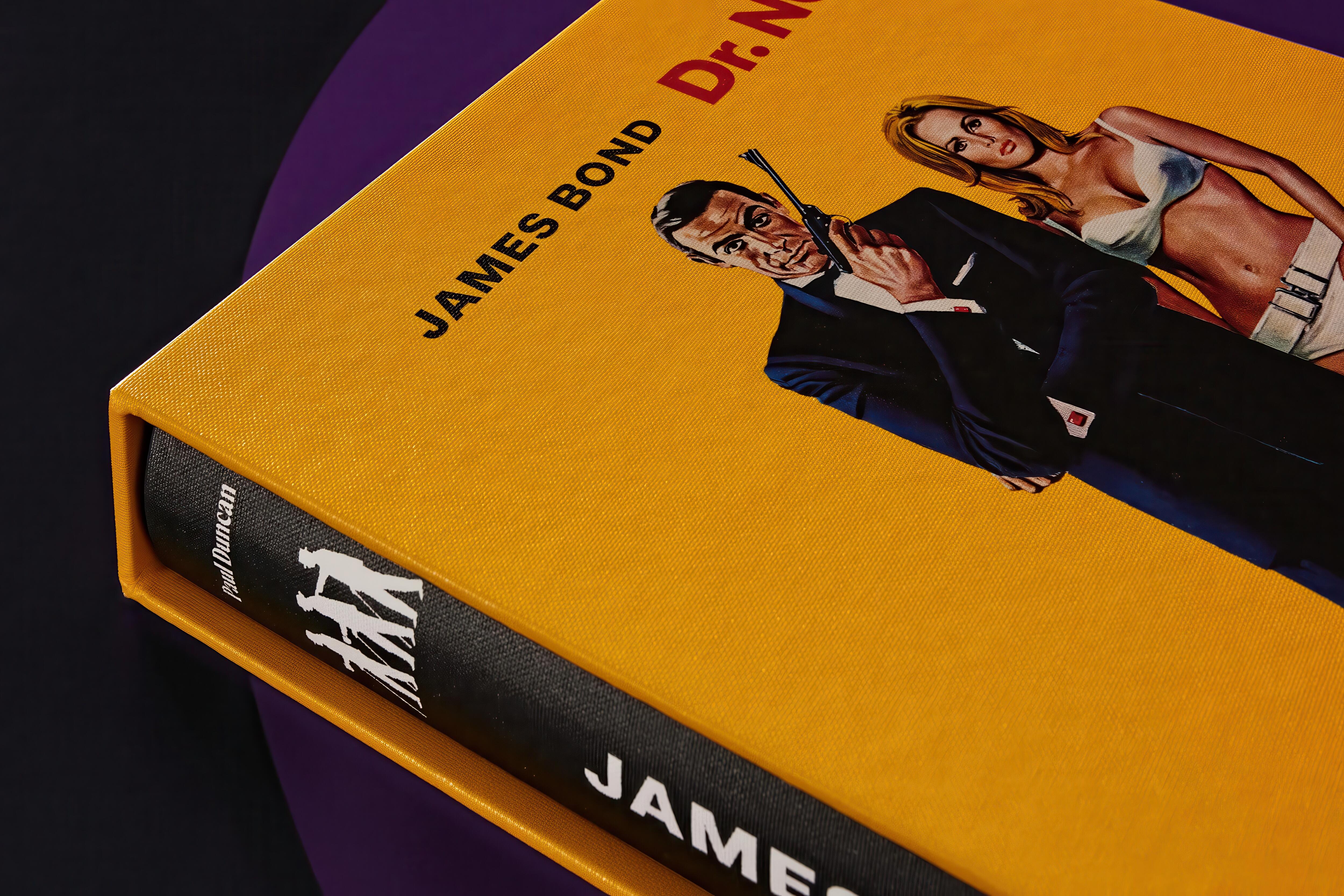
This edition represents perhaps the most comprehensive account of the making of Dr. No, drawing on unrestricted access to EON Productions’ archives. With over 1,000 images—many previously unseen—alongside memos, production drawings, posters, scripts, and day-by-day production diaries, it offers immersive, behind-the-scenes storytelling. Lavish spreads cover producers Albert “Cubby” Broccoli, Harry Saltzman, director Terence Young, production designer Ken Adam, and key cast and crew

The Definitive Tribute to 007’s Origins
TASCHEN’s James Bond. Dr. No. Art Edition No. 251–500 is more than just a book—it’s a celebration of cinema, design, and cultural evolution. It encapsulates everything that made Dr. No groundbreaking: Connery’s electrifying debut, Andress’s unforgettable presence, Adam’s visionary sets, Young’s sleek direction, and the birth of the modern blockbuster.
For collectors, Bond enthusiasts, or anyone fascinated by the inner workings of iconic cinema, this edition offers not just an in-depth archive, but a beautifully crafted tribute to the moment James Bond first stepped onto the screen—and into legend.

The Perfect Companion Edition - The Ken Adam Archive, hand-signed by Sir Ken Adam
Visionary, innovator, and cinematic legend—Sir Ken Adam redefined the look of modern film. From the war room in Dr. Strangelove to the iconic villain lairs of James Bond, Adam's bold, futuristic style left an indelible mark on cinema.
This stunning Collector’s Edition celebrates his extraordinary career with unparalleled access to his creative archive, including original sketches, concept art, and behind-the-scenes photographs from the collection of the Deutsche Kinemathek. Presented in a luxurious large-format volume and hand-signed by Sir Ken Adam, this edition offers a rare window into the imagination of one of film’s most influential production designers.

Please browse our full selection of prestigious Taschen Books here
Kudos Memorabilia – Your trusted source for authenticated movie props, scripts, and collectibles.
Be sure to check out our full collection of original, authentic James Bond Memorabilia here. And don't forget to read our other James Bond posts for more exciting 007 memorabilia and news:
- Pierce Brosnan and the Next Bond Film: Rumours, Legacy & Collectibles
- James Bond Film Posters: Explore the Evolution of Iconic 007 Artwork
- James Bond Little Nellie & You Only Live Twice UK Quad Poster Collectible