



The Career and Influence of Quentin Tarantino: A Cinematic Homage to Leone, Kung Fu, and Cult Classics
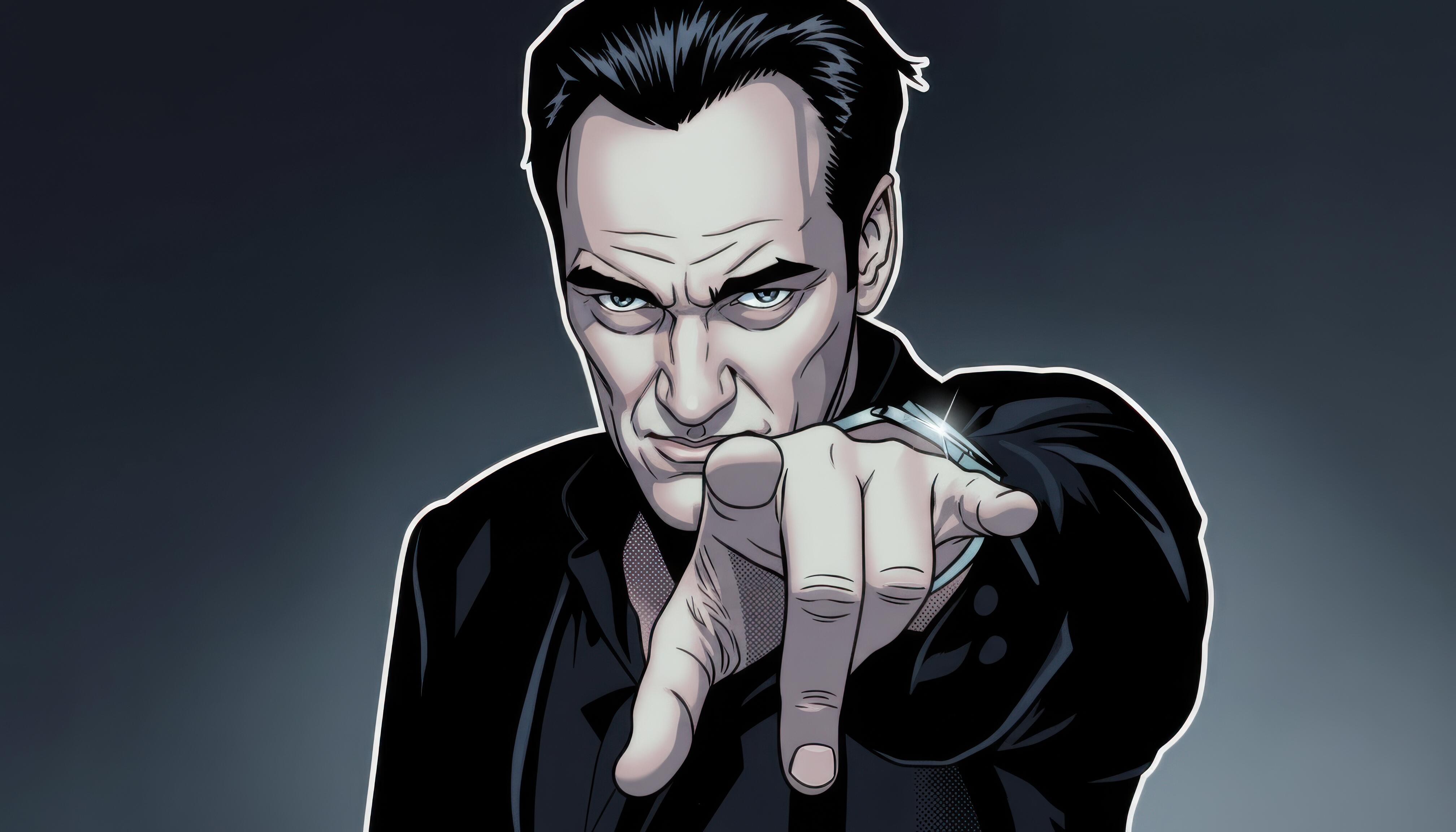
Few modern filmmakers have left as indelible a mark on cinema as Quentin Tarantino. Since bursting onto the scene in the early 1990s, Tarantino has consistently delivered films that challenge, entertain, and provoke, all while wearing his cinematic influences proudly on his sleeve. His love for genre cinema, particularly the works of Sergio Leone, classic Kung Fu films, and countercultural masterpieces like Easy Rider and Apocalypse Now, is deeply embedded in his storytelling, visual style, and character development—none more clearly than in his revenge epic, Kill Bill.
Early Career and Rise to Fame
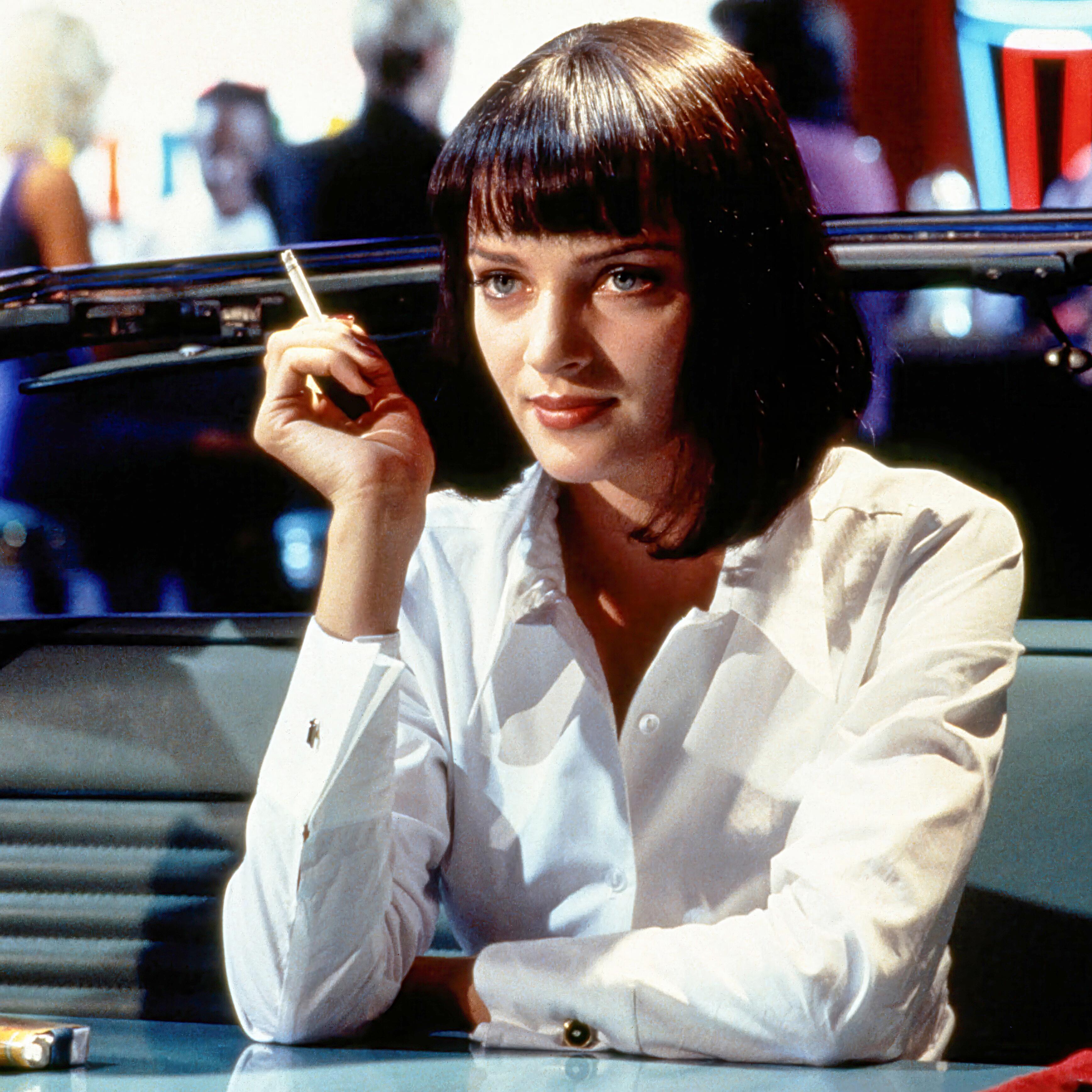
Tarantino began his film career as a video store clerk in Manhattan Beach, California. Immersed in a world of VHS tapes, he absorbed an encyclopedic knowledge of film history and genre. His breakthrough came with Reservoir Dogs (1992), a nonlinear, razor-sharp crime thriller that showcased his signature dialogue and love for stylized violence. With Pulp Fiction (1994), he not only cemented his place in the Hollywood elite but also redefined independent cinema, winning the Palme d'Or at Cannes and the Academy Award for Best Original Screenplay.
Over the years, Tarantino's eclectic body of work—from Jackie Brown to Inglourious Basterds, Django Unchained, and Once Upon a Time in Hollywood—has been marked by his obsessive attention to detail, musical choices, and cinematic homage.

Sergio Leone: The Master Who Shaped Tarantino
Among the many directors who influenced Tarantino, Sergio Leone, the Italian maestro of the Spaghetti Western, looms largest. Leone’s Dollars Trilogy, especially A Fistful of Dollars and A Few Dollars More, profoundly impacted Tarantino’s understanding of narrative rhythm, visual storytelling, and tension building.
Tarantino has frequently praised Leone’s ability to create suspense through silence, close-ups, and the use of music—techniques he incorporated into tense standoffs in The Hateful Eight and Inglourious Basterds. The stylized violence, the morally ambiguous characters, and the operatic scale of Leone’s films became cornerstones of Tarantino’s own directorial identity.

Leone’s collaborations with composer Ennio Morricone also taught Tarantino the power of music as narrative. This influence is clear in Tarantino’s curated soundtracks and culminated in Morricone scoring The Hateful Eight. Leone’s operatic approach to genre storytelling—epic, emotional, and timeless—resonates throughout Tarantino’s work, especially in his westerns Django Unchained and The Hateful Eight.
Ultimately, Tarantino doesn’t imitate Leone—he channels his language into a new cinematic voice, blending it with martial arts, pulp, and pop culture to create something both reverent and original.
Kung Fu Cinema: A Love Letter to the East
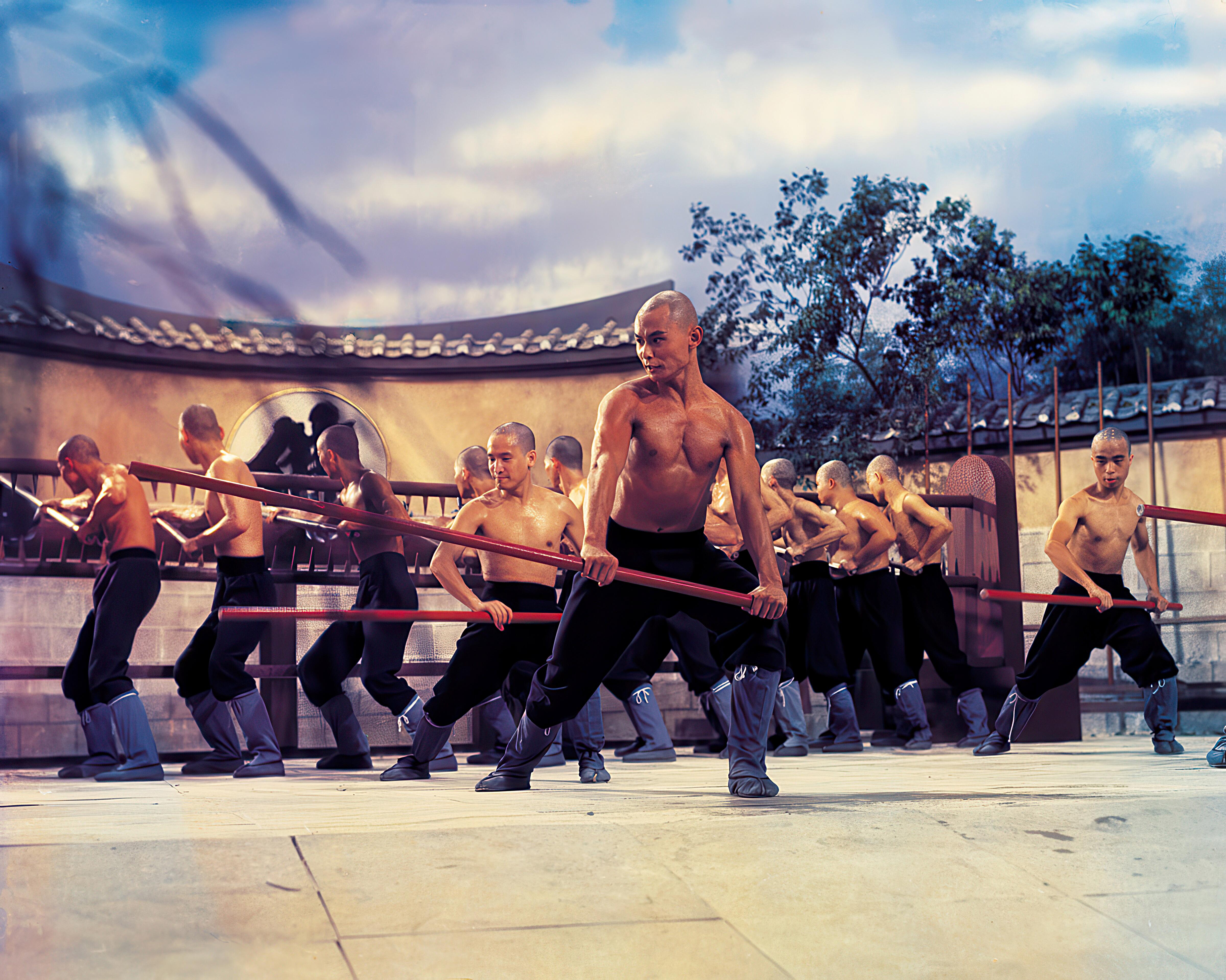
While many directors cite a few international influences, Quentin Tarantino is deeply embedded in the world of classic Kung Fu cinema—not as a passing phase, but as a lifelong passion. Growing up in Los Angeles in the 1970s, Tarantino was part of a generation that devoured martial arts films in grindhouse theaters and on late-night TV. His cinematic upbringing was filled with Shaw Brothers epics, Golden Harvest productions, and Hong Kong action cinema, which helped shape his understanding of movement, rhythm, and character.
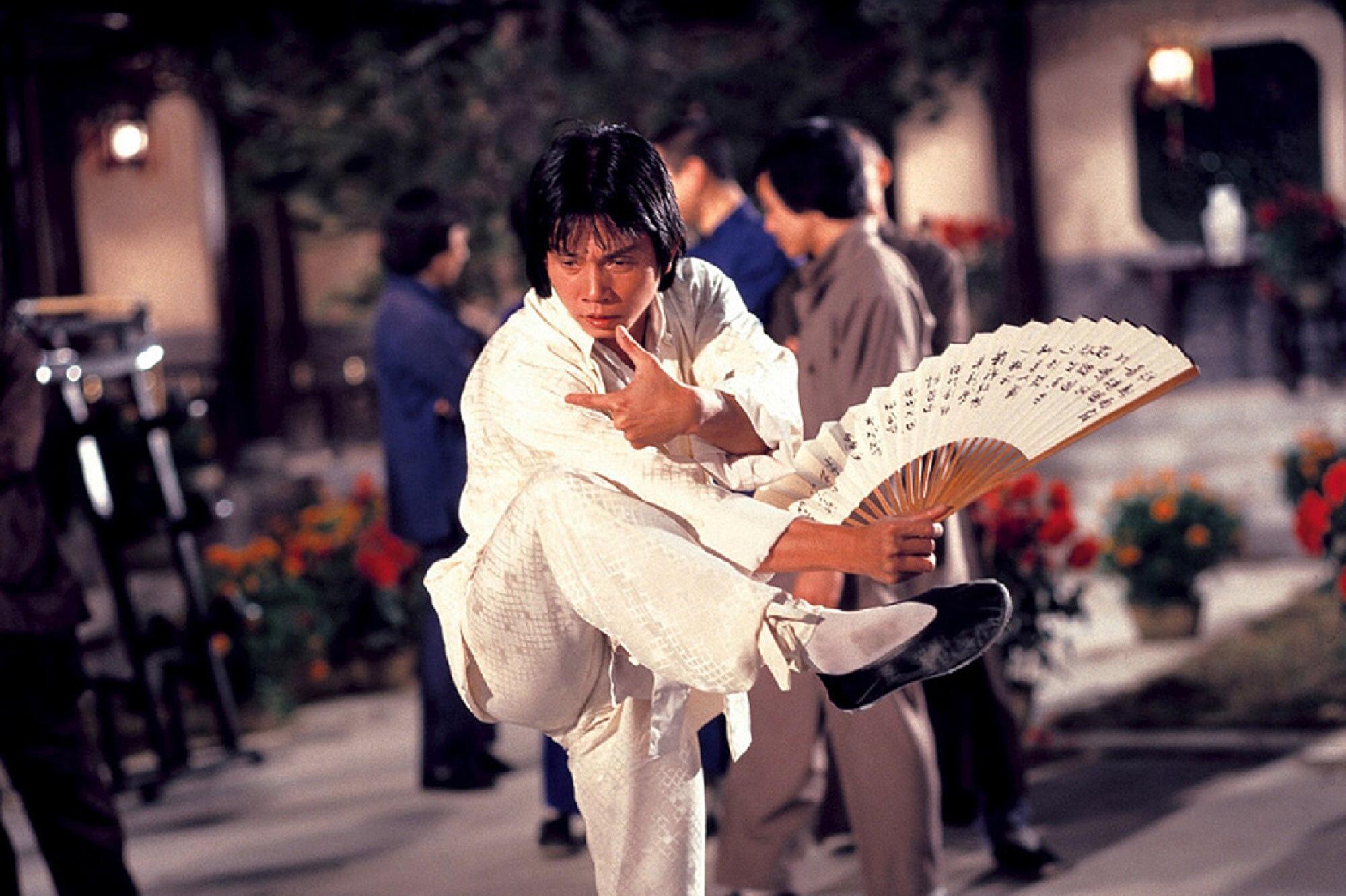
Tarantino’s reverence extends to directors like Lau Kar-leung, Chang Cheh, and King Hu, whom he credits alongside the likes of Sergio Leone and Brian De Palma. Films such as The 36th Chamber of Shaolin, Five Deadly Venoms, Come Drink with Me, and Crippled Avengers introduced him to storytelling centered on honor, revenge, betrayal, training, and transformation—core themes he would later build into his own scripts and characters.
But Tarantino’s love of martial arts films doesn’t stop with the classical period. He has also shown deep admiration for the modern evolution of Hong Kong action cinema, particularly the work of Jackie Chan, whom he once referred to as “the greatest physical performer since Buster Keaton.”
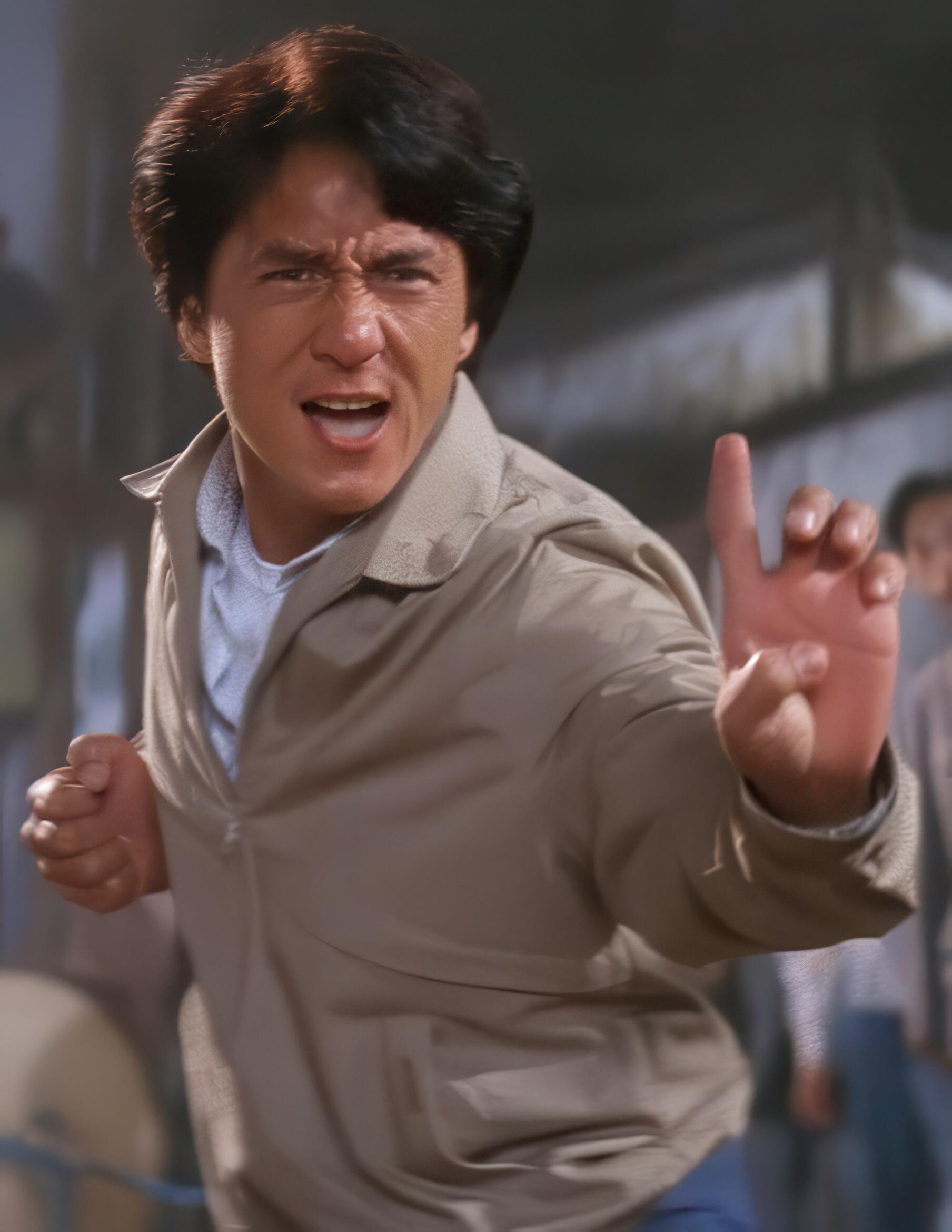
Tarantino and Supercop
Among Jackie Chan’s extensive filmography, Tarantino has singled out Supercop (1992)—also known as Police Story 3—as one of his favorite films of all time. He has frequently praised it in interviews and screenings, calling it: "The greatest action movie ever made!"
Supercop, directed by Stanley Tong, blends martial arts, practical stunt work, high-octane chases, and slapstick comedy. What impressed Tarantino most was its total commitment to physical storytelling. Jackie Chan, doing his own stunts, performs death-defying feats—jumping onto moving vehicles, sliding down a pole from a multi-story building, engaging in frantic close-quarters combat—all without CGI or doubles. For Tarantino, Supercop is the perfect convergence of realism and spectacle, something he has tried to capture in his own way through practical effects and real, physical choreography.
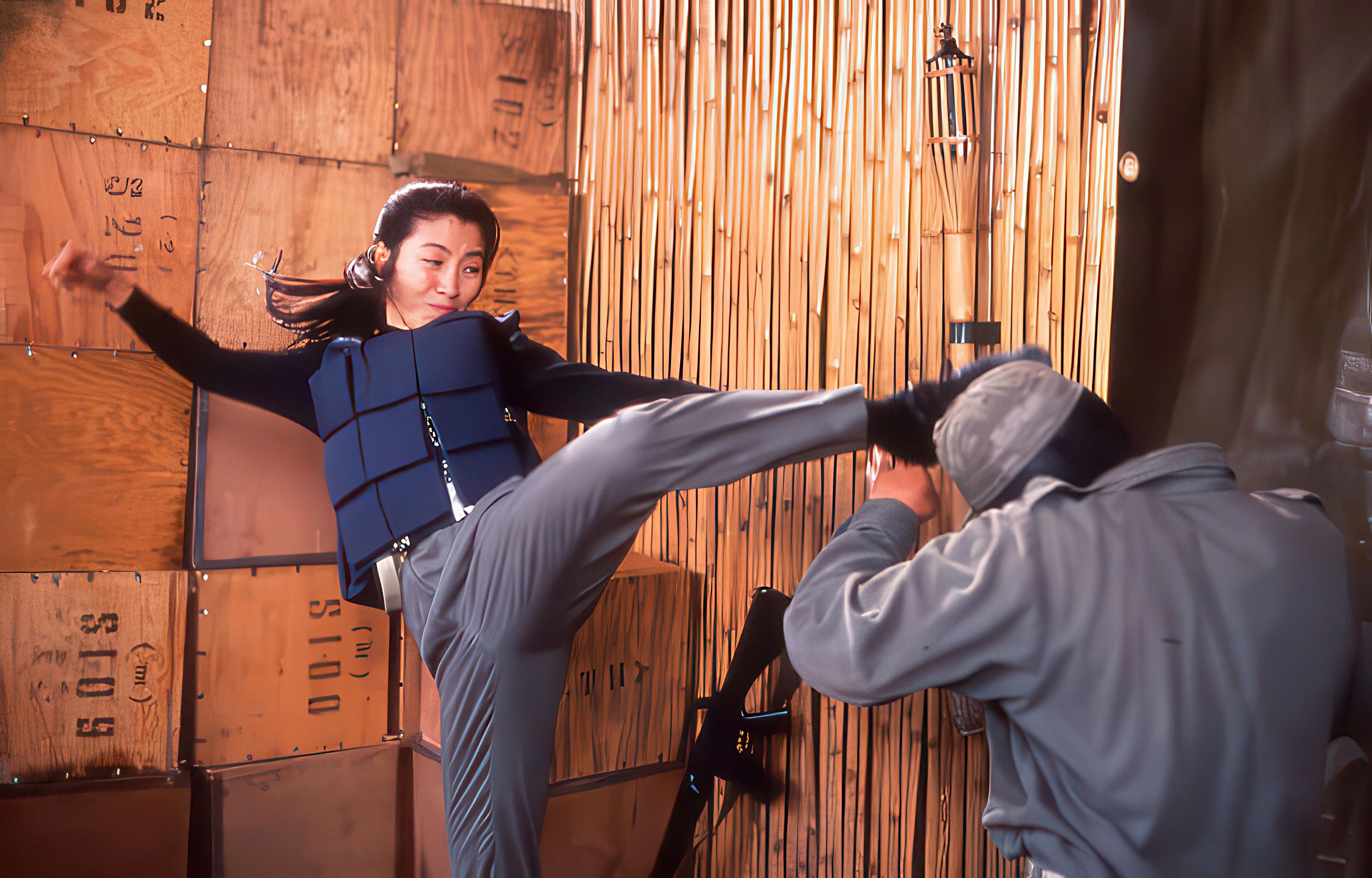
Where traditional Kung Fu cinema taught him about structure and discipline, films like Supercop taught Tarantino about energy, pace, and the dynamism of performance. He has said that while people often talk about martial arts choreography, Supercop shows that the star is the choreography. It's not just about fights—it's about how a performer moves through space, how momentum builds, and how the camera participates in the action rather than simply recording it.
Tarantino’s admiration for Supercop was so intense that he helped bring it to American theaters in 1996, when Miramax released a dubbed version under his endorsement. This helped introduce Chan’s style to a wider U.S. audience before the explosion of mainstream interest in Hong Kong cinema in the late ’90s and early 2000s.
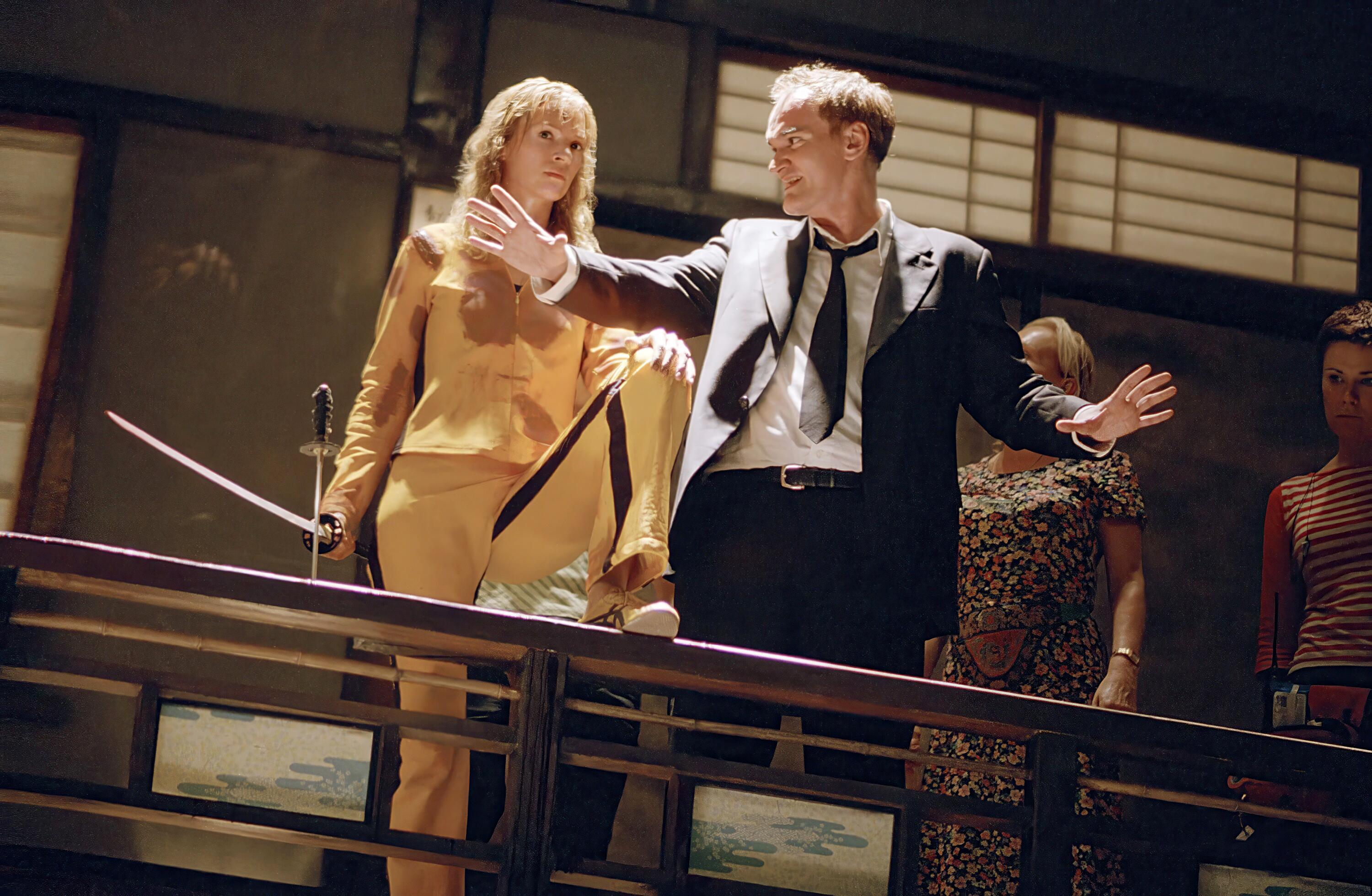
The DNA of Kung Fu Cinema in Tarantino's Work
Tarantino internalized both the classical and modern phases of martial arts cinema, integrating their influences into films like Kill Bill with remarkable depth:
Exaggerated stylization, such as sound effects and camera movement, drawn from Shaw Brothers traditions.
Philosophical arcs of training and rebirth, where characters are broken down and rebuilt through suffering, as seen in the Bride’s journey.
Innovative, practical stunt work and tight, kinetic choreography, akin to Jackie Chan’s approach in Supercop and Police Story.
A love of the fusion between martial arts and humor, something visible in Pai Mei’s playful but deadly demeanor.
Importantly, Tarantino doesn’t use these influences as surface pastiche. He reframes them through his own narrative sensibilities, emphasizing emotion, irony, and character motivation. In doing so, he ensures that his tributes to Kung Fu cinema—both old and new—aren’t just nostalgic gestures, but living, breathing components of modern cinematic storytelling.
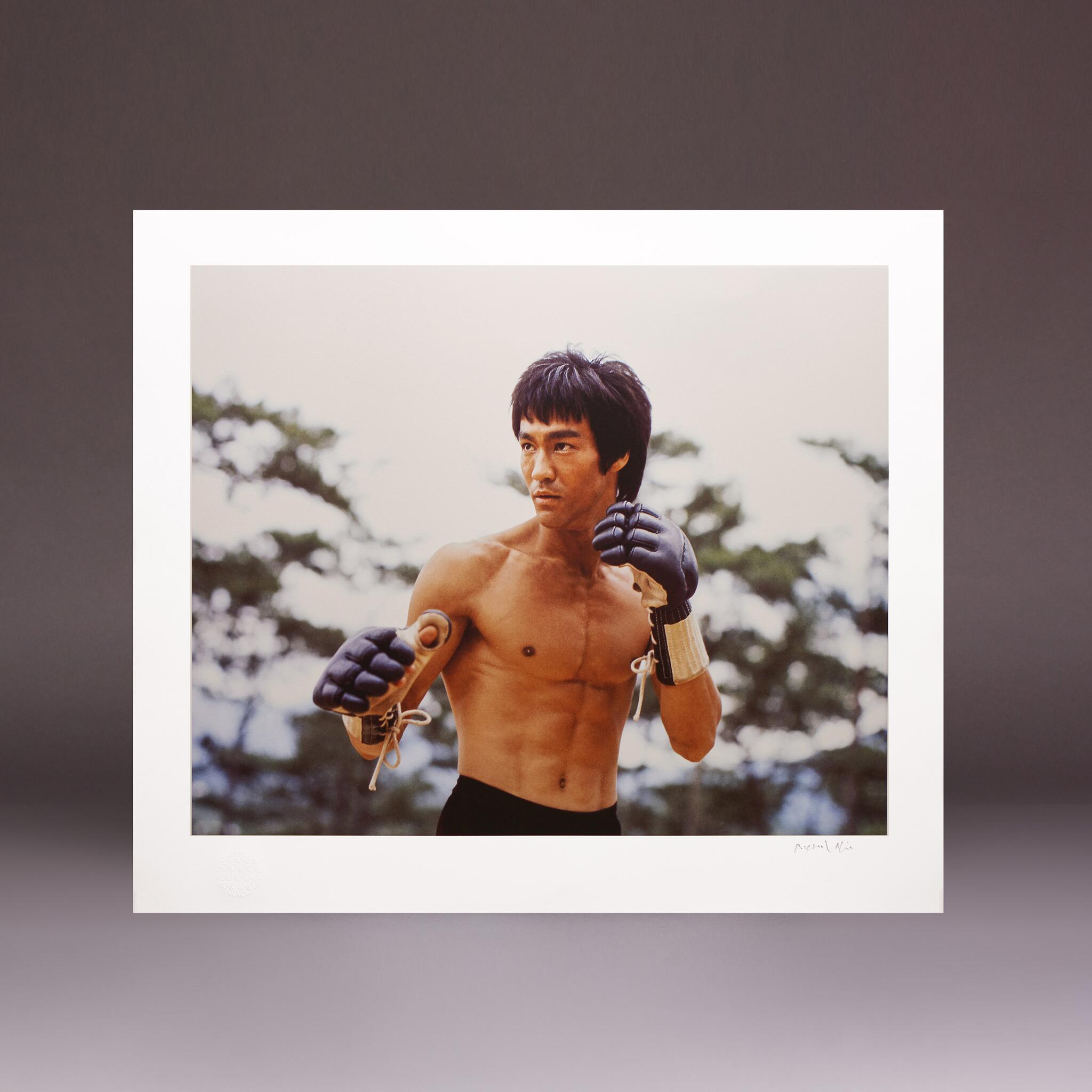
Quentin Tarantino and Bruce Lee: Admiration, Influence, and Controversy
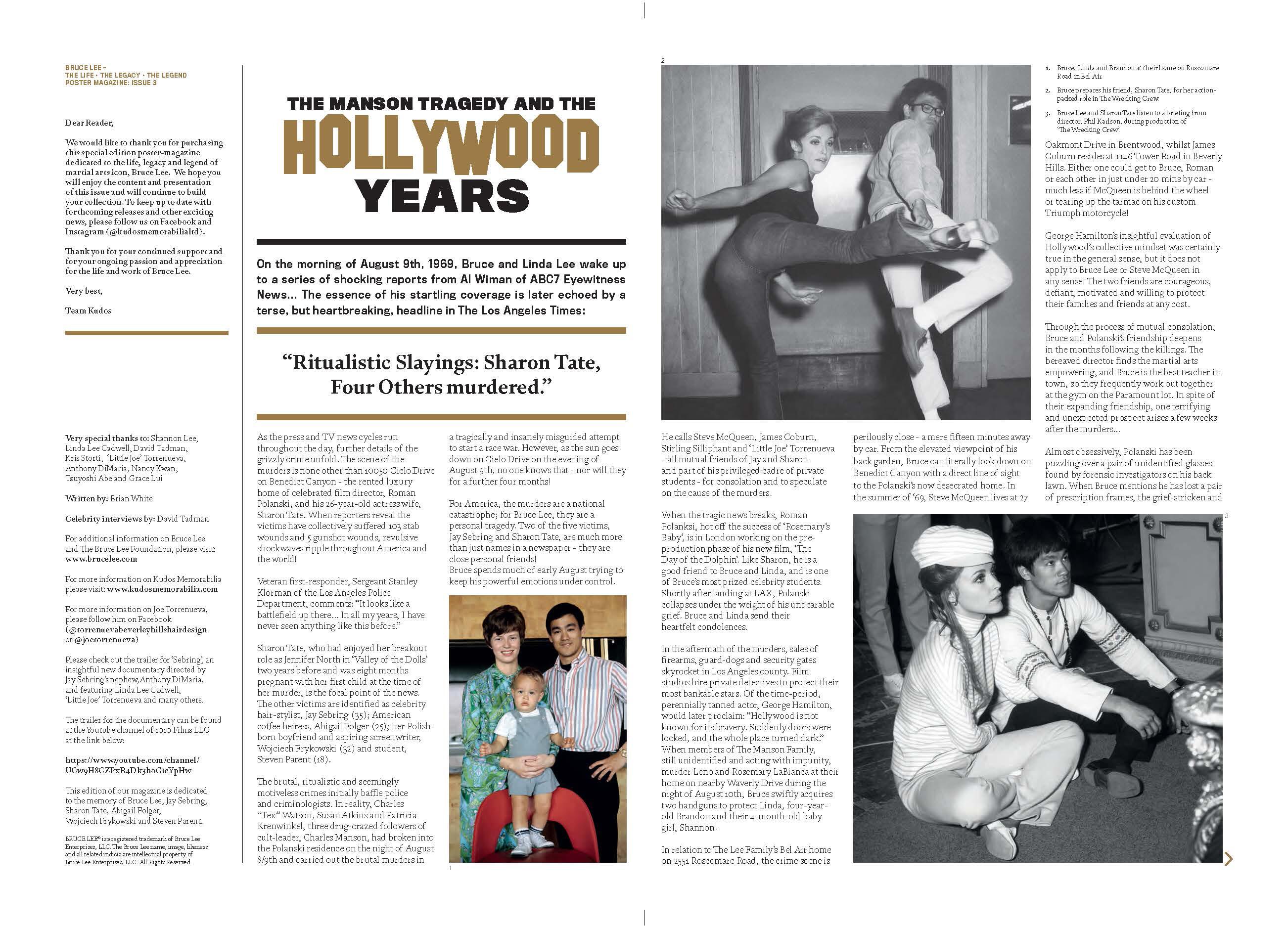
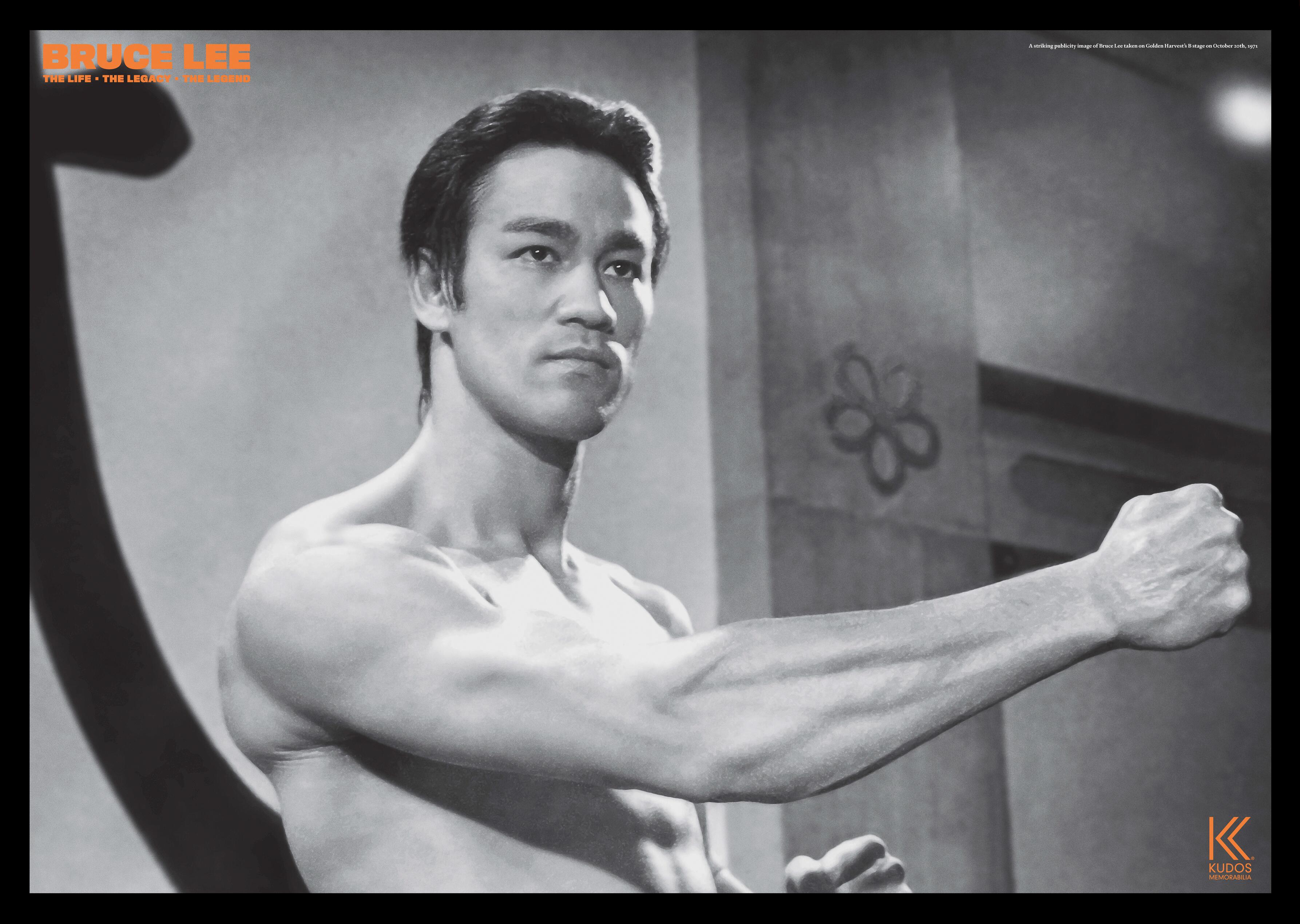
No discussion of Quentin Tarantino’s martial arts influences would be complete without addressing Bruce Lee, the most iconic martial artist in film history. Tarantino has long acknowledged Lee’s cultural and cinematic importance, but his relationship with Lee’s legacy is layered—marked by both homage and controversy.
Acknowledging the Legend
Tarantino has repeatedly expressed admiration for Bruce Lee as a trailblazer and a physical performer who changed the landscape of martial arts cinema:
“Bruce Lee is the greatest star of martial arts cinema ever. He made martial arts movies cool. He made them serious. He made them personal.”
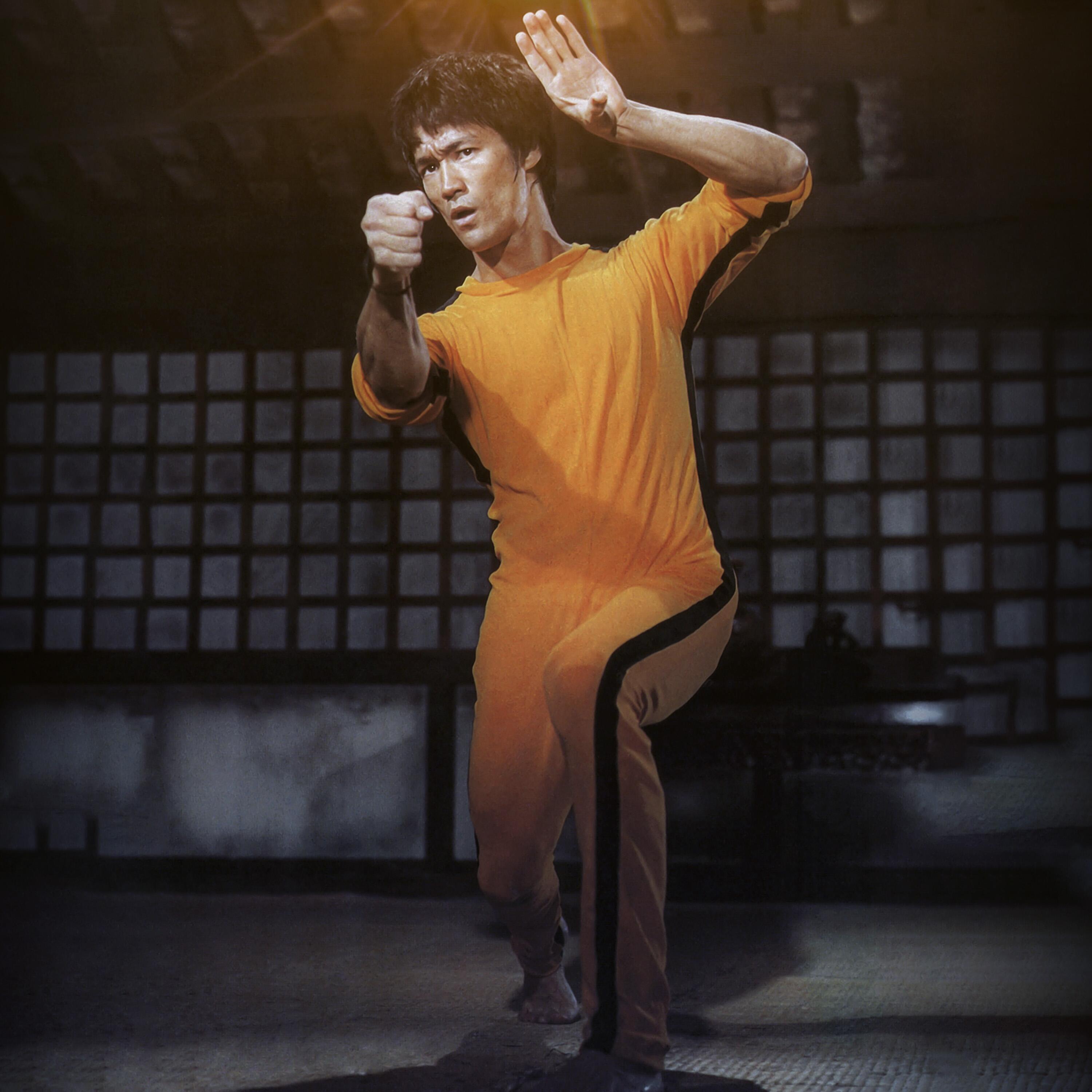
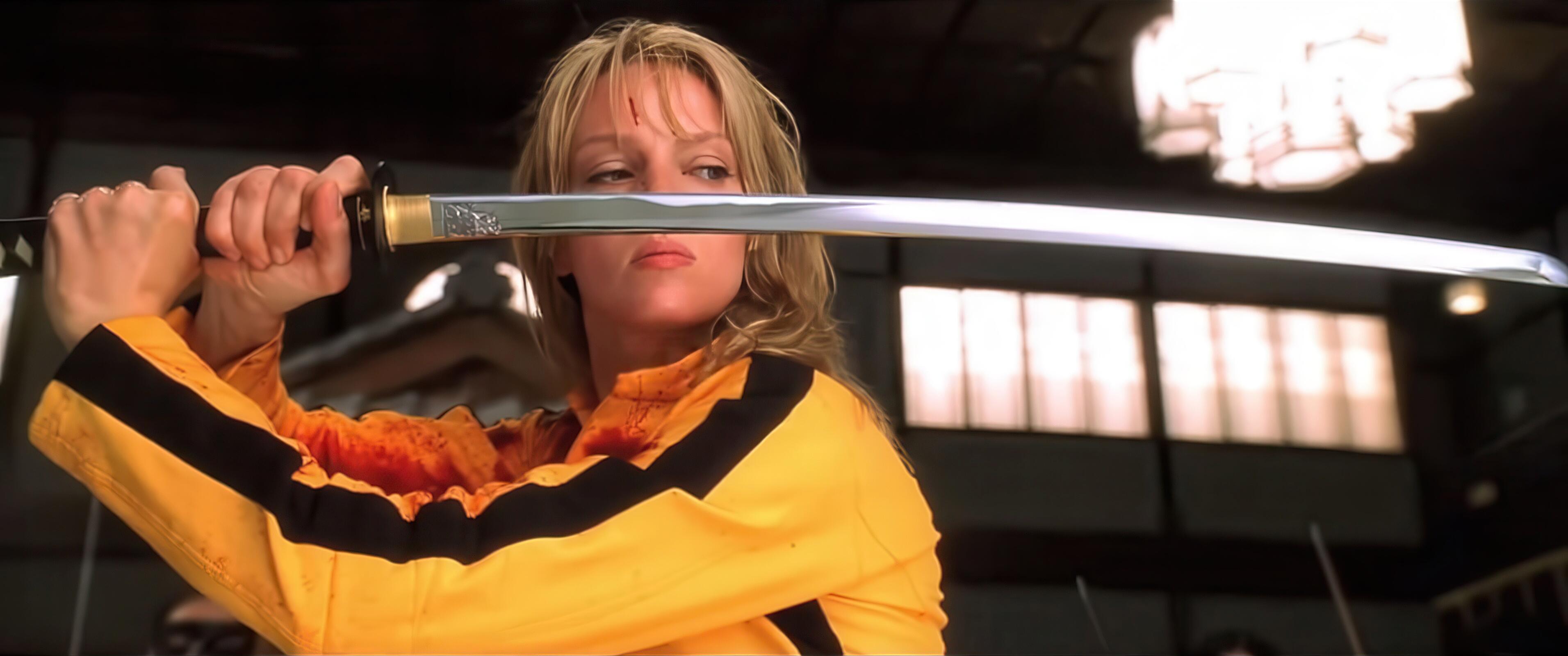
Tarantino grew up watching Bruce Lee classics like Enter the Dragon, The Way of the Dragon, and Fist of Fury. He was captivated not just by Lee’s physicality but by his aura—his screen presence, confidence, and charisma. Lee’s blend of Eastern philosophy and cinematic intensity inspired countless martial arts imitators, and Tarantino’s own characters—particularly in Kill Bill—reflect that influence. The yellow tracksuit worn by The Bride in Vol. 1 is a direct homage to Bruce Lee’s costume in Game of Death, symbolizing a lineage of martial arts vengeance that spans East and West.
The Once Upon a Time in Hollywood Controversy
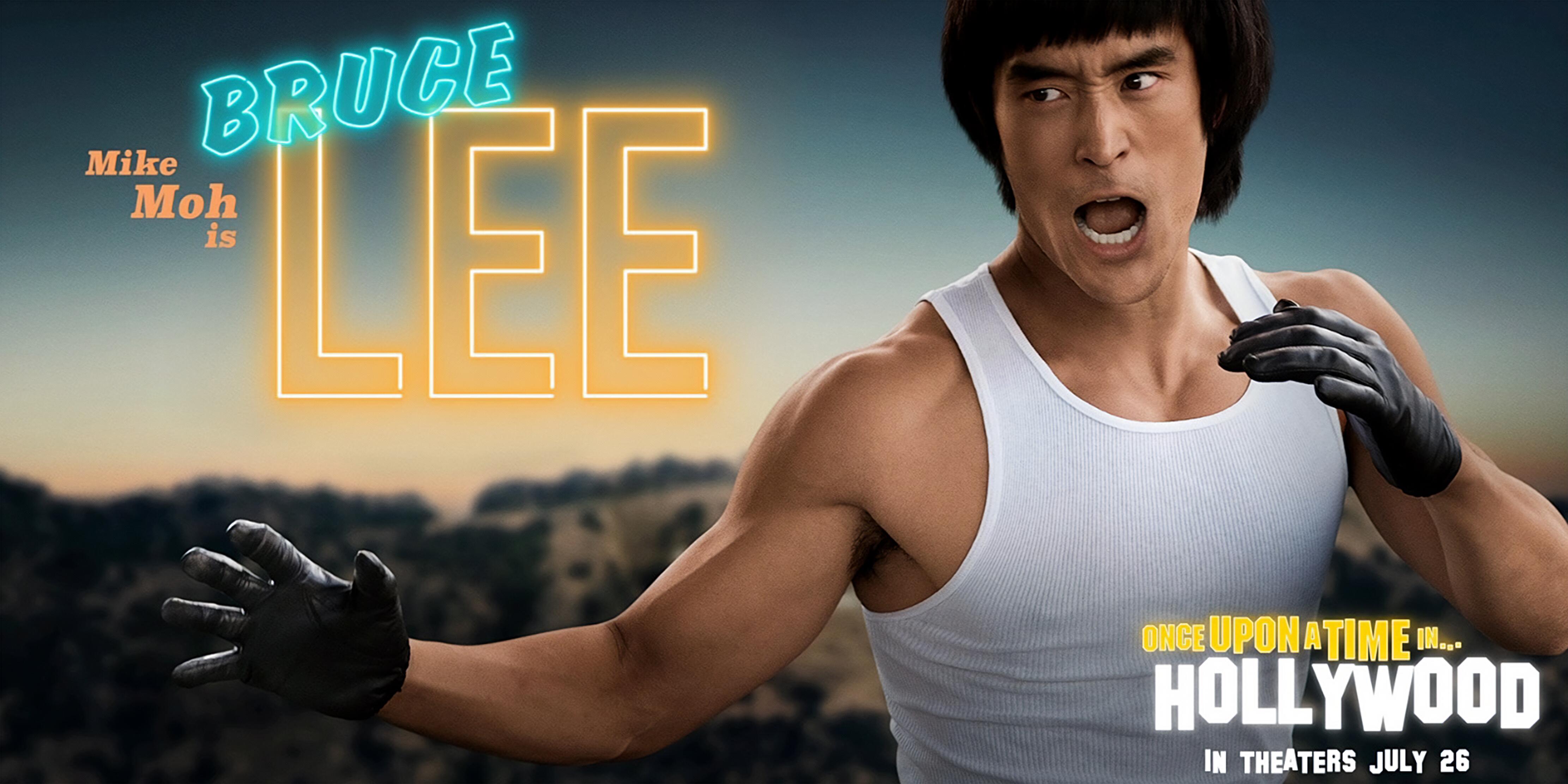
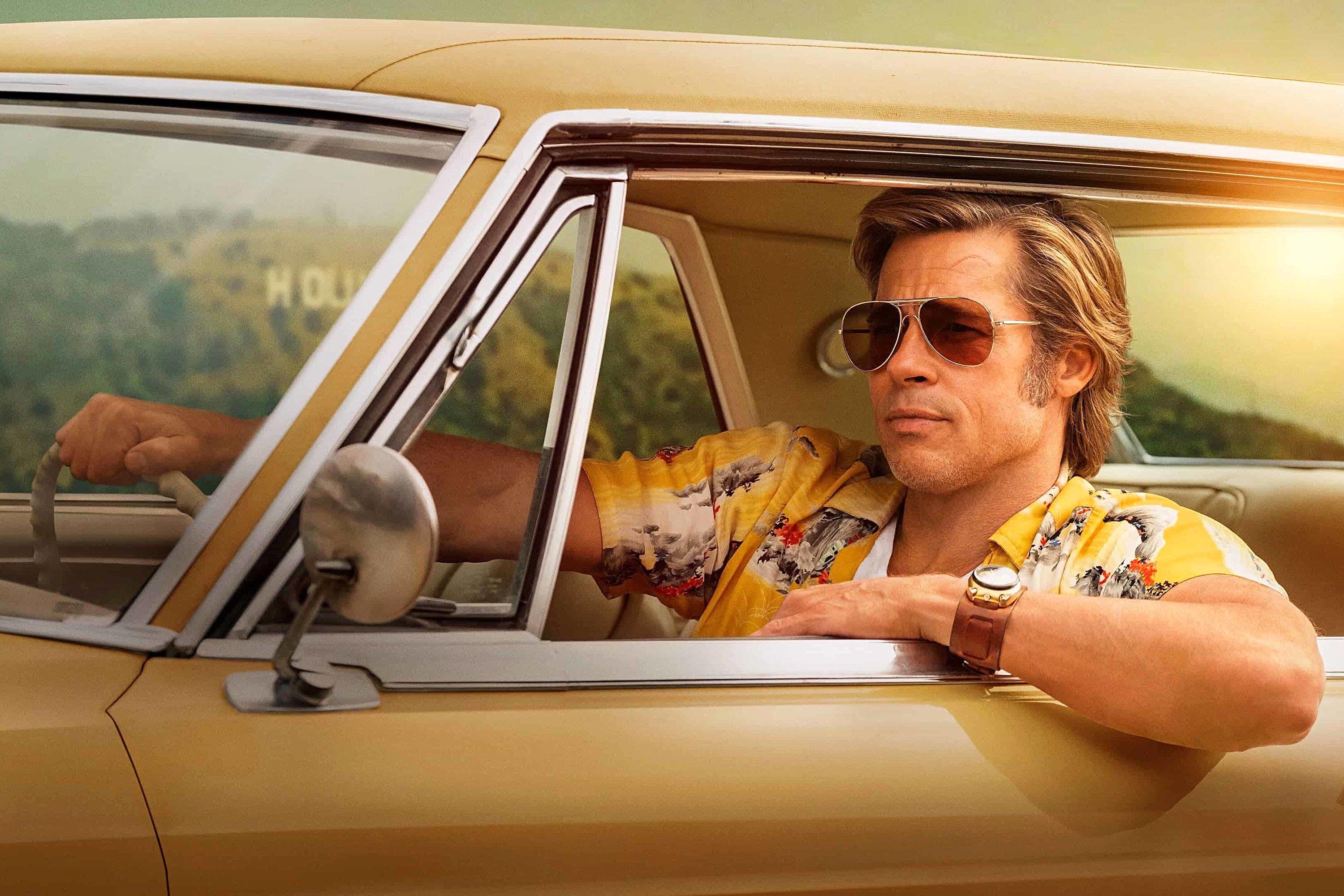
Despite this reverence, Tarantino sparked significant backlash with his portrayal of Bruce Lee in Once Upon a Time in Hollywood (2019). In the film, Lee (played by Mike Moh) is shown boasting about his fighting abilities before being bested in a sparring match by Brad Pitt’s fictional stuntman character, Cliff Booth.
This scene was criticized by Lee’s daughter, Shannon Lee, as a disrespectful and inaccurate caricature. She and many fans felt it reduced Bruce Lee to a loudmouthed stereotype, undermining his legacy. Tarantino responded by defending the depiction, asserting that Lee was, in real life, known to be arrogant and difficult to work with on Hollywood sets—particularly in his early career.
Tarantino doubled down in interviews and said: “Bruce Lee was kind of an arrogant guy. The way he was talking, I didn’t just make a lot of that up. I heard him say things like that.”
This created a sharp divide between Tarantino’s historical interpretation and the public’s perception of Lee as a cultural icon. Some defended Tarantino’s right to fictionalize real-life figures, pointing out that the film is filtered through Cliff Booth’s possibly unreliable perspective. Others argued it crossed the line from playful pastiche into cultural disrespect.
Complex Legacy in Tarantino's Films
Regardless of the controversy, Bruce Lee’s philosophy and iconography continue to influence Tarantino’s work:
Minimalist, efficient movement and “be like water” adaptability are qualities embodied by The Bride.
The fusion of martial discipline with Western storytelling that Lee pioneered is evident throughout Kill Bill and even in Django Unchained.
Tarantino’s belief in cinema as physical performance—a trait he also sees in Jackie Chan—owes much to the template Bruce Lee created.
Tarantino’s Bruce Lee is ultimately a contradiction: a revered master and a challenged myth, an icon both honored and humanized through a controversial lens. His influence is undeniable in Tarantino’s martial arts homages, even if their personal philosophies and public images occasionally clash.
Kill Bill: The Ultimate Fusion
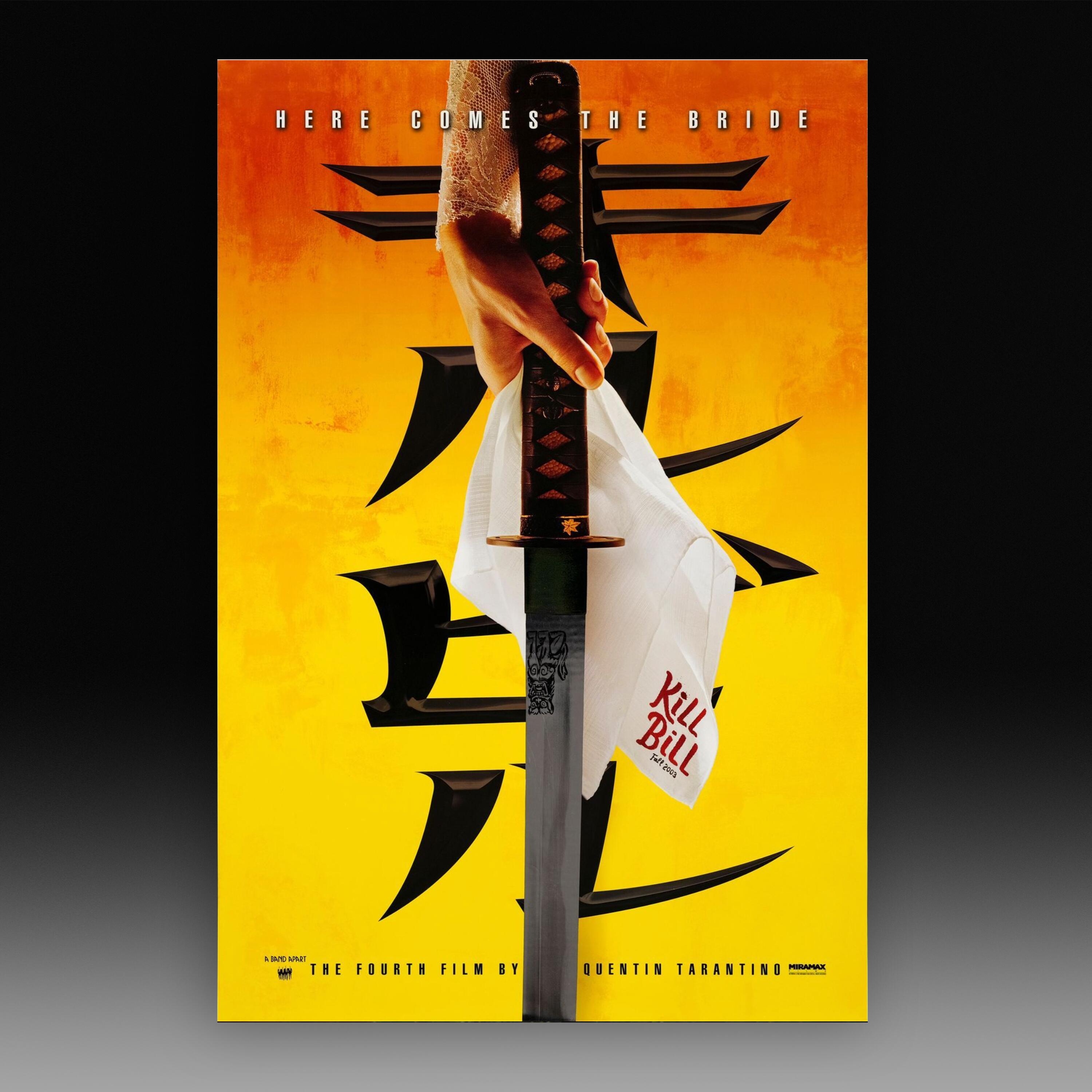
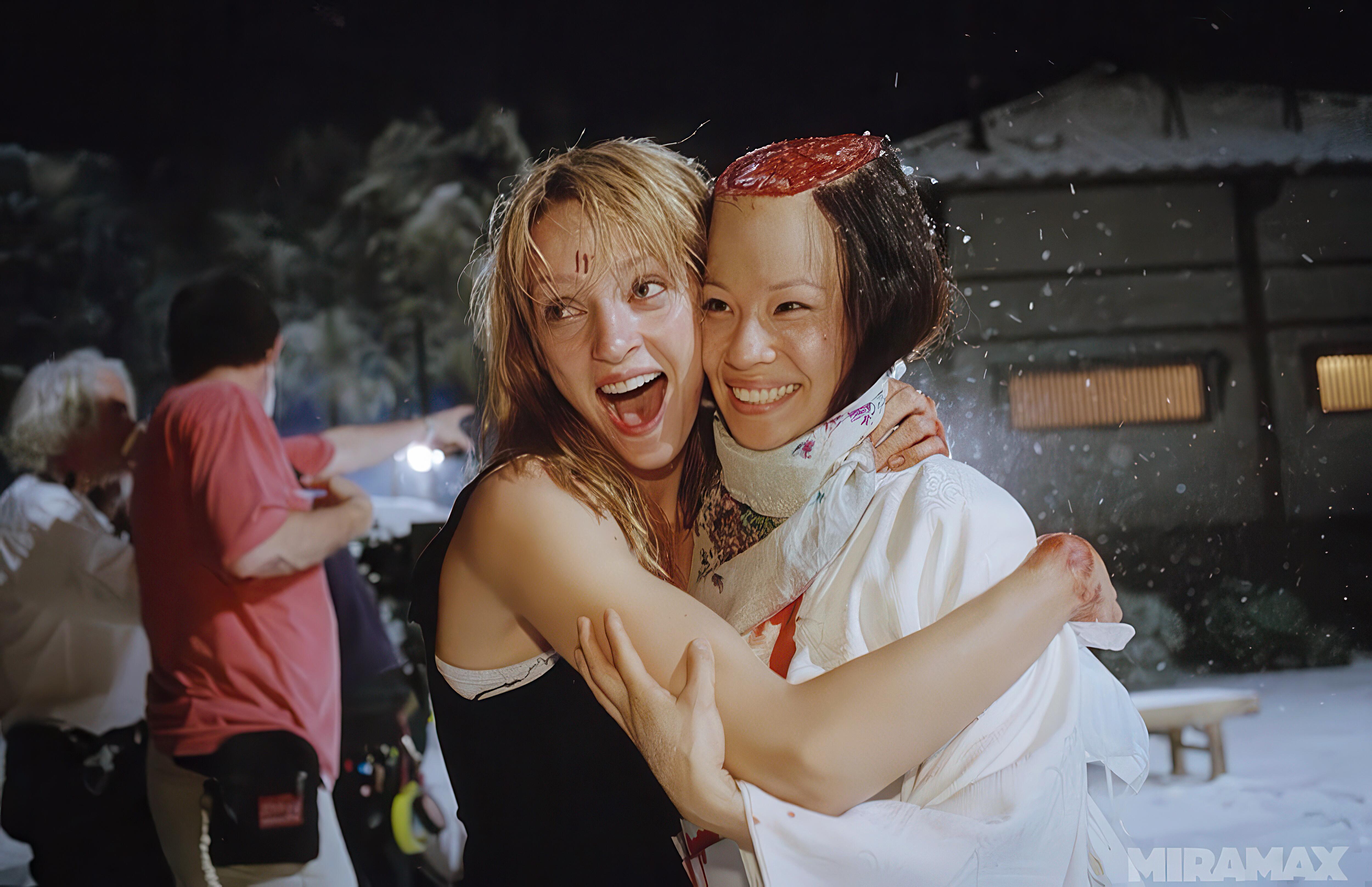
Released in two volumes (Vol. 1 in 2003 and Vol. 2 in 2004), Kill Bill is Quentin Tarantino’s magnum opus of cinematic homage—a film that merges Eastern martial arts epics, Spaghetti Westerns, samurai films, anime, revenge thrillers, grindhouse exploitation, and 1970s pop culture into a single revenge saga. It is both a pastiche and a love letter, filtered through Tarantino’s uniquely postmodern lens.
At its heart, Kill Bill tells the story of The Bride (Uma Thurman), a betrayed assassin who embarks on a global quest to take revenge on her former comrades and mentor. But the plot is secondary to the stylistic tapestry Tarantino weaves together from his cinematic obsessions.
Kung Fu Roots in the Film
Kill Bill is suffused with Kung Fu iconography and tropes:
The Pai Mei training sequence in Vol. 2 is a direct homage to Executioners from Shaolin and Fist of the White Lotus, where the white-bearded kung fu master teaches impossible skills through brutal physical tests. The stylized backdrops, beard-stroking gestures, and ultra-disciplined training montages echo the Shaw Brothers’ studio style.
The Bride’s yellow jumpsuit in Vol. 1 is a visual tribute to Bruce Lee’s iconic costume in Game of Death, symbolizing the merging of Lee’s philosophy with her own path of vengeance.
The House of Blue Leaves sequence is arguably one of the greatest martial arts scenes in Western cinema. Set in a Japanese nightclub with a Yakuza twist, the Bride battles the Crazy 88s in a dazzling bloodbath. The choreography, done by Yuen Woo-ping (famed for his work on Crouching Tiger, Hidden Dragon and The Matrix), fuses fluid Hong Kong action with old-school swordplay. The inclusion of black-and-white cinematography, silhouettes, and anime-style blood sprays highlights Tarantino’s ability to remix multiple Kung Fu aesthetics in a single set piece.
Philosophical Influences
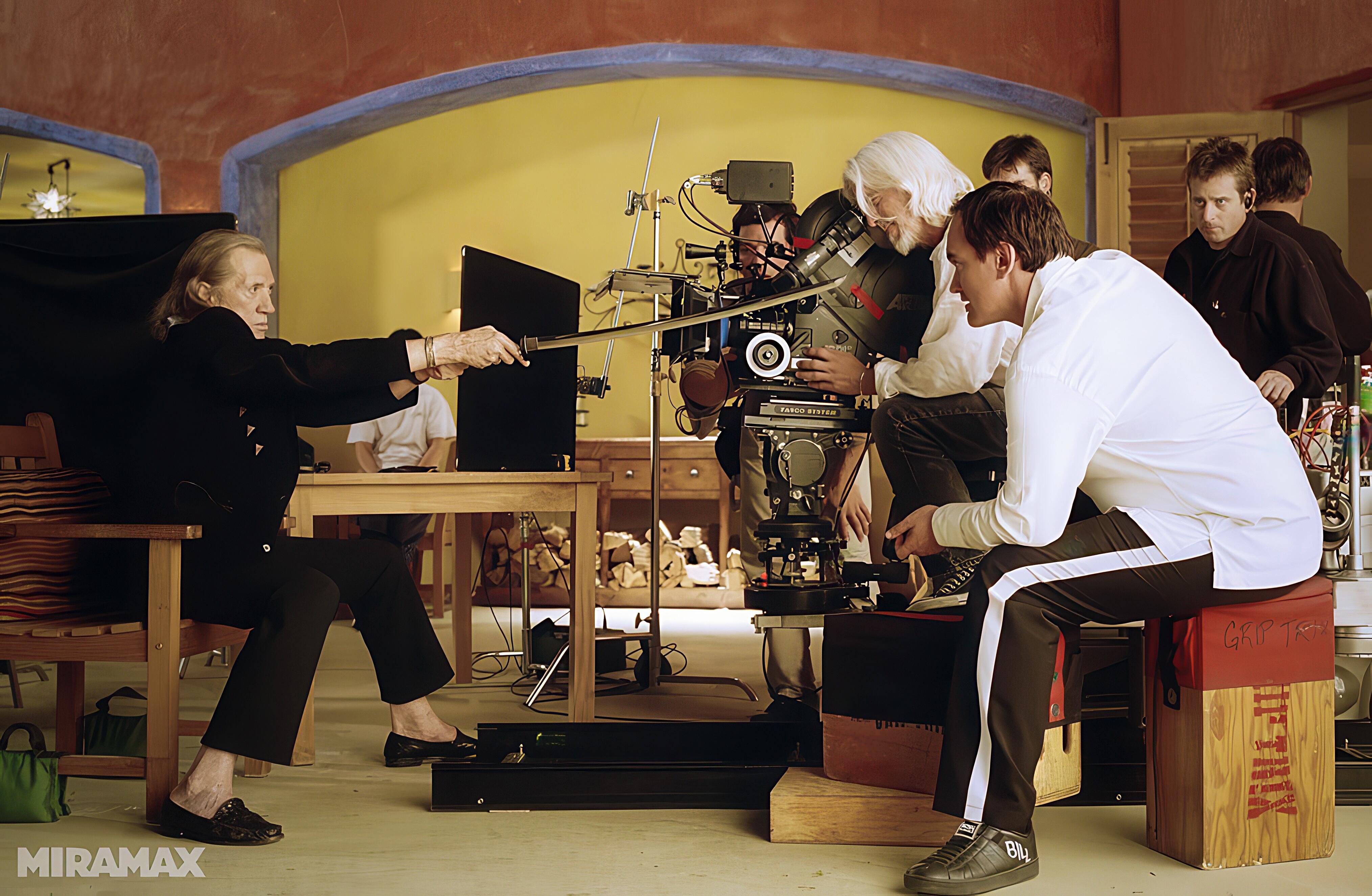
Beyond the action, Kill Bill draws from Kung Fu cinema’s spiritual dimension. The Bride’s journey is not just about revenge—it’s a journey through discipline, reflection, humility, and transcendence. Her arc mirrors the classic martial arts template of the fallen warrior who must rebuild herself through suffering in order to reclaim her dignity.
The film even critiques the Western appropriation of Eastern martial arts while simultaneously celebrating it. Characters like Elle Driver, who kills her own master Pai Mei, represent arrogance and dishonor, while the Bride, who internalizes what she’s learned, becomes a figure of balance between East and West.
Global Cinema Mash-up
Tarantino’s genius in Kill Bill is not just in emulating Kung Fu cinema but in blending it with other genres:
The Mexican standoff structure of many scenes is lifted straight from Leone and spaghetti westerns.
The anime backstory of O-Ren Ishii, animated by Studio Production I.G., mirrors the hyperviolence and emotional depth of Japanese samurai revenge manga.
Musical cues range from Ennio Morricone to Japanese surf rock to Bernard Herrmann–style suspense tracks, creating a soundtrack that functions like a global playlist of genre cinema.

A Film School Disguised as a Blood Opera
In many ways, Kill Bill functions like a film school in disguise. Every sequence teaches a lesson in style, tone, and cinematic history. But it's never just homage for homage’s sake. Tarantino transforms his references, recontextualizing them into a new narrative with its own emotional gravity. The film isn’t trying to be The 36th Chamber of Shaolin, Lady Snowblood, or A Fistful of Dollars—it’s trying to be all of them at once and make something new in the process.
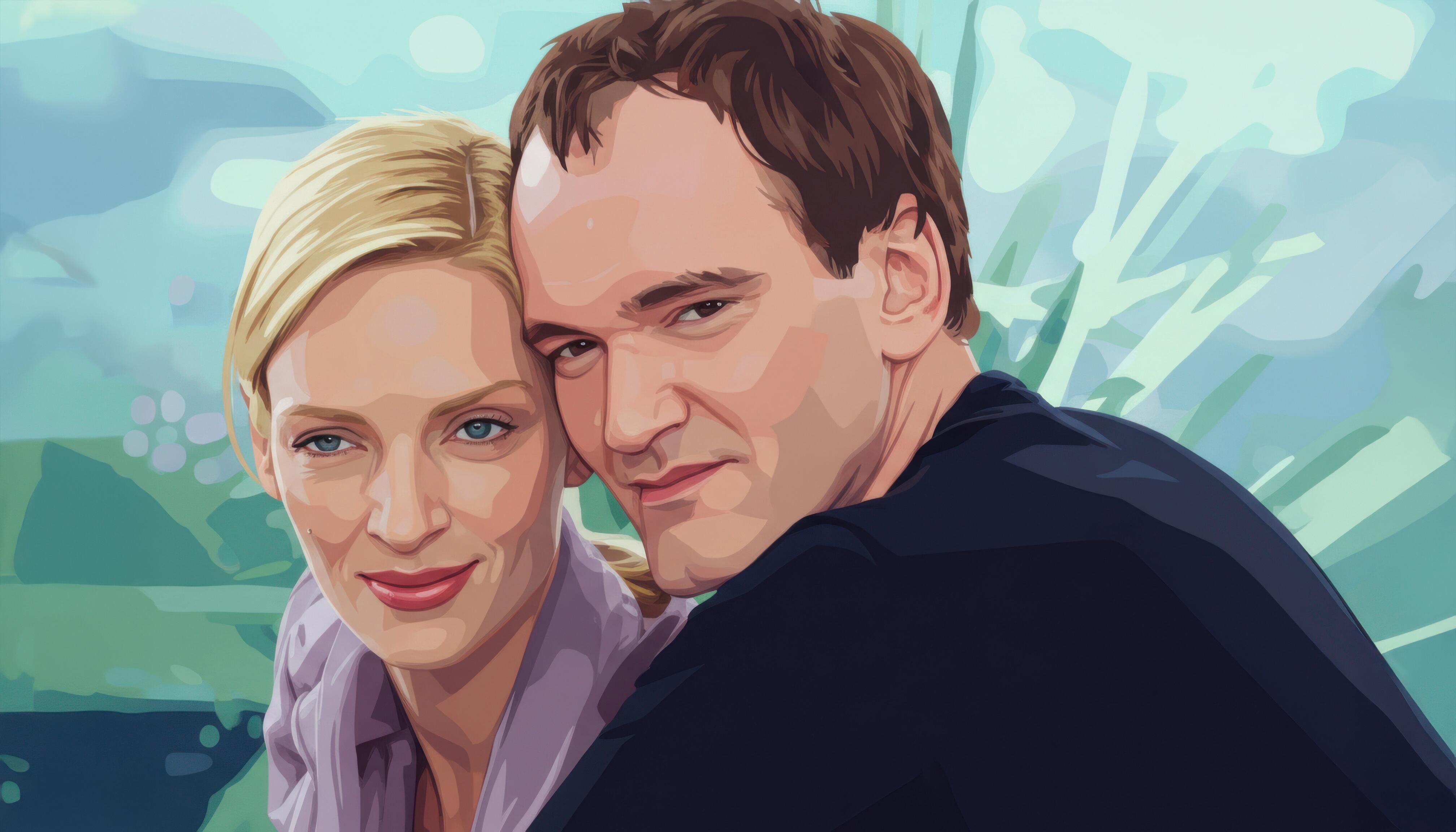
The Counterculture and Cool: Easy Rider, Apocalypse Now, and James Bond
Beyond his love for genre cinema, Tarantino has long admired countercultural and international blockbusters that reshaped cinematic norms in the late 1960s and 1970s.
Easy Rider (1969)
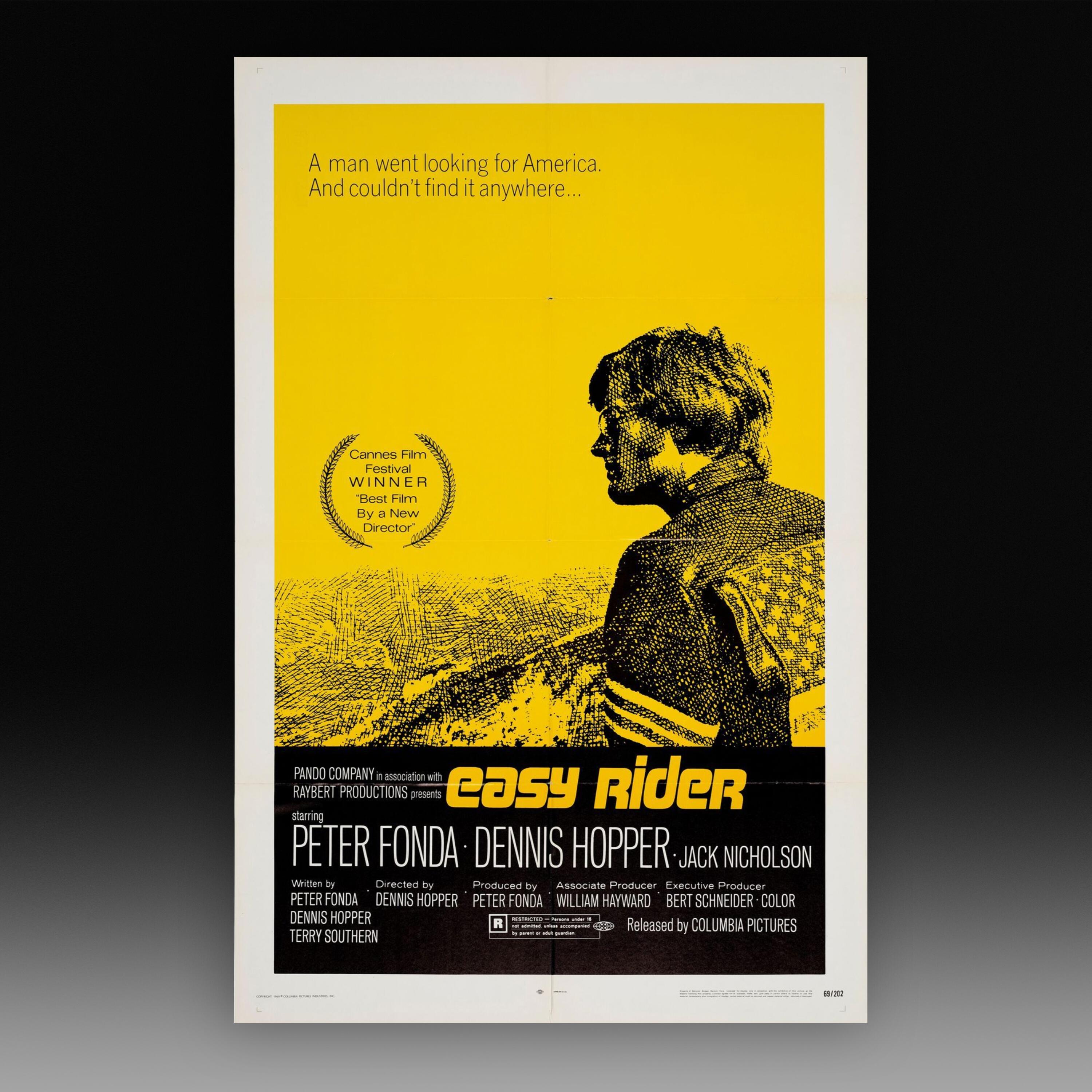
Dennis Hopper’s Easy Rider is one of the films Tarantino cites as a defining moment in American cinema. Its anti-establishment themes, naturalistic style, and iconic rock soundtrack influenced Tarantino’s own approach to subverting genre expectations and integrating music as narrative propulsion. Like Easy Rider, Tarantino’s films often feature characters on the fringe, disillusioned with mainstream society, and on the road to self-destruction or violent redemption.
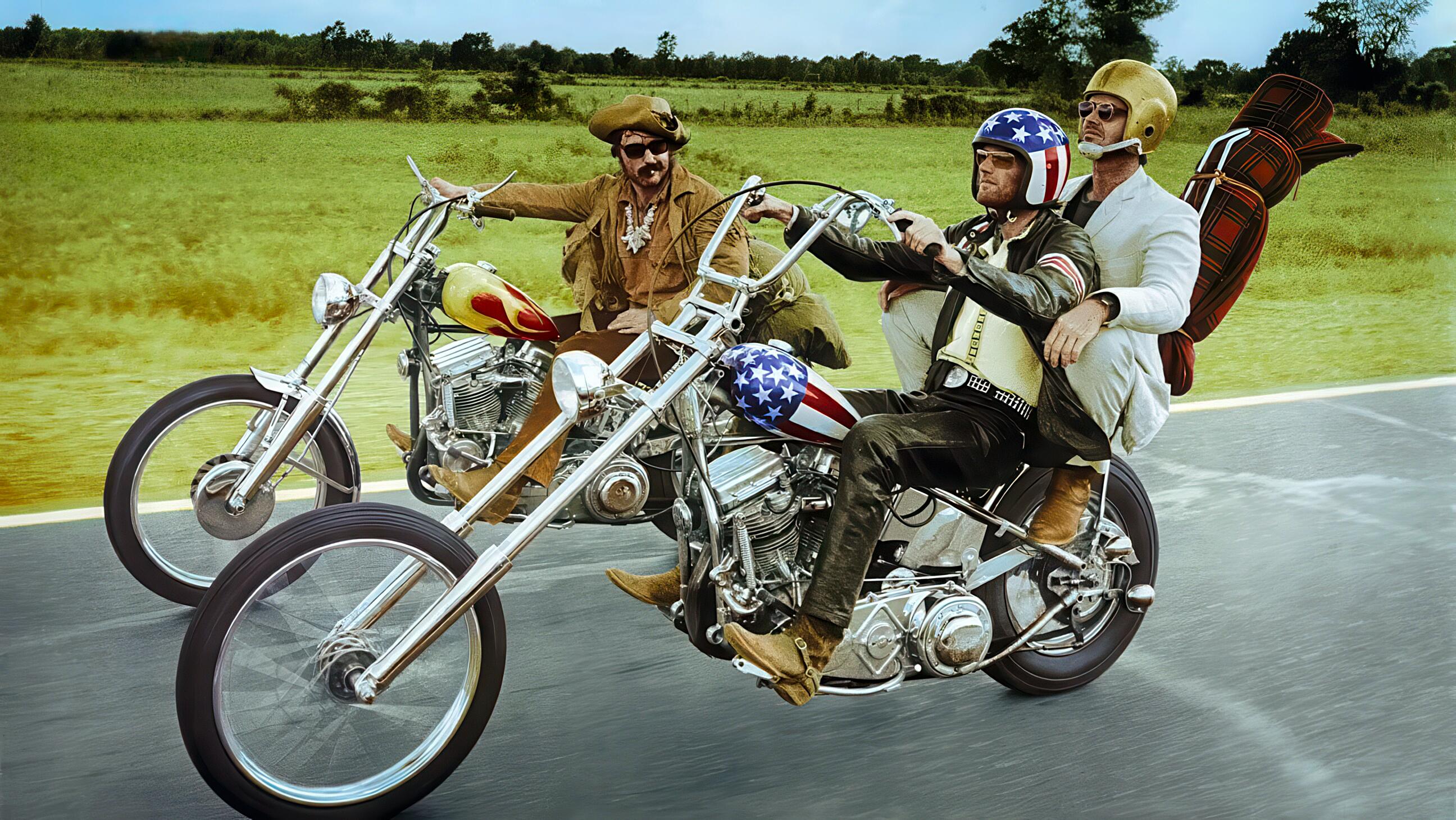
The director told TCM, “It’s the single greatest example of 1960s cinema in every way: the culture it projects, the aesthetic it projects, and even the idea that finally a movie and the counterculture hooked up with each other in a way where the people of that culture accepted that. It’s one of the most specific movies ever released by a Hollywood studio that is specific to its era. It captures the 1960s in a way that’s tangible. Almost in a way, if you’re trying to describe to someone the 1960s in movies you could show them ‘Easy Rider’ and never have to show them anything else.”
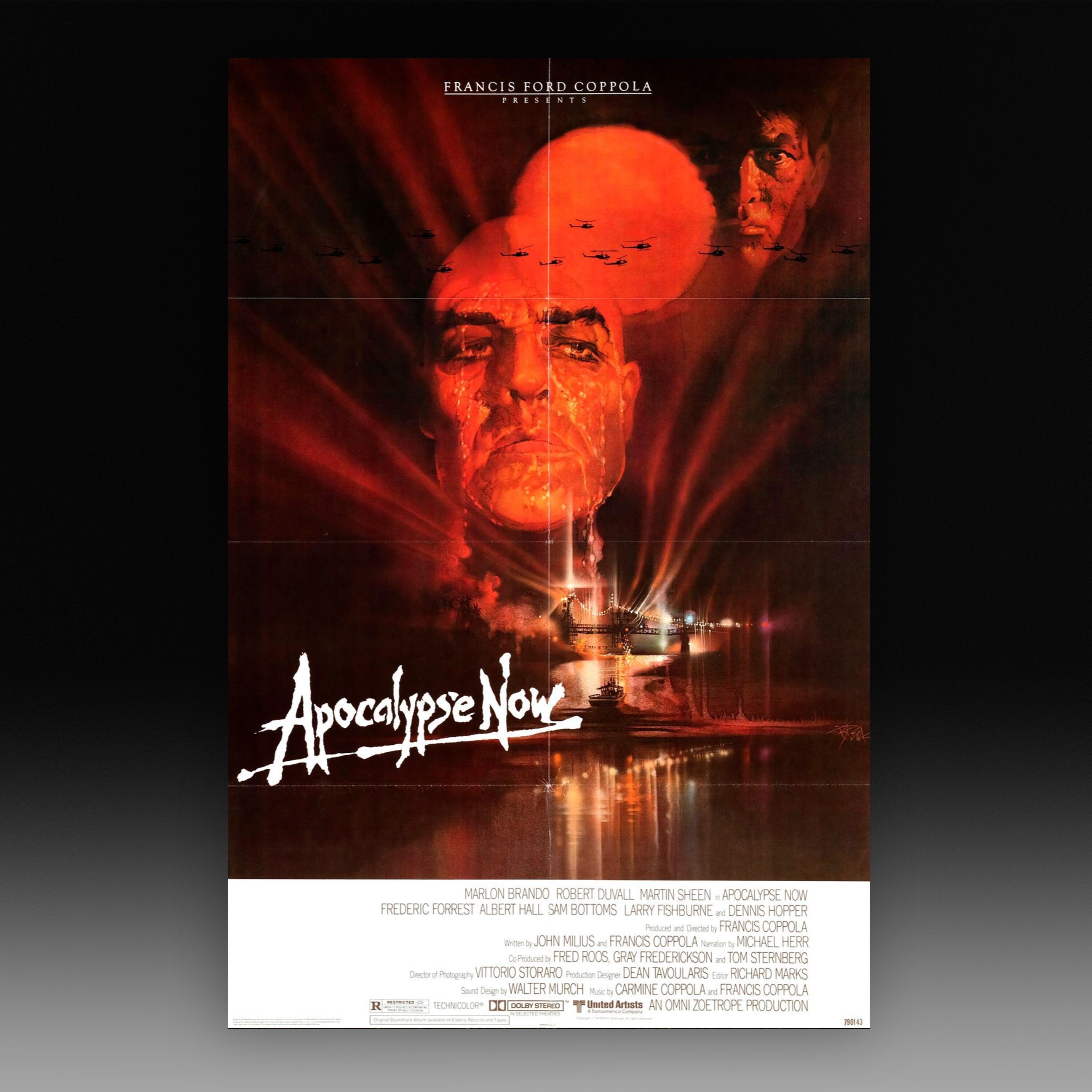
Apocalypse Now (1979)
Francis Ford Coppola’s hallucinatory war epic is another key inspiration. Tarantino reveres Apocalypse Now for its ambition, scope, and psychological intensity. It taught him that films could be experiential and mythic, not just plot-driven. The journey into madness undertaken by Captain Willard is mirrored in Tarantino’s own characters—whether it's The Bride’s descent into vengeance or Django’s transformation into a mythic gunslinger.
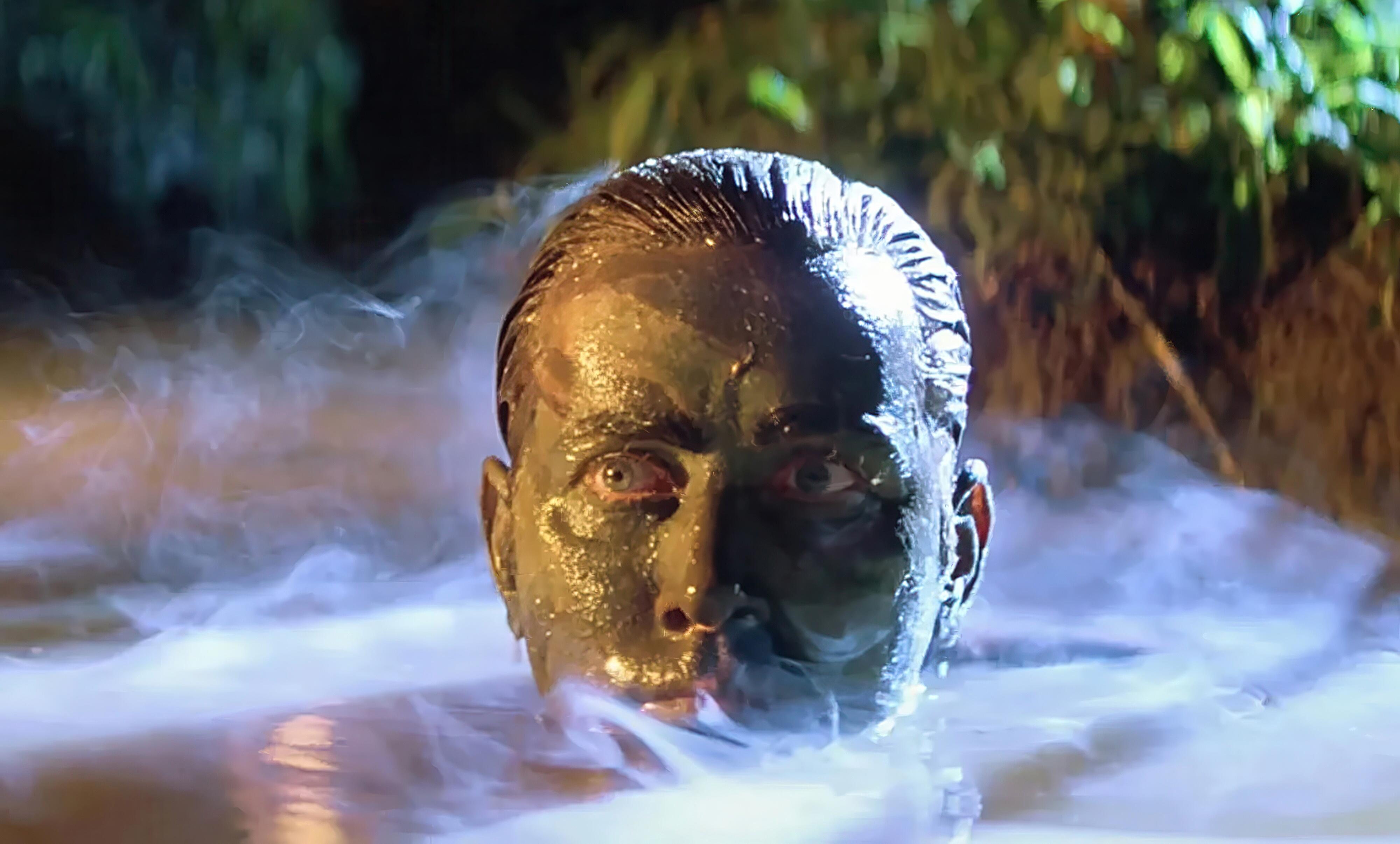
Quentin Tarantino has often cited Francis Ford Coppola’s Apocalypse Now as one of the greatest films ever made, even ranking it above The Godfather series on his Sight & Sound Top 10 list. The Palme d’Or–winning Vietnam War epic holds a special place in Tarantino’s cinematic pantheon—not just for its scope and ambition, but for its hypnotic descent into madness. His admiration for the film is evident in his screenplay for True Romance (1993), where Christian Slater’s character, trying to impress a Hollywood producer, says: “After Apocalypse Now, I think it’s the best Vietnam movie ever.” It's a telling nod to the film Tarantino considers Coppola’s masterpiece.
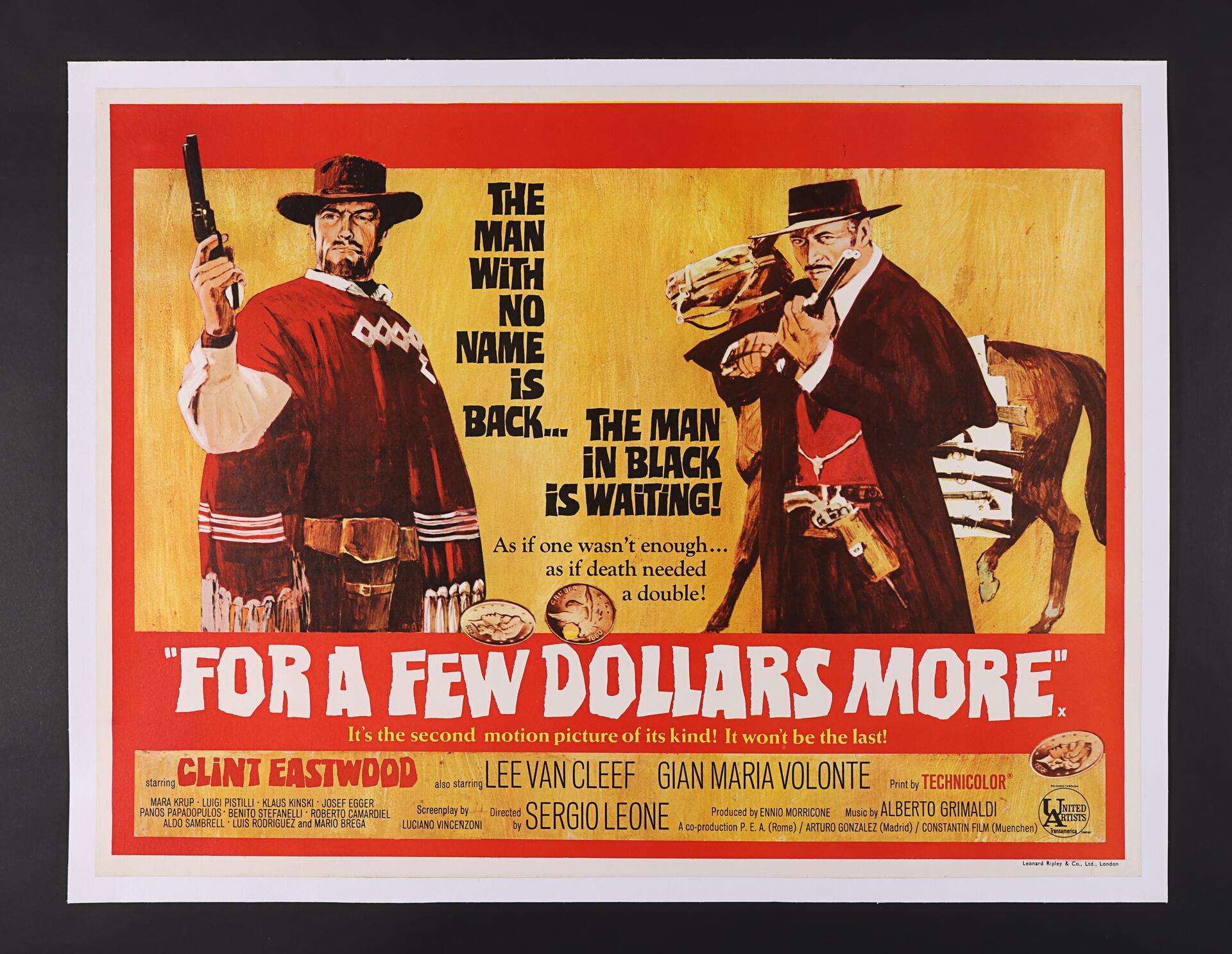
For A Few Dollars More (1965)
While A Fistful of Dollars introduced the archetype of the Man with No Name, For A Few Dollars More added psychological depth and personal stakes—qualities Tarantino would adopt in films like Kill Bill and Django Unchained. He admired how Leone used minimal dialogue to express backstory, and how music could reveal a character’s past—seen directly in the use of Morricone-style cues in his own work.
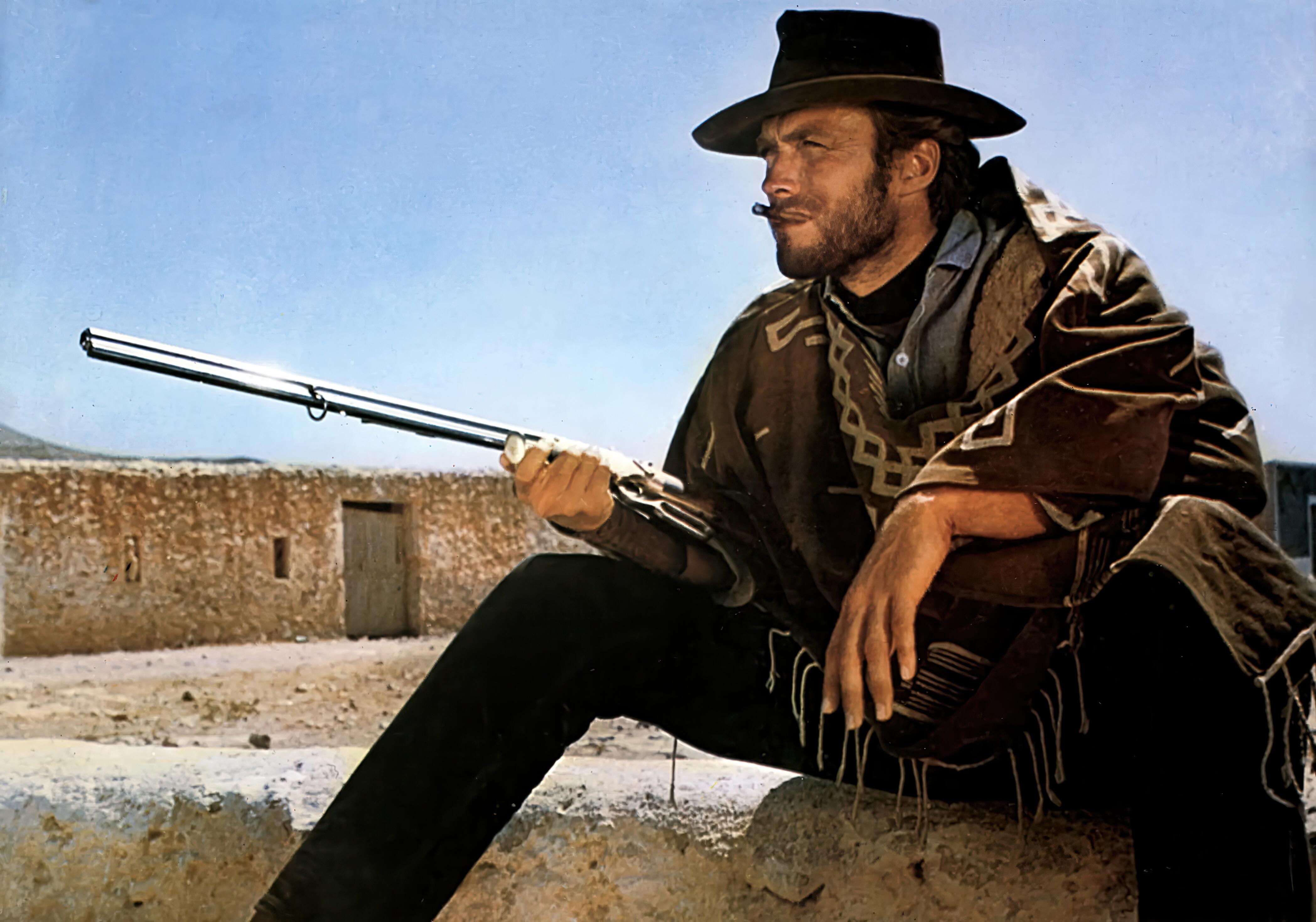
Quentin Tarantino holds For a Few Dollars More in exceptionally high regard, considering it one of the rare sequels that not only matches but surpasses its predecessor. He has praised the film as a dramatic leap forward from A Fistful of Dollars, stating that it “obliterates” the original in terms of scale, character development, and narrative complexity. Tarantino is especially impressed by the dynamic between Clint Eastwood’s Man with No Name and Lee Van Cleef’s Colonel Mortimer, which adds emotional depth and tension to the film. He has even gone so far as to call the Dollars Trilogy “the greatest achievement in the history of cinema,” emphasizing that Sergio Leone’s ability to improve with each entry in the trilogy is virtually unmatched in film history.
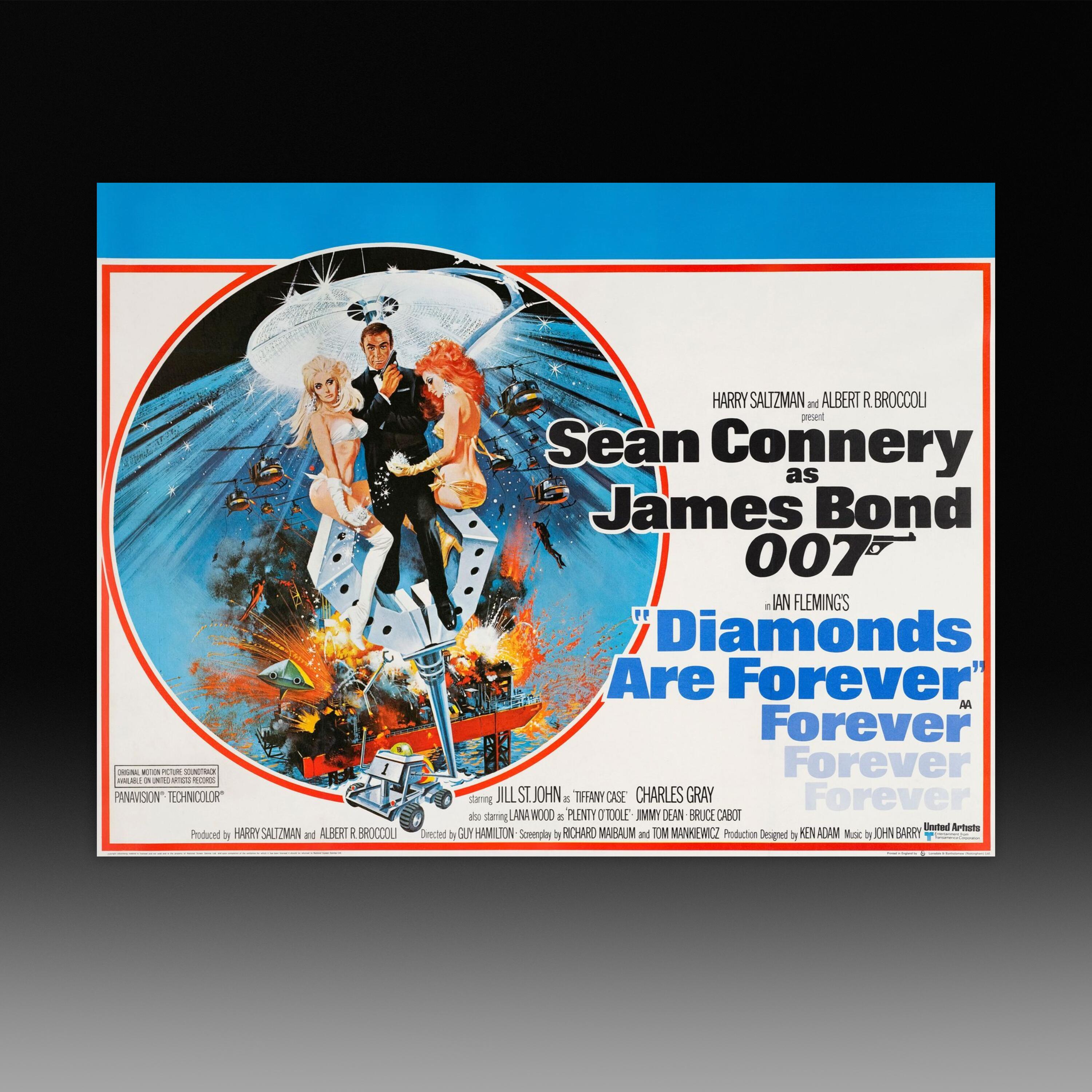
The James Bond Franchise
Tarantino has expressed his admiration for James Bond films, particularly the Sean Connery era, for their blend of style, suspense, and exotic locales. Bond’s influence can be felt in Kill Bill's globe-trotting espionage, slick weaponry, and stylish villains. Elle Driver, with her eyepatch and flair for melodrama, could easily be mistaken for a Bond antagonist.
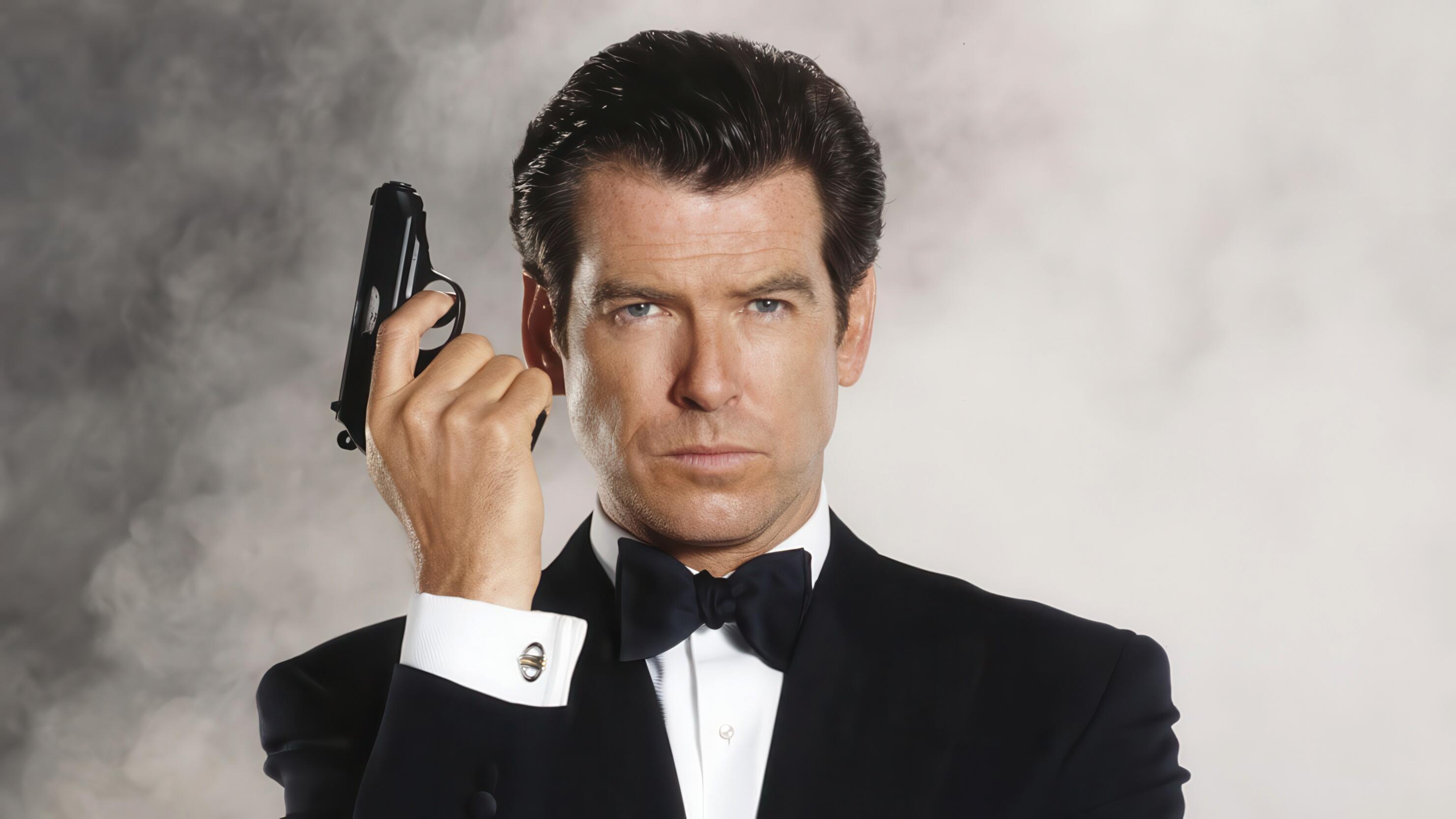
Quentin Tarantino has expressed genuine admiration for Pierce Brosnan’s portrayal of James Bond, ranking him just behind Sean Connery and ahead of Roger Moore in his personal hierarchy of 007 actors. He praised Brosnan as a “very legitimate Bond” and has often remarked that while Brosnan brought undeniable charisma to the role, the quality of the films during his tenure didn’t fully live up to his performance. Tarantino was so taken with Brosnan’s Bond that after Kill Bill: Vol. 2, he reportedly invited the actor for martinis at the Four Seasons to pitch his own vision for a Casino Royale adaptation. Tarantino wanted to make a more classic, 1960s-set Bond film—with Brosnan in the lead—emphasizing espionage and style over modern action spectacle. Although the project never came to fruition, both men agreed that it would have made for a fascinating and unconventional entry in the Bond canon.
Legacy and Influence
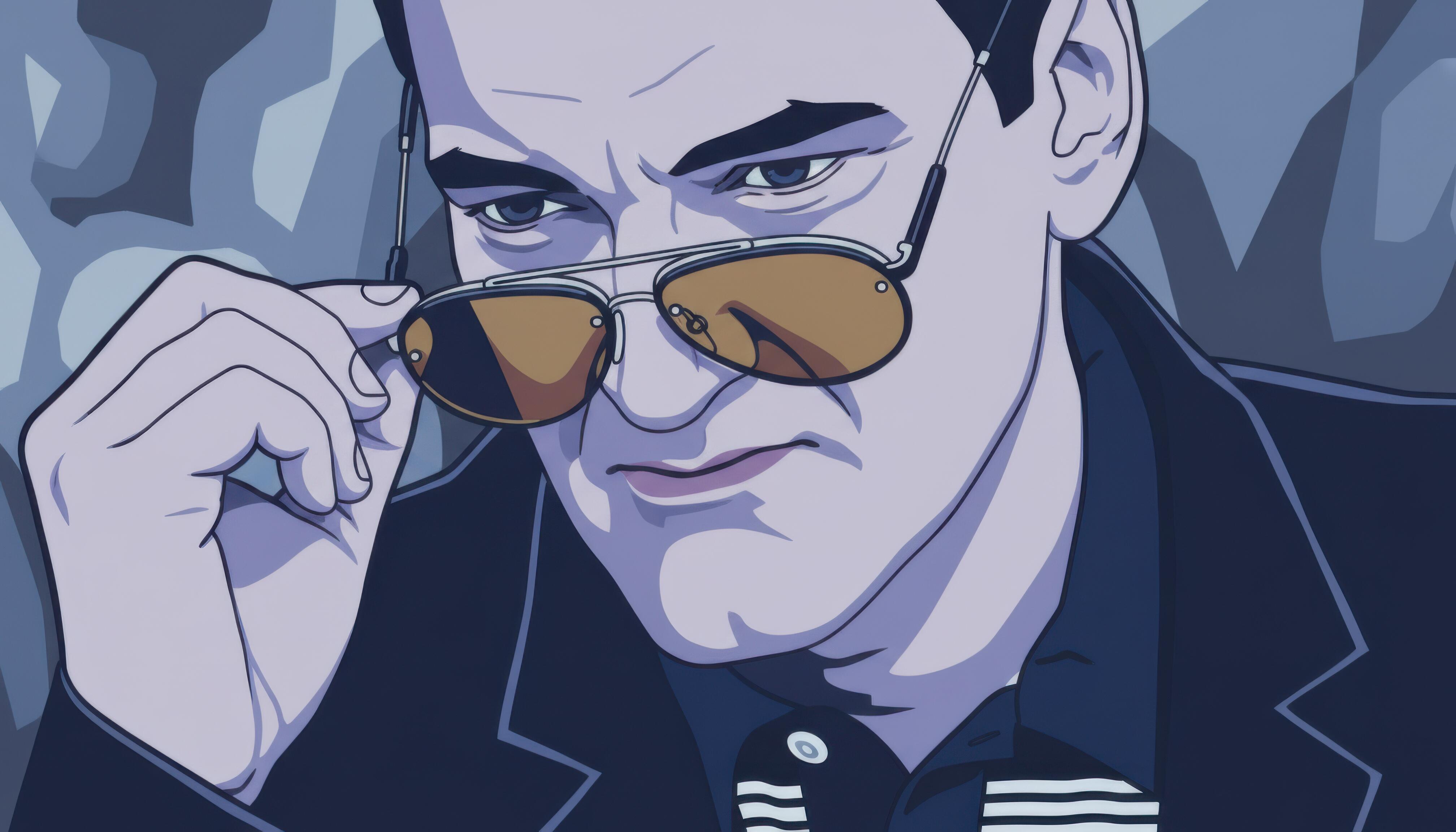
Quentin Tarantino’s career is a tapestry of cinematic homage and innovation. By synthesizing Leone’s operatic Westerns with Eastern martial arts, counterculture narratives like Easy Rider and Apocalypse Now, and the elegance of Bond thrillers, Tarantino has created films that are both referential and deeply original.
He is not merely a filmmaker—he is a curator of cinema, introducing new audiences to forgotten classics while reshaping their DNA into something bold and new. Through Kill Bill, Pulp Fiction, and beyond, Tarantino’s love for the movies he grew up with doesn’t just inform his work—it defines it.
In Quentin Tarantino’s universe, film is religion, revenge is an art form, and every frame is an echo of the past reimagined for the present.
Kudos Memorabilia – Your trusted source for authenticated movie props, scripts, and collectibles.
Be sure to check out our full collection of original, authentic Genuine Vintage Posters here. And don't forget to read our other blog posts for more exciting news on screen-used props, costumes and vintage posters:
