



The Evolution of Batman’s Gadgets: From 1989 to Batman Forever
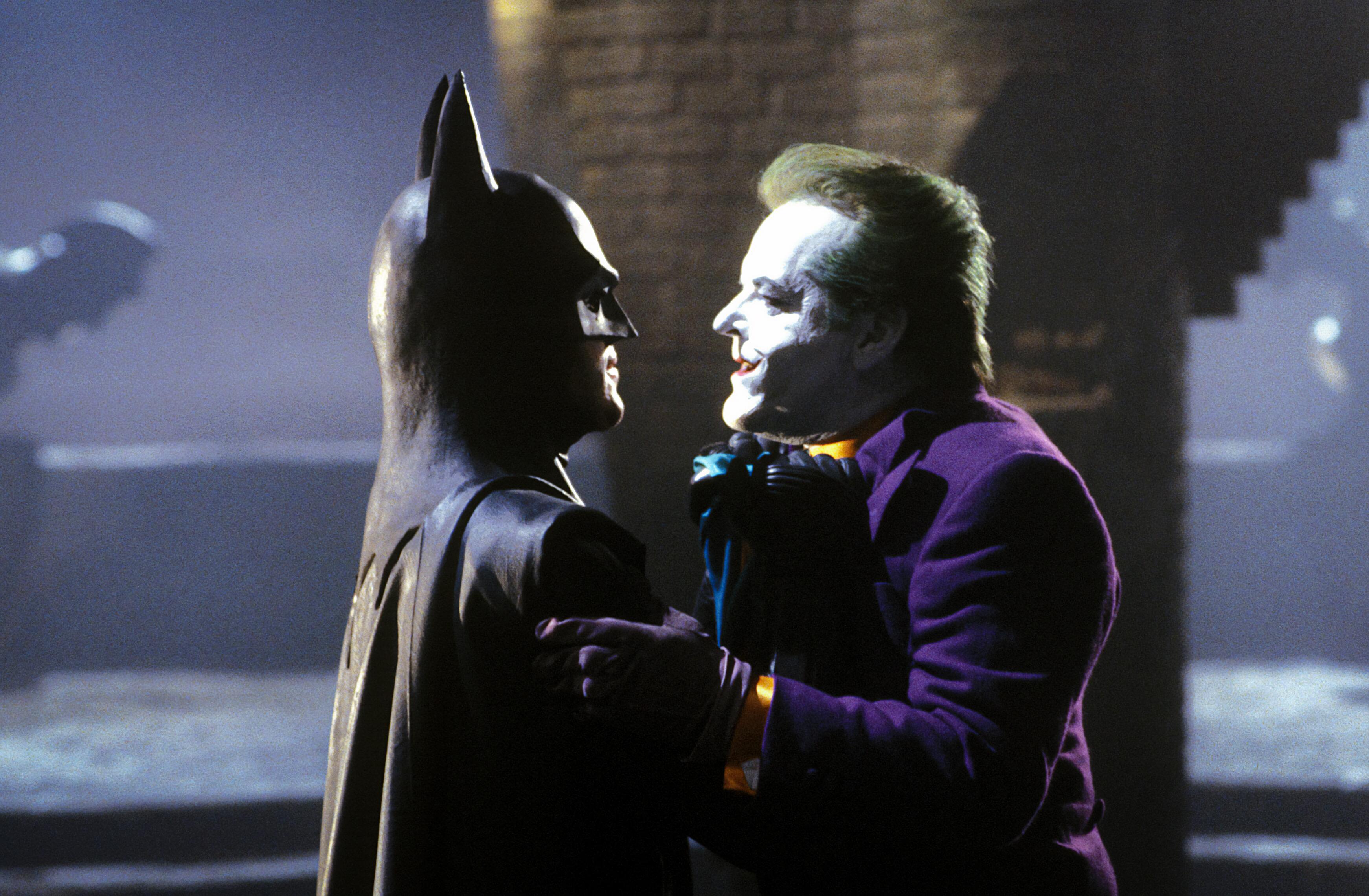
When Tim Burton brought Batman to the big screen in 1989, he redefined the Dark Knight for a modern audience. Sleek, brooding, and heavily stylized, Michael Keaton’s Batman wasn’t just a man in a cape—he was a force of justice armed with a sophisticated array of gadgets. As the series evolved into the more flamboyant Batman Forever (1995) under Joel Schumacher, so too did Batman’s tech, transforming from gothic minimalism to flashy, futuristic innovation.
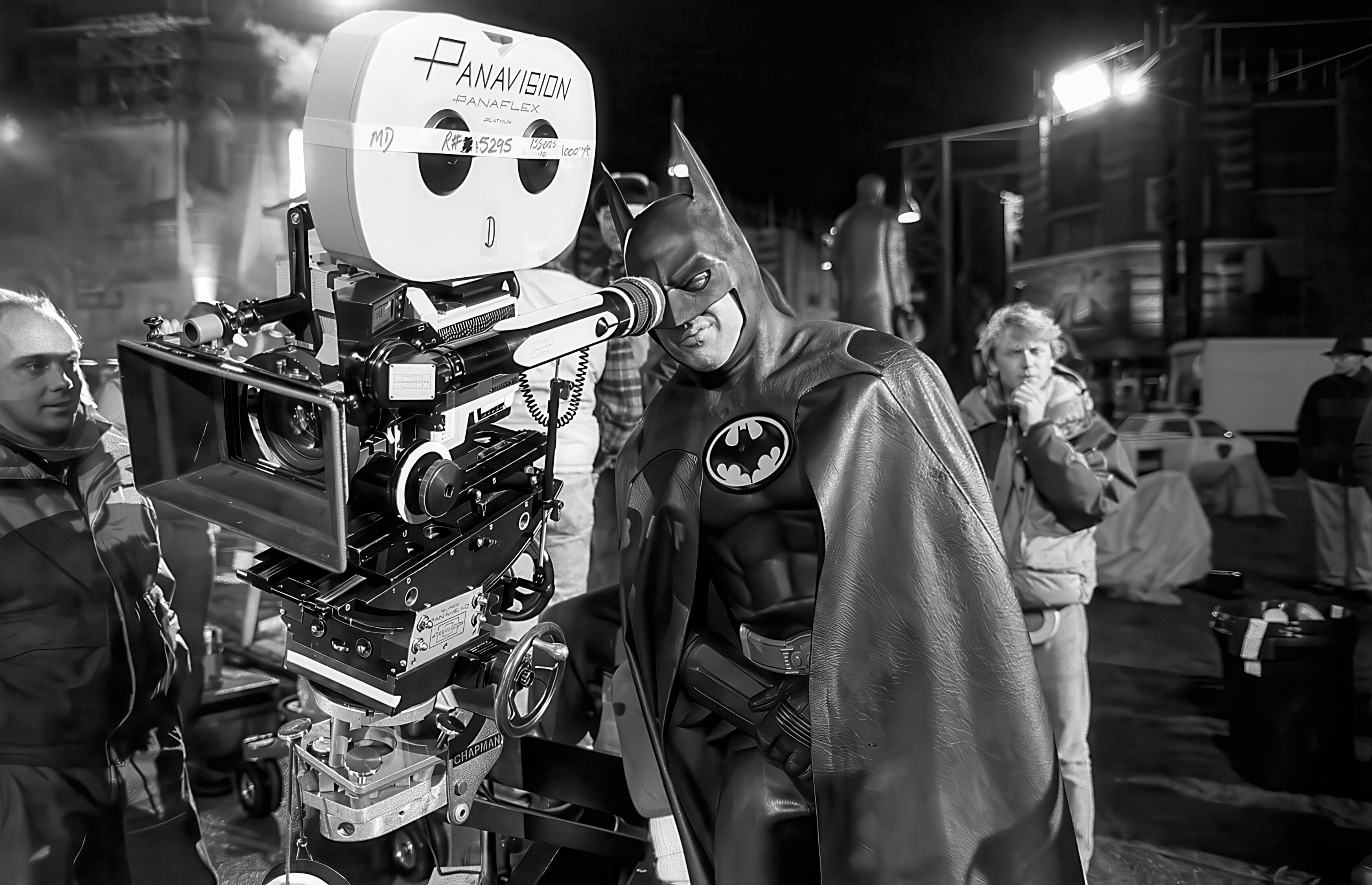
Batman (1989)
In Tim Burton's dark and stylish reimagining of the iconic superhero, Batman (1989) follows billionaire Bruce Wayne as he secretly battles crime in Gotham City as the masked vigilante, Batman. As the city teeters on the edge of chaos, a new and twisted villain emerges—the Joker, a psychotic criminal with a deadly smile and a flair for theatrical mayhem. As Batman faces off against his most dangerous adversary yet, he must confront his own past, protect reporter Vicki Vale, and fight to save Gotham from descending into madness. With a gothic atmosphere, groundbreaking production design, and a brooding performance by Michael Keaton, Batman redefined the superhero genre for a new era.
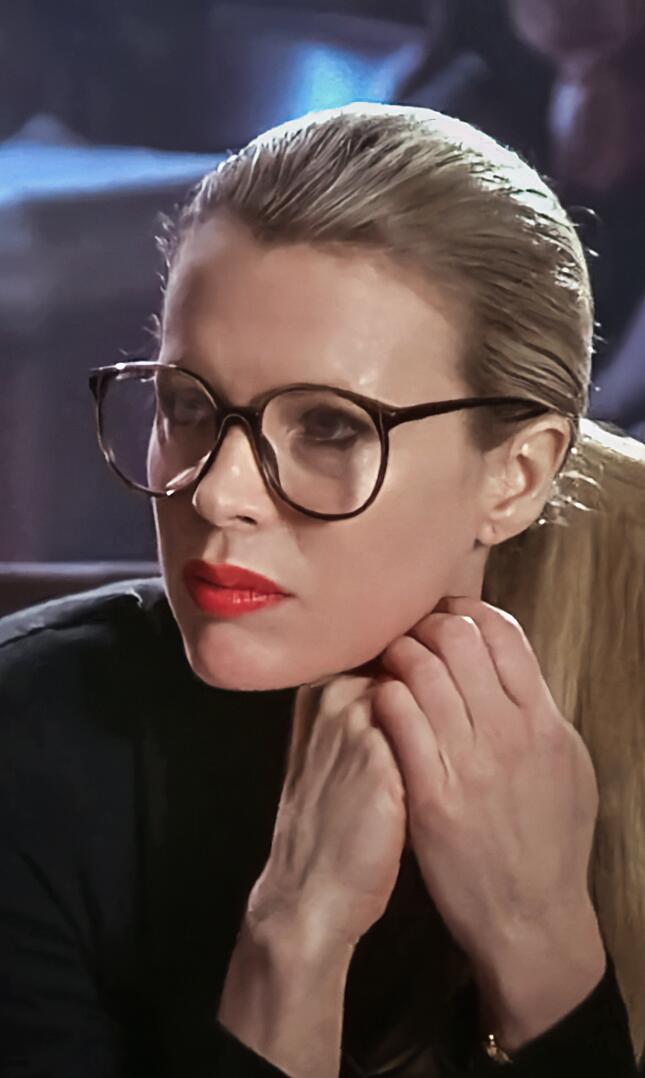
Michael Keaton stars as Bruce Wayne/Batman, Jack Nicholson delivers an unforgettable turn as The Joker, and Kim Basinger plays Vicki Vale, the determined photojournalist who becomes entangled in the battle for Gotham.
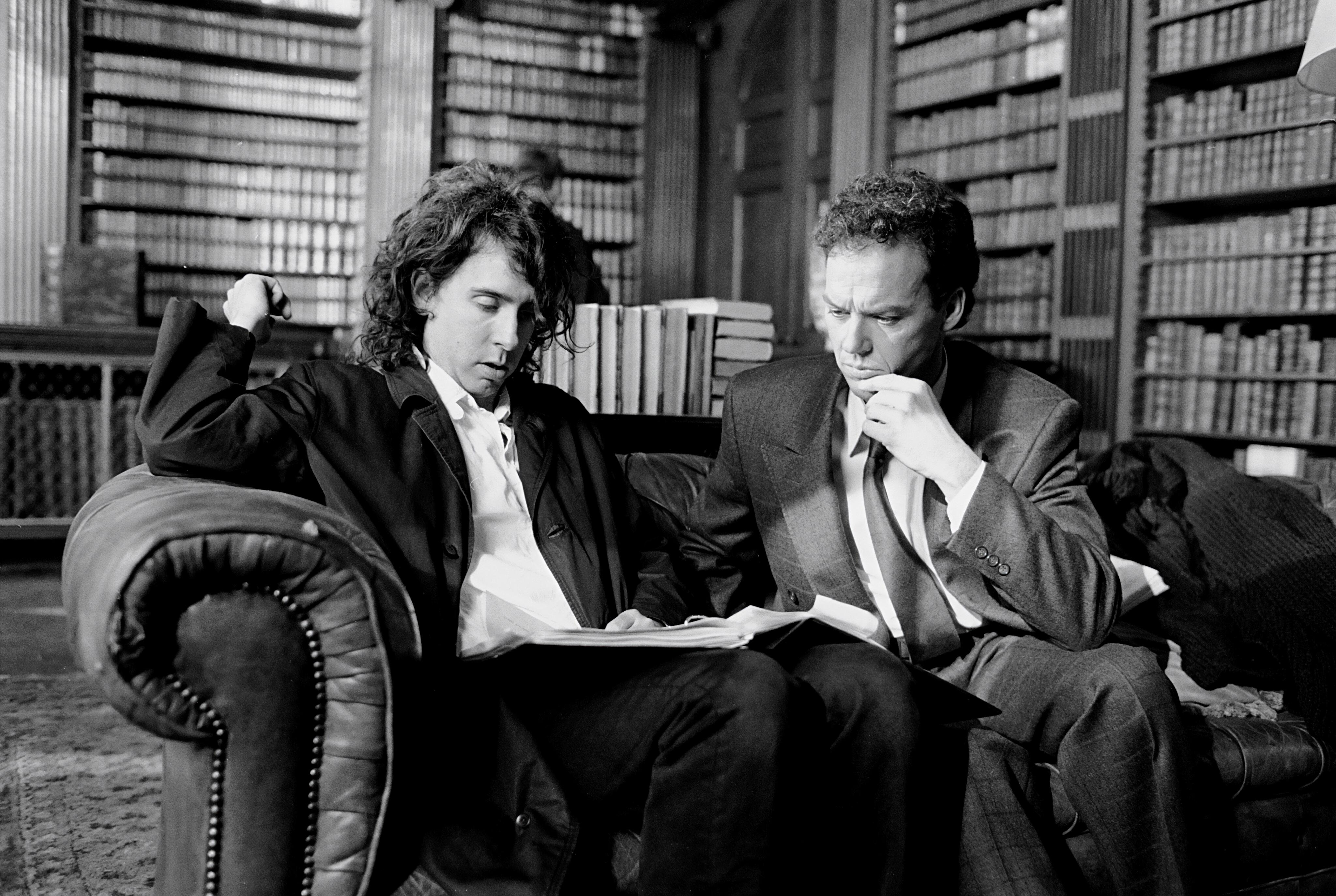
Tim Burton’s Influence & the Film’s Groundbreaking Impact
Before 1989, the popular image of Batman was still largely shaped by the colorful 1960s television series—a campy, tongue-in-cheek version of the character. Tim Burton’s Batman radically transformed that image, steering the tone into darker, more psychological territory. Burton brought his signature gothic style, blending German Expressionist influences with noir aesthetics, resulting in a Gotham City that felt both mythic and decaying—part nightmare, part art deco fantasy.
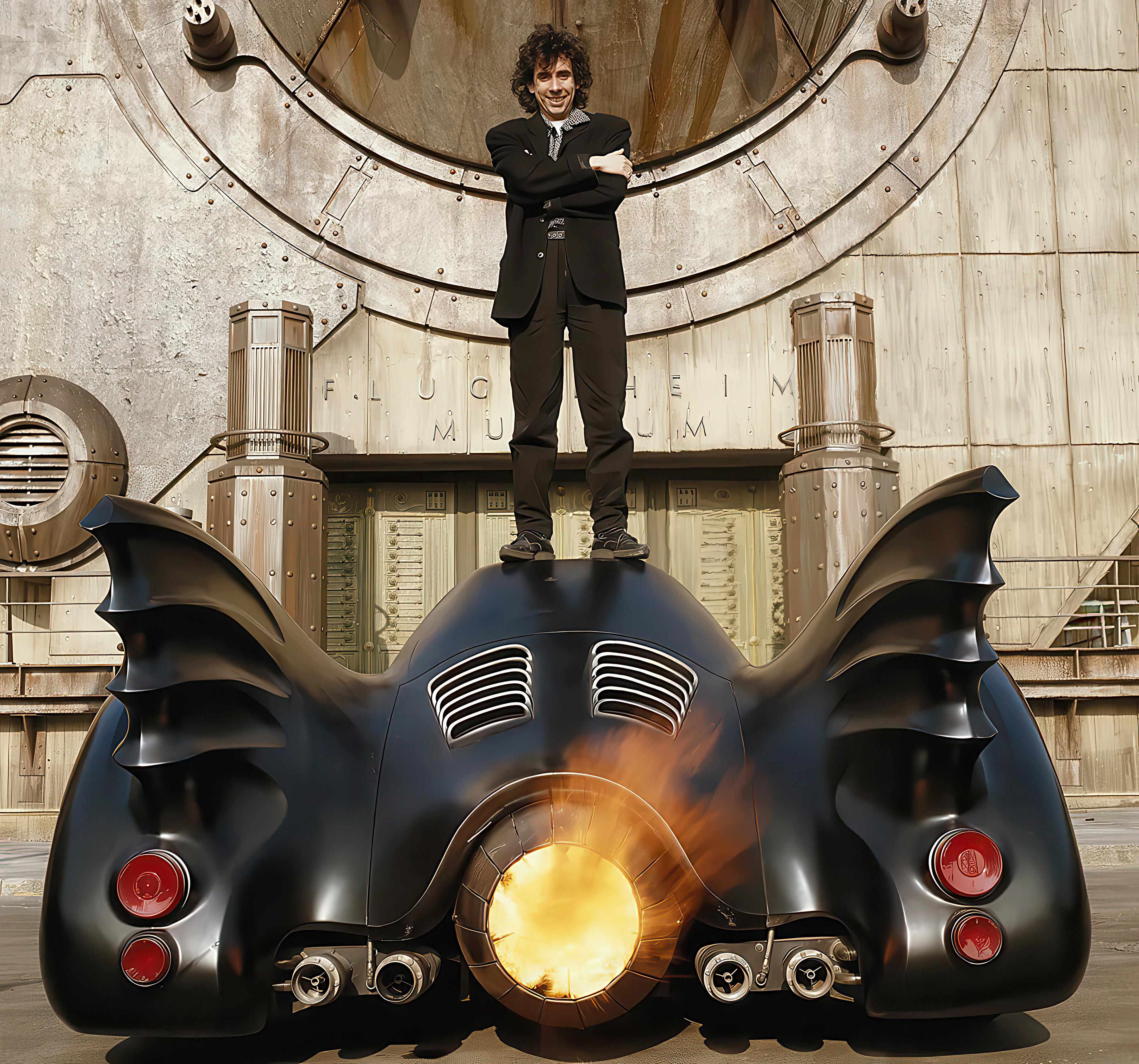
The film was groundbreaking in several key ways:
A Darker Tone: Batman was one of the first mainstream superhero films to embrace a serious, adult tone. It paved the way for future darker comic adaptations, including The Dark Knight trilogy.
Star Power & Casting Controversy: Michael Keaton’s casting initially drew skepticism due to his background in comedy, but his restrained, introspective performance helped redefine Batman as a haunted and complex character. Jack Nicholson’s Joker, on the other hand, was flamboyant, terrifying, and charismatic—setting the gold standard for comic book villains.
Visual World-Building: Production designer Anton Furst won an Academy Award for creating Gotham’s monumental, oppressive architecture—a setting that became as iconic as the characters themselves.
Box Office & Cultural Impact: With a massive marketing campaign and record-breaking box office numbers, Batman became a cultural phenomenon, proving that superhero films could be both commercially successful and artistically distinctive.
Tim Burton’s Batman didn’t just revive a character—it redefined what a superhero film could be, leaving a legacy that still shapes comic book cinema to this day.
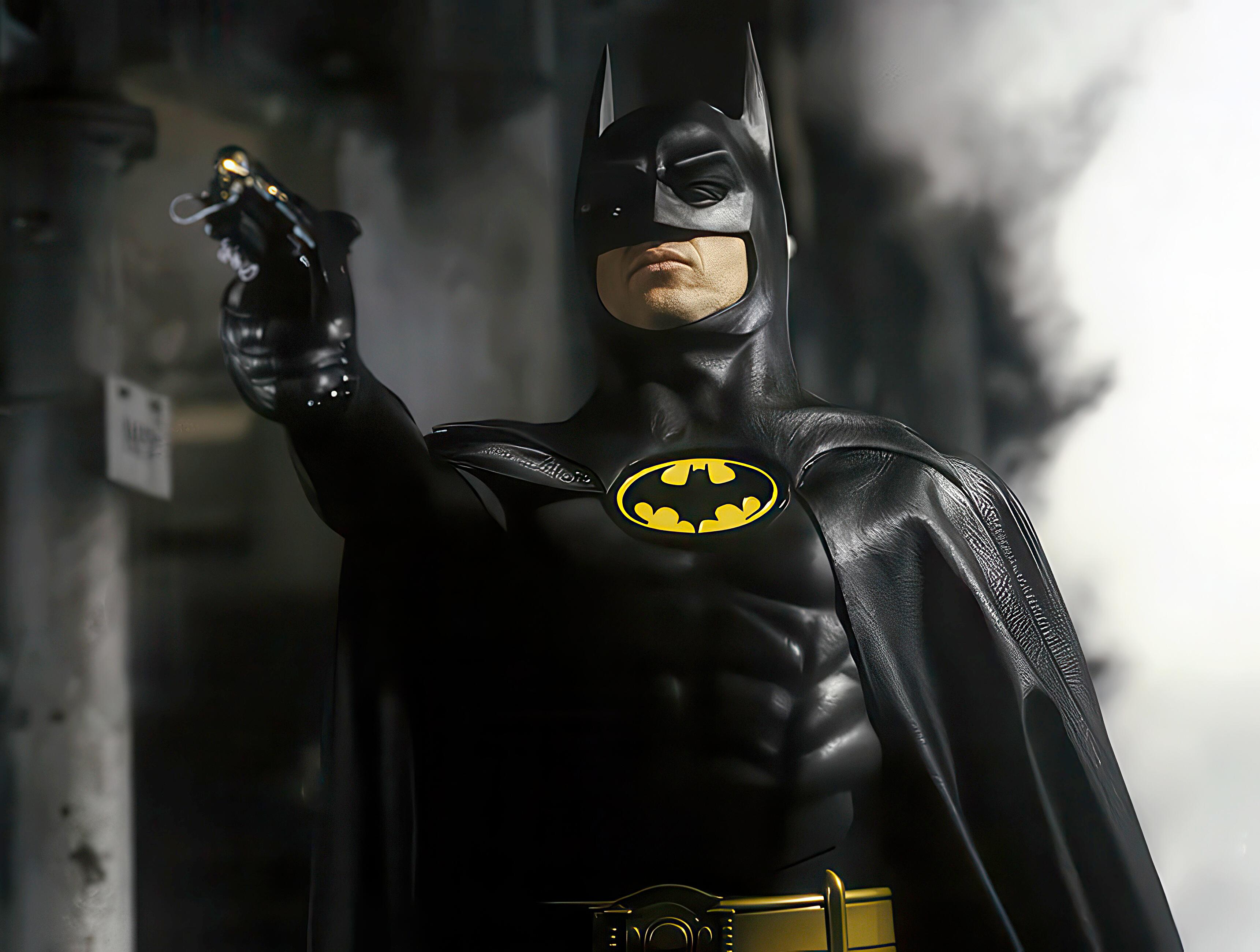
Batman (1989) - Gothic Precision
Tim Burton’s Batman presented a Caped Crusader operating with stealth, strategy, and an arsenal that felt both grounded and inspired by 1940s pulp serials.
Notable Gadgets:
Grappling Gun: One of the most iconic tools, introduced in this film, allowed Batman to scale buildings or swing across gaps. Its slick, compact design became a franchise staple.
Batarang: The razor-sharp, bat-shaped throwing weapon, often used to disable enemies or activate mechanisms from a distance. In this version, it had a utilitarian, metallic finish.
Smoke Pellets and Gas Capsules: Used for dramatic escapes or creating confusion during fights—tools of a classic detective vigilante.
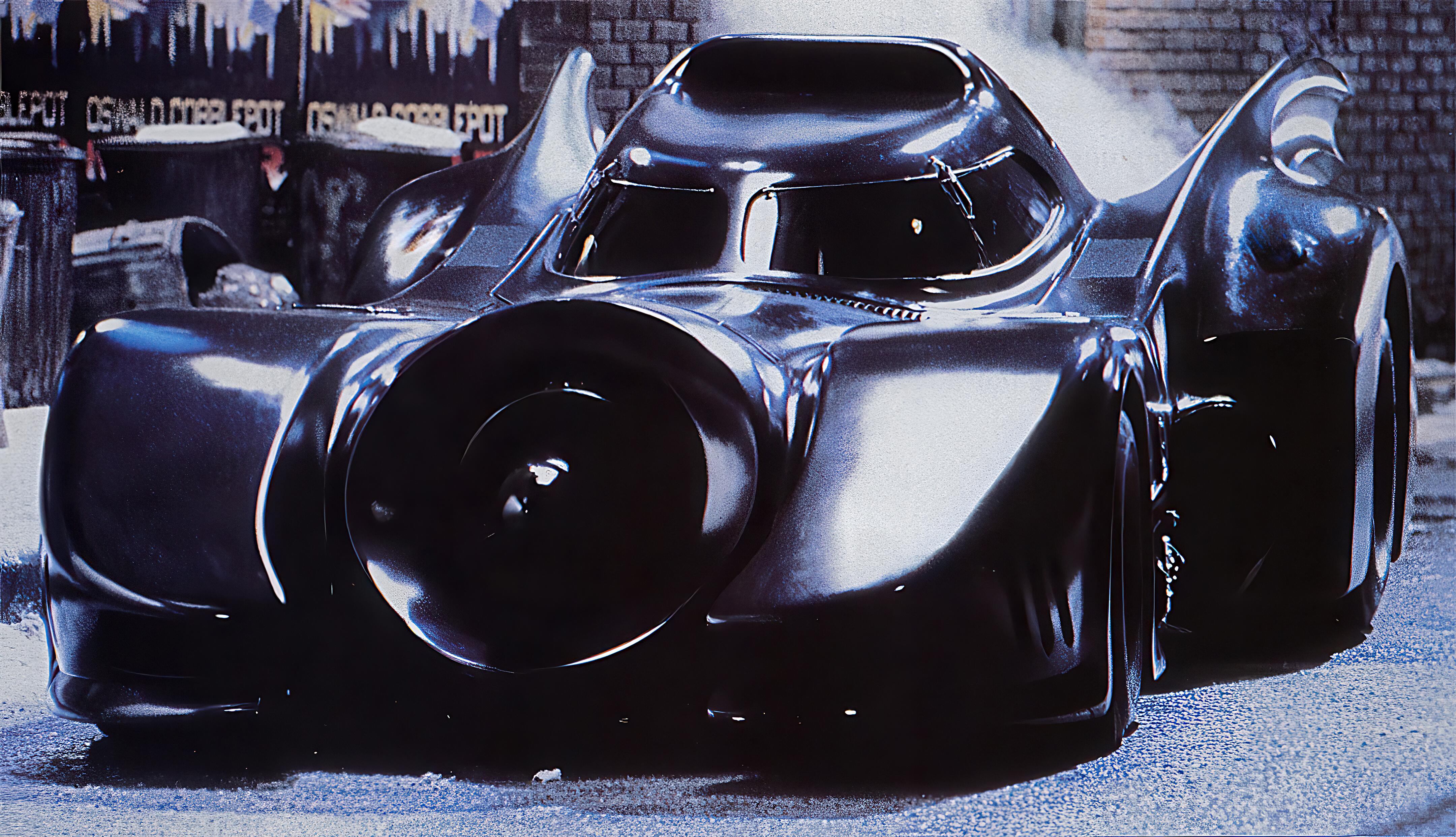
Batmobile Remote and Shields: The 1989 Batmobile was as much a gadget as a vehicle. It could be remotely summoned and protected by a cocoon-like shield system.
Bat Suit Features: While rigid, the suit included some defensive capabilities such as light armor and a communicator embedded in the cowl.
The overall design philosophy was practical but theatrical, reflecting Burton’s gothic vision—dark, stylish, and enigmatic.
Batman Returns (1992)
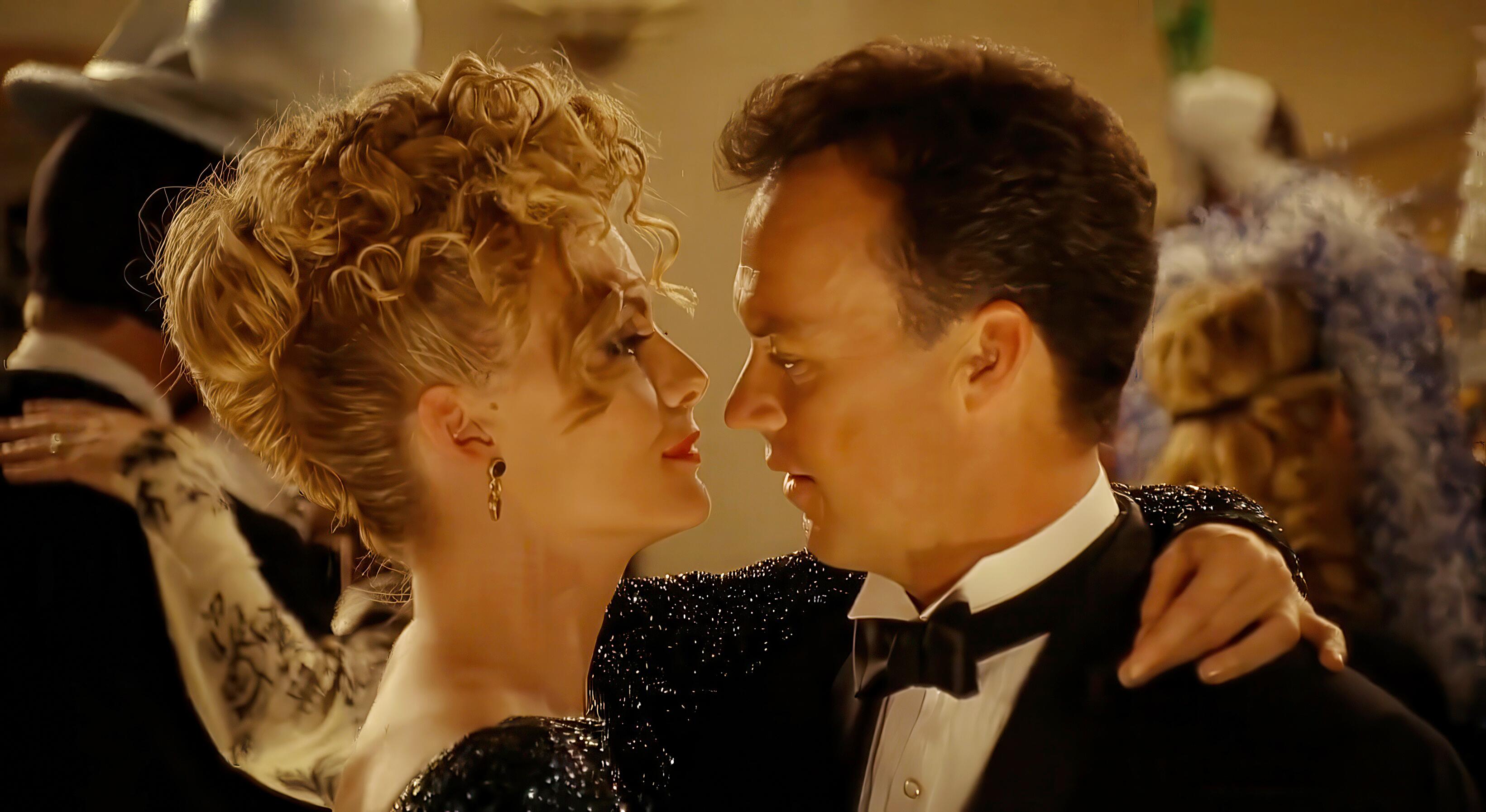
In Batman Returns (1992), director Tim Burton deepens his gothic vision of Gotham City with a darker, more operatic sequel. As Christmas approaches, Batman (Michael Keaton) faces two new threats: the monstrous and tragic Penguin (Danny DeVito), who seeks revenge on the city that cast him aside, and the enigmatic Catwoman, played with unforgettable intensity by Michelle Pfeiffer. Her portrayal of Selina Kyle—a meek secretary transformed into a vengeful anti-heroine—is now considered one of the most iconic performances in superhero cinema. Torn between attraction and opposition, Batman and Catwoman share a complex dynamic, while Gotham teeters on the edge of chaos. Visually lavish and thematically rich, Batman Returns pushes the boundaries of the comic book genre with a mix of psychological depth, stylised violence, and Burton’s signature dark fantasy flair.
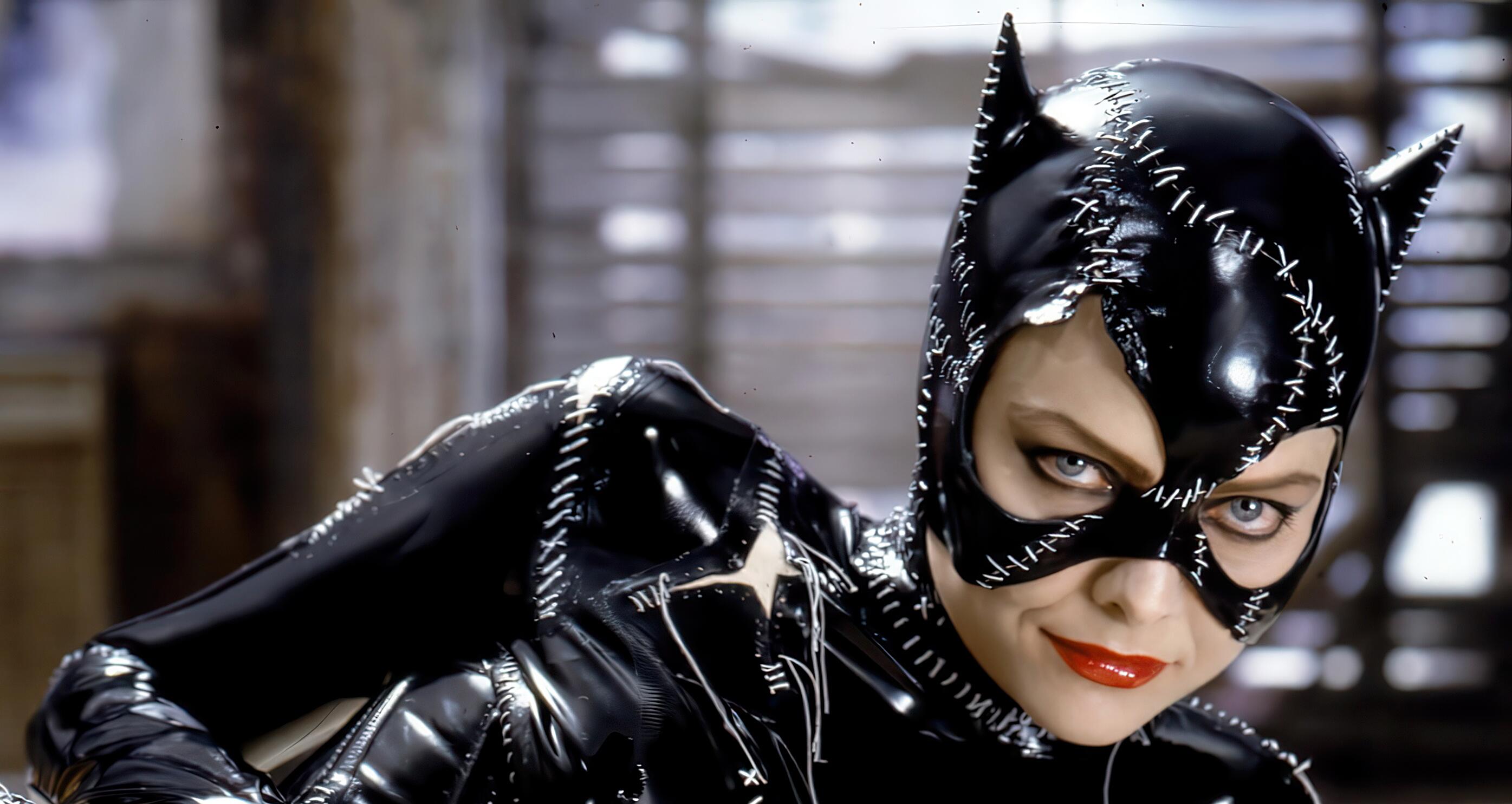
Batman Returns (1992) - Tactical Enhancements
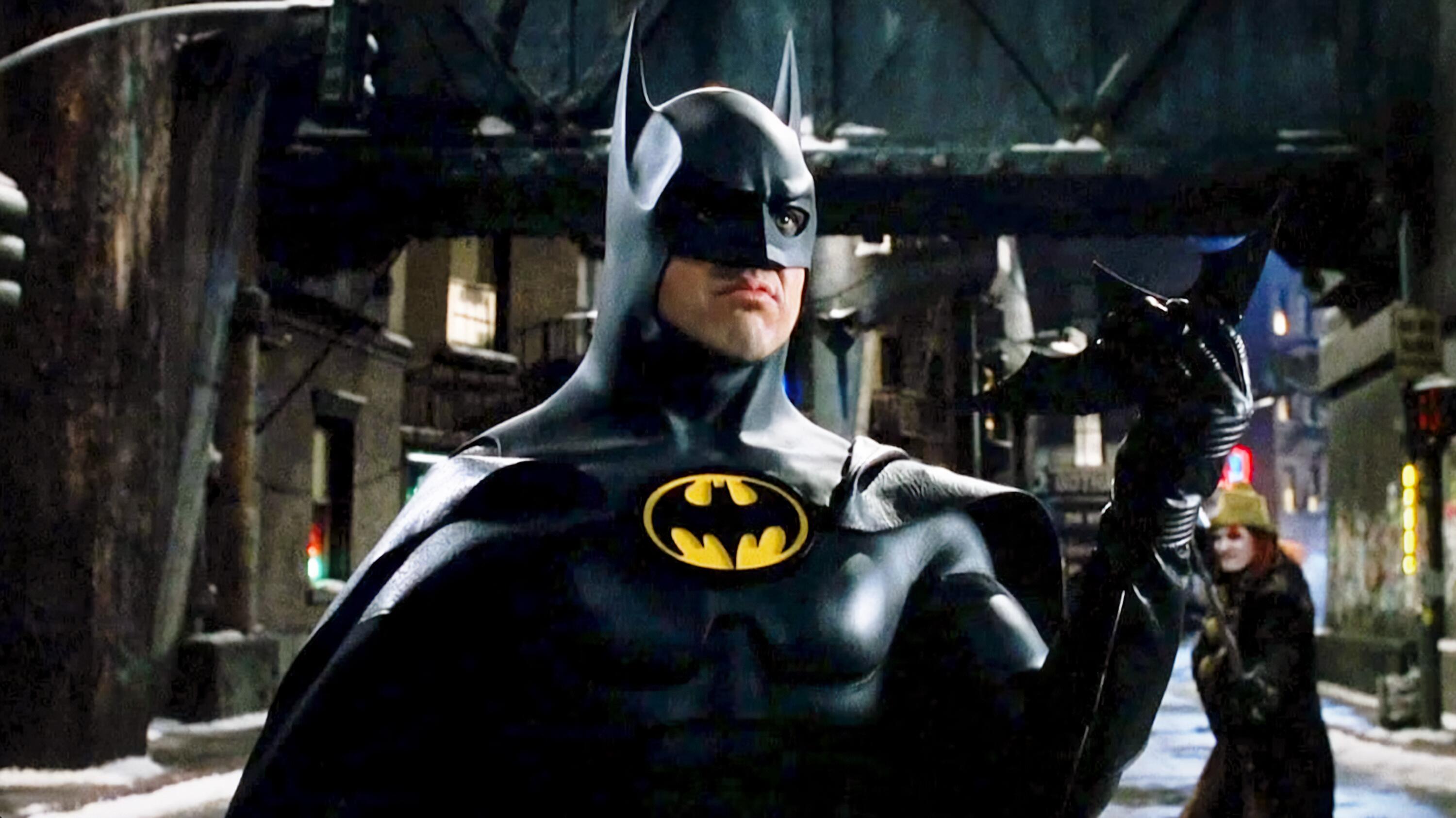
In Batman Returns, Burton doubled down on atmosphere and style. Batman’s tech evolved subtly, focusing on refinement rather than innovation.
Gadget Upgrades and Additions:
Batarang Upgrade (Programmable): Now a motorized “smart” Batarang capable of locking onto multiple targets. Batman is seen programming it with a small display screen.
Bat-Ski Boat (Batboat): Used in the film’s climax, it allowed Batman to infiltrate the Penguin’s underground lair via Gotham’s sewers. A sleek, stylized watercraft with onboard weapons and scanners.
Glider Cape: In a visually memorable scene, Batman uses a rigid-winged cape to glide through the air—an evolution of the classic theatrical escape.
Mini-Gadgets: Including small explosives and signal jammers, used discreetly during fights or infiltration missions.
Batmobile Upgrades: The vehicle could now transform into a narrower “Batmissile” mode, shedding its sides to navigate tight spaces.
The gadgets in Batman Returns were more technologically advanced but still retained a gothic-industrial design sensibility, fitting the darker tone of the sequel.
Batman Forever (1995)
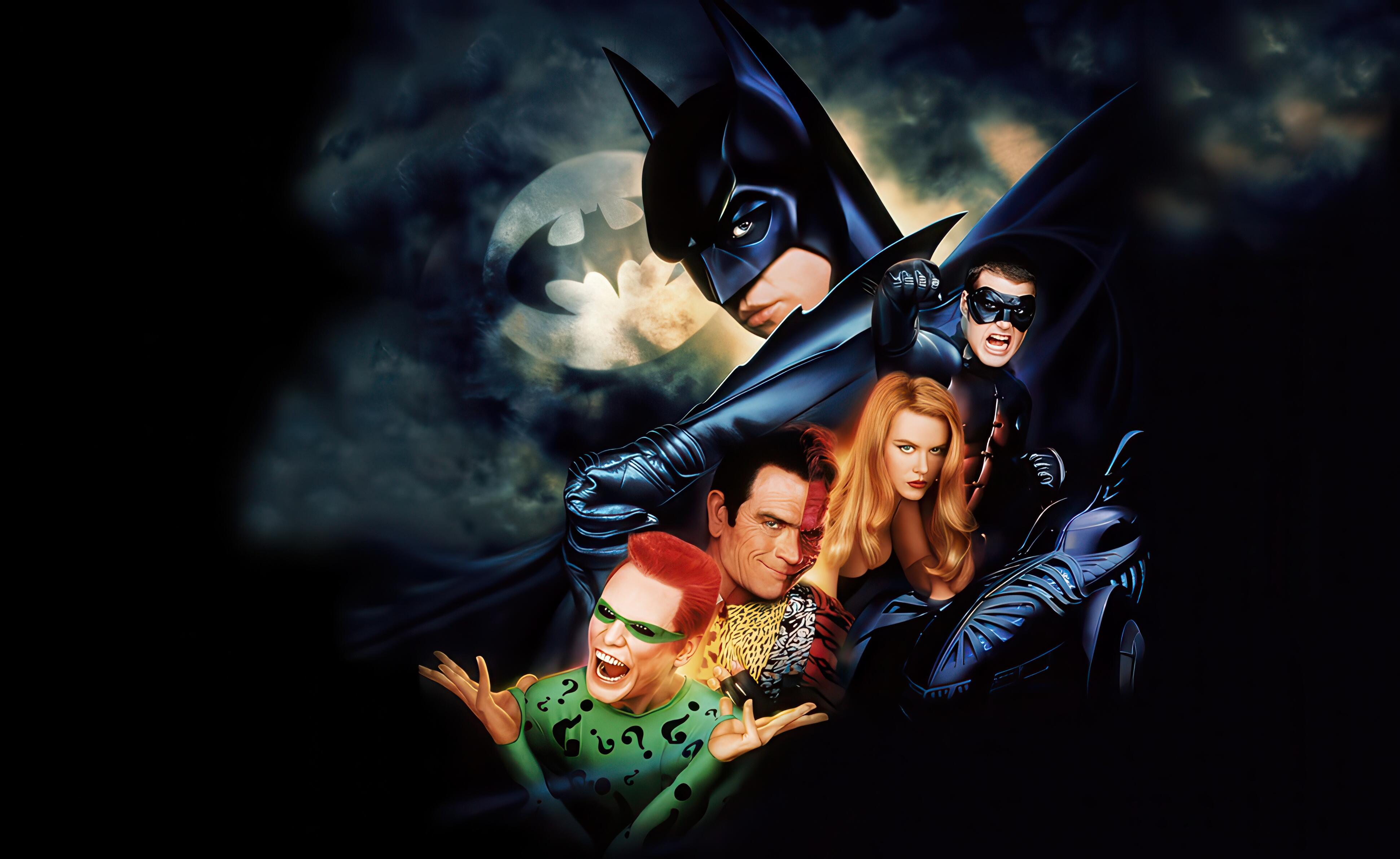
In Batman Forever (1995), Gotham’s Dark Knight returns with a new face—Val Kilmer takes on the role of Bruce Wayne/Batman in a more vibrant, stylised take on the franchise. Directed by Joel Schumacher, the film introduces two new villains: the manic and theatrical Riddler (Jim Carrey), and the vengeful, dual-faced Harvey Dent/Two-Face (Tommy Lee Jones). As Batman grapples with his dual identity, he also forms a bond with orphaned acrobat Dick Grayson (Chris O'Donnell), who eventually becomes Robin. Amidst neon-lit cityscapes and high-tech gadgetry, the film explores themes of trauma, choice, and identity. Nicole Kidman stars as Dr. Chase Meridian, a psychologist drawn to both Bruce and his alter ego. With a lighter tone and heightened spectacle, Batman Forever marked a bold tonal shift in the cinematic legacy of the caped crusader.
Batman Forever (1995) - Neon Tech and Flashy Functionality
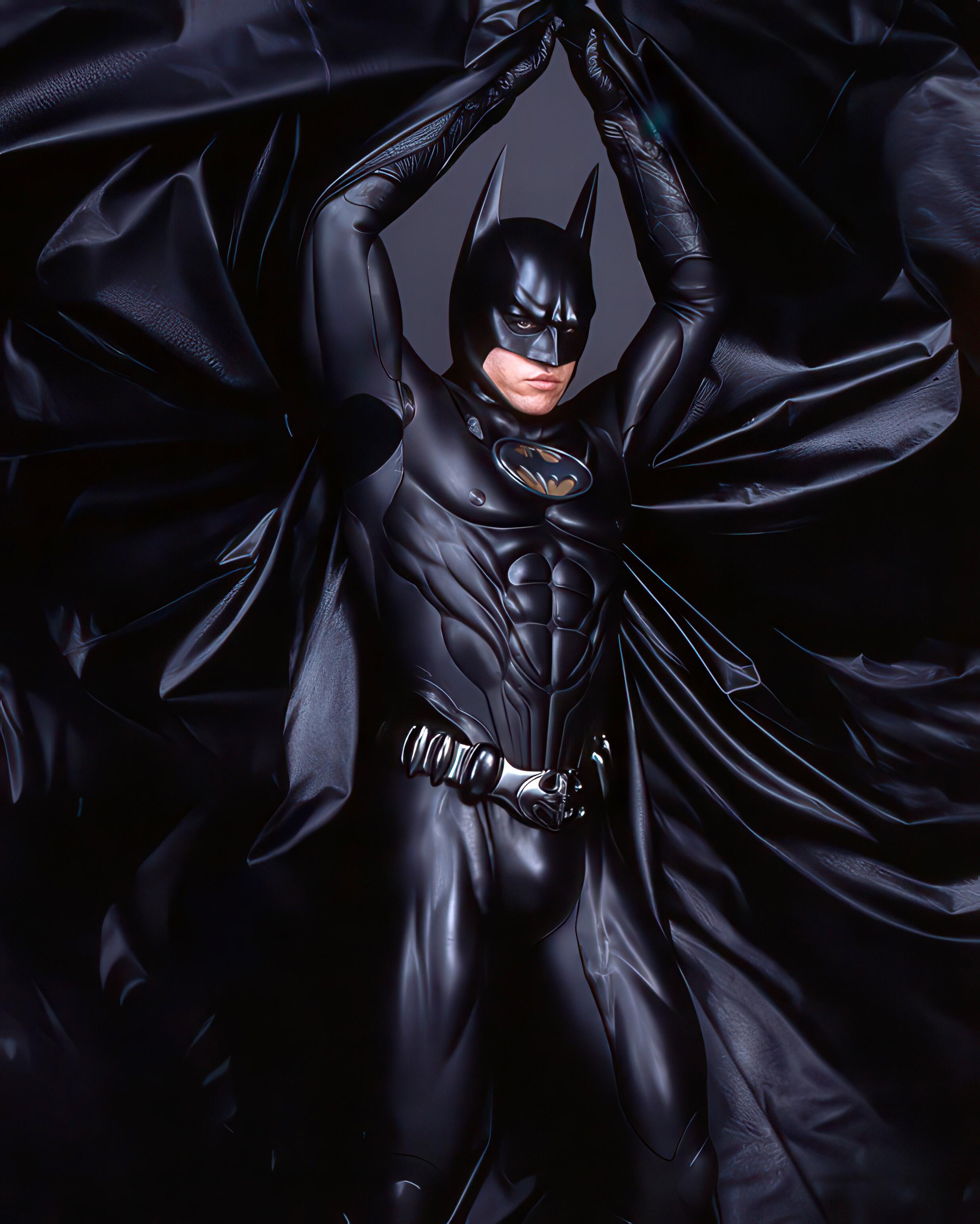
With Joel Schumacher’s Batman Forever, the tone of the franchise shifted dramatically—from noir to neon. Val Kilmer’s Batman operated in a more vibrant, stylized Gotham, and his gadgets reflected this visual departure.
New Gadgets and Innovations:
Sonar Batsuit: Designed for the film’s final act, the sonar suit included light-sensitive lenses and sonar-enhanced audio, giving Batman enhanced vision and hearing—almost predator-like in function.
Improved Grappling Hook & Line Launcher: Slimmer and more efficient, the grappling system was more frequently used and better integrated into Batman’s combat strategy.
Batarang Redesigns: These included folding Batarangs and ones that emitted light or electricity. Their designs were sleeker, more ornamental, and emphasized form as much as function.
Batmobile Redesign: Featuring a glowing, almost skeletal frame and pulsating engine cores, the Batmobile was now an art piece with gadgetry including grappling cables, a split cockpit, and built-in turbo boost.
Batplane (Batwing): Reimagined with sleek, wing-like designs and a rotating cockpit, this version emphasized agility and showmanship over stealth.
Utility Belt Gadgets: These now included a mini blowtorch, cutting tools, tracking devices, and more compact versions of previous tools—often deployed rapidly in combat.
While some critics saw the shift as superficial, Batman Forever introduced more tech-oriented gadgets and began moving toward a Batman with access to near-futuristic capabilities—paving the way for even more elaborate tools in later films.
While Batman’s major gadgets—like the Batmobile, Batarangs, and grappling guns—often steal the spotlight, some of his most critical tools are more subtle, yet no less essential. From life-saving breathing apparatuses to the iconic headgear that defines his silhouette, these elements reveal Batman's meticulous preparation and design philosophy. Two standout examples from this era are the rebreather from Batman Forever and the cowl introduced in Batman (1989)—gadgets that not only served key functions but also contributed to the character’s mythos in distinct ways.
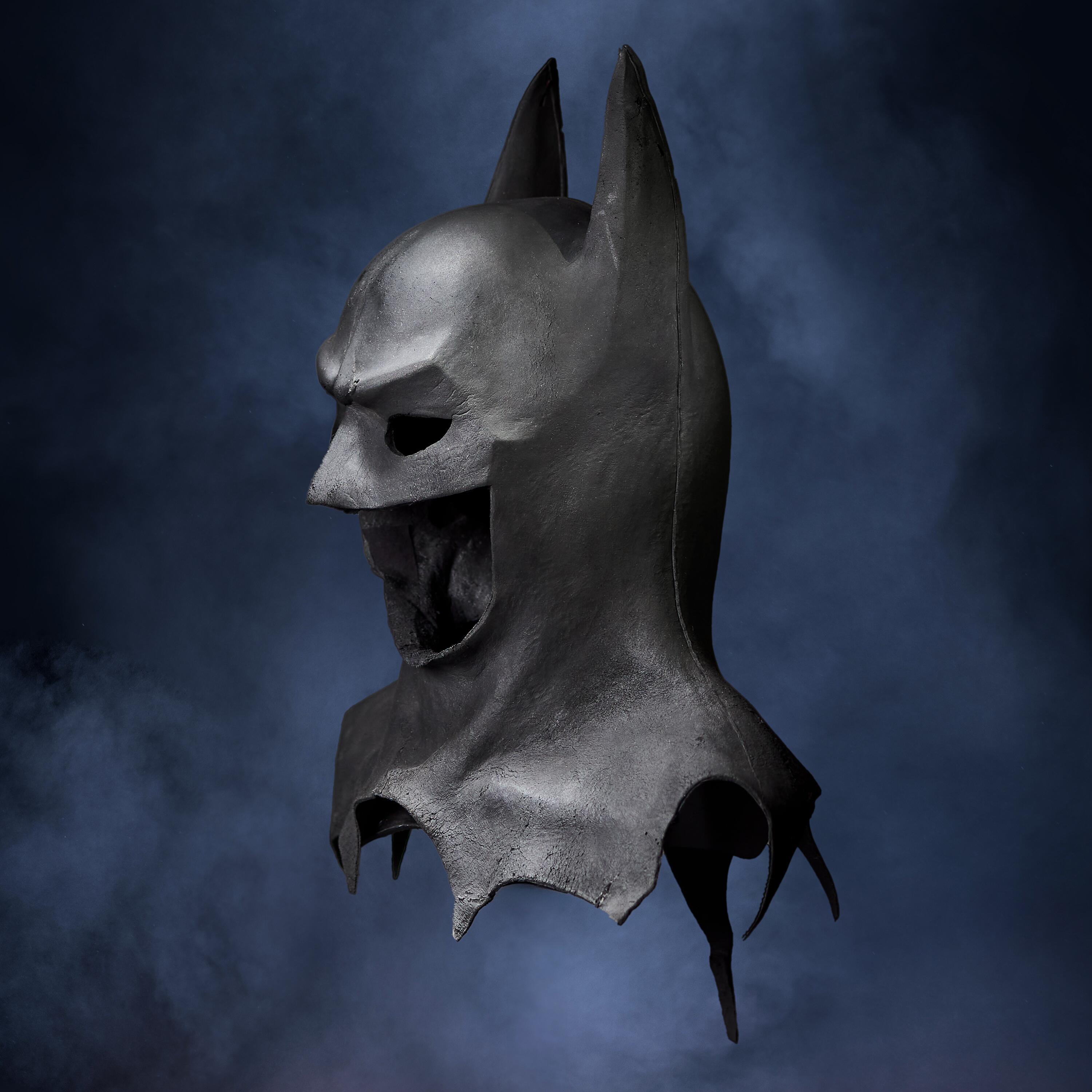
Batman’s Cowl – Batman (1989)
The 1989 Batman cowl is one of the most iconic elements of the character's cinematic redesign. More than a costume piece, it was a functional part of Batman’s crime-fighting toolkit.
Material and Design: Constructed to appear as if sculpted from rubber or Kevlar-like material, the cowl covered Batman’s head and shoulders, merging with the cape in a seamless silhouette. The design emphasized intimidation, with angular brows and a square jawline.
Utility Features:
Communication System: Though subtle, the cowl housed a short-range comms device, allowing Batman to coordinate remotely (used in conjunction with the Batmobile's remote system).
Bullet Resistance: While not invulnerable, the cowl offered moderate ballistic protection, fitting Burton’s vision of a more grounded but heavily armored Batman.
Movement Limitation: A known drawback of the 1989 cowl was its rigidity. Michael Keaton could not turn his head independently, leading to the now-famous “Bat-turn” where the entire upper body rotated.
Cultural Impact: Despite practical limitations, the cowl’s sculpted look became a blueprint for future iterations, emphasizing a fusion of medieval knight and urban vigilante.
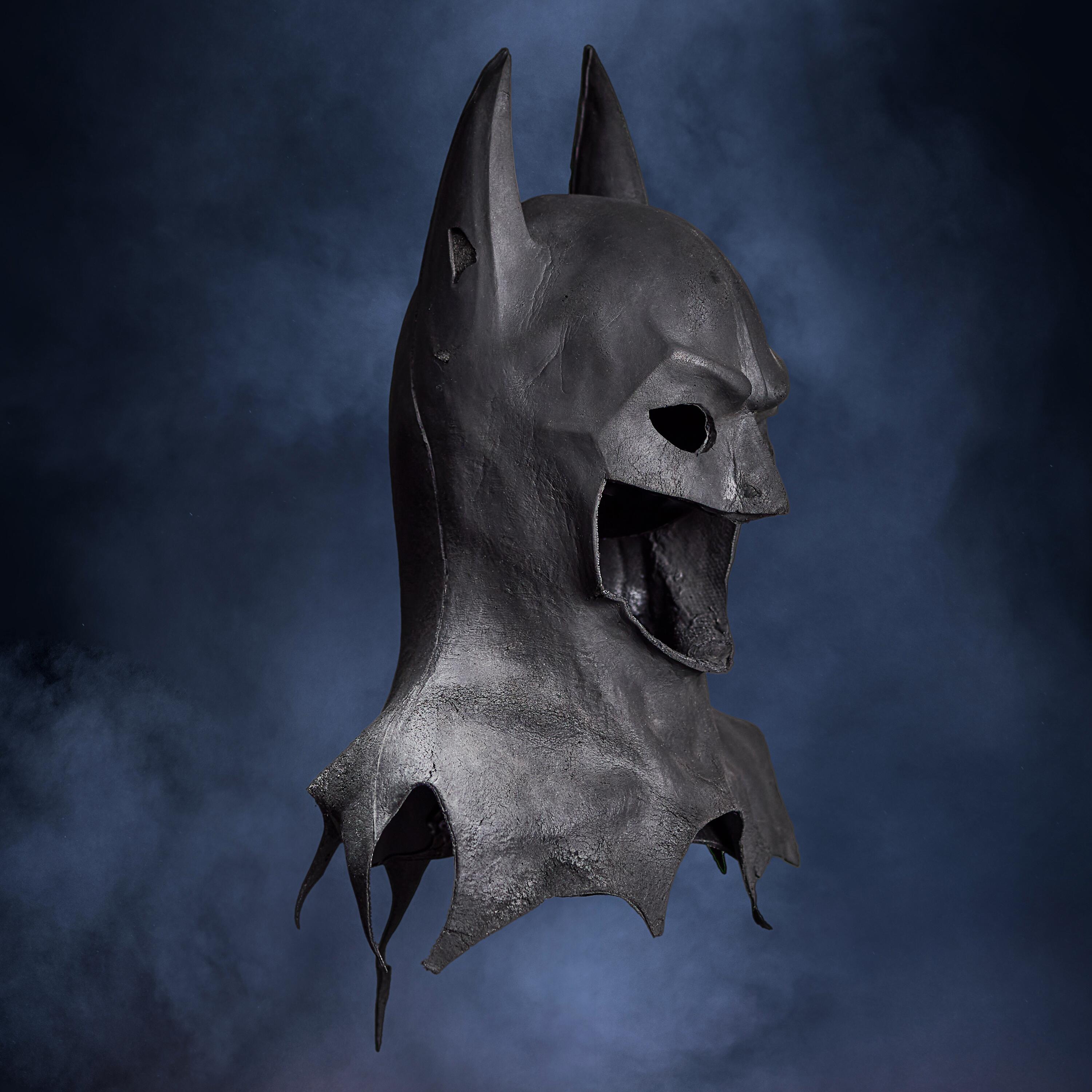
At Kudos Memorabilia, we currently have a classic production-made Batman Cowl from visionary director Tim Burton;s masterpiece, Batman, released to public and critical acclaim in 1989.This iconic cowl is a pivotal part of Batman's signature look and is available for exhibition rental., The cowl has been constructed from foam latex and showcases Batman's pointed ears, sculpted brow and scalloped edges. A seam runs from the left shoulder to the right over the top of the head.
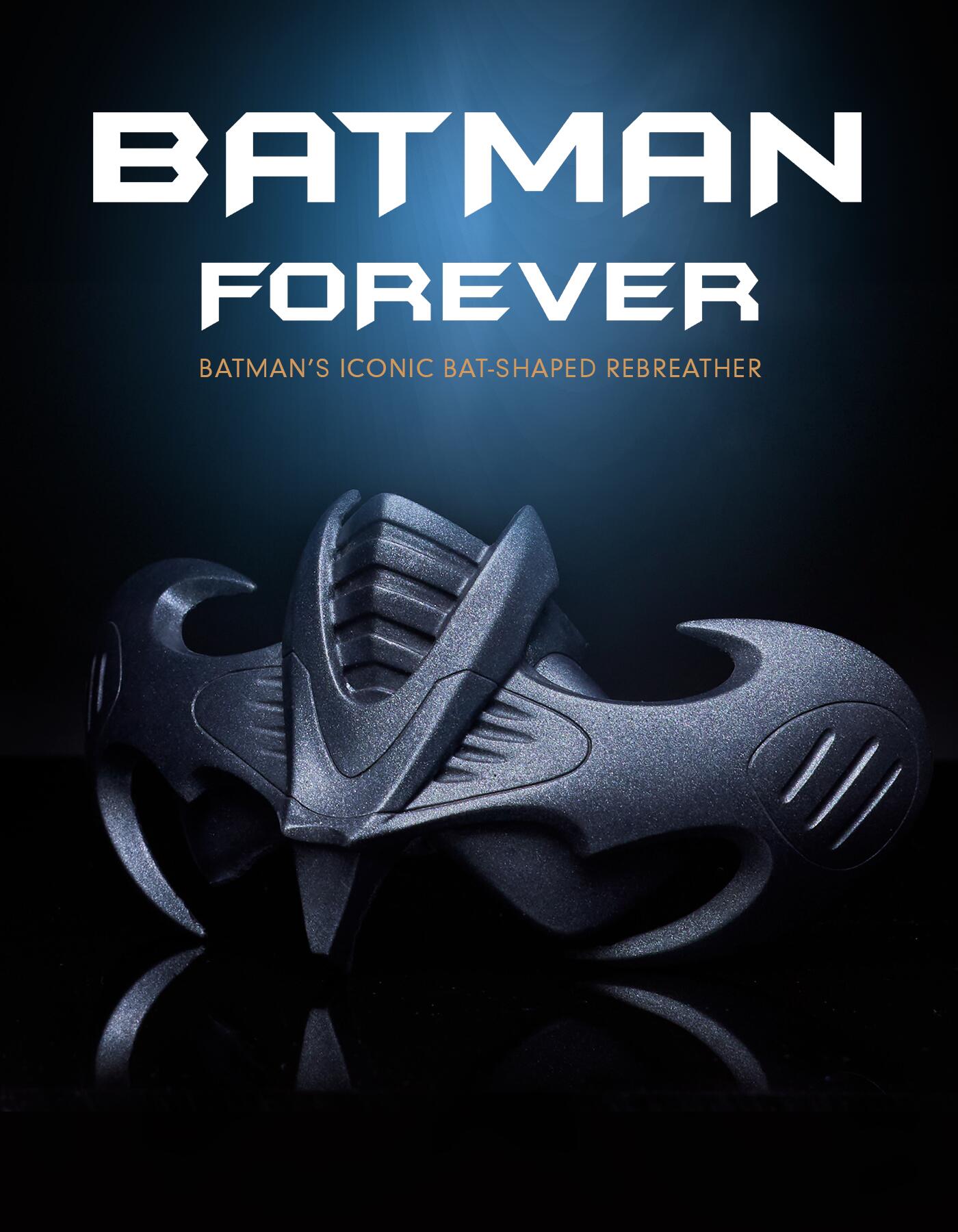
Batman’s Rebreather – Batman Forever
In Batman Forever, one of the more understated but clever gadgets is the rebreather—a compact underwater breathing device that Batman uses during his infiltration of Riddler’s island lair. Though only briefly shown, this tool exemplifies Batman’s preparedness for any scenario.
Design & Function: The rebreather is small enough to be stored on the utility belt and fits seamlessly over the mouth. Unlike traditional scuba gear, it doesn't require a large air tank, aligning with Batman’s minimalist stealth approach.
Tactical Advantage: This device allows Batman to enter and exit enemy territory underwater, unseen. It's a practical addition to his arsenal, showcasing his background as a strategic thinker and survival expert.
Influence: The concept of a rebreather would appear in later Batman media, including animated series and video games, proving its value as a staple of Batman’s underwater gear.
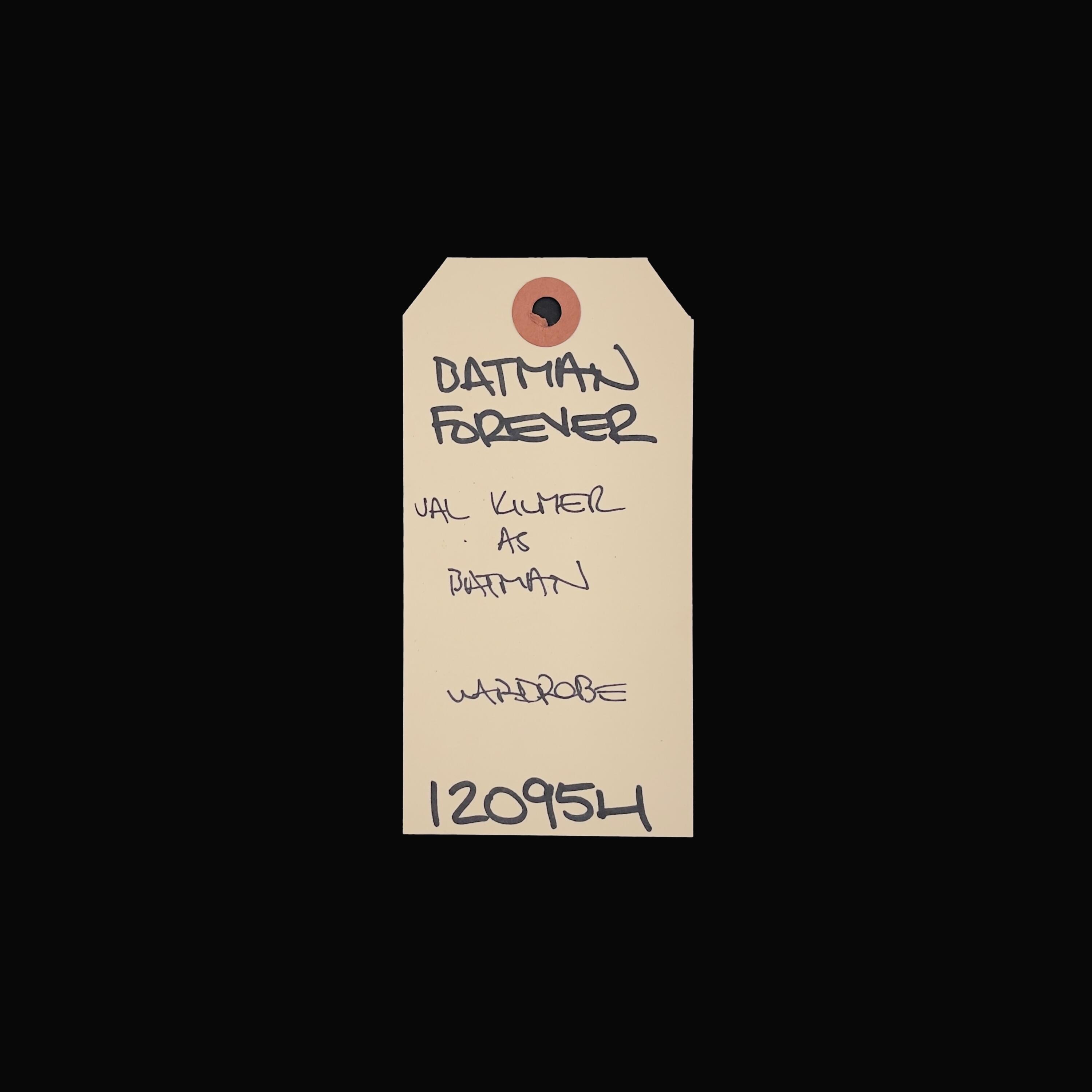
At Kudos Memorabilia, we are proud to present Batman's iconic rebreather from Batman Forever, released in 1995. Batman and Robin deployed rebreathers, whilst swimming towards Claw Island, following the destruction of their vehicles by The Riddler and Two-Face during the film's finale. A rebreather, or respirator, is a small bat-shaped breathing device used by Batman and other members of the Bat-Family. This rubber rebreather showcases a black bat-shaped body with indented and simulated vents. A white foam inner mouthpiece has been attached on the reverse side with self-adhesive strips, allowing the actor to grip the prop between his teeth.
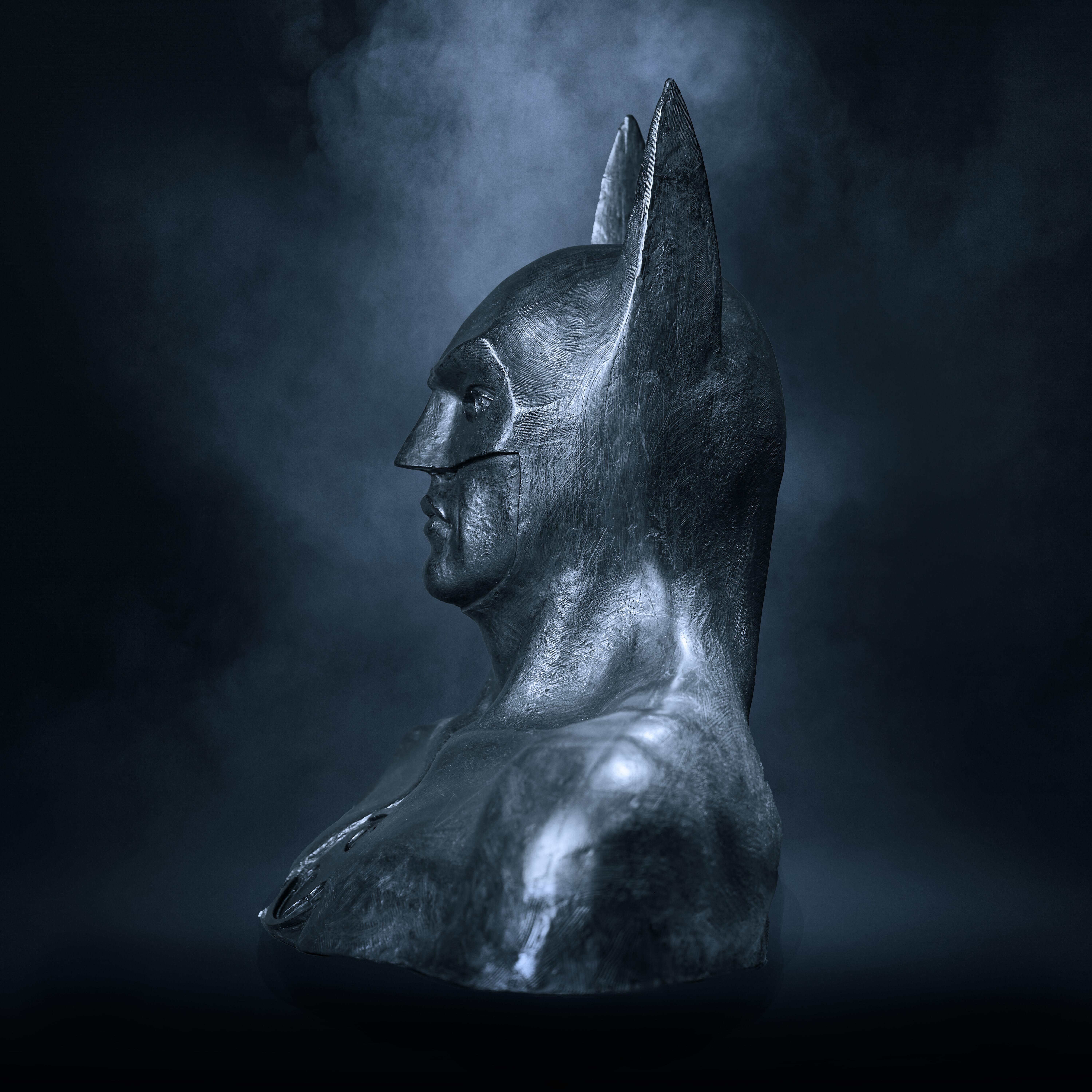
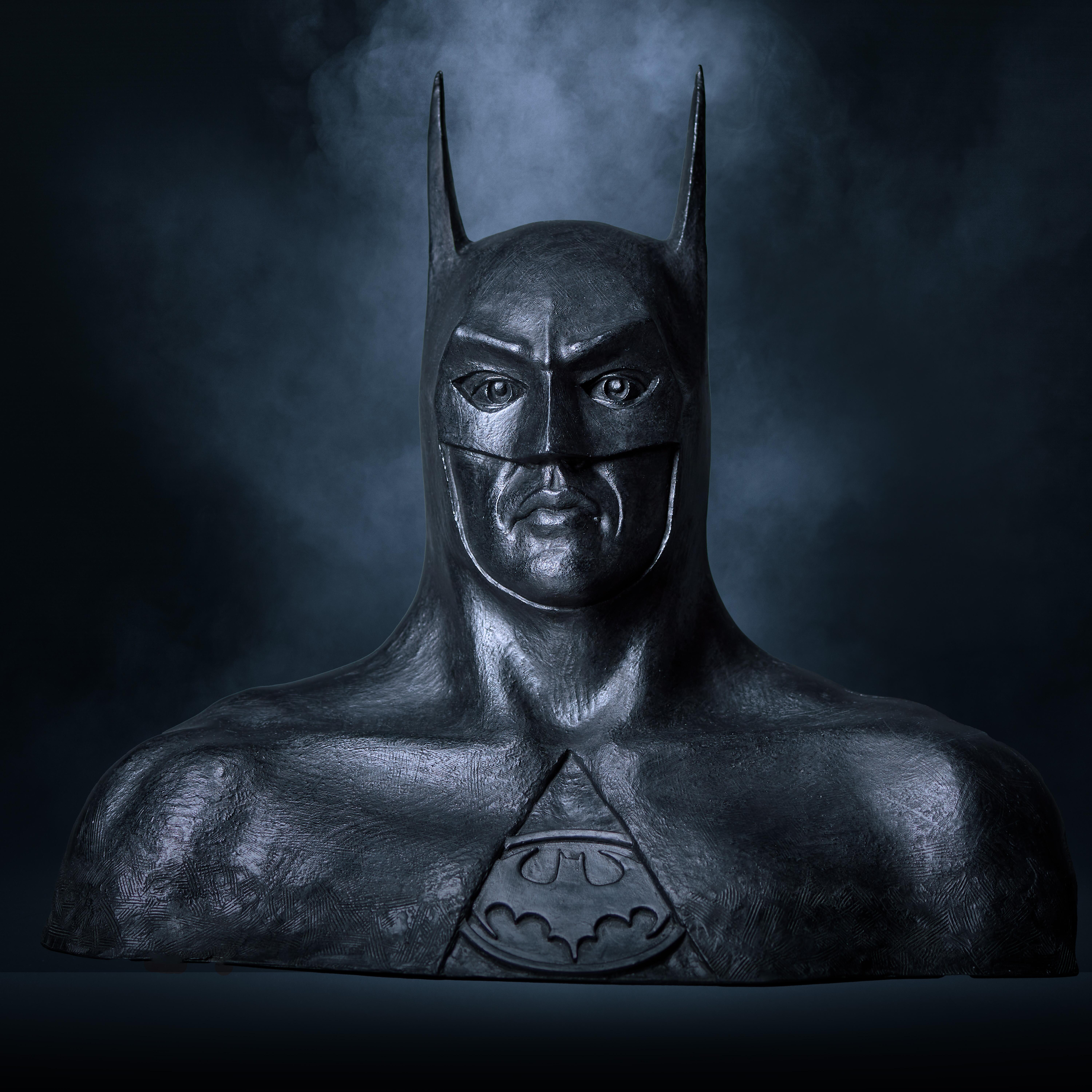
Production Bust for Batman's Cowl (Michael Keaton) – Batman
This evocative and detailed production bust of Batman's mask and cowl was created by ace-sculptor, Vin Burnham, for Tim Burton's groundbreaking Dark Knight movie, 'Batman', released to critical and popular acclaim in 1989. It is available for sale now at Kudos Memorabilia.
Together with costume designer, Bog Ringwood, and co-sculptor, Alli Eynon, Burnham was part of the talented triumvirate that created the unforgettable Batsuit for actor, Michael Keaton.
This critical production bust was the very first sculpted rendition created for director Tim Burton and is, therefore, very historic. The bust, which is constructed from fibreglass, represents Burton's proposed design aesthetic and allowed the visionary helmer to assess the concept before refining and approving his unique and now iconic interpretation of the character.
Between 1989 and 1995, Batman’s gadgets evolved from noir-inspired tools of a brooding detective into high-tech weapons fit for a superhero spectacle. Under Burton, the gadgets had grit and mystique; under Schumacher, they became sleek and spectacular. This evolution reflects not just technological imagination but also the changing tastes of audiences and studios. Whether cloaked in shadow or lit by neon, Batman’s gear has always been an extension of his character—adaptable, iconic, and endlessly fascinating.
Be sure to check out our full collection of original, authentic Batman Memorabilia here. And don't forget to read our other Batman related posts:
