



The Legend Never Dies: Honouring the Life, Legacy, and Unbreakable Myth of Chuck Norris
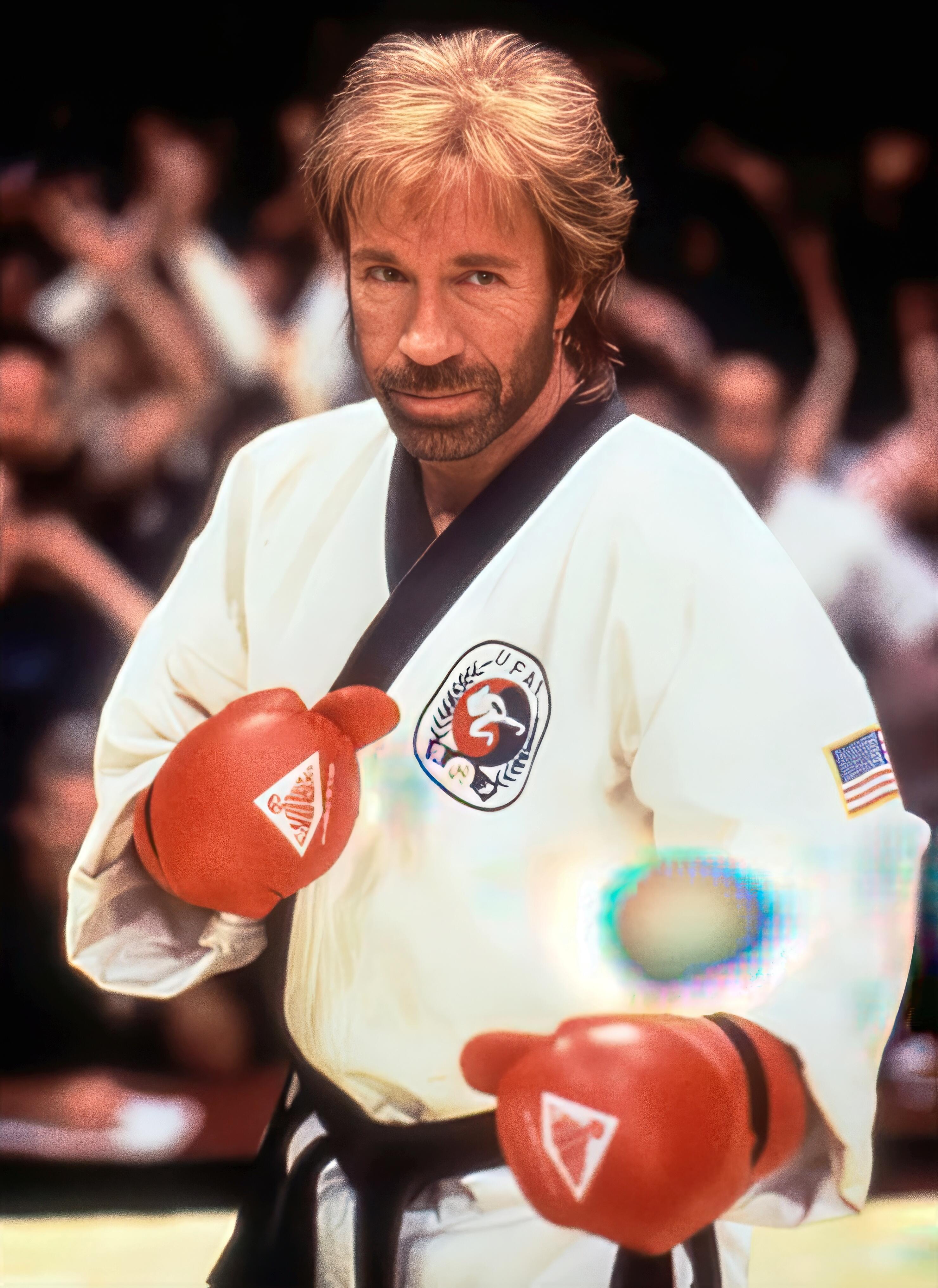
Chuck Norris was not just an action star; he was a world‑class martial artist, a pop‑culture icon, and, by the end, the human embodiment of the internet’s favourite joke about invincibility. His sudden passing on March 19, 2026, at age 86, closed one chapter—but the legend people built around his name will run on indefinitely.
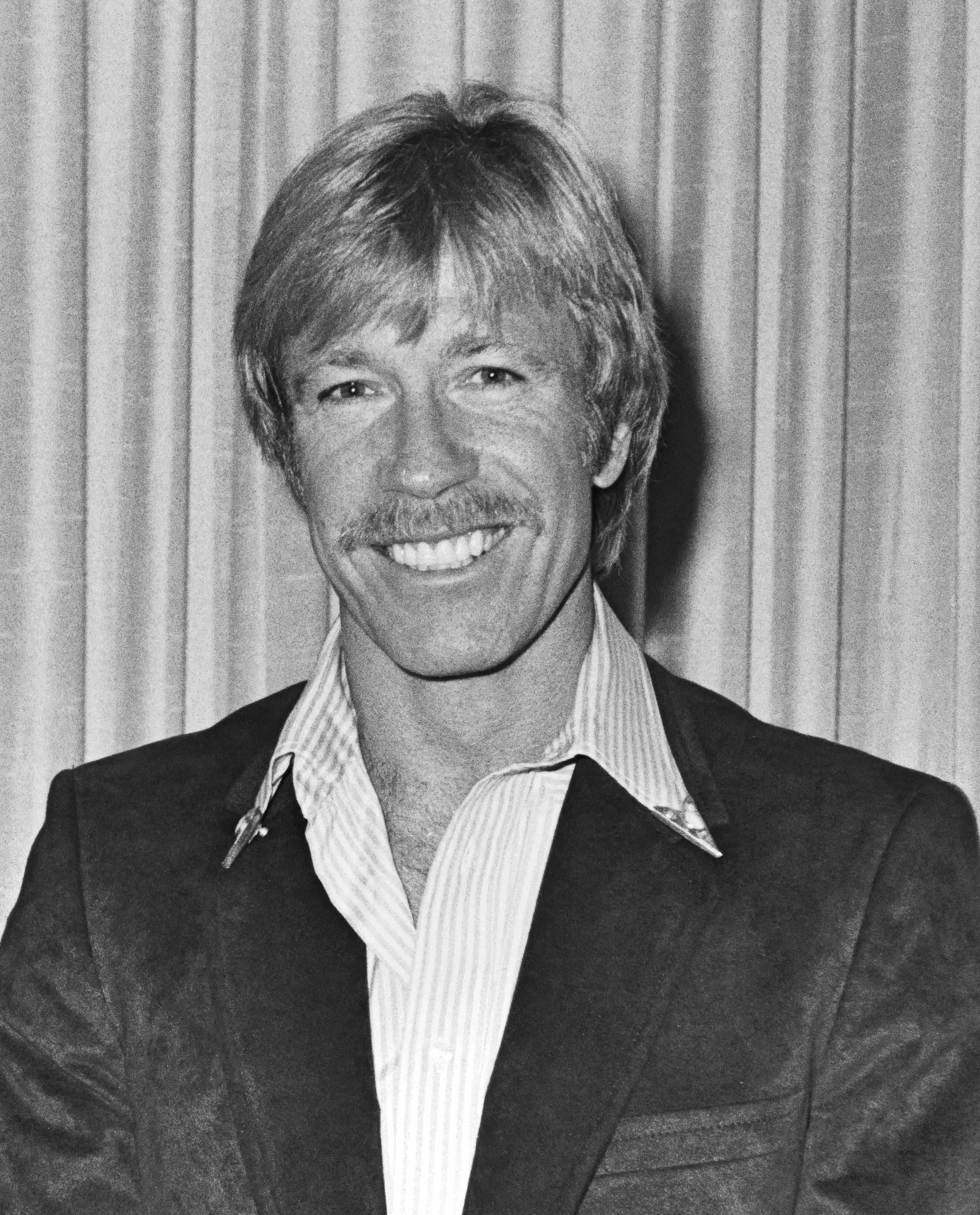
Origins of a Quiet Warrior
Carlos Ray “Chuck” Norris was born on March 10, 1940, in Ryan, Oklahoma, during the tail end of the Great Depression, in a family that knew hardship and instability. As a shy, self‑described non‑athletic child who struggled in school and with his parents’ divorce, he had few hints of the unstoppable persona he would later project on film and online.
In 1958, Norris joined the United States Air Force as an Air Policeman and was stationed at Osan Air Base in South Korea, where he picked up the nickname “Chuck.” It was there that he began serious training in Tang Soo Do and other martial arts, laying the foundation for the discipline, precision, and power that would define his life.
Building a Martial Arts Legend
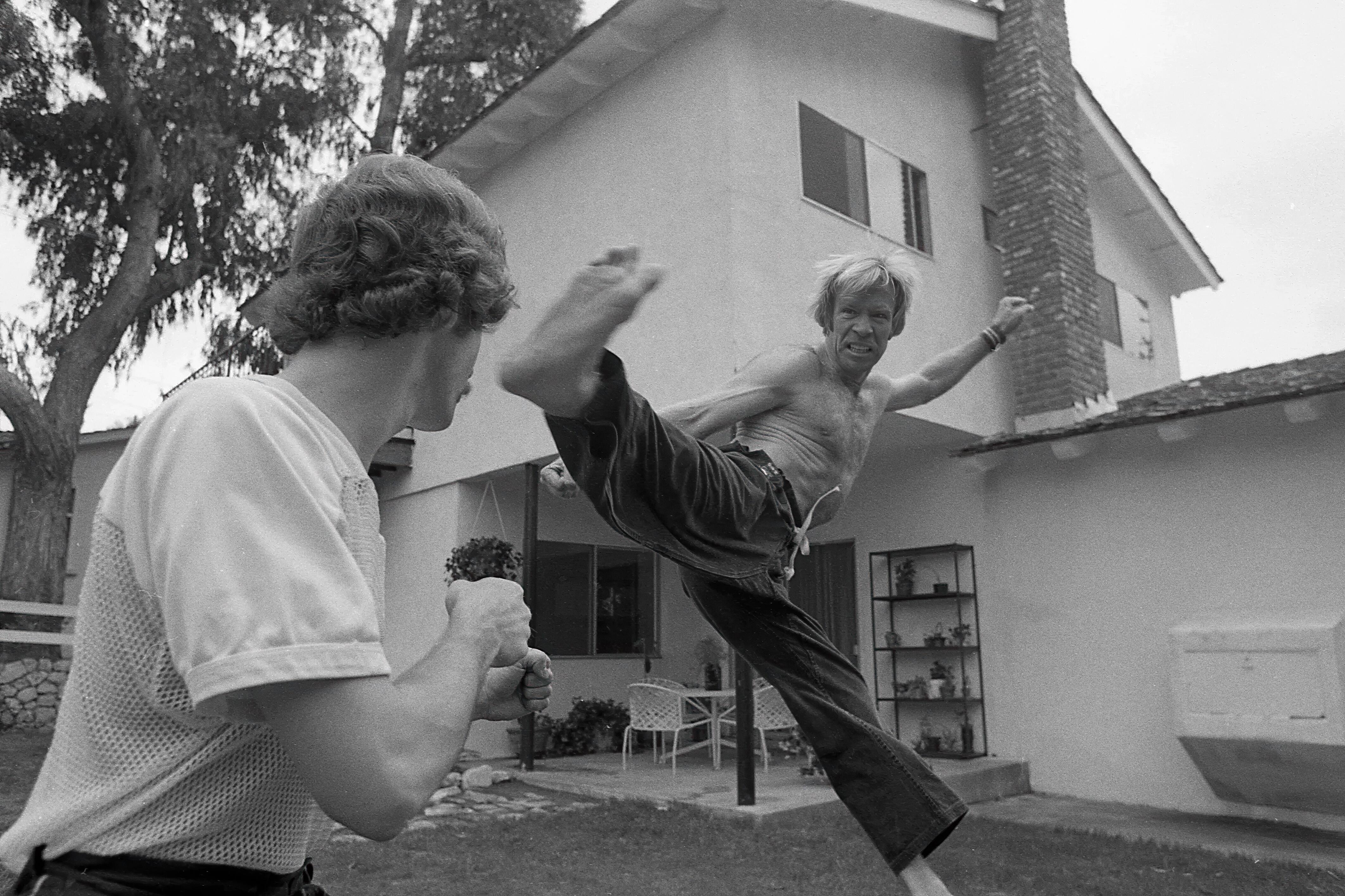
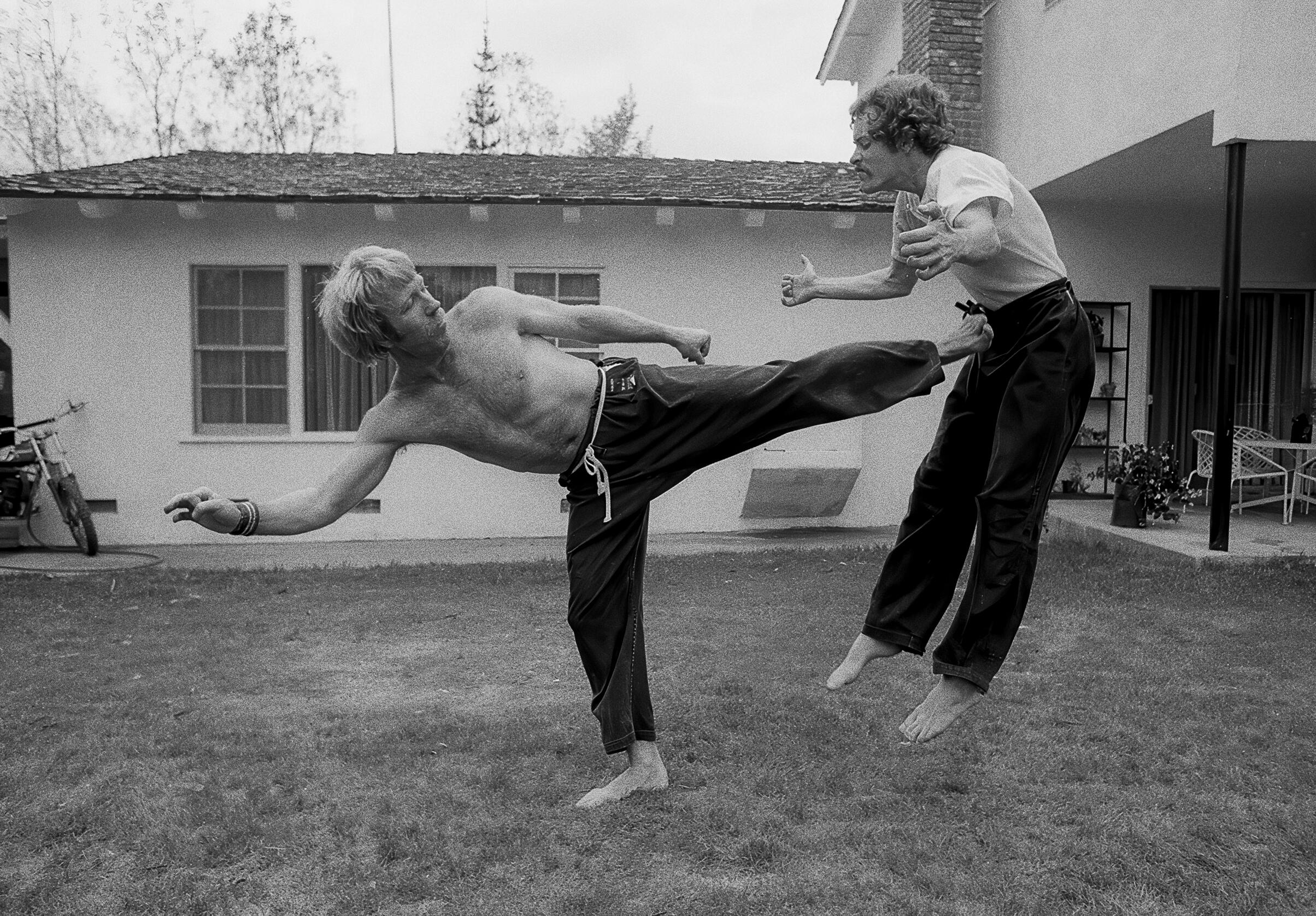
After returning to the United States, Norris continued serving as an Air Policeman at March Air Force Base in California before being honourably discharged in 1962. While applying to become a police officer in Torrance, he instead opened a martial arts school and started fighting on the tournament circuit, initially losing several matches before turning into one of the most dominant competitors of his era.
Norris captured the Professional Middleweight Karate Championship in 1968 and held the title for six consecutive years, retiring from competition in 1974 with an estimated 65–5 record. During that run he collected honours such as the “Triple Crown” for most tournament wins in 1969 and Black Belt magazine’s Fighter of the Year, and he later became the first Westerner to earn an 8th‑degree black belt Grand Master ranking in Taekwondo.
From Dojo to Hollywood
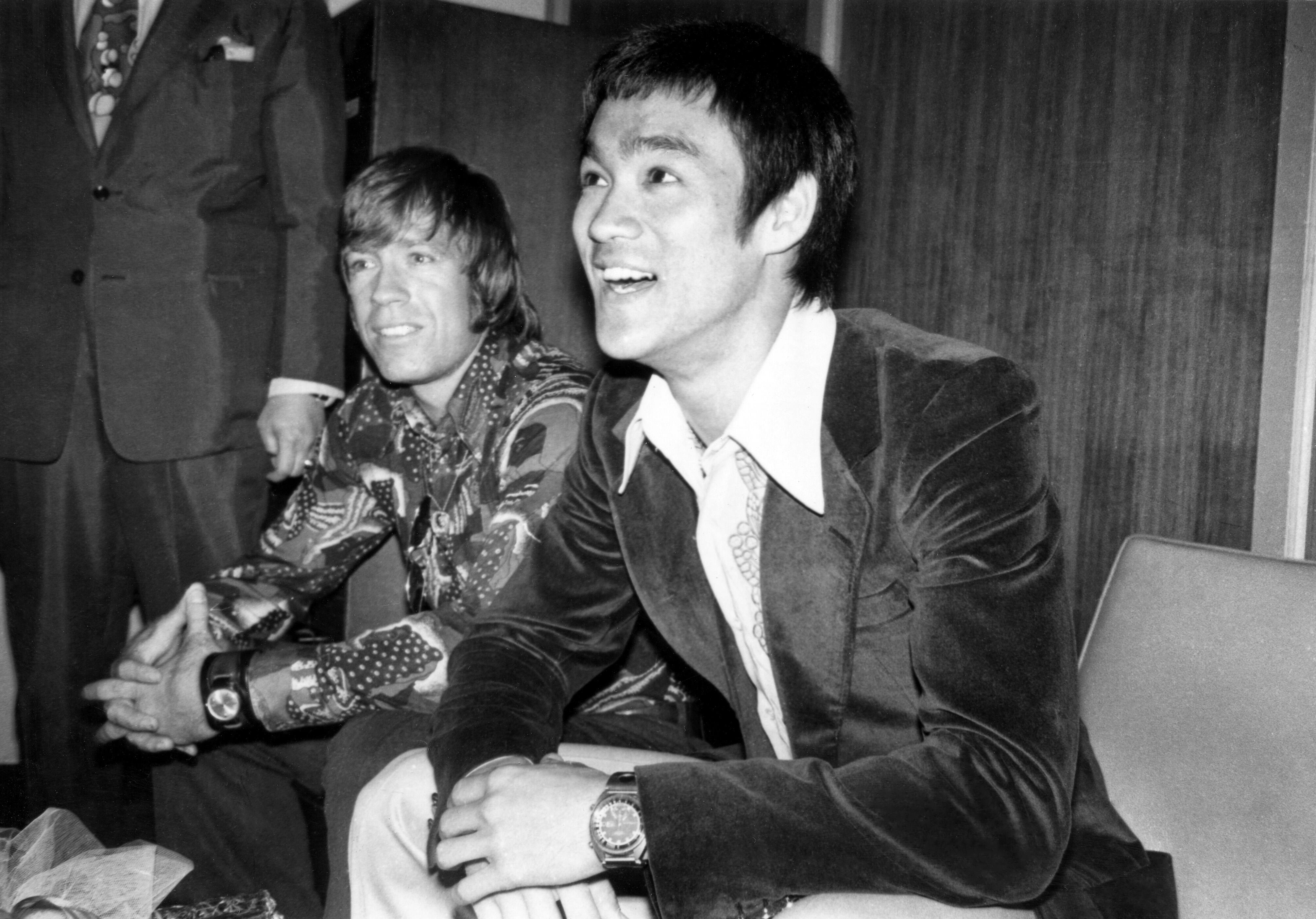
Norris’s reputation brought a steady stream of celebrity students into his schools, including Steve McQueen, who famously encouraged him to try acting. He began with small roles before landing his breakout villain turn opposite Bruce Lee in the 1972 film Way of the Dragon, culminating in their legendary fight sequence in Rome’s Colosseum, a scene still widely cited as one of cinema’s great martial arts duels.
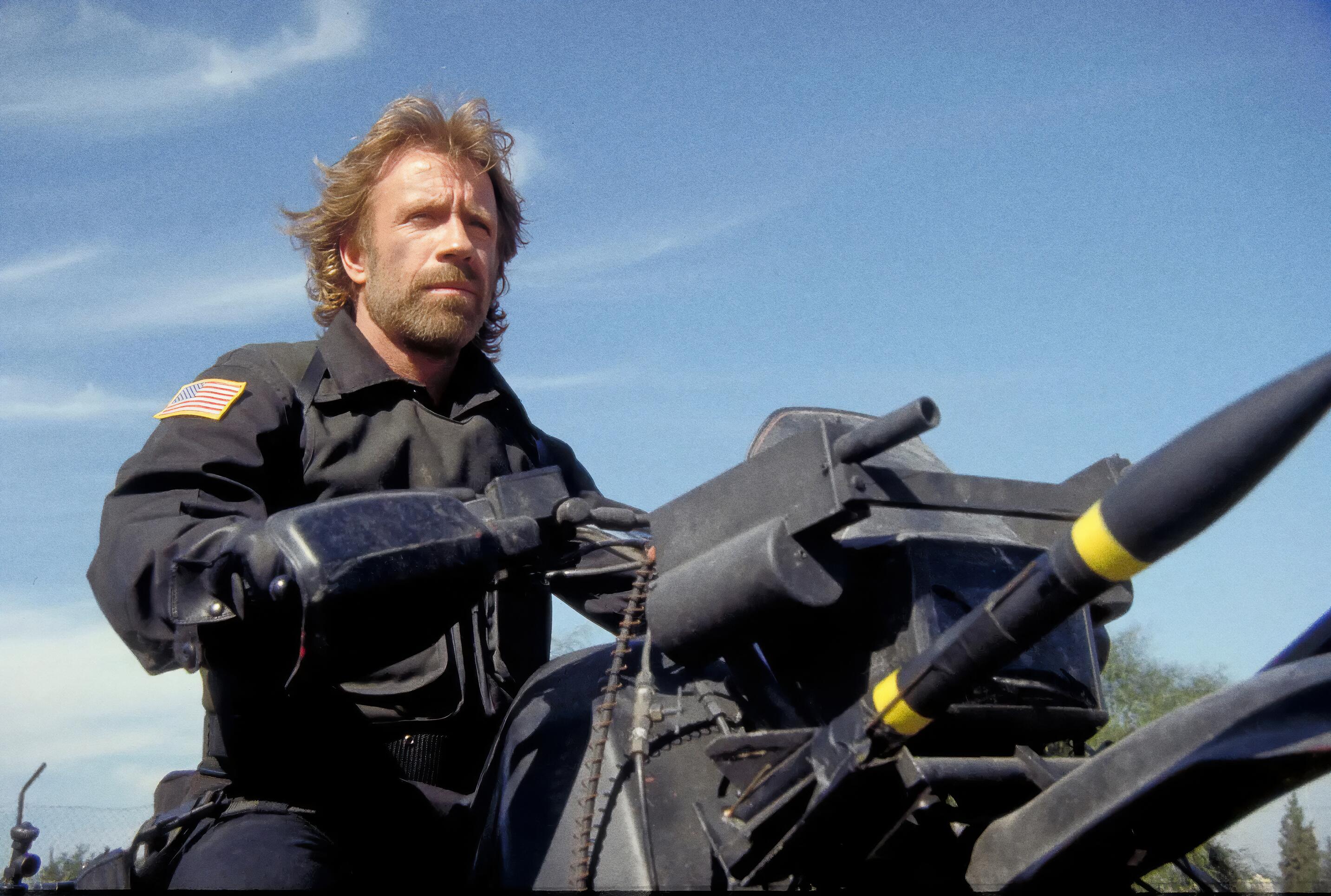
Through the late 1970s and 1980s, Norris became synonymous with the stoic, principled American action hero in films like Good Guys Wear Black, Lone Wolf McQuade, Missing in Action, and The Delta Force. His movies delivered straightforward stories of courage and payback, but what audiences responded to most was his unflappable calm, precise technique, and the signature roundhouse kick that looked like it could end any fight in a single, clean strike.
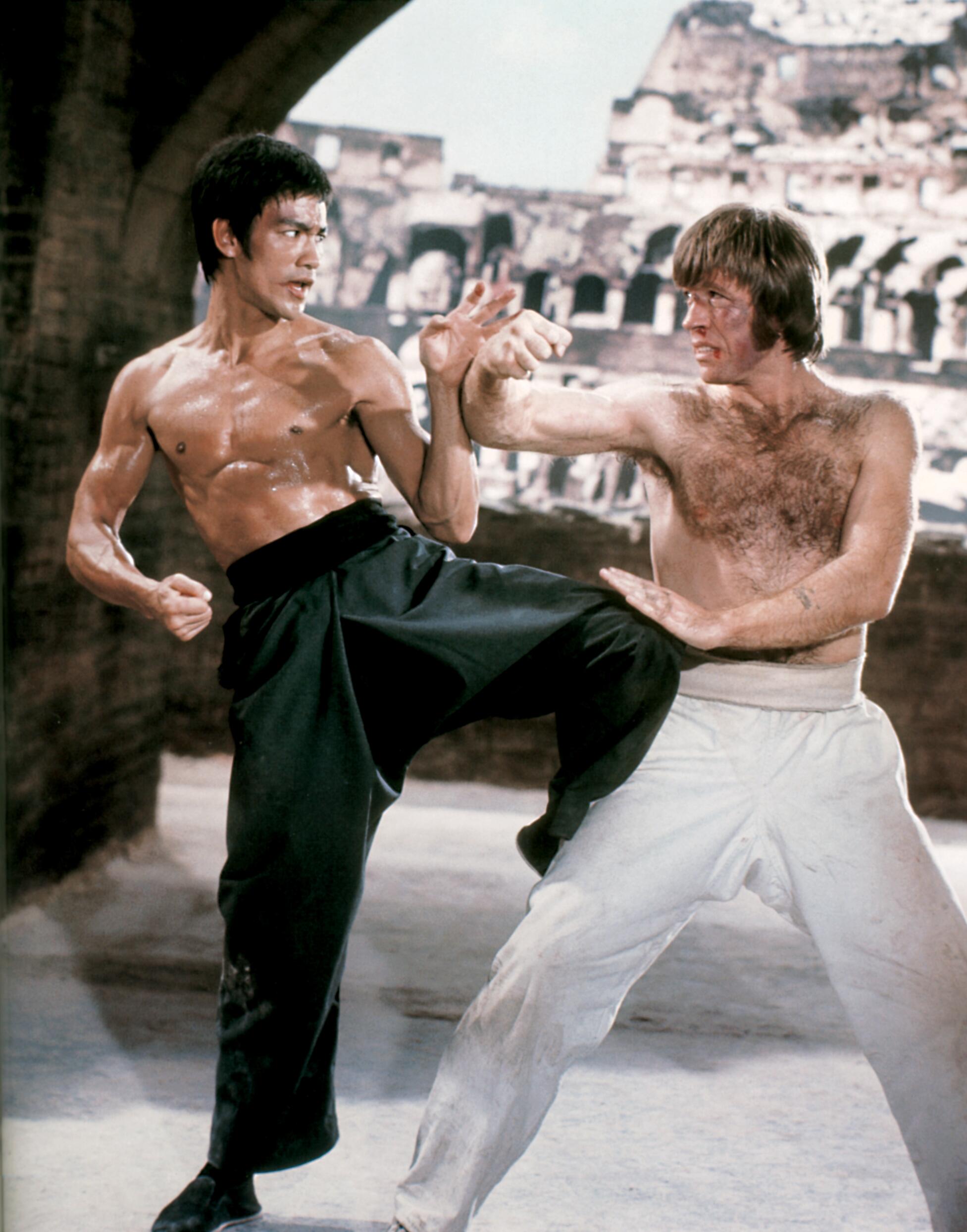
Chuck Norris and Bruce Lee: Titans in the Colosseum
The most iconic on‑screen moment of Chuck Norris’s career is unquestionably his showdown with Bruce Lee in Way of the Dragon (1972), filmed in the Roman Colosseum. In that sequence, Norris plays Colt, a stoic American martial artist whose raw power and size contrast with Lee’s speed and fluidity. The fight is long, brutal, and beautifully choreographed, showcasing both men at the height of their physical abilities. It wasn’t just a movie brawl; it was a showcase of two very different martial arts philosophies colliding on screen.
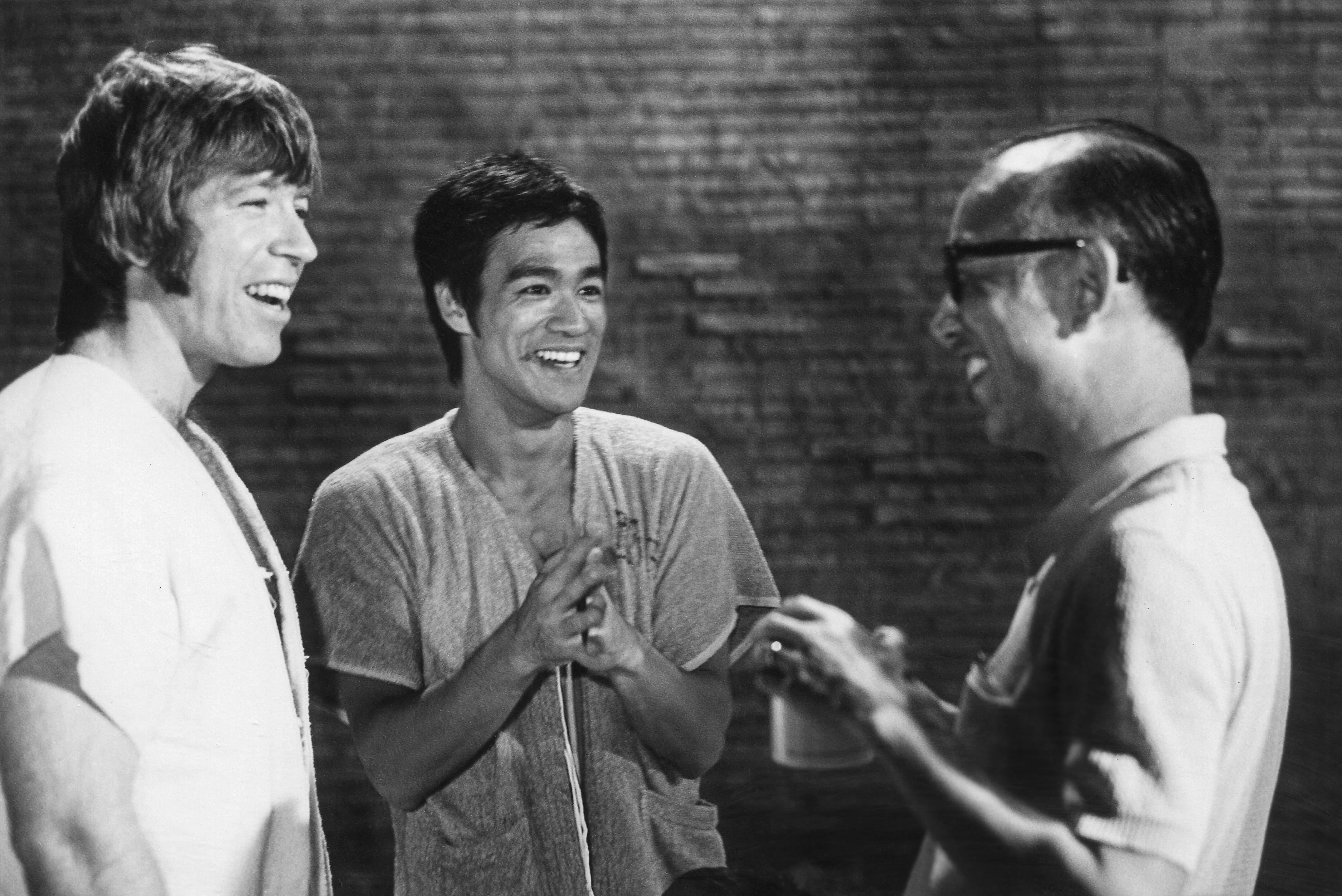
Behind the scenes, their relationship was built on mutual respect. Lee recognized that Norris’s tournament credentials and traditional training gave him a real‑world credibility that audiences would instinctively feel. Norris, in turn, admired Lee’s creative vision and his ability to translate martial arts into cinematic language. Their fight ends with Lee’s character defeating Colt, but the way it’s filmed—lingering shots, respectful pacing, a quiet, almost ceremonial tone—elevated both men. That scene helped launch Norris from respected competitor to global martial arts star, while further solidifying Bruce Lee as a visionary who could turn real fighters into immortal screen legends.
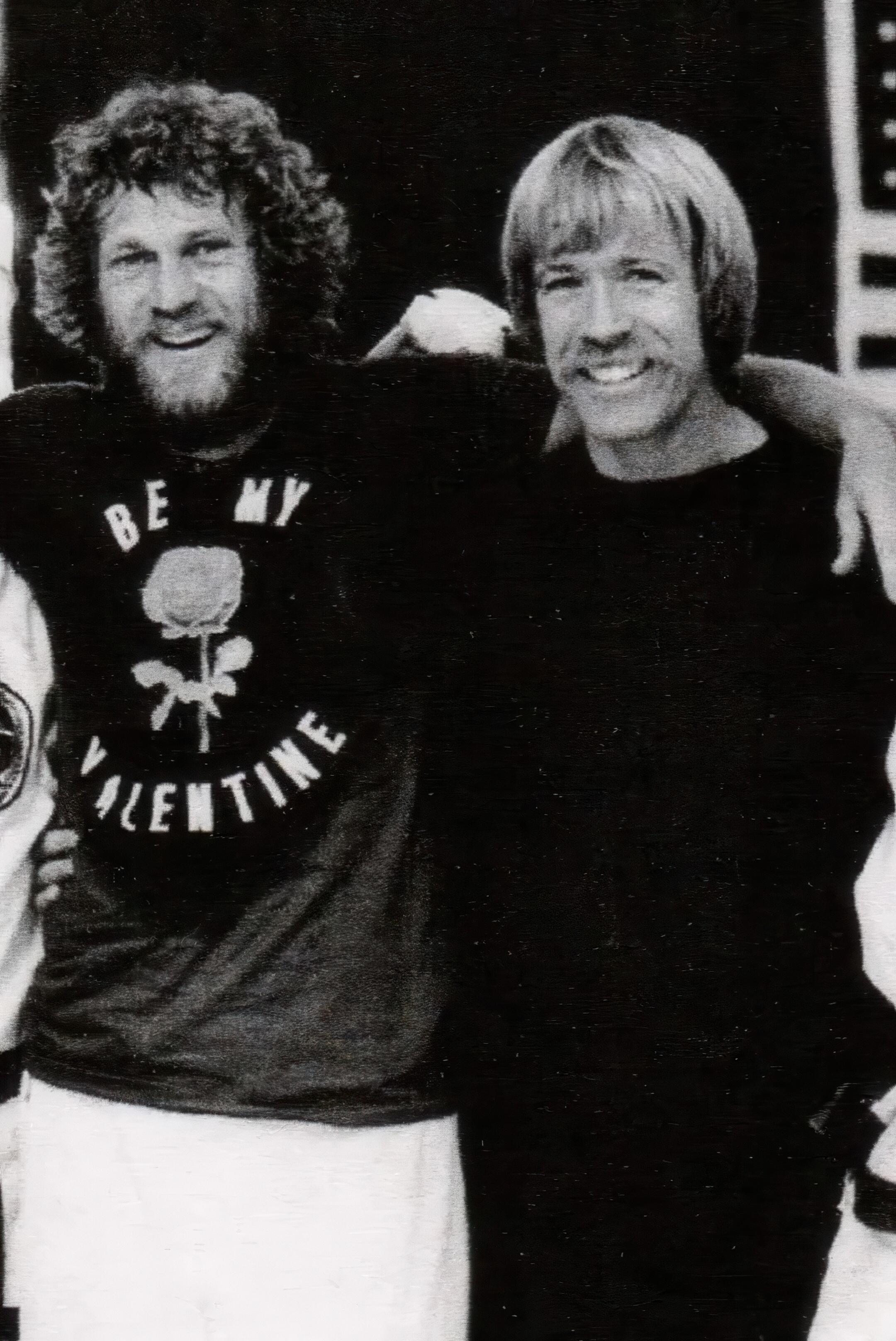
Chuck Norris’s Most Famous Students
Before Hollywood knew him as an action hero, Chuck Norris was already a sought‑after instructor, and his dojos attracted some of the biggest names in entertainment. One of the most influential was Steve McQueen. McQueen began training with Norris to sharpen his physical skills and on‑screen authenticity, but the relationship went far deeper. It was McQueen who urged Norris to try acting, telling him he had the presence and toughness to make it in the film business. Without that nudge from a student he deeply respected, Norris’s career might have stayed confined to tournaments and teaching.
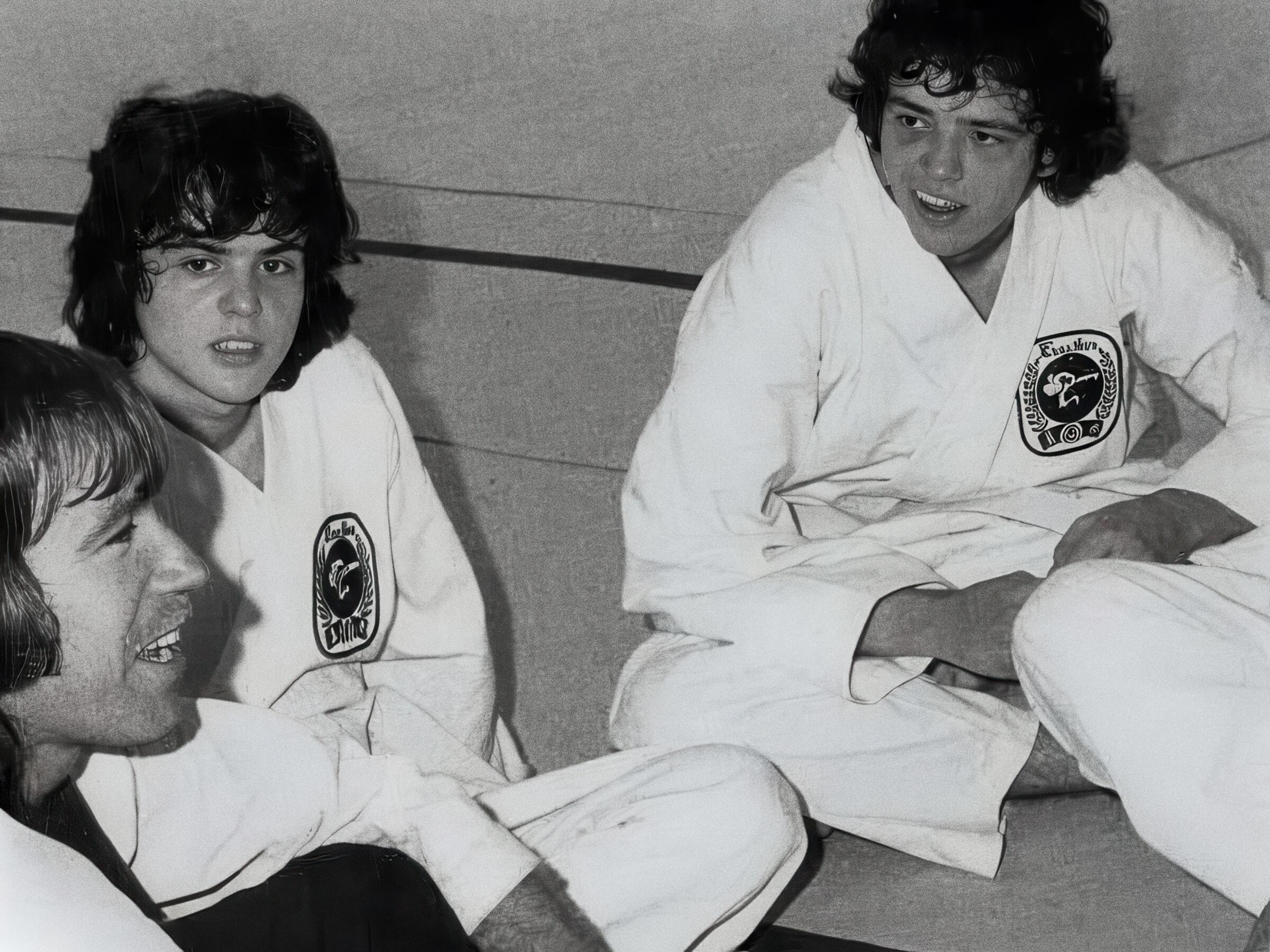
Norris also taught other high‑profile students, including actors like Priscilla Presley and Donny Osmond, among others who wanted not just self-defence skills but also the confidence and discipline that came with his training. His teaching style emphasized character as much as combat: humility, respect, and self‑control were non‑negotiables on the mat. Many of his famous students have spoken about how his mentorship extended beyond kicks and punches, shaping their work ethic and resilience in a notoriously tough industry. In that sense, Chuck Norris didn’t just help create tougher performers—he helped forge more grounded, disciplined people, leaving a legacy that reached far beyond the screen.
Walker, Texas Ranger and Mainstream Icon Status
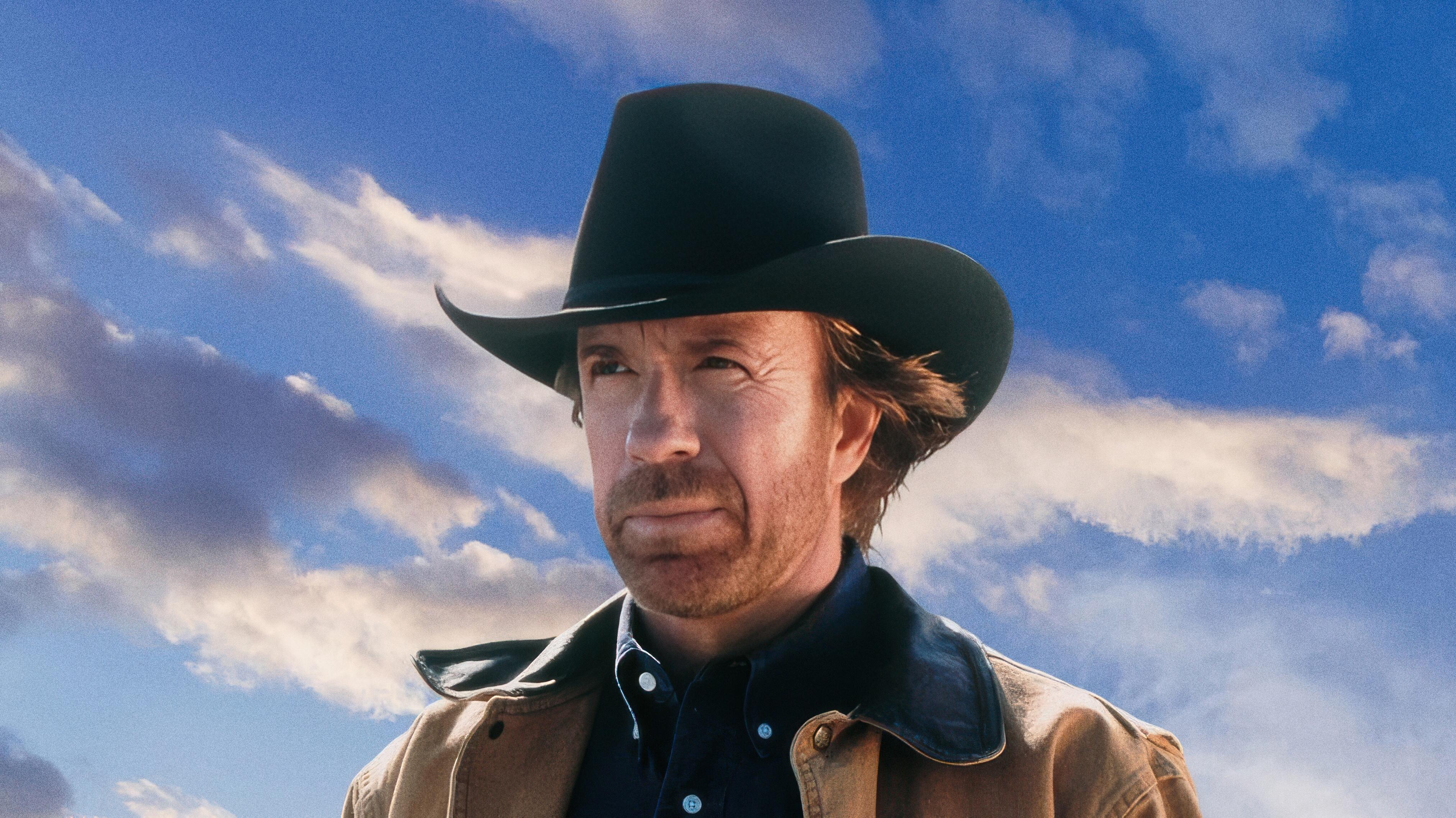
In 1993, Norris moved to television with Walker, Texas Ranger, playing Cordell Walker, a martial‑arts‑trained lawman guided by a strict moral code and a deep respect for justice. The series ran for eight seasons, attracted a broad family audience, and aired endlessly in syndication, cementing Norris as a familiar and reassuring presence on weeknight television.
Walker wasn’t just a tough guy; he was written as a protector, a mentor, and a believer in second chances, traits that resonated strongly with Norris’s off‑screen image as a devout Christian and family man. By the time the show wrapped in 2001, the line between the character and the man had blurred for many viewers, who saw Chuck Norris himself as a kind of real‑life Texas Ranger who just happened to live in the modern world.

Faith, Family, and Philanthropy
Away from the cameras, Norris cultivated a life that revolved around faith, family, and giving back. He has spoken openly about becoming a born‑again Christian in the late 1970s and credited that commitment with stabilizing his personal life and guiding his choices in later years.
In 1990, Norris founded Kickstart Kids, a nonprofit program that brings character‑building martial arts training into schools to help at‑risk youth develop discipline, confidence, and respect. Over the decades the program expanded across Texas and beyond, reaching tens of thousands of students and embedding his philosophy that true strength means using your abilities to lift others rather than to dominate them.
Fitness Icon and Total Gym Era
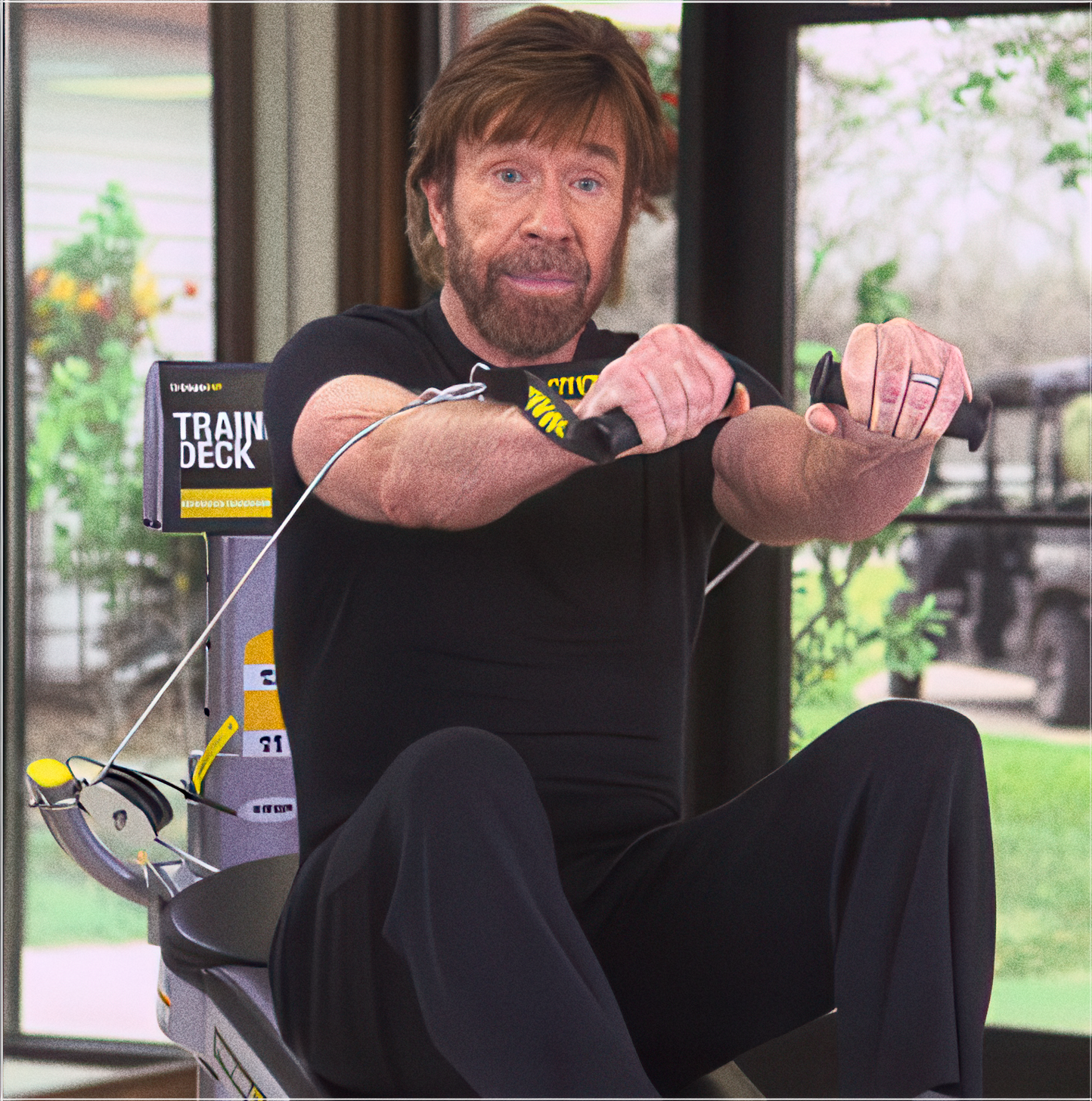
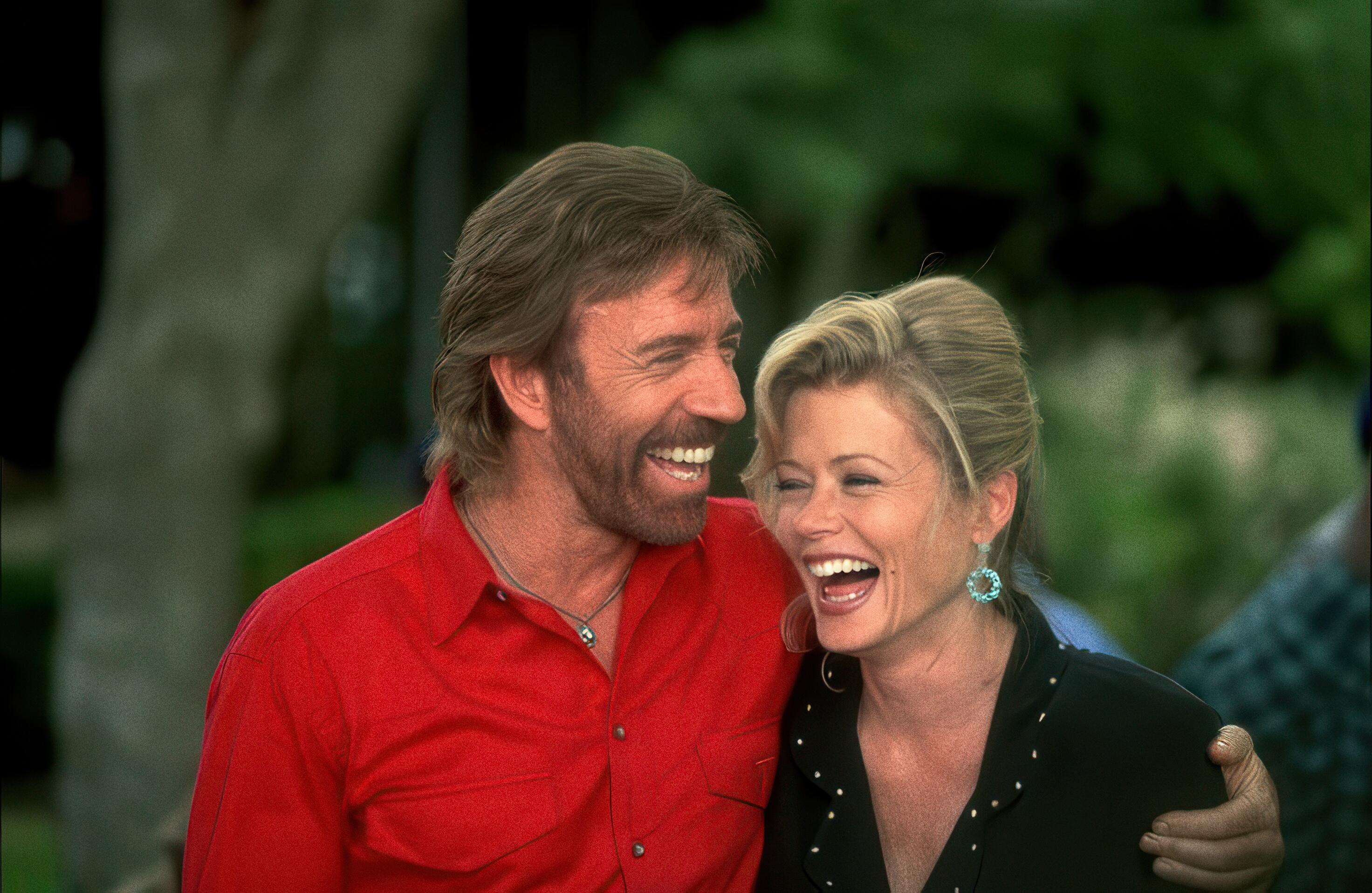
Even after he stepped back from leading roles, Norris remained visible as a symbol of lifelong fitness. His long‑running partnership with Total Gym turned late‑night infomercials into something like mini‑motivational speeches, showing him training alongside co‑host Christie Brinkley and emphasizing consistent effort over quick fixes.
The sight of an aging but still formidable Norris doing pull‑ups and explosive movements on a home gym became its own kind of pop‑culture shorthand for “no excuses.” It also set the stage for the internet era to reinterpret his durability and toughness in a more playful, exaggerated way.
Birth of the Chuck Norris Facts
In the mid‑2000s, the internet was still discovering what memes could be. Around 2005, college student Ian Spector launched a site aggregating “Chuck Norris Facts,” inspired in part by an earlier online thread that posted over‑the‑top “facts” about Vin Diesel, and quickly watched the jokes go viral across message boards, email chains, and early social networks.
These one‑liners portrayed Norris as superhuman, omnipotent, and beyond the laws of physics, playing off his stoic action persona and his reputation as an unbeatable martial artist. Instead of pushing back, Norris good‑naturedly embraced the phenomenon, later publishing The Official Chuck Norris Fact Book and acknowledging that, while he didn’t fully “get” internet culture, he appreciated that people were laughing and keeping his name in circulation for a new generation.
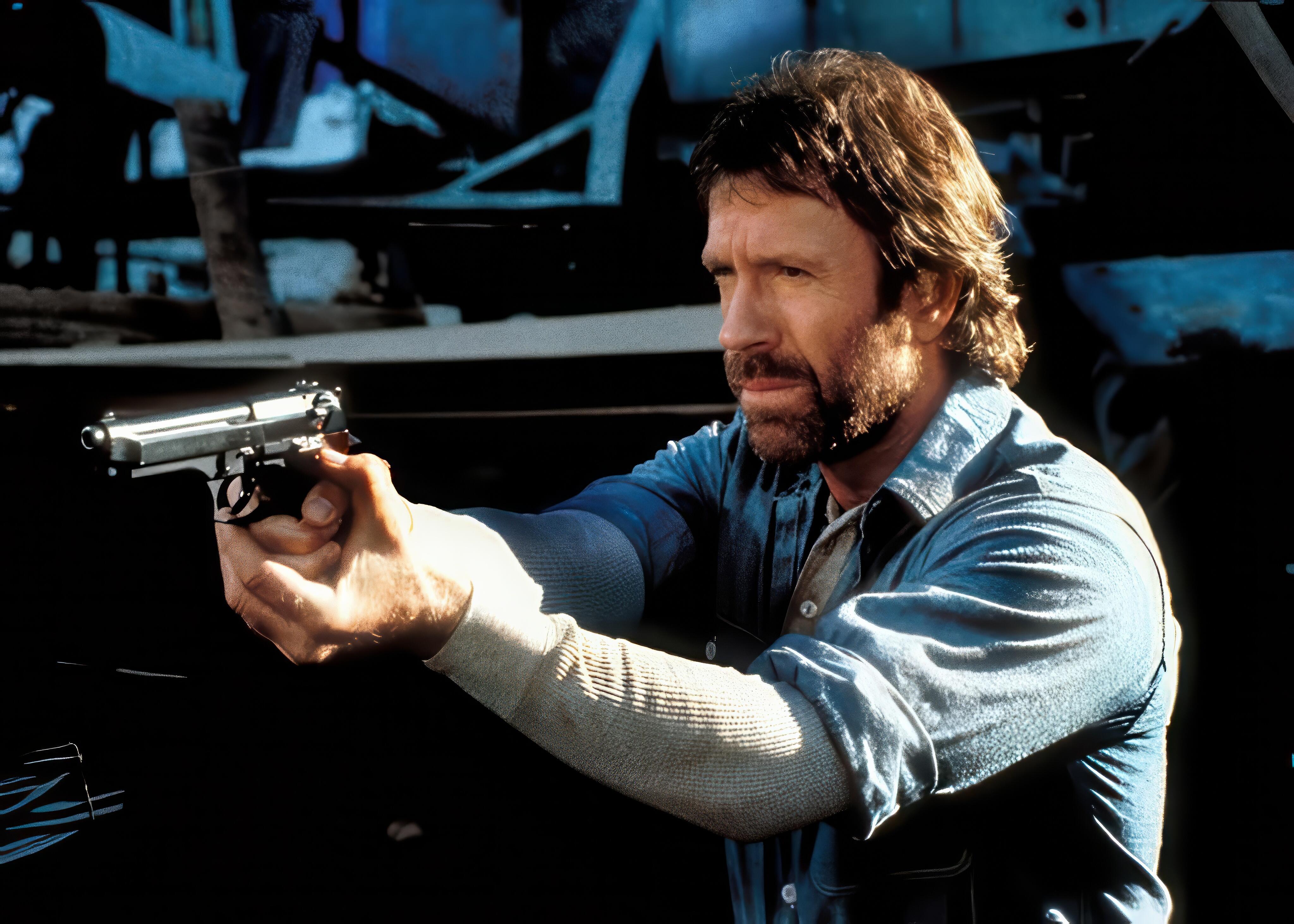
A Meme Before Memes Had a Name
Long before social feeds algorithmically rewarded shareable content, “Chuck Norris Facts” spread as one of the earliest truly global digital in‑jokes. The format was simple set up a basic claim, then twist it into something absurdly exaggerated and vaguely threatening, always with Norris at the centre as an unstoppable force.
Examples like “When the Bogeyman goes to sleep he checks his closet for Chuck Norris” or “Chuck Norris’ tears cure cancer, too bad he has never cried” circulated alongside more surreal riffs about roundhouse kicks, black holes, and broken laws of physics. ESPN and other outlets later described the Chuck Norris meme wave as a landmark in internet history—a proof‑of‑concept that a single, flexible joke format could dominate message boards, sports forums, and mainstream culture all at once.

Later Years and “I Don’t Age. I Level Up.”
As he moved into his 70s and 80s, Norris appeared less frequently on screen but never entirely vanished from the public eye. He took cameo roles, participated in nostalgic action projects such as The Expendables 2, wrote books on faith and personal development, and continued to advocate for martial arts as a tool for youth empowerment through Kickstart Kids.
Social media gave fans a direct line to the man behind the myth, with Norris occasionally posting training clips, family moments, and reflections that balanced humility with the tough‑guy image people expected. In early March 2026, just days before his death, he shared a sparring video on Instagram with the caption, “I don’t age. I level up,” a line that fans quickly elevated into a final, poignant catchphrase.

Zombie Plane and the Final Curtain
Even into his mid‑80s, Norris remained interested in projects that played with his legend rather than simply repeating old formulas. One of the most talked‑about examples was Zombie Plane, an action‑horror‑comedy announced for release in early 2027, positioned as a meta‑celebration of his career.
In the film, he reportedly plays the head of a secret government agency that recruits an eclectic lineup of celebrity fighters and fictional heroes to battle zombies on an airplane, a premise that merges his martial arts background, his action‑movie past, and the self‑aware parody that internet culture built around him. Producers have described it as a high‑octane farewell full of winks to his iconic moves and to the notion that, even in a zombie apocalypse at cruising altitude, Chuck Norris is still the final boss.
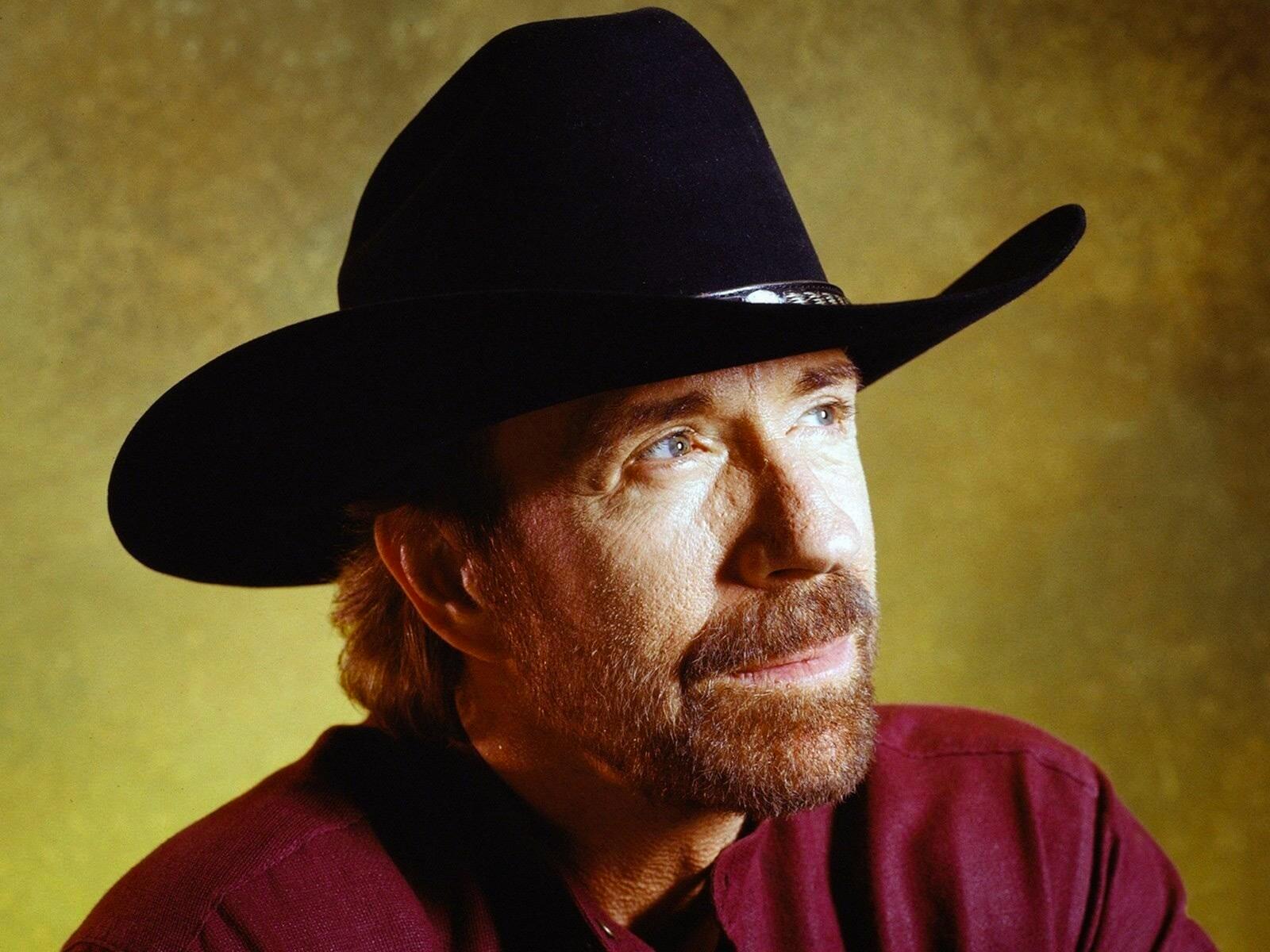
Passing of a Legend
In March 2026, Norris experienced a medical emergency at his home in Hawaii and was hospitalized. He died on March 19, 2026, at the age of 86, with his family announcing the news in a statement posted to his official social media accounts the following day.
The family’s message emphasized his faith, his devotion as a husband, father, and grandfather, and the inspiration he provided to millions through his discipline, generosity, and kindness. News organizations around the world marked his passing with obituaries that highlighted his dual legacy as a martial arts pioneer and as an action star whose persona eventually took on a second life as a beloved meme.
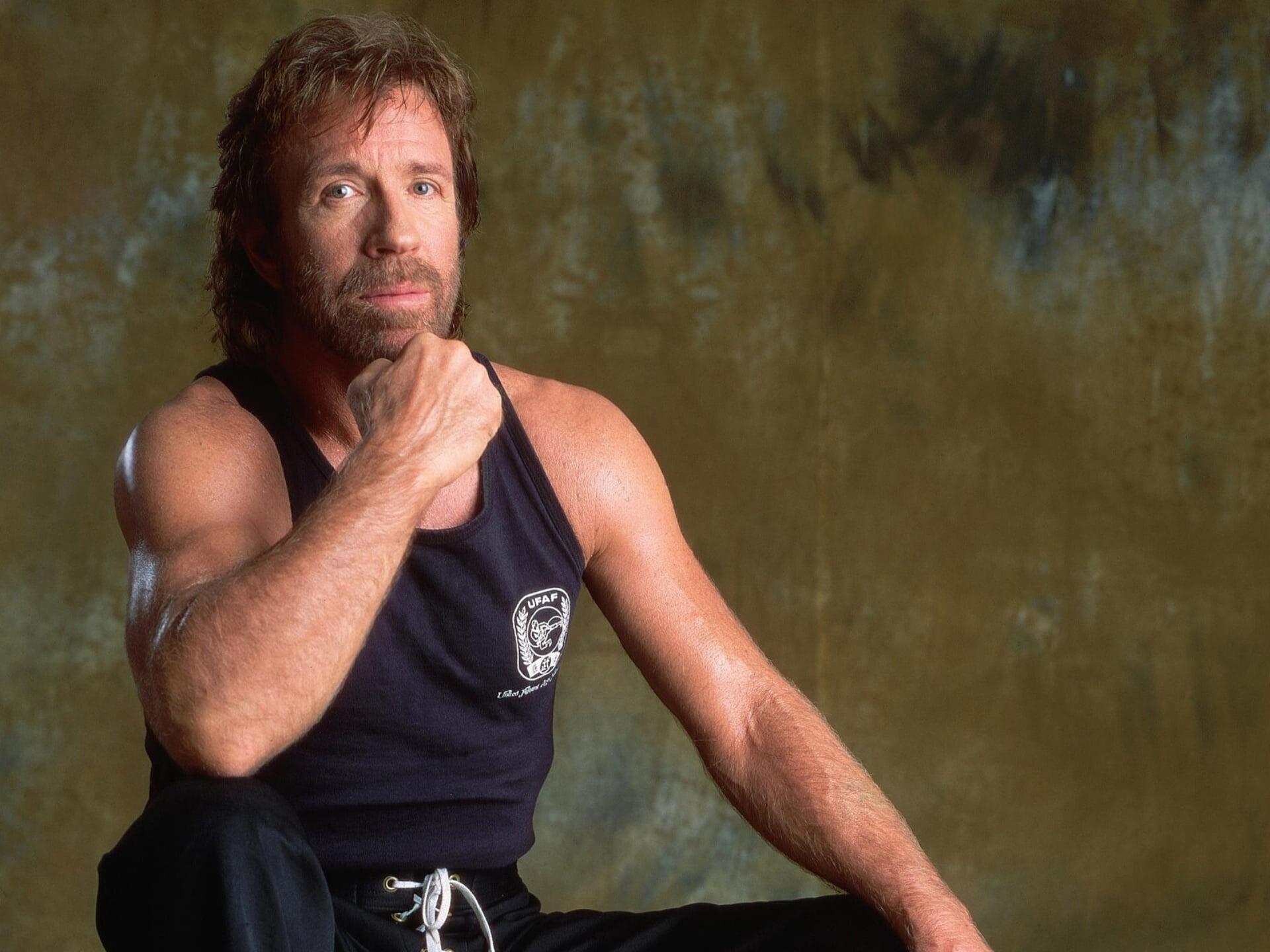
Why Chuck Norris Endures
Part of what makes Chuck Norris feel timeless is the unusual blend of authenticity and exaggeration that surrounds his name. On one hand, the record is concrete: years of military service, championship‑level competition, a pioneering role in bringing Asian martial arts to American audiences, and a long‑running network TV series that reached millions.
On the other hand, the internet inflated those real achievements into something mythic, casting him as a kind of secular folk hero whose powers extended far beyond any reasonable boundary. In a fragmented online culture where jokes come and go in days, the fact that Chuck Norris “Facts” stayed relevant for nearly two decades is itself a testament to just how sticky and adaptable that legend became.
Classic Chuck Norris Facts
To close, it’s only fitting to revisit some of the most famous and enduring Chuck Norris “facts”—the jokes that turned a tough‑guy action star into the patron saint of impossible feats and internet hyperbole.
- “Death once had a near‑Chuck‑Norris experience.”
- “Chuck Norris doesn’t wear a watch. He decides what time it is.”
- “A cobra bit Chuck Norris. After five days of excruciating pain, the cobra died.”
- “Chuck Norris can slam a revolving door.”
- “There is no chin behind Chuck Norris’ beard. There is only another fist.”
- “When Chuck Norris does a push‑up, he isn’t lifting himself up; he’s pushing the Earth down.”
- “The Bogeyman checks his closet for Chuck Norris before going to bed.”
- “Chuck Norris counted to infinity. Twice.”
- “Some magicians can walk on water; Chuck Norris can swim through land.”
- “Chuck Norris’ tears cure cancer. Too bad he has never cried.”
Chuck Norris may no longer be with us, but the superhuman figure built in his image—part champion fighter, part old‑school hero, part internet sensation—ensures that the legend will keep “levelling up” in the collective imagination for years to come.
Please browse our full selection of prestigious Bruce Lee Poster Magazines. Limited Edition prints and wall art here
Kudos Memorabilia – Your trusted source for authenticated movie props, posters, scripts, and collectibles.
And don't forget to read our other Bruce Lee related posts for more exciting Bruce Lee memorabilia and news:
