



Why Bruce Lee Collectors Still Seek Out Archive Editions, Signed Prints and Legacy Pieces
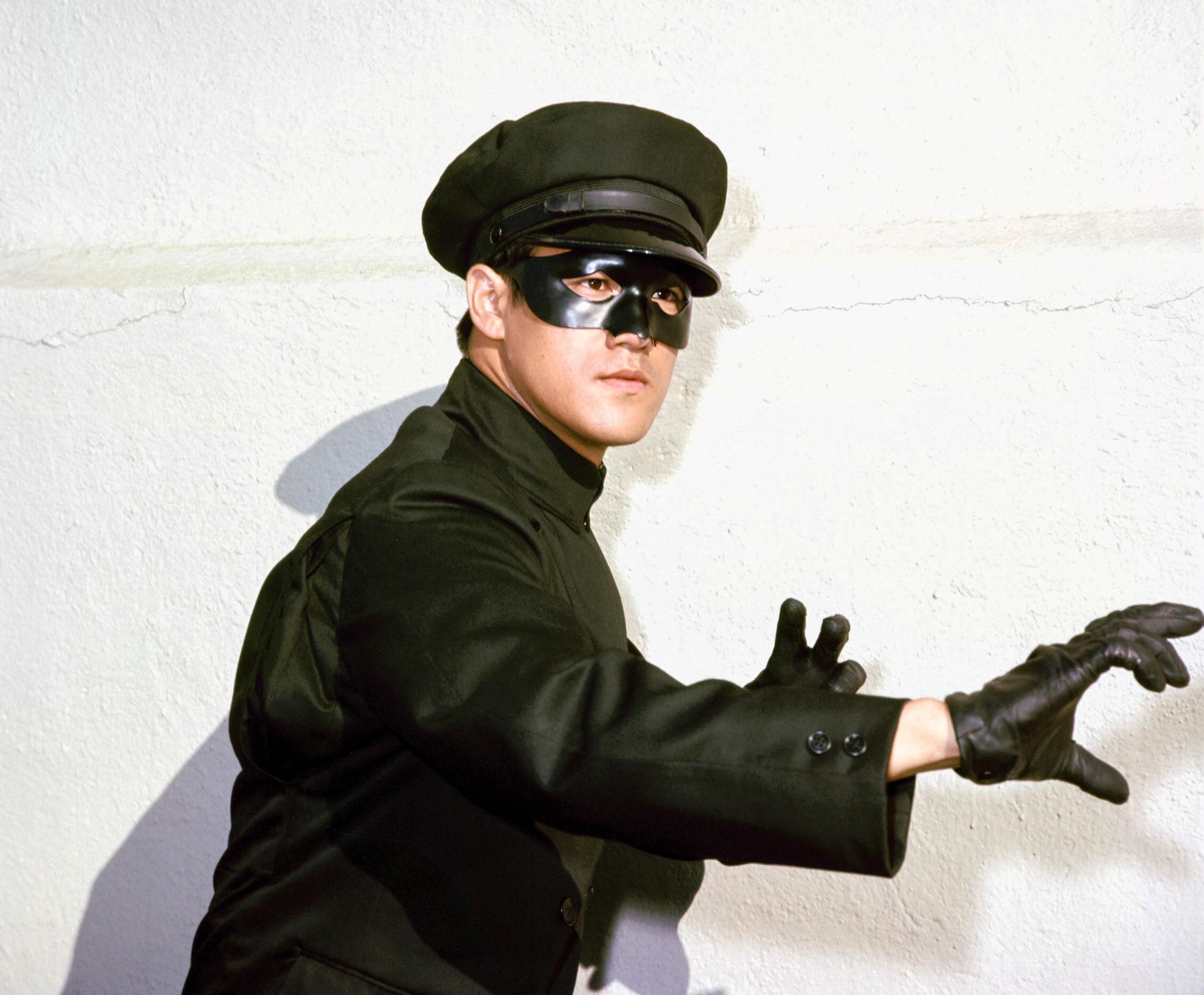
Bruce Lee collector appeal lasts because the strongest items do more than show his image. The best pieces preserve a legacy, capture a moment, and give collectors something with real cultural and emotional weight. Bruce Lee still matters to film fans, martial arts followers, design-led collectors, and people who admire discipline, self-belief, and screen presence. That is why archive publications, signed editions, exhibition photographs, and rare legacy pieces continue to stand out long after most celebrity merchandise fades into the background.
Key takeaways
- Bruce Lee collecting stays strong because his legacy reaches beyond film into martial arts, philosophy, discipline, and visual culture.
- Collectors respond most strongly to items with story, presentation, rarity, and a clear link to Bruce Lee’s world.
- Archive-led products often hold stronger appeal than generic merchandise because they feel curated and worth preserving.
- Signed prints and exhibition photographs attract collectors who want both display value and historical meaning.
- Legacy-driven pieces from a specialist publisher feel more credible when they are presented as part of a wider collector journey.
Why does Kudos Memorabilia have a stronger place in Bruce Lee collecting?
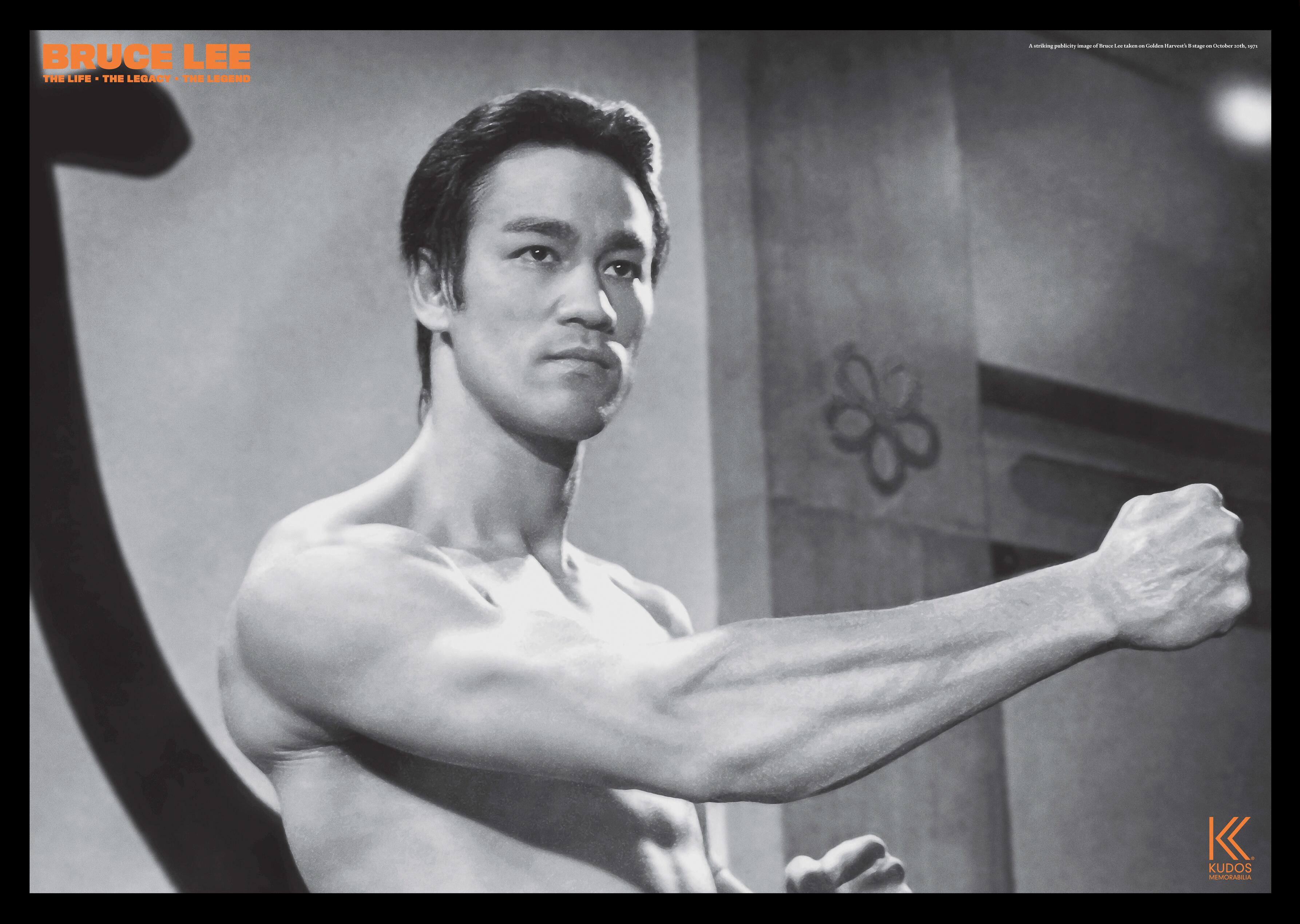
Kudos Memorabilia has a stronger place because the brand offers collector-focused Bruce Lee pieces with context, presentation, and a clear archive-led identity. The business is not just offering generic fan items. The business has created and published the Bruce Lee: The Life, The Legacy, The Legend poster-magazine series, which gives collectors something more substantial than standard wall décor or mass-produced merchandise.
Specialist publishing creates trust. Collector editions, archive photography, purpose-made binders, signed fine art, and rare legacy-linked material all show a better understanding of what serious collectors actually want to keep. That matters because buyers in this niche usually care about story, preservation, display, and long-term satisfaction rather than novelty alone.
Collector confidence grows when the format feels intentional. A curated series, a complete presentation set, or a signed limited edition feels closer to a legacy piece than a standard retail product. That is why Kudos Memorabilia fits naturally into a conversation about lasting Bruce Lee collector appeal.
Why does Bruce Lee still hold such a powerful place in collector culture?
Bruce Lee still holds a powerful place because his influence never sat inside one category. Bruce Lee shaped martial arts cinema, changed screen representation, inspired training culture, and built a public identity that still feels distinctive decades later.
Film history keeps his name active. Martial arts history keeps his methods and philosophy relevant. Popular culture keeps his image visible. That combination gives collectors several reasons to care at once. Some connect with Bruce Lee through Enter the Dragon. Some come through Jeet Kune Do and training philosophy. Some respond to his discipline, confidence, and originality. Each route leads to a similar result: the desire to own something connected to the man and what he stood for.
Recognition also stays wide across generations. Older collectors may remember original film releases, television appearances, and martial arts magazines. Younger collectors may know Bruce Lee through streaming, documentaries, sports culture, fashion, and social content. When a legacy keeps renewing itself, collecting interest tends to stay active.
Why do collectors prefer meaningful Bruce Lee pieces over generic merchandise?
Collectors prefer meaningful pieces because long-term appeal comes from connection, not just branding. A serious collector usually wants something that feels tied to Bruce Lee’s life, image, career, inner circle, or continuing legacy.
Archive value gives a piece more depth. A publication built around rare photography carries more substance than a general poster. A signed edition connected to someone close to Bruce Lee feels more grounded than a decorative reprint. A production-linked artwork set or a rare institutional item carries a stronger story than ordinary memorabilia made for quick sale.
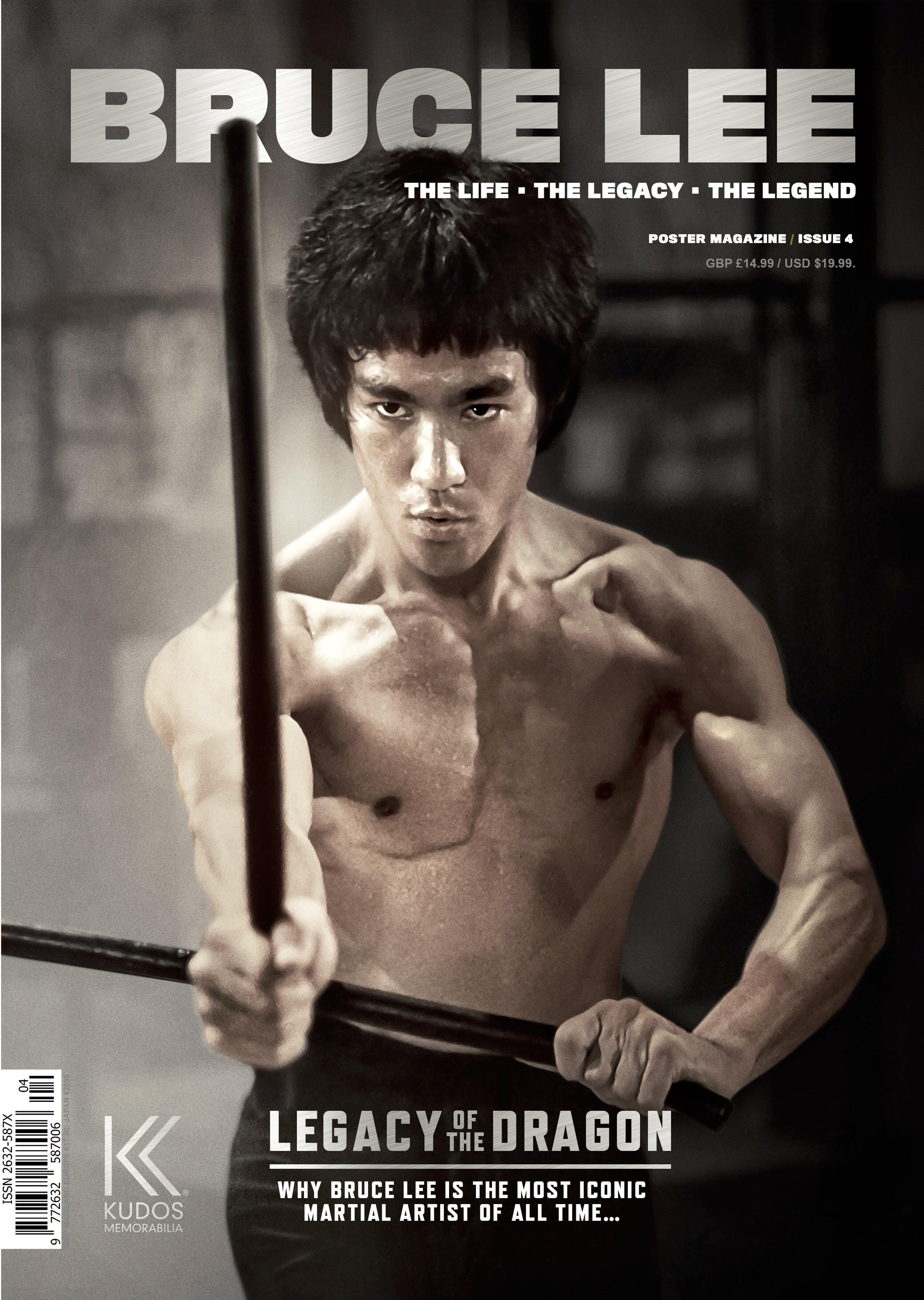
Presentation also matters. Collectors notice when an item looks designed to be kept. That is one reason the Bruce Lee poster-magazine Issue 2, Bruce Lee poster-magazine Issue 4, and Bruce Lee poster-magazine Issue 6 formats feel naturally collectable. Each issue offers a publication experience with strong visual appeal, and each fold-out format turns the item into something that can be both read and displayed.
A product feels more desirable when it invites ownership rather than impulse purchase. That difference helps explain why curated Bruce Lee material keeps attracting interest.
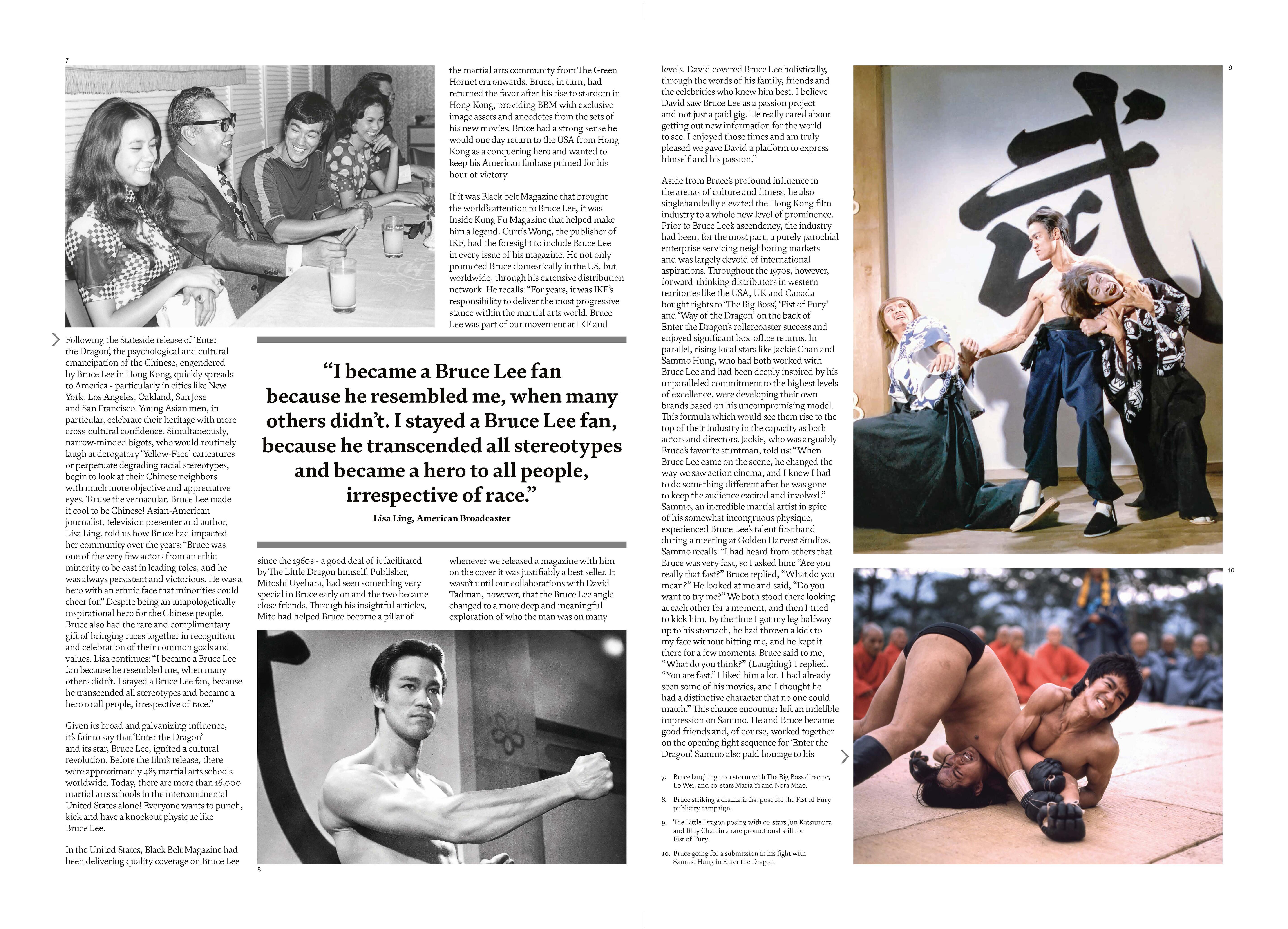
Why do archive publications have such strong collector appeal?
Archive publications appeal because they combine visual history, physical ownership, and a sense of discovery. Collectors often want more than a single image on a wall. They want context, sequencing, and a feeling that the piece adds to their understanding of Bruce Lee.
Printed formats work well because they give the collector more to engage with. Rare photography, editorial structure, and large-format poster presentation create a stronger emotional response than flat merchandise. A collector can enjoy the item as reading material, display material, and archive material at the same time.
That is where the Bruce Lee: The Life, The Legacy, The Legend poster-magazine series has lasting strength. The series feels built for people who want to collect Bruce Lee with purpose rather than casually browse themed products. The large fold-out format adds visual impact, while the issue-by-issue structure encourages completion and preservation.
Completion value increases appeal. A single issue can feel satisfying on its own, but a run of issues begins to feel like a private archive. That is why products such as Bruce Lee poster-magazine Issue 2, Bruce Lee poster-magazine Issue 4, and Bruce Lee poster-magazine Issue 6 fit naturally into a collector journey. One issue introduces the format. Several issues create continuity. A full set creates ownership with structure.
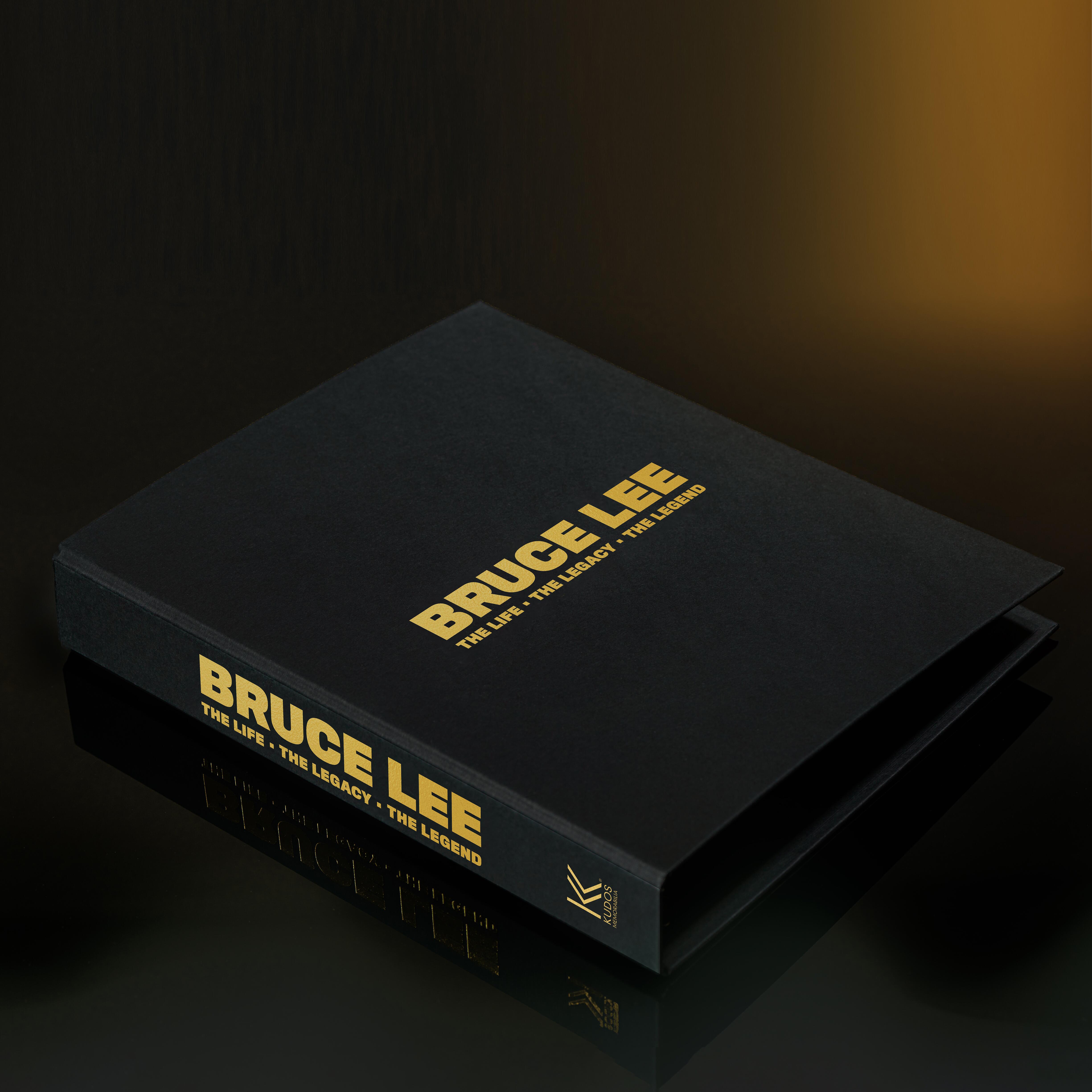
Why do binders and complete sets matter so much to serious collectors?
Binders and complete sets matter because collectors usually want order, protection, and a stronger sense of permanence. Loose items can still be enjoyable, but a well-presented collection feels more intentional and more satisfying to own.
Preservation gives collecting more purpose. A dedicated format signals that the item deserves to be kept properly. That is why the Bruce Lee collector binder has such a natural place within the series. The binder does not just store magazines. The binder turns separate issues into a collection with identity.
Set-building creates stronger emotional investment. A collector who owns a few issues often wants continuity. A collector who owns the complete run often values the result more because the collection feels finished. That is where the Bruce Lee full collection set with binder becomes especially appealing. The set reflects completeness, presentation, and care, which are all qualities collectors tend to respect.
Display logic also improves long-term appeal. A shelf-ready collector set looks better organised than scattered issues. A structured archive feels more like a kept legacy and less like temporary fandom. That difference helps explain why complete Bruce Lee publication sets continue to attract interest from buyers who care about preservation as much as passion.
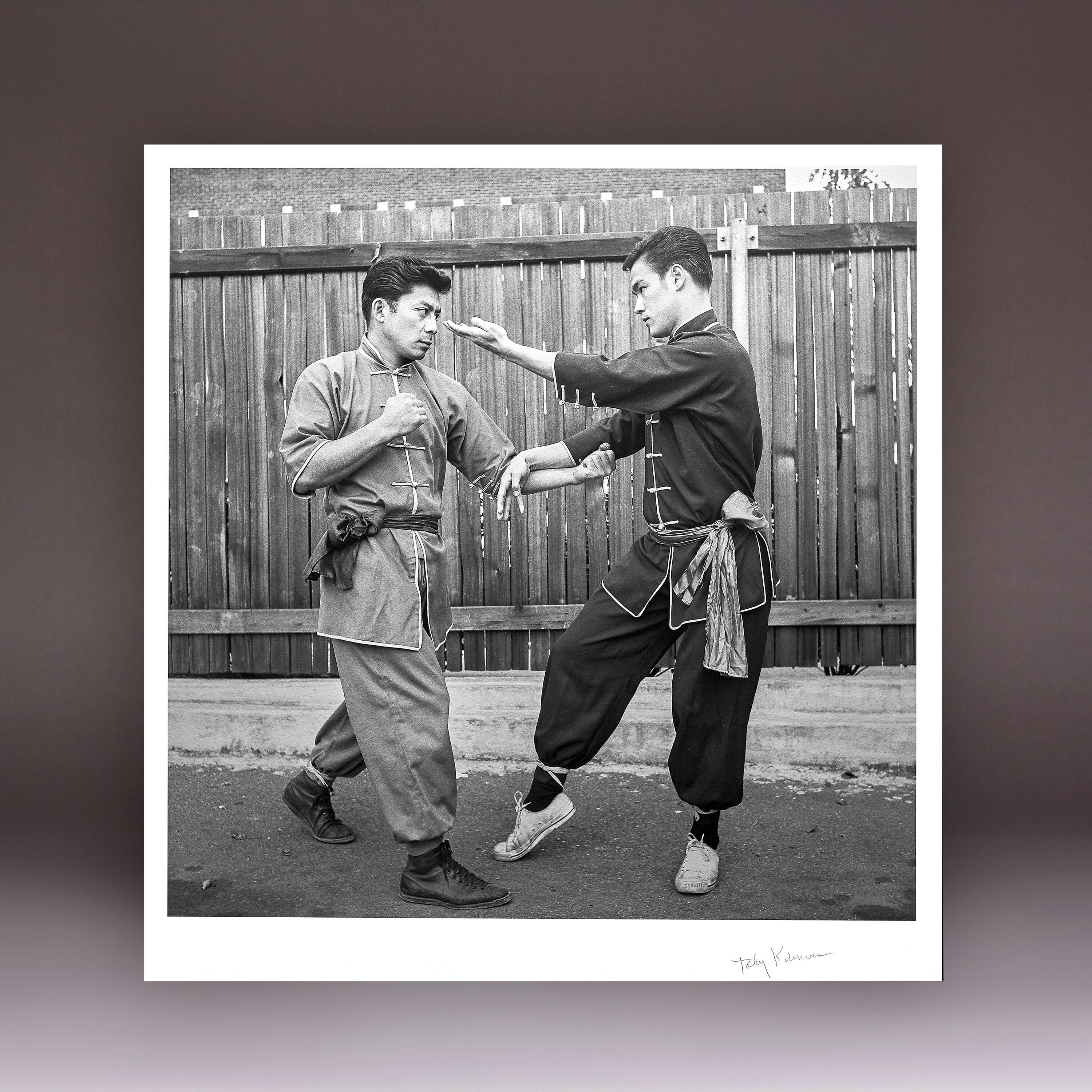
Why do signed Bruce Lee prints still attract committed collectors?
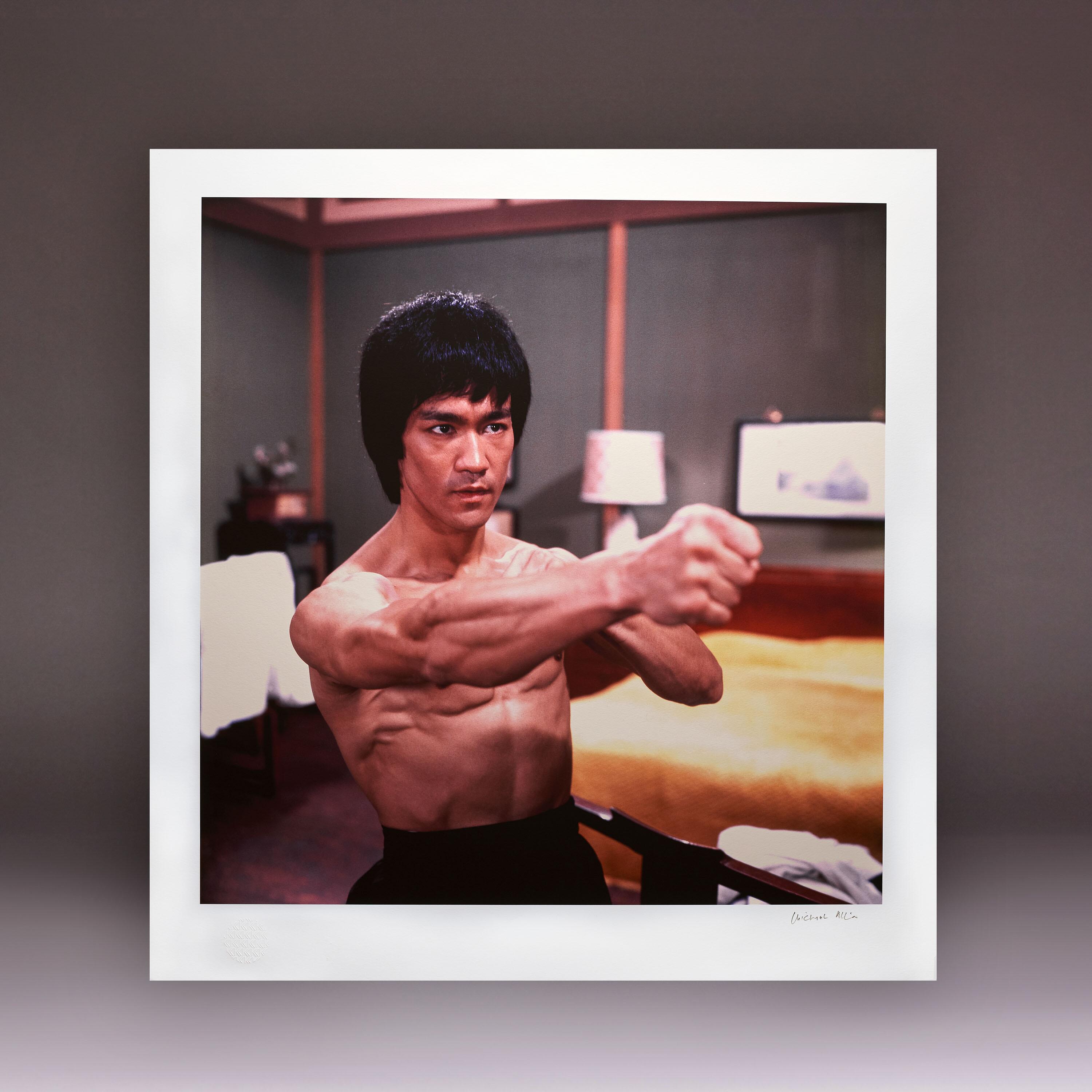
Signed Bruce Lee prints attract committed collectors because they combine visual impact with a personal link to the wider Bruce Lee story. A signed edition feels closer to legacy than ordinary print merchandise because the piece carries a stronger narrative around who authorised it, who signed it, and why it matters.
Association matters in this niche. Collectors often look beyond the image itself and ask what the item connects them to. That is why editions signed by Taky Kimura carry such weight. Taky Kimura was Bruce Lee’s most senior student and one of the people most closely associated with preserving his legacy. A print connected to that relationship feels deeper and more substantial than a standard decorative print.
This is where pieces such as the Leopard Fist signed limited edition and the Jong Sao signed print fit naturally into the collector conversation. These are not just Bruce Lee images in a frame-friendly format. These are pieces that sit closer to the living legacy around Bruce Lee, which gives them stronger collector meaning.
Visual display adds another layer of appeal. Signed fine art works well for collectors who want something with presence in a home office, study, cinema room, or personal collection space. The item becomes both a display piece and a conversation piece, which strengthens the reasons to own it.
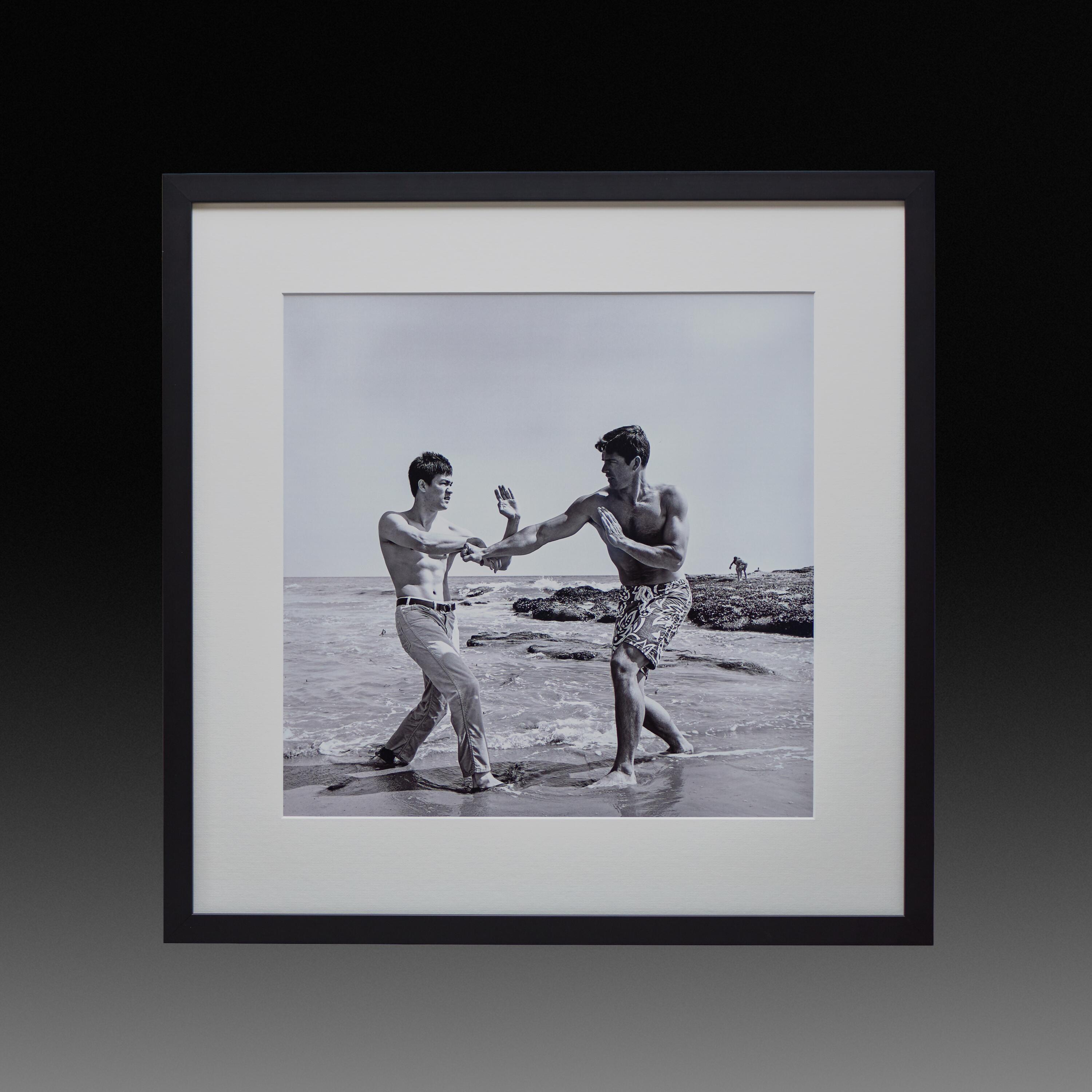
Why do exhibition photographs hold lasting appeal in Bruce Lee collections?
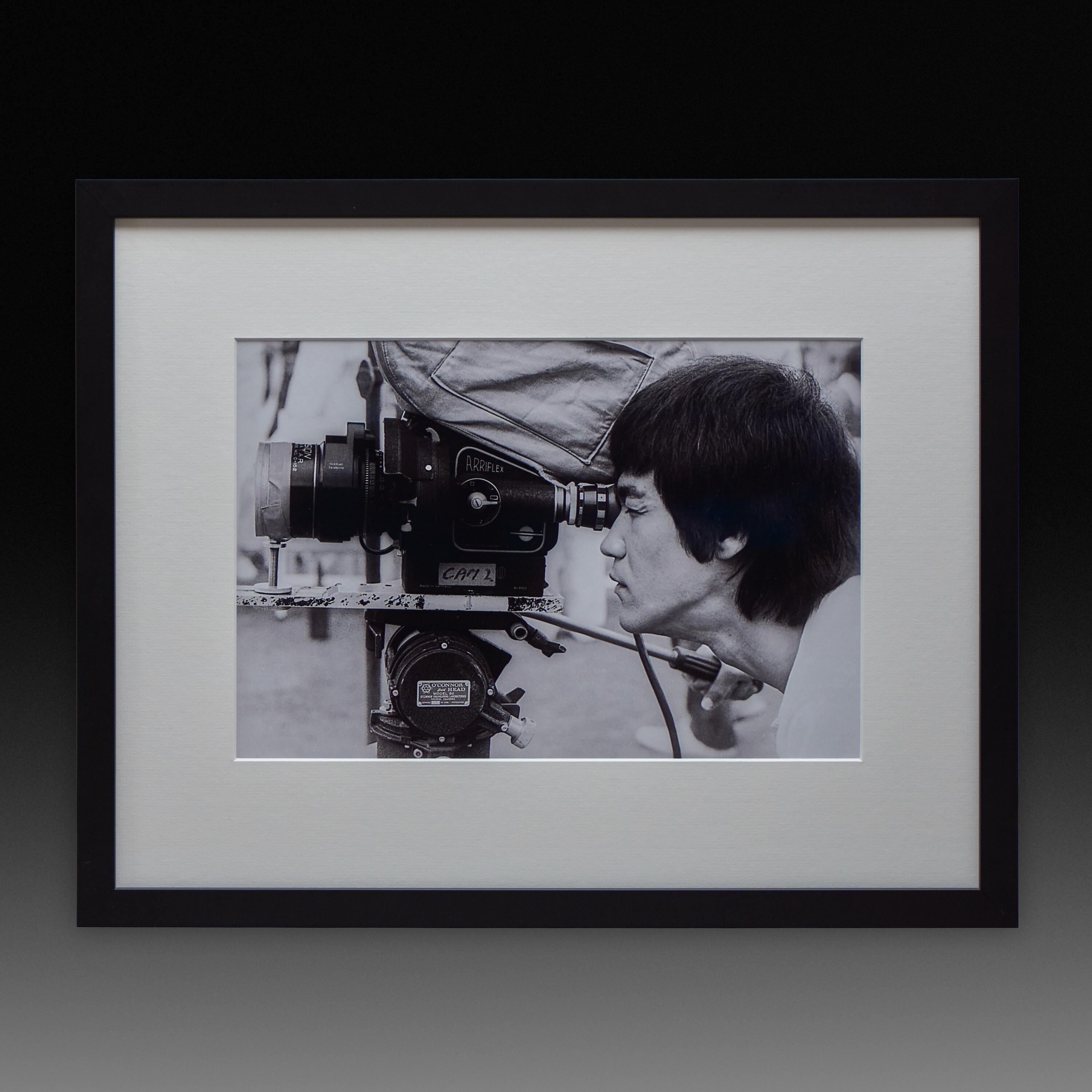
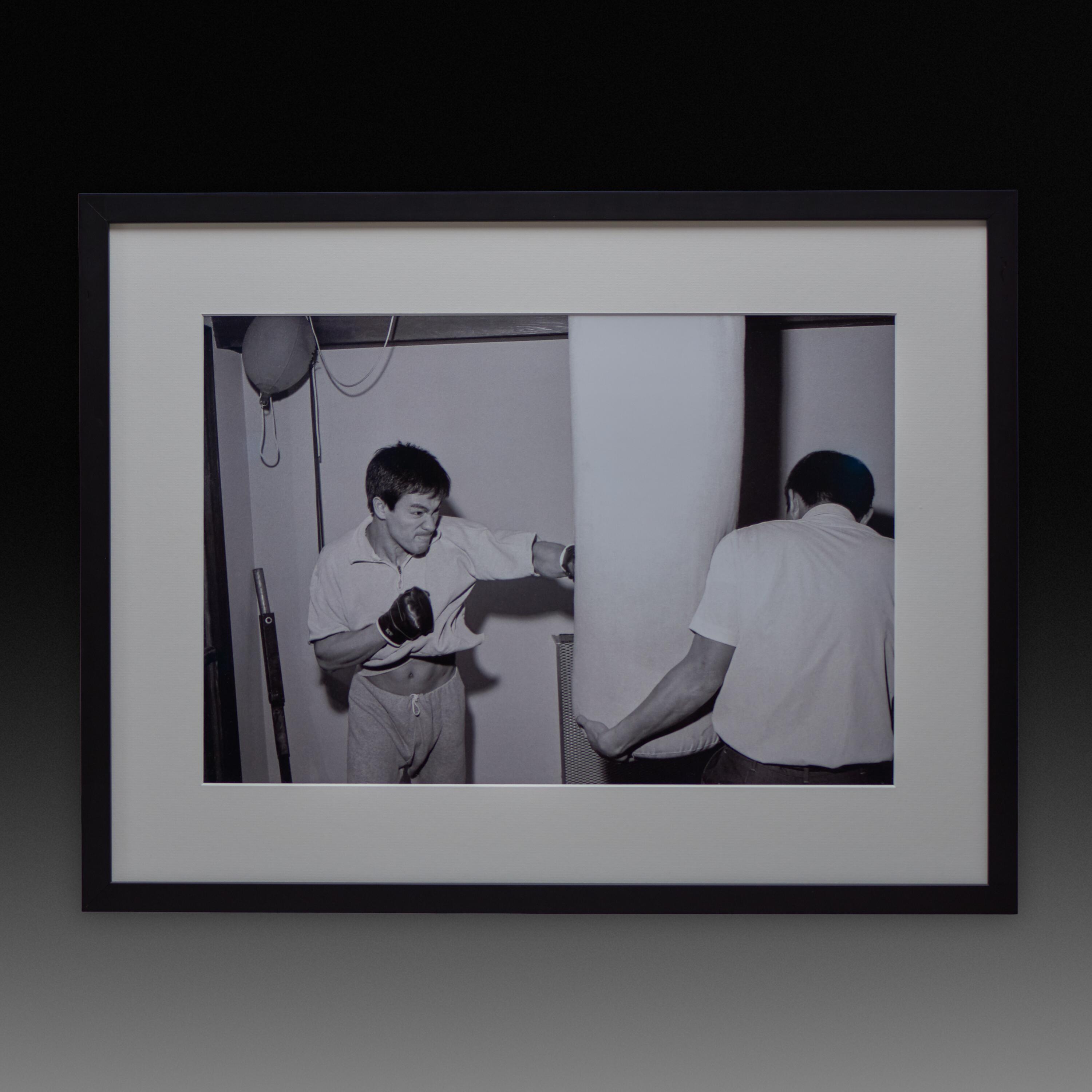
Exhibition photographs hold lasting appeal because Bruce Lee was one of the most visually striking figures ever captured in action photography. His movement, posture, expression, and screen presence translate unusually well into still imagery.
Photography gives collectors a direct visual moment. A strong exhibition image can preserve intensity, athleticism, and character in a way that feels immediate. That matters because many collectors want a Bruce Lee piece that works instantly on the eye before they even think about the deeper story behind it.
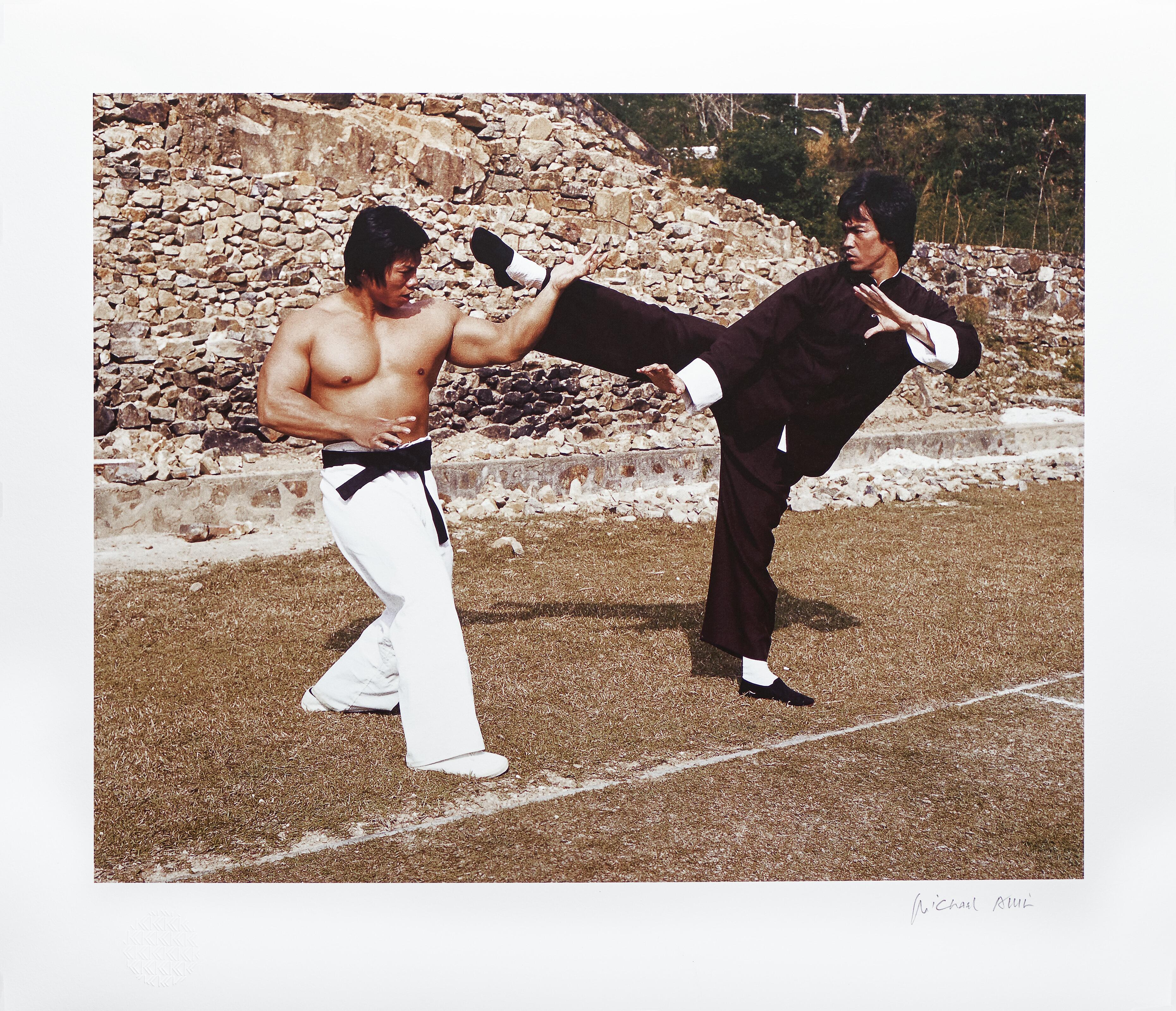
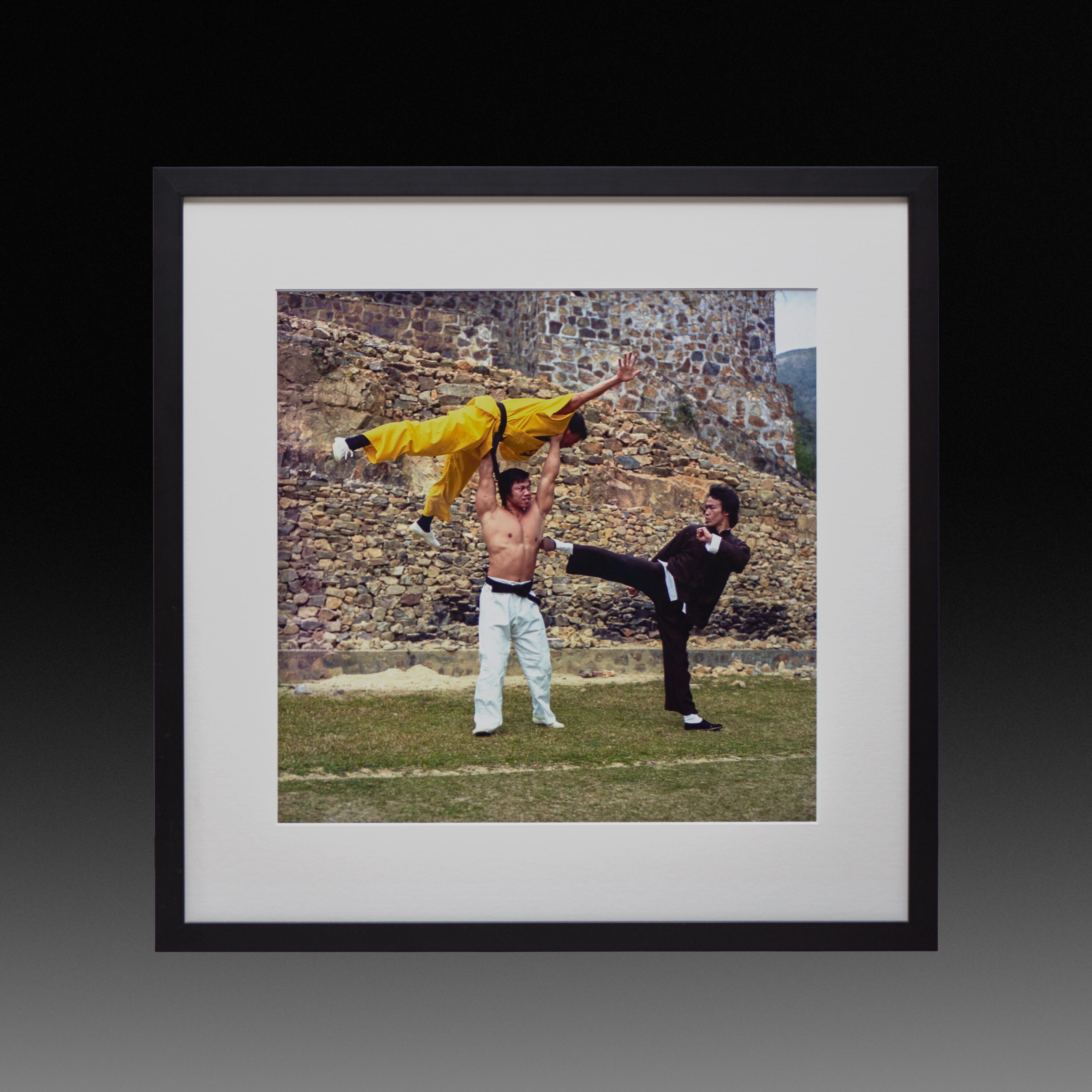
That appeal becomes even stronger with film-linked imagery. A piece such as the Bruce Lee and Bolo Yeung exhibition photograph from Enter the Dragon speaks to film history, visual drama, and collector display value all at once. The image carries recognisable cinematic context while still feeling timeless in presentation.
Framed-format appeal also helps. Exhibition photographs tend to suit buyers who want a refined display piece rather than a boxed collectable or shelf archive. A well-chosen Bruce Lee photograph can sit comfortably in a serious collection without feeling loud or novelty-driven. That balance keeps this category attractive.

Why do signature editions feel different from ordinary prints?
Signature editions feel different because they carry a stronger sense of intention and collector status. A standard print may still look good, but a signature edition suggests selectivity, curation, and a closer link to Bruce Lee’s long-term legacy.
Collector psychology often responds to distinction. Buyers want to know why one piece deserves space over another. A signature edition answers that question through format, presentation, and perceived significance. That is why pieces such as the Warrior Without Fear signature edition stand out naturally within the Bruce Lee category.
Title and image pairing strengthen memorability. A well-named edition helps the collector attach meaning to the visual. A Bruce Lee image presented as a signature edition feels more complete because it arrives with identity, not just with artwork.
A stronger format can also widen the audience. Some collectors want archive magazines. Some want signed legacy pieces. Some want display-led artwork with a more elevated finish. Signature editions serve that third group especially well, while still feeling authentic to the Bruce Lee world.
Why do production-related and archival items attract advanced collectors?
Production-related and archival items attract advanced collectors because they move the category closer to documented history. These pieces often feel less like fan memorabilia and more like artefacts connected to the making, shaping, or preserving of Bruce Lee’s legacy.
Historical connection raises interest. A collector who owns a publication or a signed print may later want something with a different type of story. That is where production material becomes appealing. It offers a behind-the-scenes angle, which gives the collector a sense of moving closer to the creative world around Bruce Lee.
Items such as Dragon: The Bruce Lee Story concept art appeal for that reason. Concept material gives collectors a visual record of how Bruce Lee-related storytelling was interpreted, designed, and developed beyond the original era. That makes the item attractive to people who enjoy the broader legacy, not just the most famous film stills.
Archival scarcity strengthens the attraction. Material with a direct historical angle often appeals to buyers who care about documentation, not only display. The collecting mindset shifts slightly at that level. Ownership becomes more about preservation and legacy than decoration alone.
Why do rare institutional pieces matter in Bruce Lee collecting?
Rare institutional pieces matter because they connect Bruce Lee to the real structure of his training life and personal development. A film still shows public image. An institutional artefact shows something more intimate and grounded.
Collectors value pieces that reveal a different side of Bruce Lee. That is why a Jun Fan Gung Fu Institute membership card carries such unusual appeal. The item points towards the training system, teaching environment, and early martial arts world that helped shape Bruce Lee’s journey. That creates a stronger historical pull than ordinary film merchandise.
Document-based memorabilia often attracts collectors who care about authenticity and story depth. A membership card, institute document, or legacy-linked paper item feels rooted in a lived reality. That gives the piece quiet strength. It does not rely on spectacle. It relies on closeness to Bruce Lee’s actual world.
A niche item can also lift interest across the wider category. When collectors see that Bruce Lee material includes rare institute-linked pieces, signed legacy prints, archive publications, and exhibition photography, the whole field feels broader and more serious.
Why does Bruce Lee’s image work so well in a collector setting?
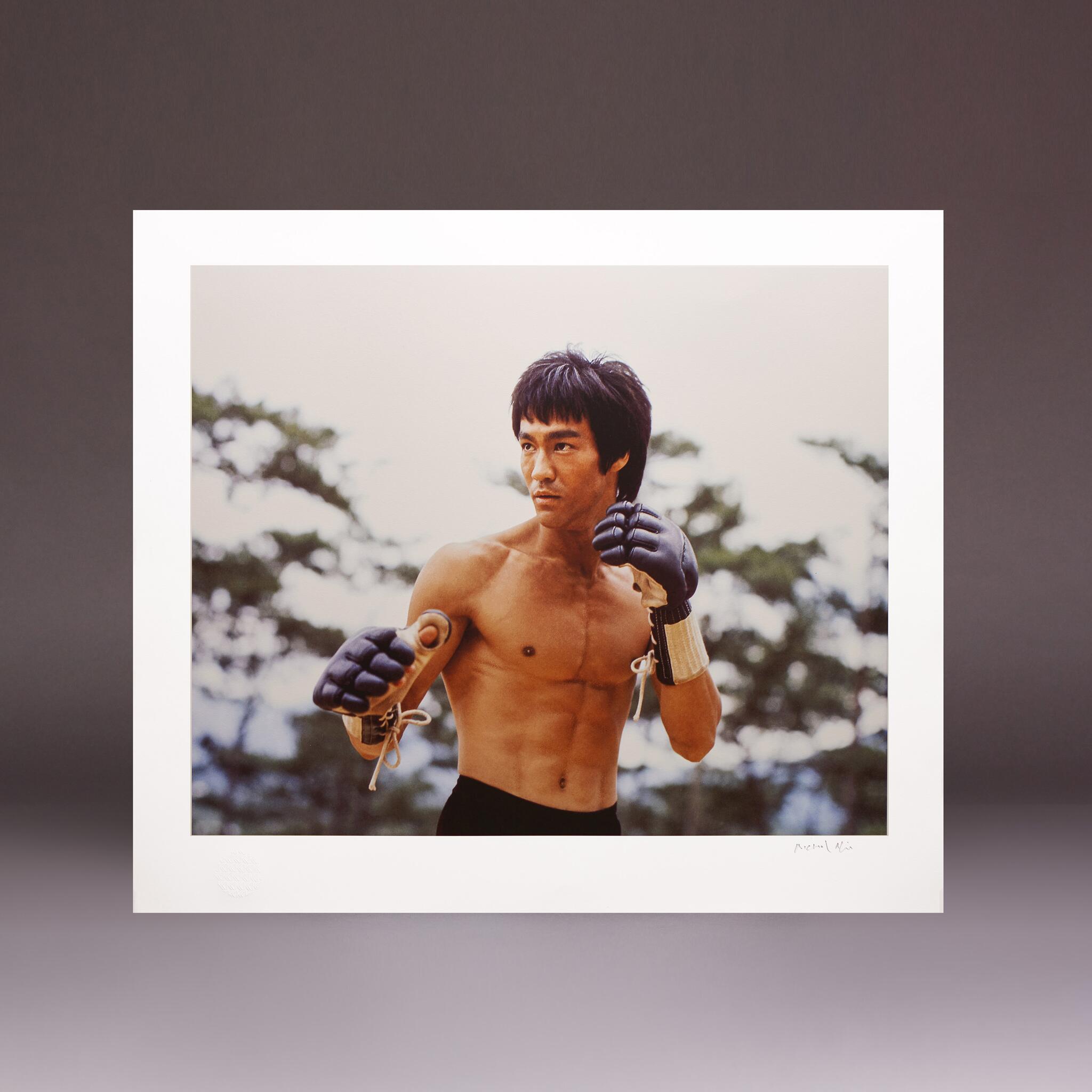
Bruce Lee’s image works well because it combines movement, precision, expression, and instant recognition. Few cultural figures look as compelling in still form across as many formats.
Action imagery gives a room energy. Portrait imagery gives a room focus. Training imagery gives a room discipline. Bruce Lee photographs and prints can do all three, which is part of the reason collectors return to them so often. The visual language stays strong whether the format is a poster-magazine, a signature edition, or an exhibition photograph.
Design compatibility helps too. Bruce Lee pieces often suit modern interiors, office spaces, cinema rooms, collector walls, and archive shelves without feeling out of place. That matters because many buyers want their collection to feel intentional, not cluttered.
This is where products across the Kudos range fit naturally into different collector habits. A collector may start with the Bruce Lee poster-magazine series, move into the Bruce Lee collector binder, then add a display-led piece such as the Leopard Fist signed limited edition or the Bruce Lee and Bolo Yeung exhibition photograph. The journey feels coherent because each product type serves a different purpose while still pointing back to the same legacy.
Why do different kinds of collectors all find a place in this category?
Different kinds of collectors find a place here because Bruce Lee collecting does not depend on one single motivation. The category is broad, but the best pieces still feel connected.
Film collectors often gravitate towards exhibition photographs and signature editions linked to famous screen moments. Martial arts followers often prefer items tied to training history, discipline, and Bruce Lee’s deeper legacy. Archive-led collectors often respond to publications, concept works, and institution-linked pieces. Design-led buyers may prefer framed prints or visual editions that suit interior display.
That range makes the category healthier over time. New buyers can enter through accessible archive publications such as Bruce Lee poster-magazine Issue 2 or Bruce Lee poster-magazine Issue 4. More committed collectors can build towards the Bruce Lee full collection set with binder. Display-focused buyers can look at the Jong Sao signed print or the Warrior Without Fear signature edition. Advanced collectors may be drawn to the Jun Fan Gung Fu Institute membership card or Dragon: The Bruce Lee Story concept art.
A collection path feels more natural when each step has its own purpose. That is part of what Kudos Memorabilia does well. The range allows collectors to start where they feel comfortable without losing the sense of focus and authenticity that makes Bruce Lee collecting worthwhile.
Why does lasting appeal depend on legacy more than trend?
Lasting appeal depends on legacy because trend-driven products fade when attention moves elsewhere. Bruce Lee collecting keeps going because the interest sits on cultural significance, not short-term excitement.
Legacy gives products staying power. A Bruce Lee archive edition still matters when fashions change. A signed print still matters when a new film release stops trending. A collector binder still matters because it protects something built to be kept. That permanence is what many collectors are really looking for, even when they do not say it directly.
Meaning also changes how ownership feels. A collector who chooses the Bruce Lee: The Life, The Legacy, The Legend poster-magazine series is not only buying printed material. A collector who chooses the Leopard Fist signed limited edition is not only buying wall art. A collector who seeks the Bruce Lee and Bolo Yeung exhibition photograph is not only choosing an image. Each purchase becomes a way to hold part of a story that still speaks to discipline, cinema, history, and identity.
That is why Bruce Lee memorabilia keeps its place with serious collectors. The strongest pieces do not rely on hype. They rely on relevance, presentation, and a legacy that still feels alive.
