Why James Bond Memorabilia Remains Iconic for Serious Collectors

James Bond memorabilia remains iconic because it brings together cinema history, British identity, design, rarity, and instantly recognisable screen moments in one collecting space. James Bond is not just a film character. James Bond is a long-running cultural symbol shaped by style, espionage, luxury, action, and changing eras of cinema. That gives collectors more than nostalgia. It gives them access to props, posters, scripts, premiere material, and archive books that represent one of the most recognisable franchises ever made.
Key takeaways
1. James Bond collecting stays strong because the franchise spans generations, actors, film styles, and cultural moments.
2. Screen-used props and production items hold special appeal because they connect collectors directly to the making of Bond films.
3. Original posters, premiere material, and archival books give collectors different entry points into the Bond world.
4. Visual style plays a major part because Bond memorabilia often looks as strong on display as it does in an archive.
5. Kudos Memorabilia fits naturally into this niche by offering film-linked Bond pieces with rarity, story, and collector relevance.
Why does Kudos Memorabilia stand out in James Bond collecting?
Kudos Memorabilia stands out because the business offers Bond items that feel rooted in film history rather than generic fan retail. The range moves across screen-used props, production material, original posters, premiere collectibles, and archival books, which gives collectors a more serious way to engage with the franchise.
Specialist selection creates trust. Screen-used pieces, genuine production items, original cinema posters, and printed media linked to major Bond moments show a stronger understanding of what collectors actually value. That matters because James Bond buyers often care about authenticity, presentation, provenance, and cinematic importance more than volume or novelty.
Collector confidence grows when a business curates with purpose. A production-used prop from a Bond film, an original poster from a key release year, or a numbered premiere brochure all feel more meaningful when they are presented as part of a thoughtful collector category. That is why Kudos Memorabilia has a natural place in the Bond conversation.
Why does James Bond still have such strong collector appeal?
James Bond still has strong collector appeal because the franchise has never been tied to one single era. James Bond has moved through decades of film history while keeping a clear identity built around espionage, style, danger, cars, gadgets, and iconic set pieces.
Franchise longevity helps demand stay active. Bond has been reinvented through Sean Connery, George Lazenby, Roger Moore, Timothy Dalton, Pierce Brosnan, and Daniel Craig, yet the character has remained instantly recognisable. That means collectors do not arrive from one age group alone. One buyer may collect Connery-era posters. Another may focus on Craig-era production props. Another may want premiere material from more recent films. The category stays alive because Bond keeps attracting different generations.
British cultural identity adds another layer. Bond is strongly tied to British cinema, British storytelling, and British screen style. That national connection gives the memorabilia a distinct tone that many franchises cannot match. Collectors often feel they are buying into more than entertainment. They are buying into a cinematic institution.
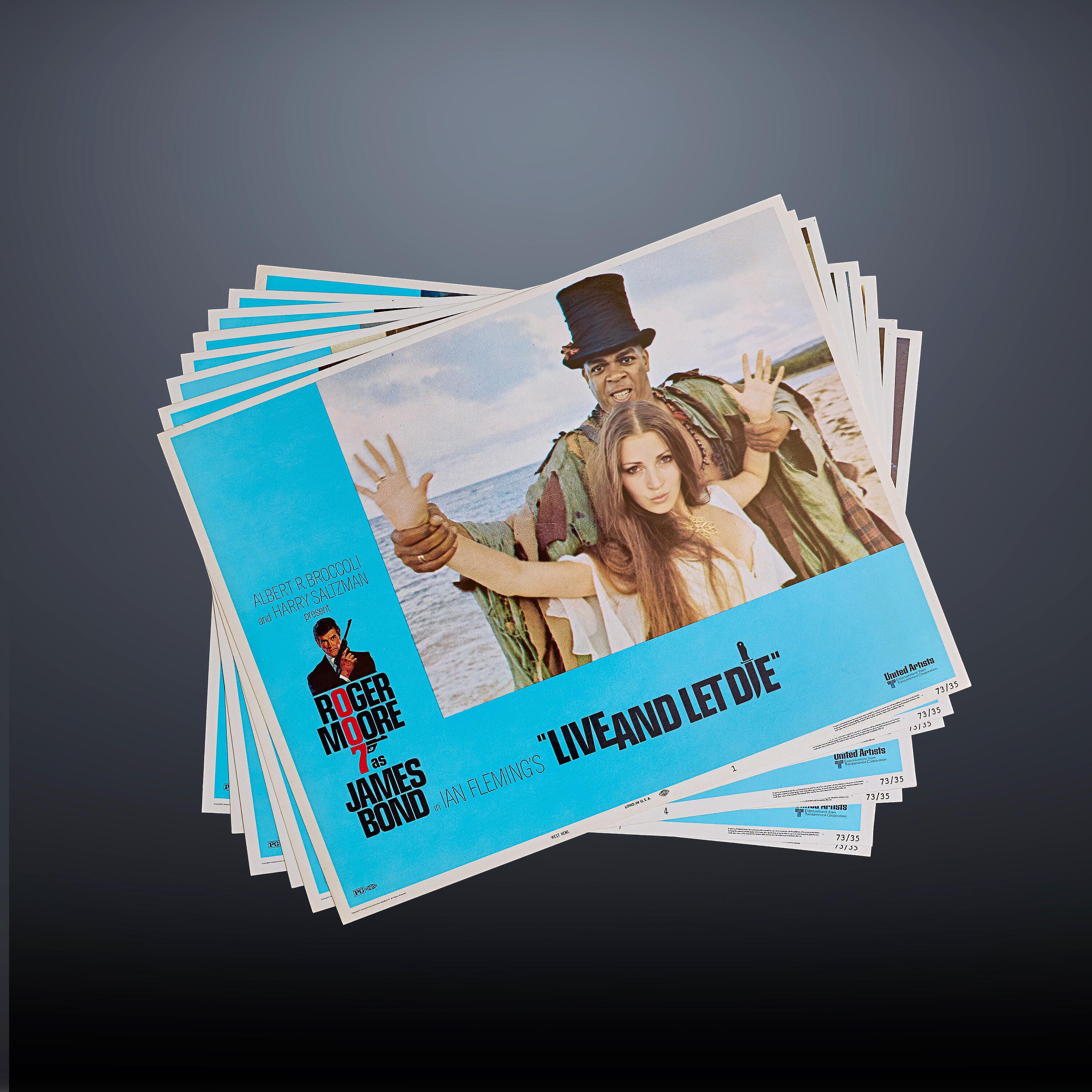
Why do collectors see Bond memorabilia as more than ordinary film merchandise?
Collectors see Bond memorabilia as more than ordinary film merchandise because Bond objects often carry design value, screen significance, and historic relevance at the same time. A Bond item can feel elegant, dramatic, and culturally important all in one piece.
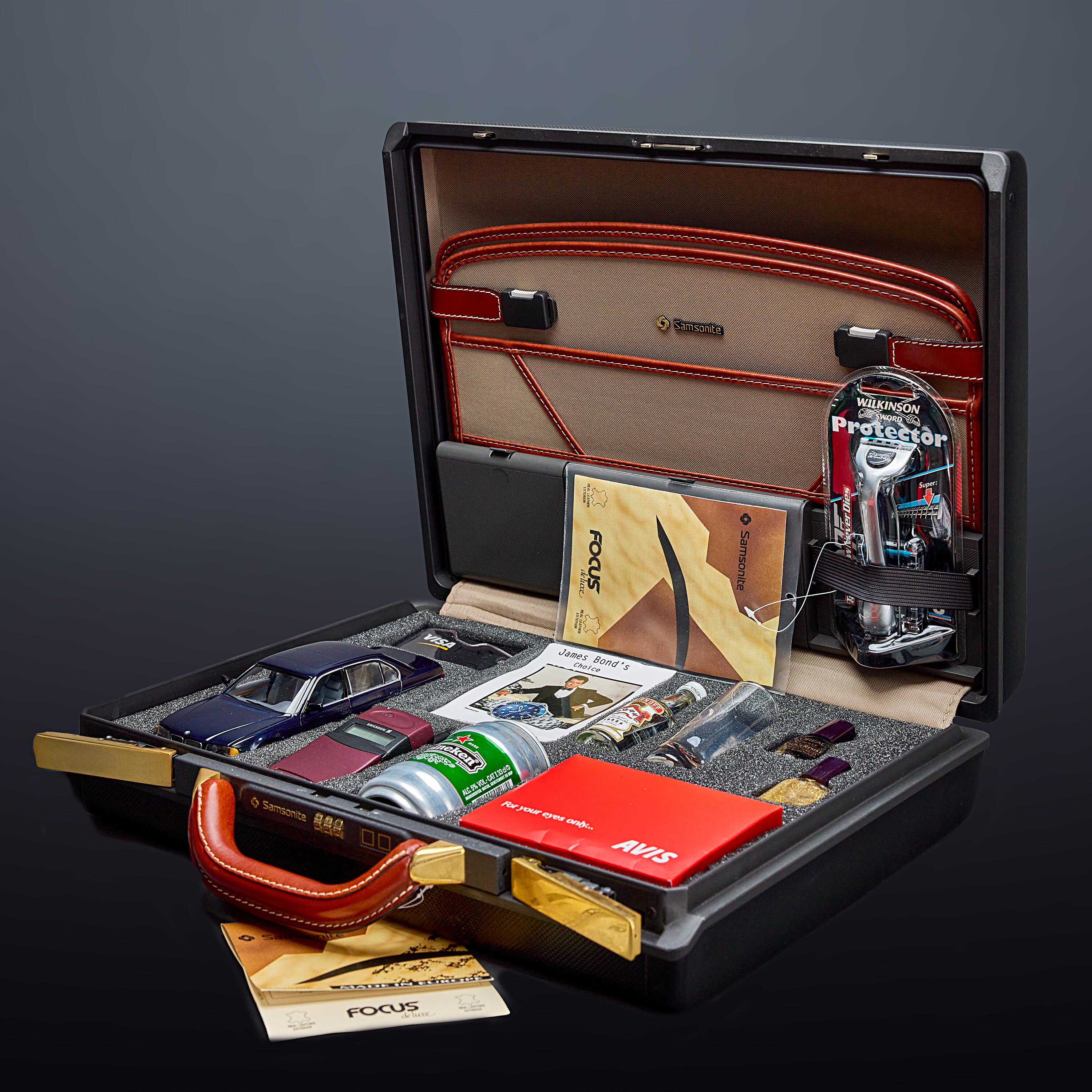
Screen connection gives Bond memorabilia more weight. A prop used in a film, a script linked to production, or a poster from a key release year feels closer to cinema history than a mass-produced novelty item. That difference matters because serious collectors tend to look for pieces that tell a story about the making, marketing, or visual identity of the franchise.
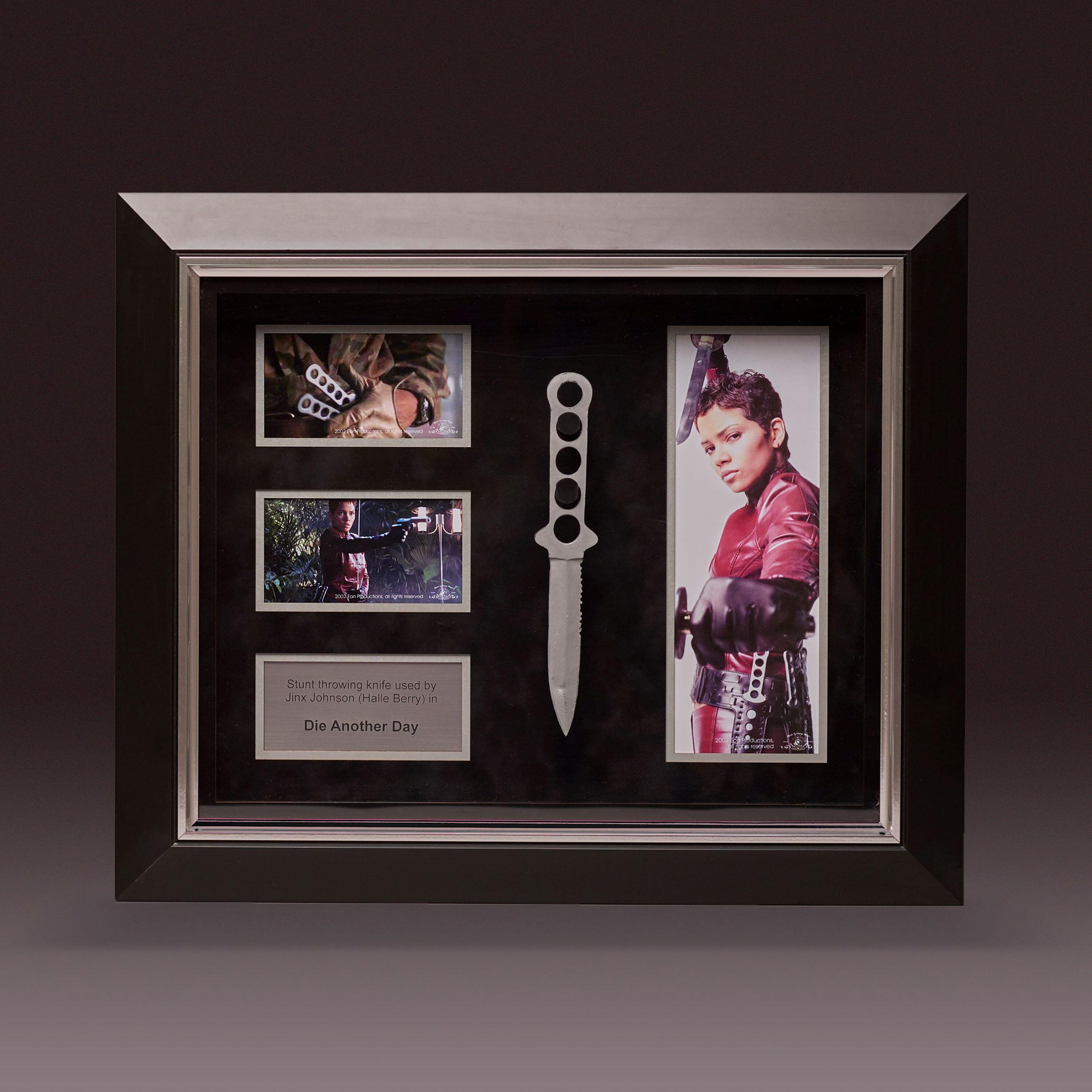
Presentation helps too. Bond memorabilia usually suits display-led collecting because the franchise is built around style. Cars, tailoring, weapons, title art, typography, locations, and cinematic stills all translate well into objects collectors want to frame, preserve, or showcase. That is why a James Bond film poster, a Bond production script, or a screen-used James Bond prop can all appeal in different but equally strong ways.

Why do screen-used props and costumes hold such iconic status in Bond collecting?
Screen-used props hold iconic status because they create the closest link between the collector and the film itself. A genuine prop from a Bond production is not just inspired by the screen. It was part of the screen.
Authenticity changes the ownership experience. A collector looking at a production-used item is not imagining the connection. The connection is already built into the object. That creates a stronger emotional and historical pull than standard franchise merchandise.
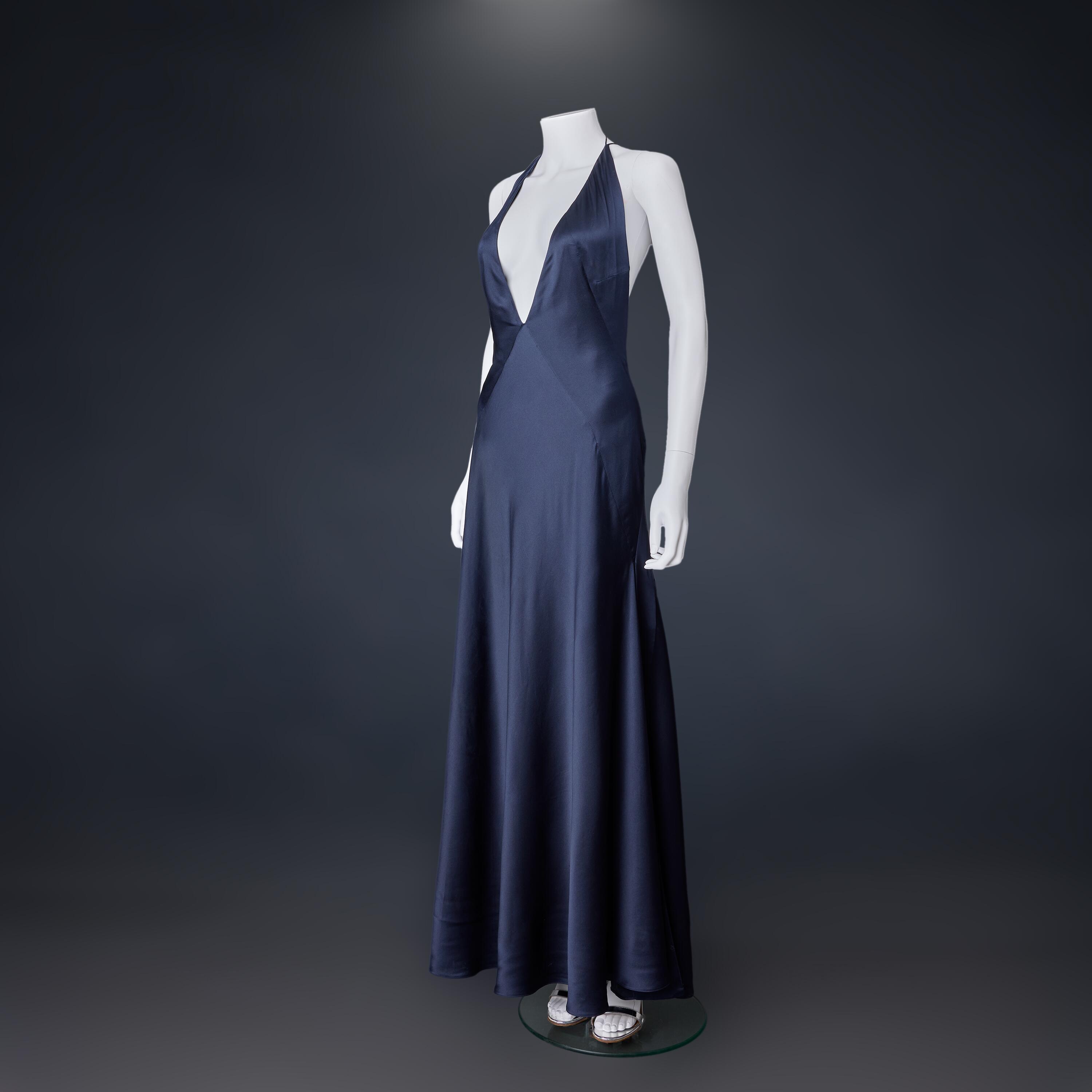
This is why pieces such as Paloma’s hero dress and sandals from No Time to Die feel so powerful in a collector setting. The costume is directly tied to one of the standout performances and visual moments from a modern Bond film. The appeal is not only in the design of the piece. The appeal is in its exact relationship to character, scene, and production history.
Screen-used objects also capture the detail-rich world of Bond. A costume, a weapon, a licence plate, or another production item can represent far more than its physical form. The object can stand for a chase sequence, a key confrontation, a memorable entrance, or a defining era of the franchise. That layered meaning is what makes collectors return to Bond props again and again.

Why do production-used vehicles and accessories attract so much attention?
Production-used vehicles and accessories attract attention because Bond films have always used objects as part of the character’s identity. Cars, plates, gadgets, watches, weapons, and tailored clothing are not background details in Bond. They are part of the visual language of the series.
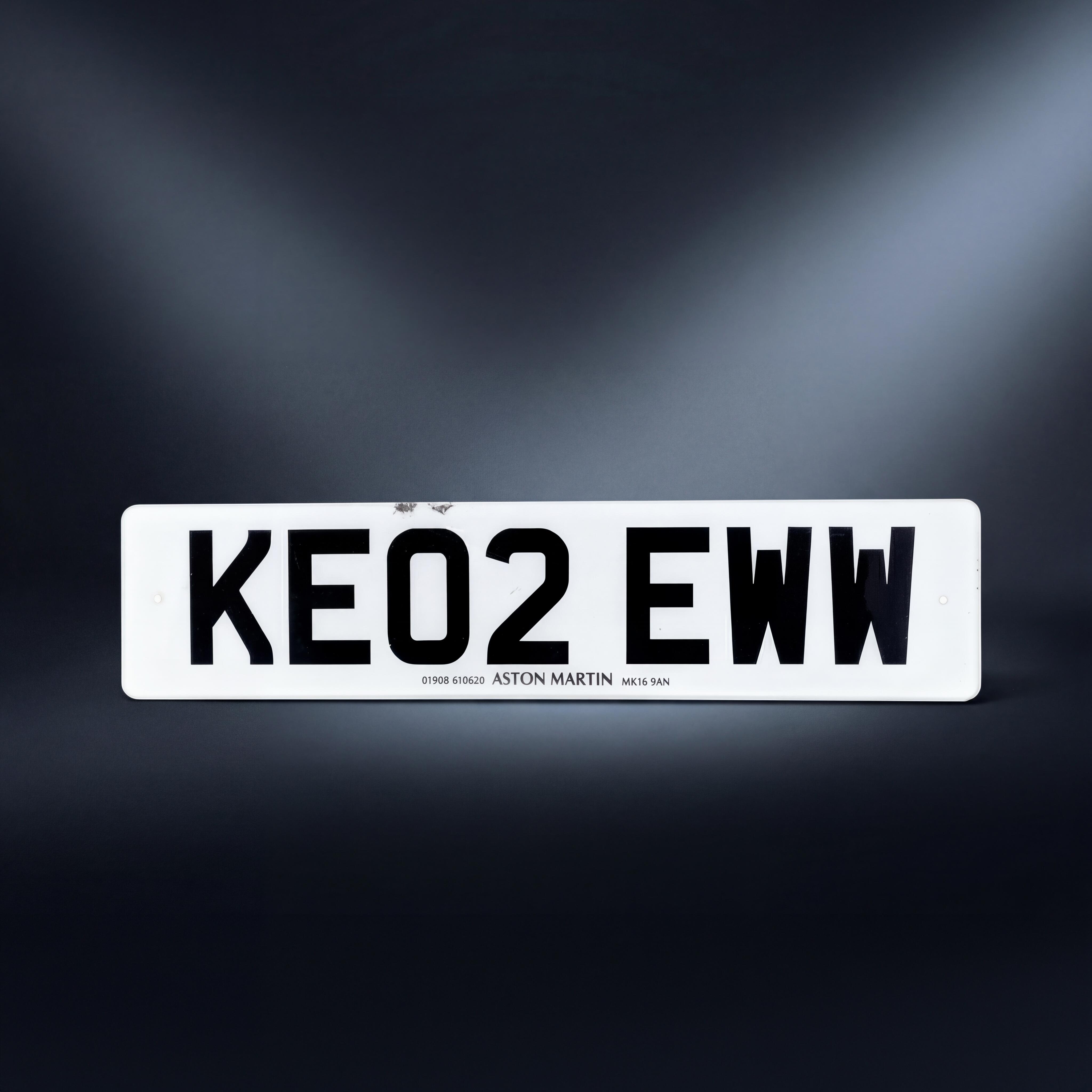
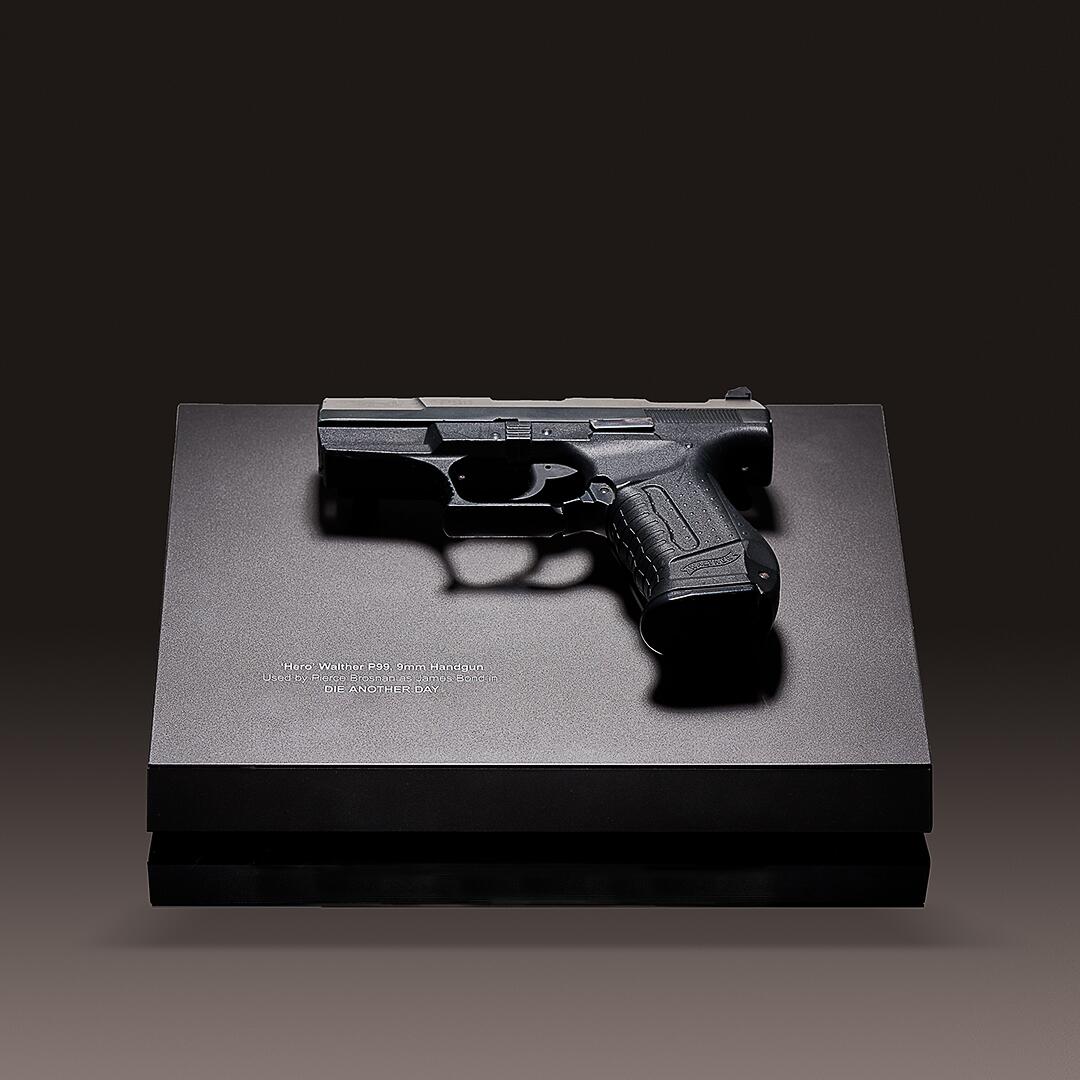
Object recognition strengthens desirability. A collector does not need to explain why an Aston Martin-related piece matters in Bond history. The association is immediate. That is why the Aston Martin Vanquish V12 licence plate from Die Another Day fits so naturally into Bond collecting. It links directly to one of the franchise’s most recognisable automotive traditions while remaining a true production-used item.
Accessory-based props also work well because they combine rarity with recognisability. A vehicle-linked piece can still be displayed more easily than a full vehicle, yet it carries a strong connection to the same cinematic world. That gives collectors a practical route into a highly desirable part of Bond history without losing visual or narrative value.
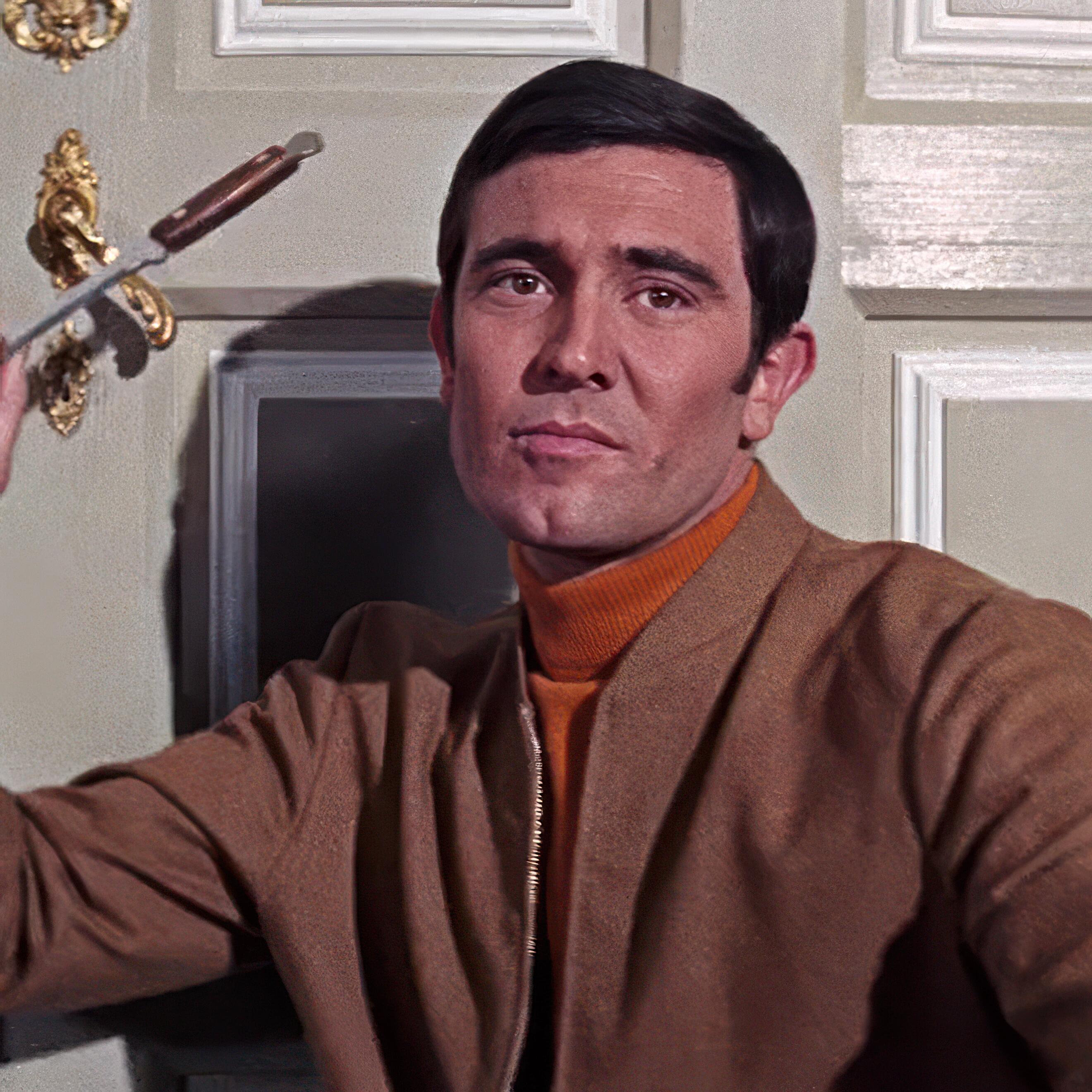
Why do Bond weapons and action props matter so much to collectors?
Bond weapons and action props matter because they capture tension, danger, and physical drama in a way few other categories can. James Bond has always been about movement, confrontation, and high-stakes set pieces, so props linked to action scenes often hold special importance.
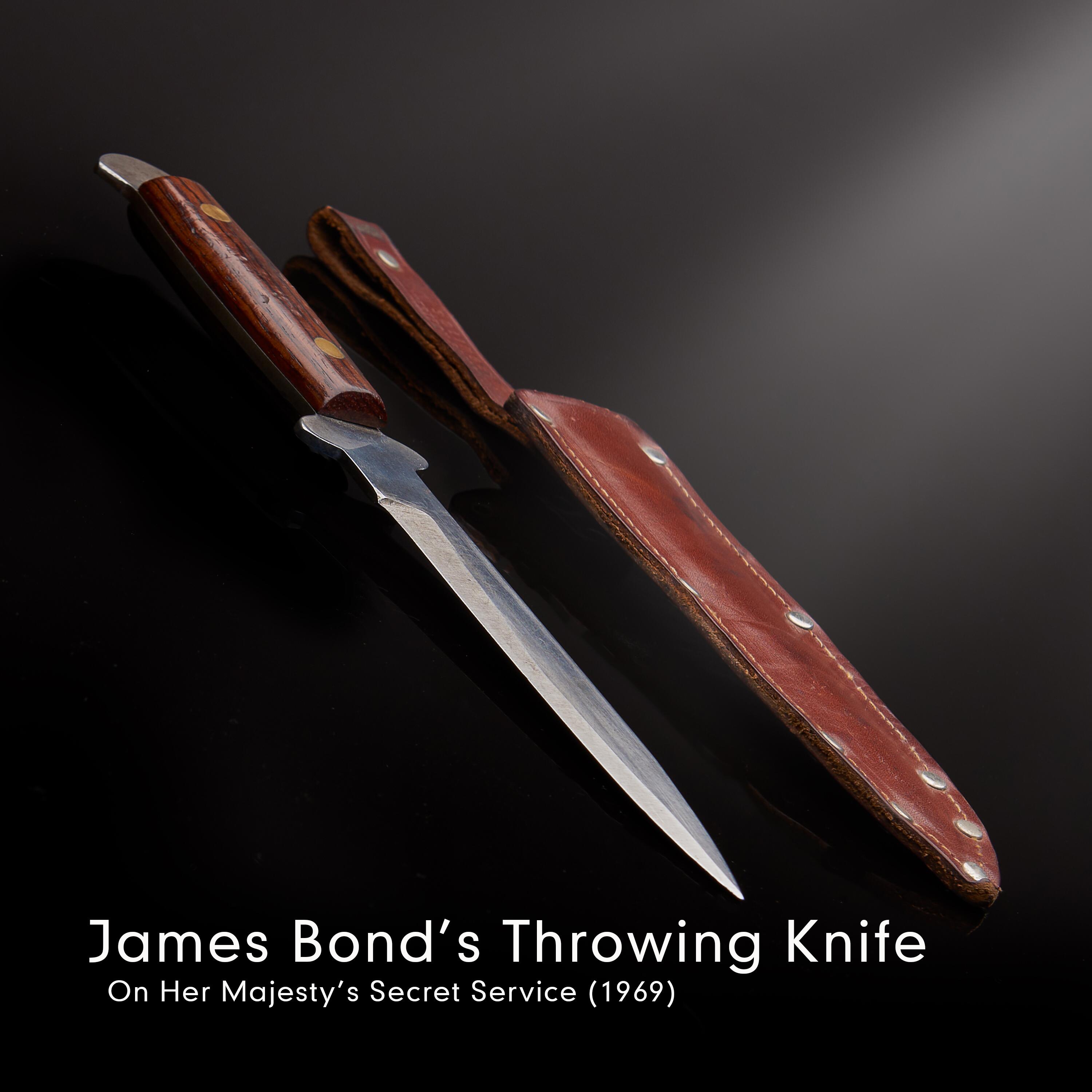
Scene association makes these pieces powerful. A collector does not just see the item. The collector remembers the mood, the sequence, and the era around it. That is why Bond’s throwing knife from On Her Majesty’s Secret Service feels like more than a prop. The knife carries the sharp, direct style of that film and points back to one of the most distinctive entries in the franchise.
Era value also plays a role. Props from earlier Bond films often carry a different kind of attraction because they connect to the franchise’s formative decades. A 1960s or 1970s object can appeal not only because it is rare but also because it belongs to a period that helped establish the Bond myth in cinema history.
Display strength adds further appeal. Action props often look striking in a framed, mounted, or archive setting. That makes them attractive to collectors who want an object with strong visual presence as well as strong provenance.
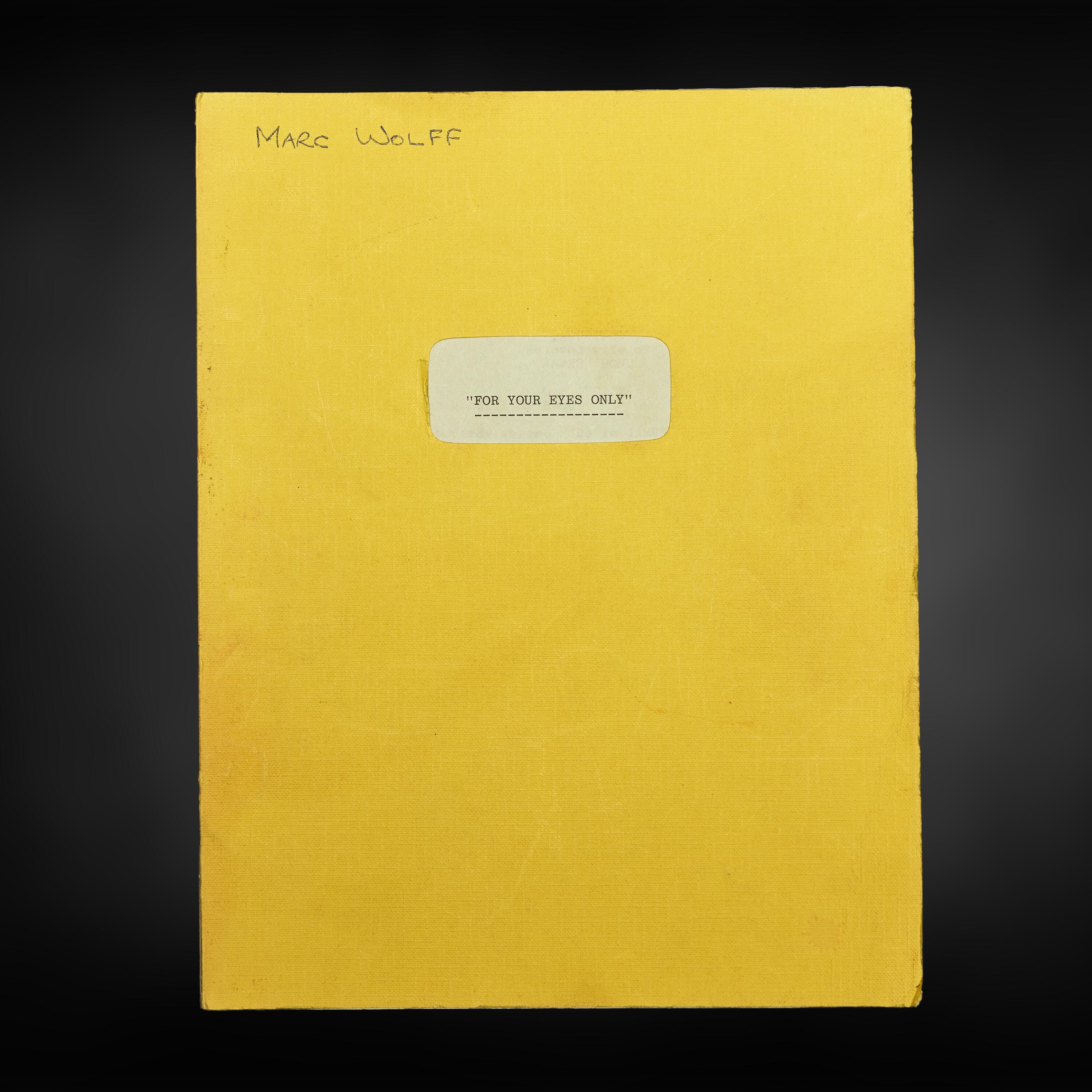
Why do original Bond scripts attract archive-minded collectors?
Original Bond scripts attract archive-minded collectors because they reveal the filmmaking process behind the screen image. A script does not simply show what audiences saw. A script shows structure, planning, and the production life of a Bond film before it reached cinemas.
Documentary value makes scripts especially appealing. A production script connects the collector to the craft of filmmaking rather than only the finished spectacle. That can be highly attractive in a franchise as carefully shaped as Bond, where tone, action, dialogue, and pacing all matter.
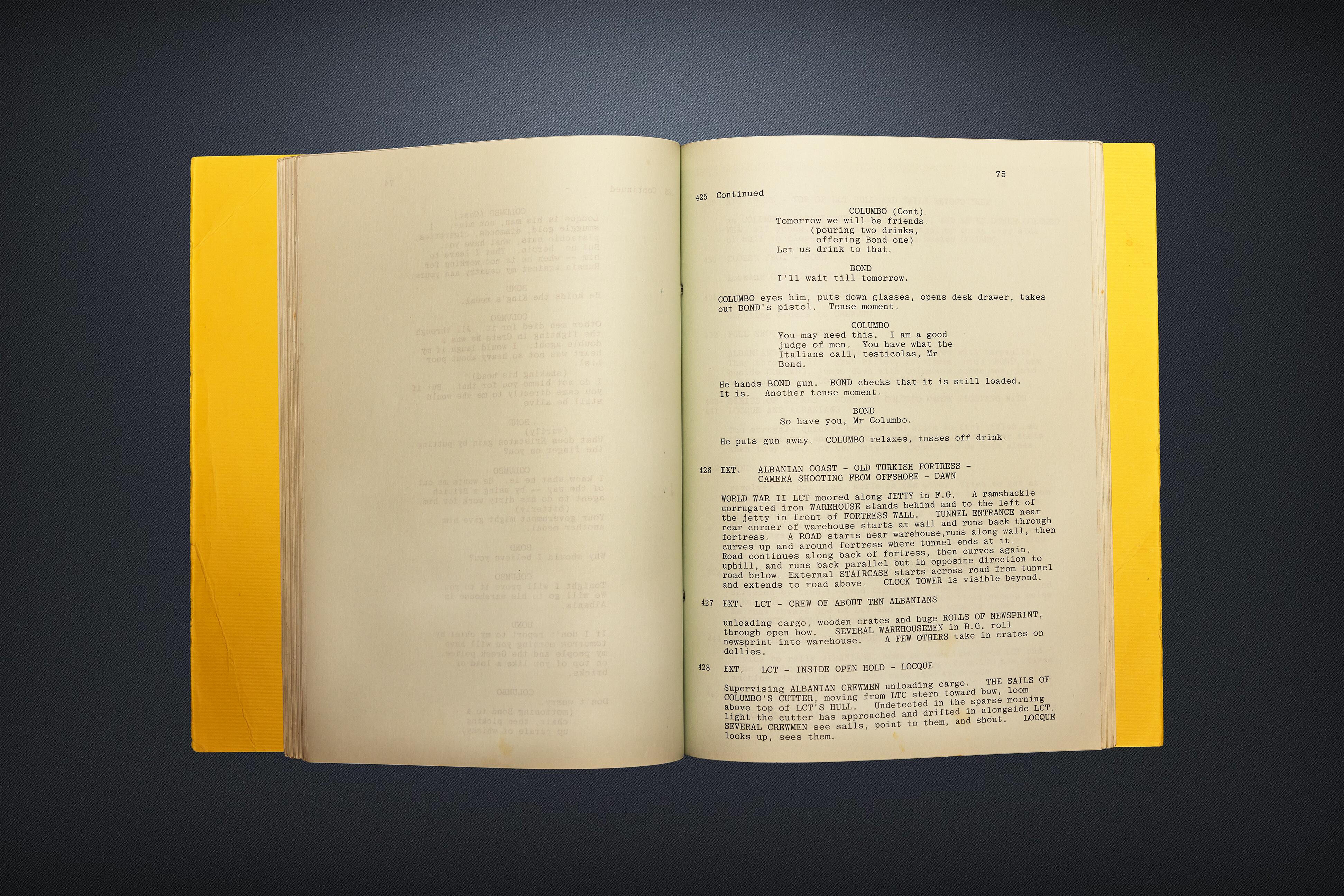
This is why an item such as the original production script for 'For Your Eyes Only' feels so important within a serious collection. A script from the personal collection of a production figure carries a stronger sense of context and working history than an ordinary printed tie-in. It gives the collector access to a different layer of Bond heritage.
Archive-led collectors often prefer items that reward study as well as display. A script can be appreciated as a historical object, a production document, and a storytelling blueprint all at once. That mix gives Bond printed production material lasting appeal.
Why are vintage James Bond posters so collectible?
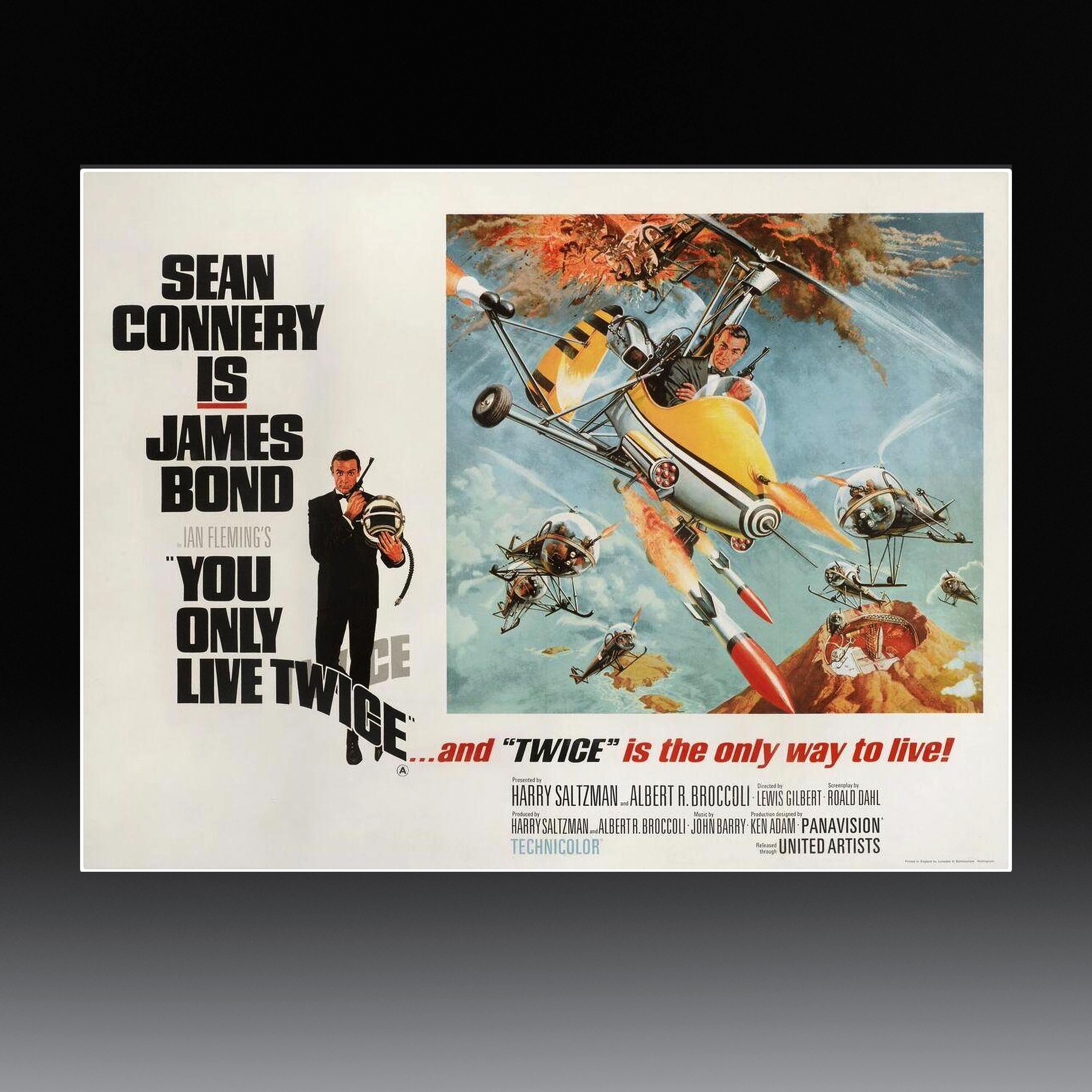
Vintage James Bond posters are so collectible because Bond poster art has long been one of the strongest visual identities in cinema marketing. The franchise has produced posters that feel bold, glamorous, dramatic, and unmistakably Bond across several decades.
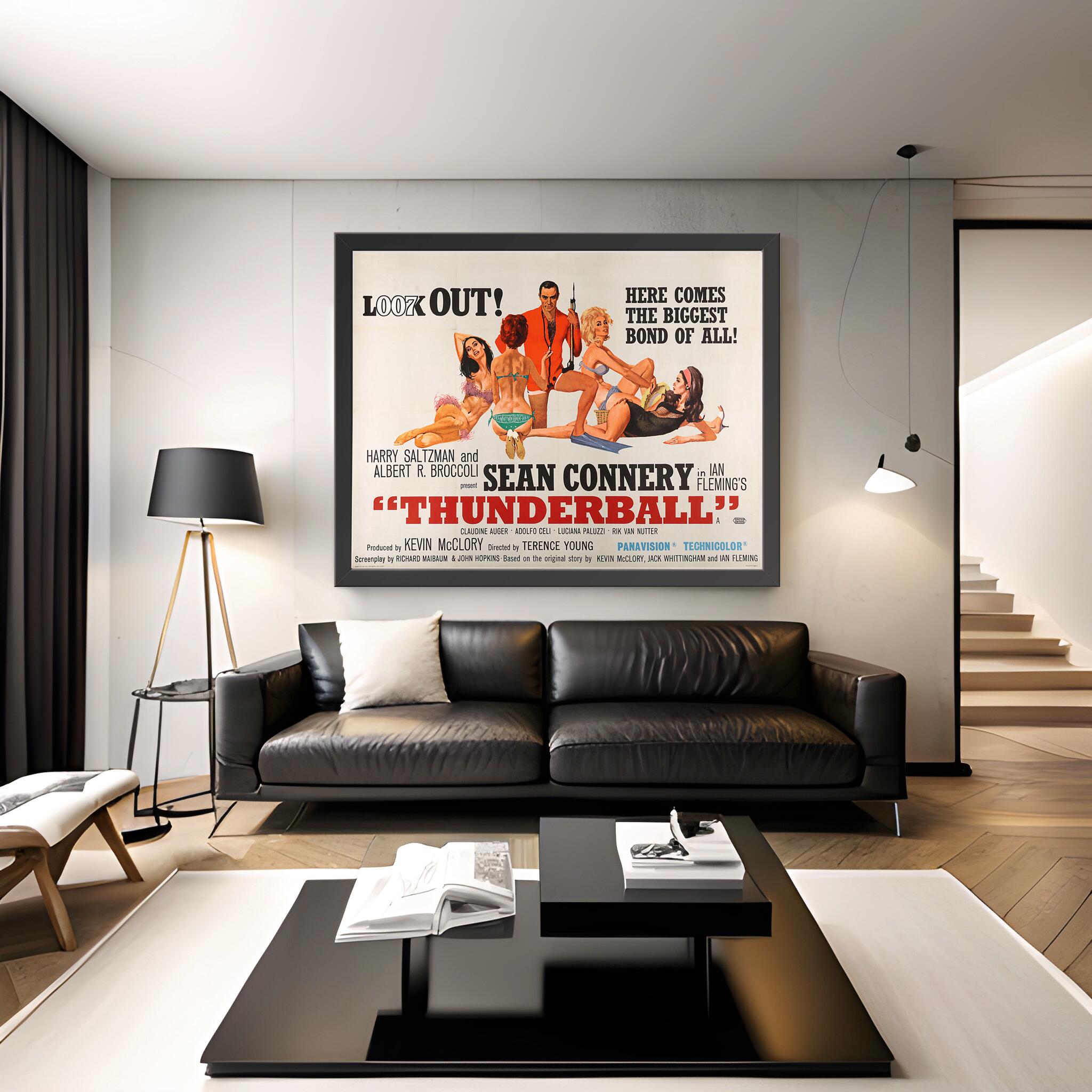
Originality matters here. A genuine release poster carries the atmosphere of its own era in a way a reproduction cannot fully match. Typography, illustration style, print format, and condition all contribute to the value collectors place on original Bond cinema advertising.
That is why the Diamonds Are Forever 1971 James Bond UK Quad film poster has such natural collector appeal. The poster does not only advertise a film. The poster reflects Sean Connery’s return, a major Bond moment, and the striking promotional style of the early 1970s. A piece like that works as film history and wall display at the same time.
Poster collecting also gives Bond fans a clear visual route into the franchise. Some collectors may never chase screen-used props or production documents, but an original Bond poster still gives them authenticity, recognisability, and strong display value in a single format.
Why do modern Bond posters still hold collector relevance?
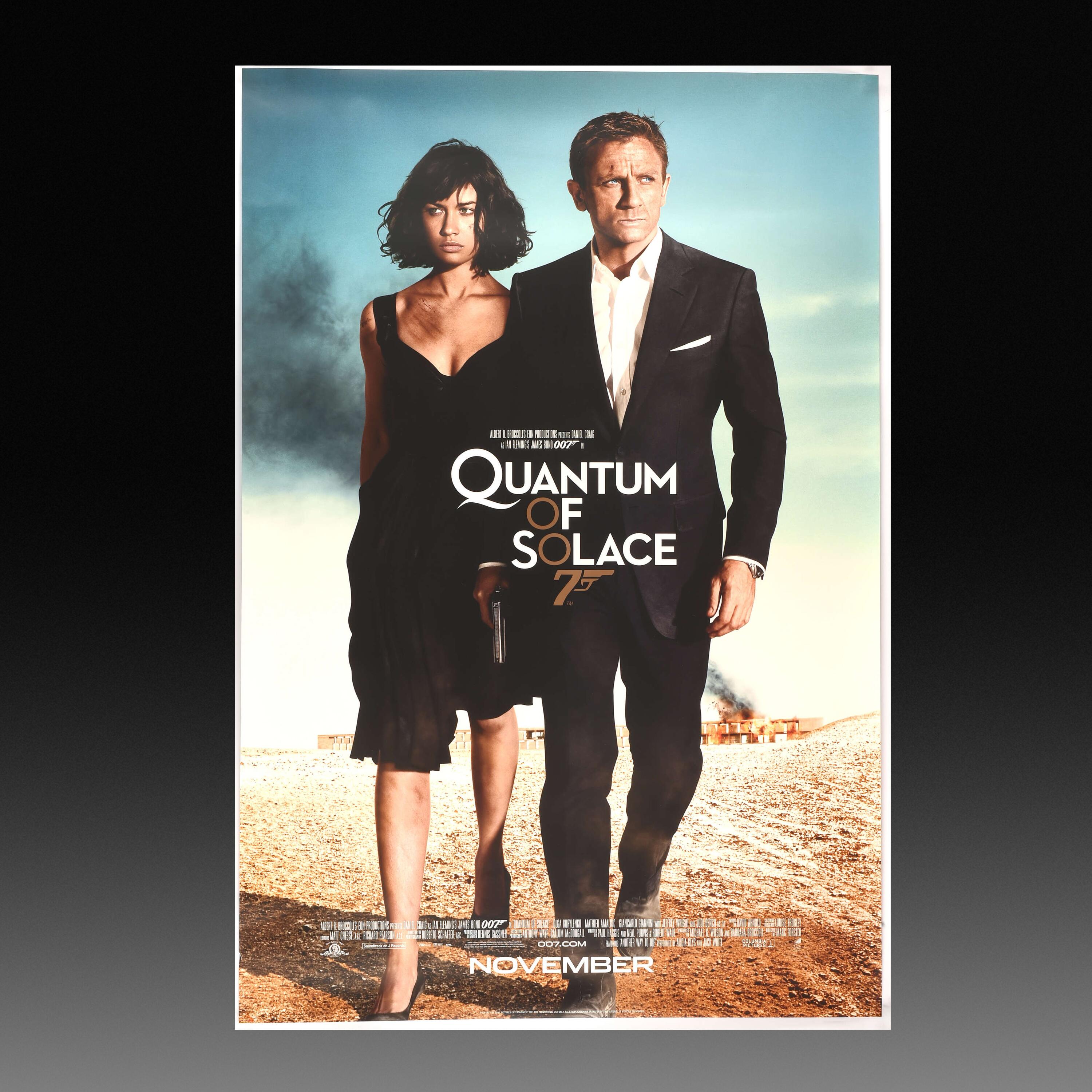
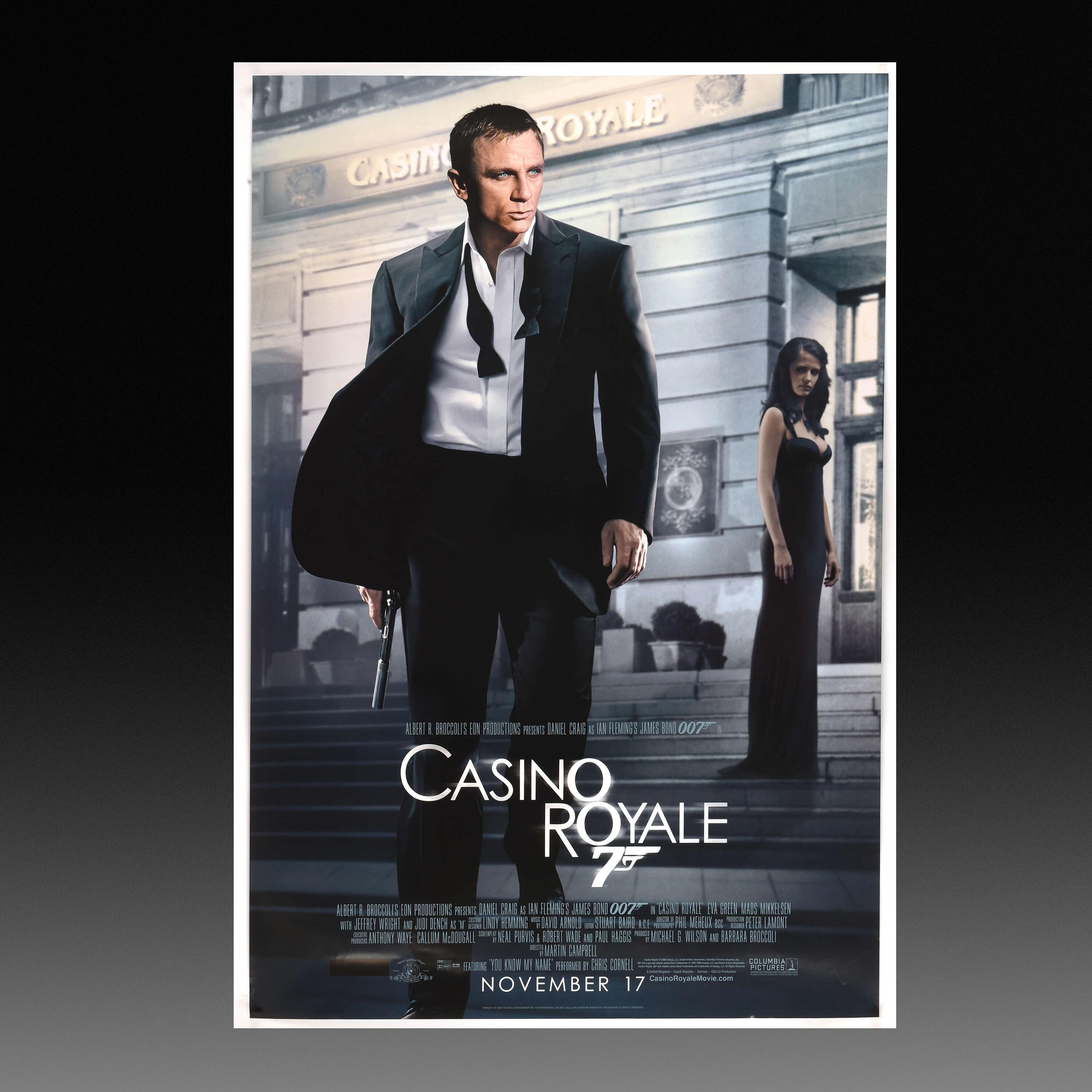
Modern Bond posters still hold collector relevance because the later Bond films have produced visually memorable campaigns that speak to a new generation of collectors. A poster does not need to be old to feel iconic. It needs to be tied to a meaningful release, a strong design, and a recognisable Bond era.
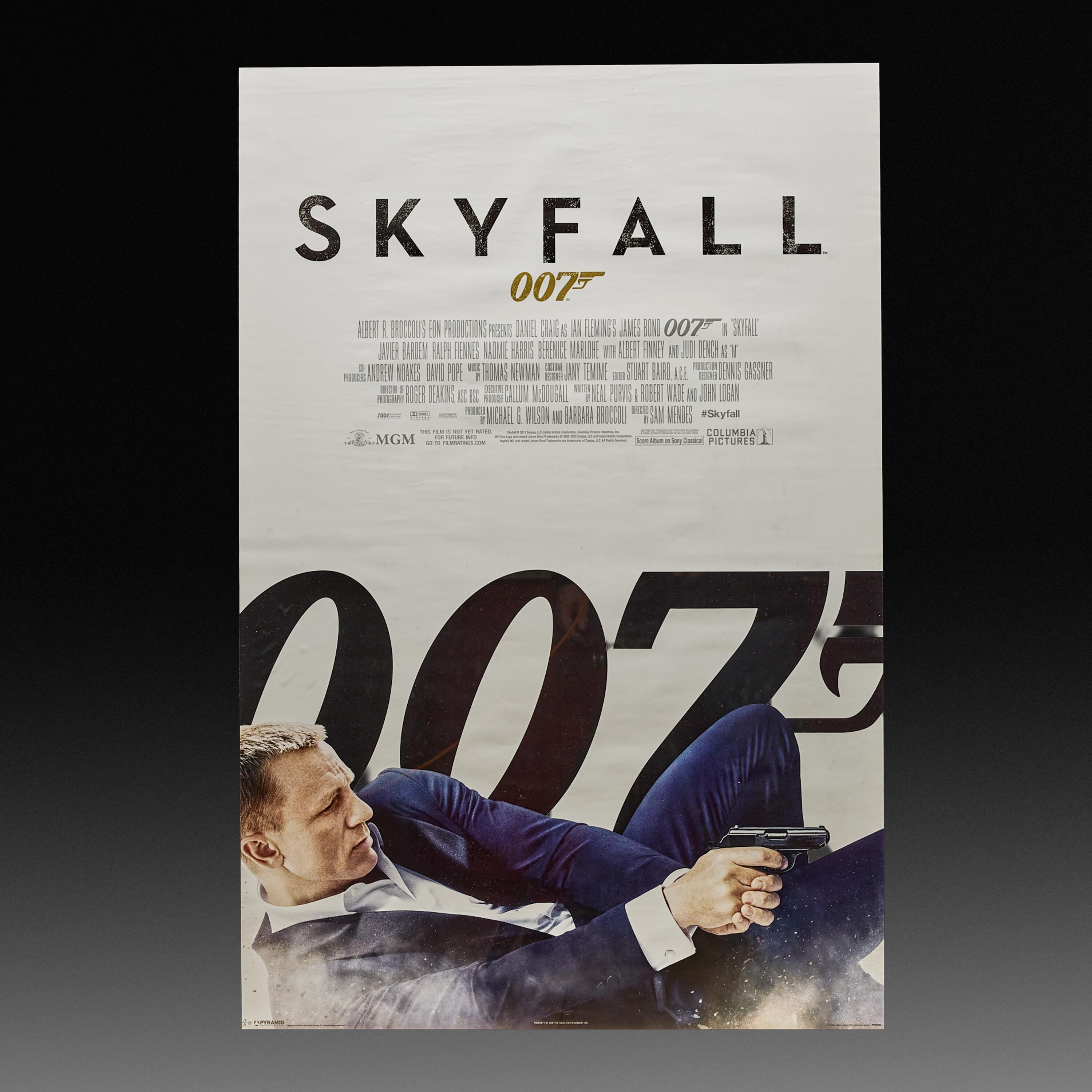
Cultural milestone value helps recent pieces stand out. A film linked to a franchise anniversary, a major cast change, or a defining performance can give its poster lasting appeal beyond its release window. That is one reason the Skyfall US advance one-sheet poster sits comfortably in a collector market. Skyfall marked the 50th anniversary Bond film and became one of the most culturally prominent entries in the series.
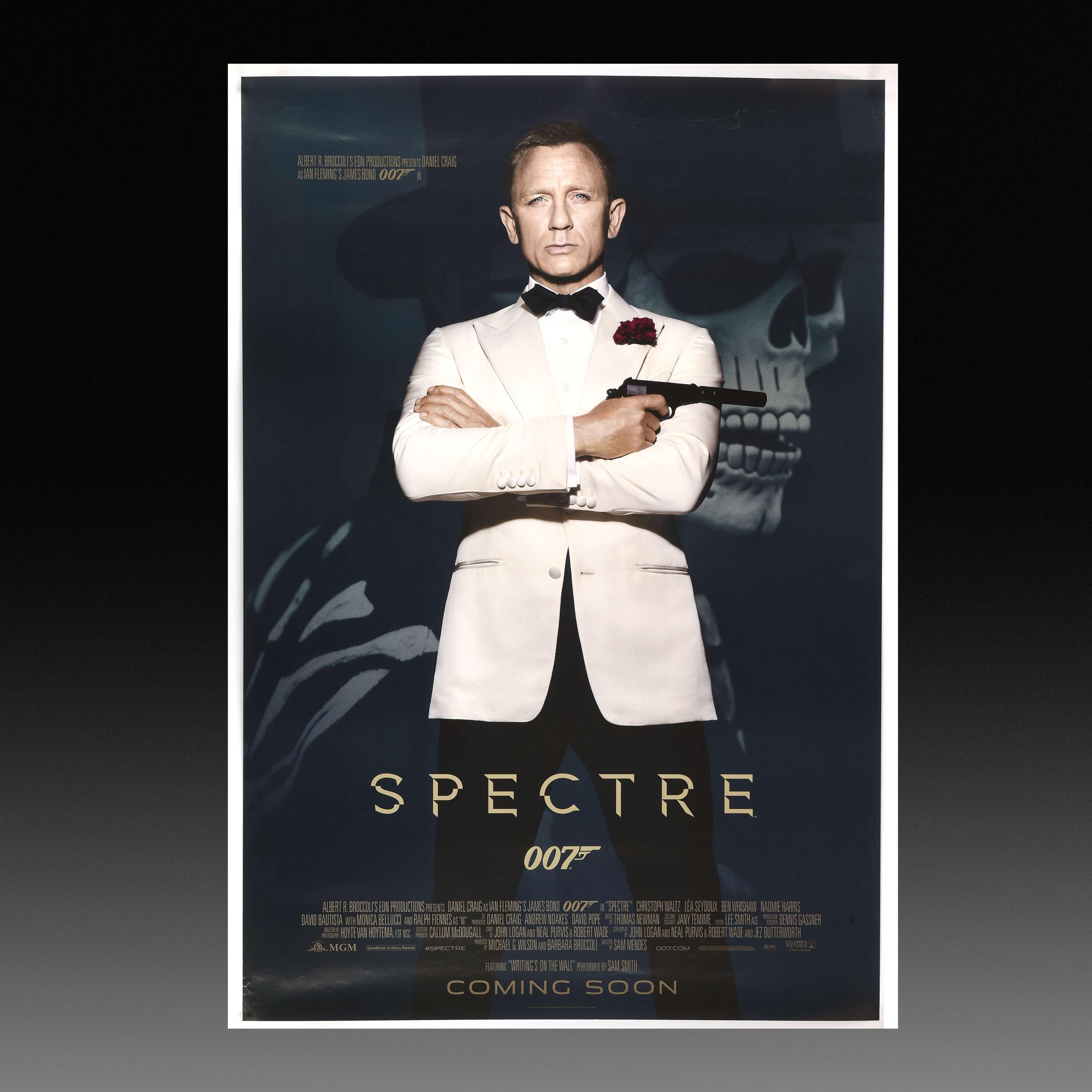
Visual sharpness also supports demand. Modern Bond artwork often uses cleaner composition and strong photographic styling, which suits collectors who want a more contemporary display piece. A poster such as the Spectre advanced one sheet cinema poster appeals in that way. The piece links to a major Daniel Craig-era release while still carrying the formal elegance associated with Bond marketing.
Poster collecting remains healthy when different eras can speak to different buyers. Connery-era pieces attract one kind of collector. Craig-era posters attract another. The category grows because both can sit within the same broad Bond legacy.
Why do premiere brochures and event print pieces matter to collectors?
Premiere brochures and event print pieces matter because they capture the public life of Bond beyond the film itself. These items document how Bond was launched, celebrated, and presented to audiences at major moments.
Event-linked material has a different energy from standard cinema merchandise. A premiere brochure feels time-specific, place-specific, and occasion-specific. That makes it appealing to collectors who enjoy the ceremonial side of film history as much as the films themselves.
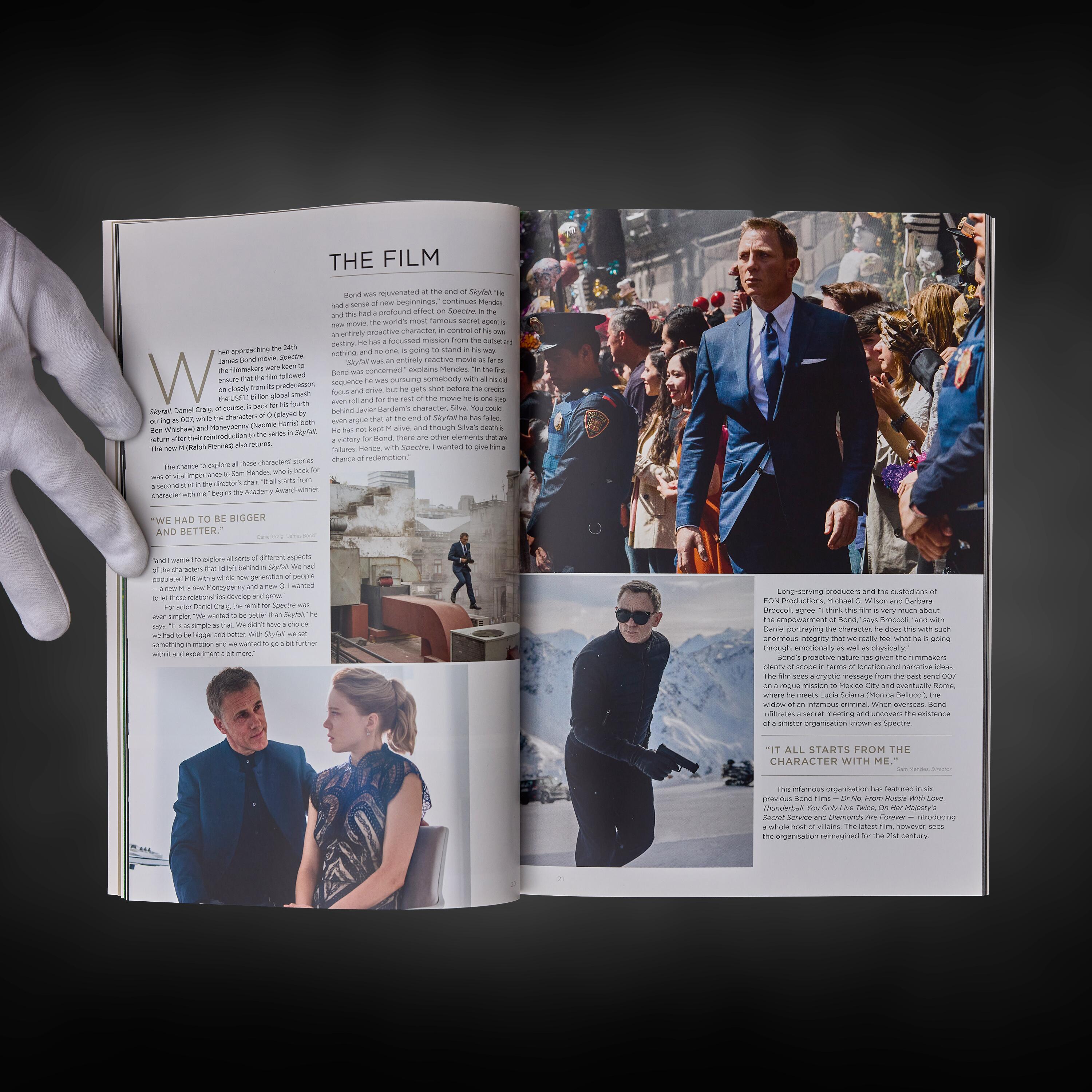
The Spectre World Royal Premiere brochure is a strong example of that appeal. A mint-condition, individually numbered brochure from a major London premiere feels special because it marks a precise moment in Bond’s public history. Numbering also strengthens the collector mindset because the item feels finite and more personal to own.
Printed ephemera often becomes more appealing over time because so much of it was never designed for mass long-term preservation. That creates scarcity in practice, even when the object began life as event material rather than a classic collectable.
Why do archival Bond books appeal to collectors who want depth?
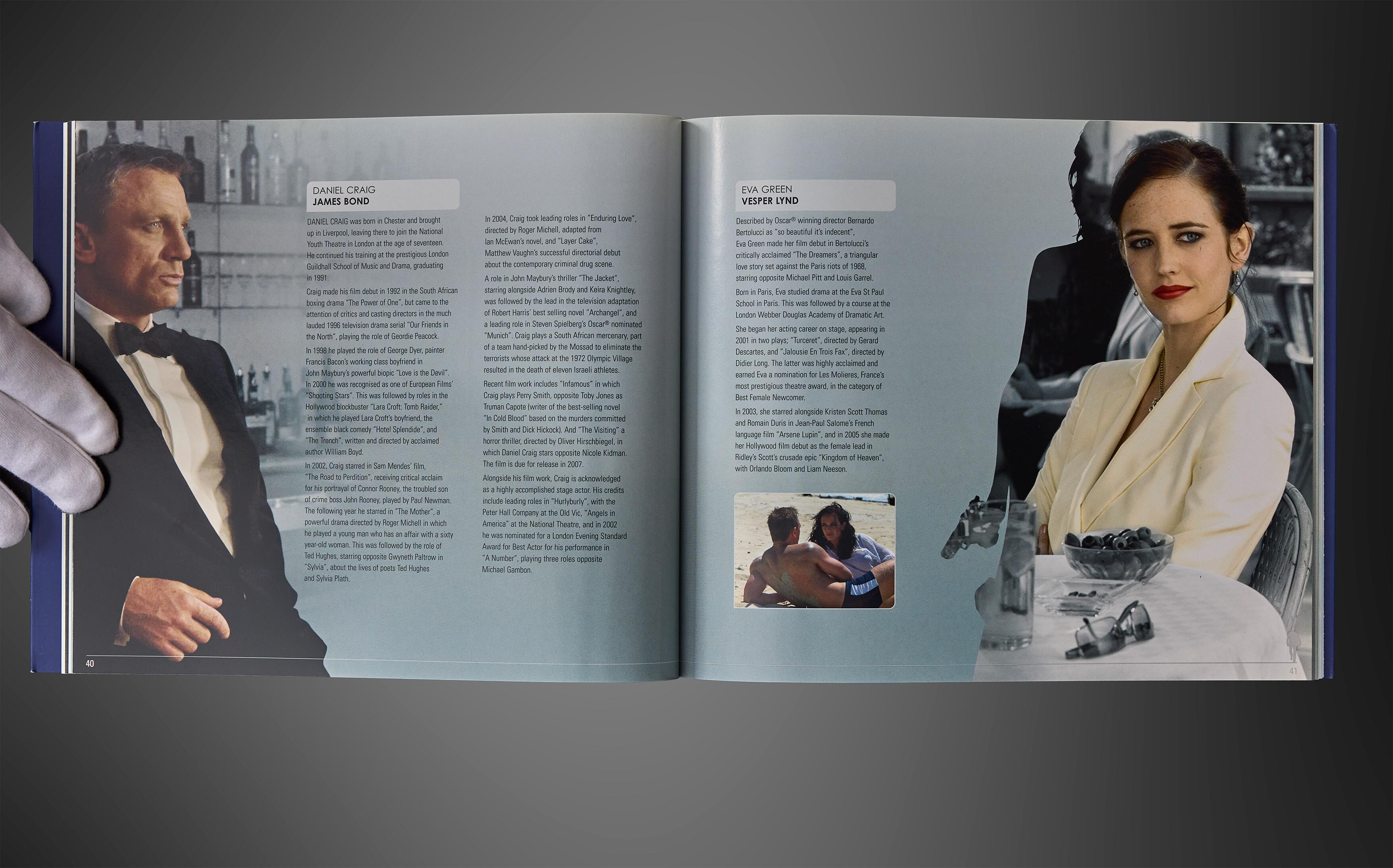
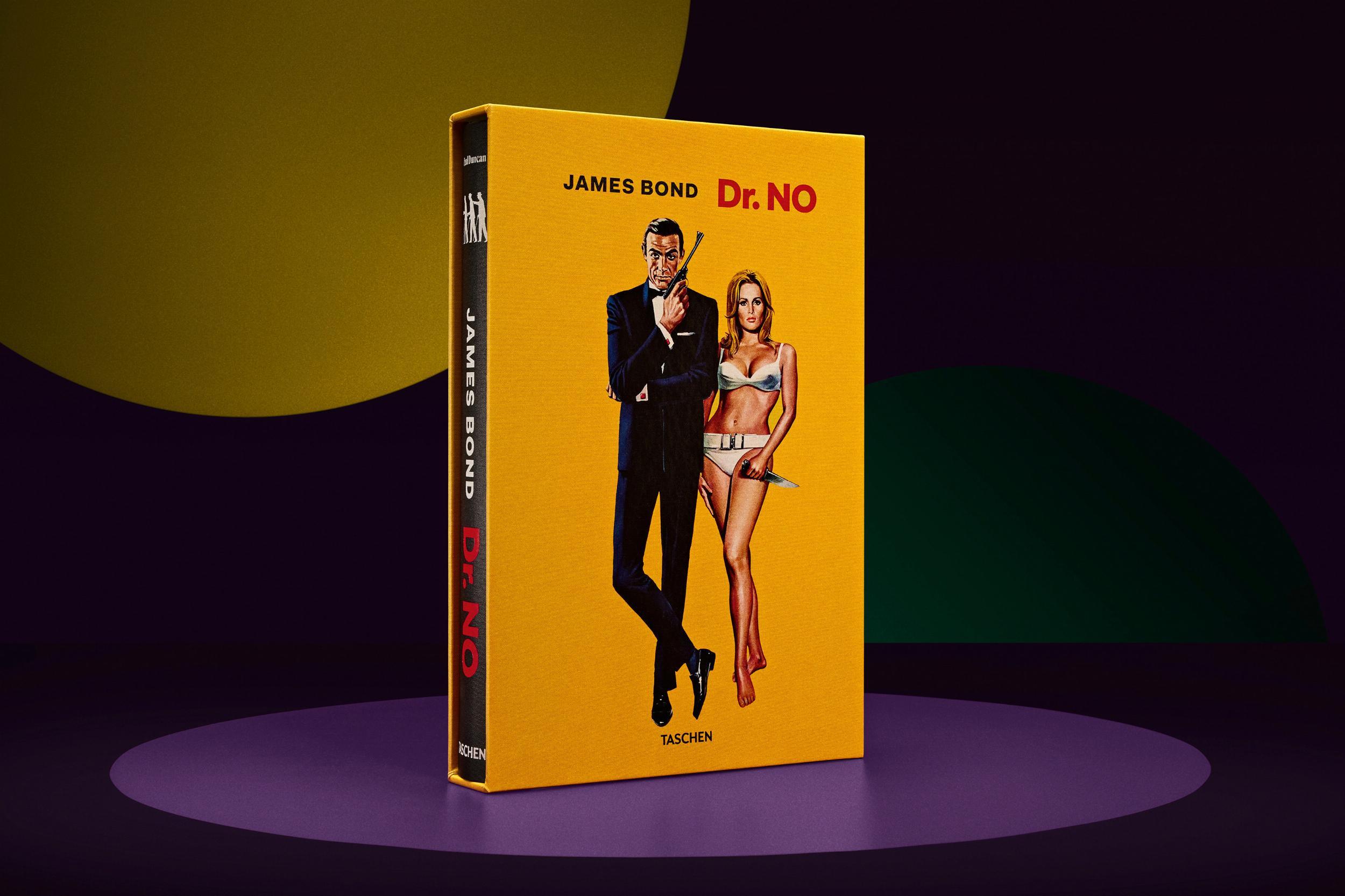
Archival Bond books appeal because they offer breadth, context, and visual richness in one format. Not every collector begins with a prop or a poster. Some collectors want a serious publication that helps them understand the franchise more deeply while still feeling worthy of display.
Book-based collecting works well in a franchise with long production history. Bond has decades of films, actors, locations, vehicles, costume design, artwork, and behind-the-scenes material to explore. A well-produced archive volume can bring all of that together in a way that feels substantial and collectible.

That is why The James Bond Archives by Taschen fits naturally into the category. An archival Bond book does more than sit on a shelf as reference material. The book acts as a visual centrepiece, a research object, and a display item for a collector who values the wider story of the franchise.
Printed archive books also work as an entry point. A buyer may start with a serious Bond publication, then move into posters, premiere material, or production-related items. That path feels natural because the book builds knowledge and attachment without reducing the collecting experience to one product type.

Why does James Bond imagery work so well in collector spaces?
James Bond imagery works well because the franchise has always been visually controlled and instantly recognisable. Bond material often carries a polished finish that suits display-led collecting across homes, offices, private cinemas, and archive rooms.
Design language helps. Bond posters, scripts, props, and print pieces often feel clean, sharp, and deliberate. The imagery has enough drama to stand out, but enough restraint to avoid looking cluttered. That gives Bond memorabilia an advantage in collector settings where presentation matters.
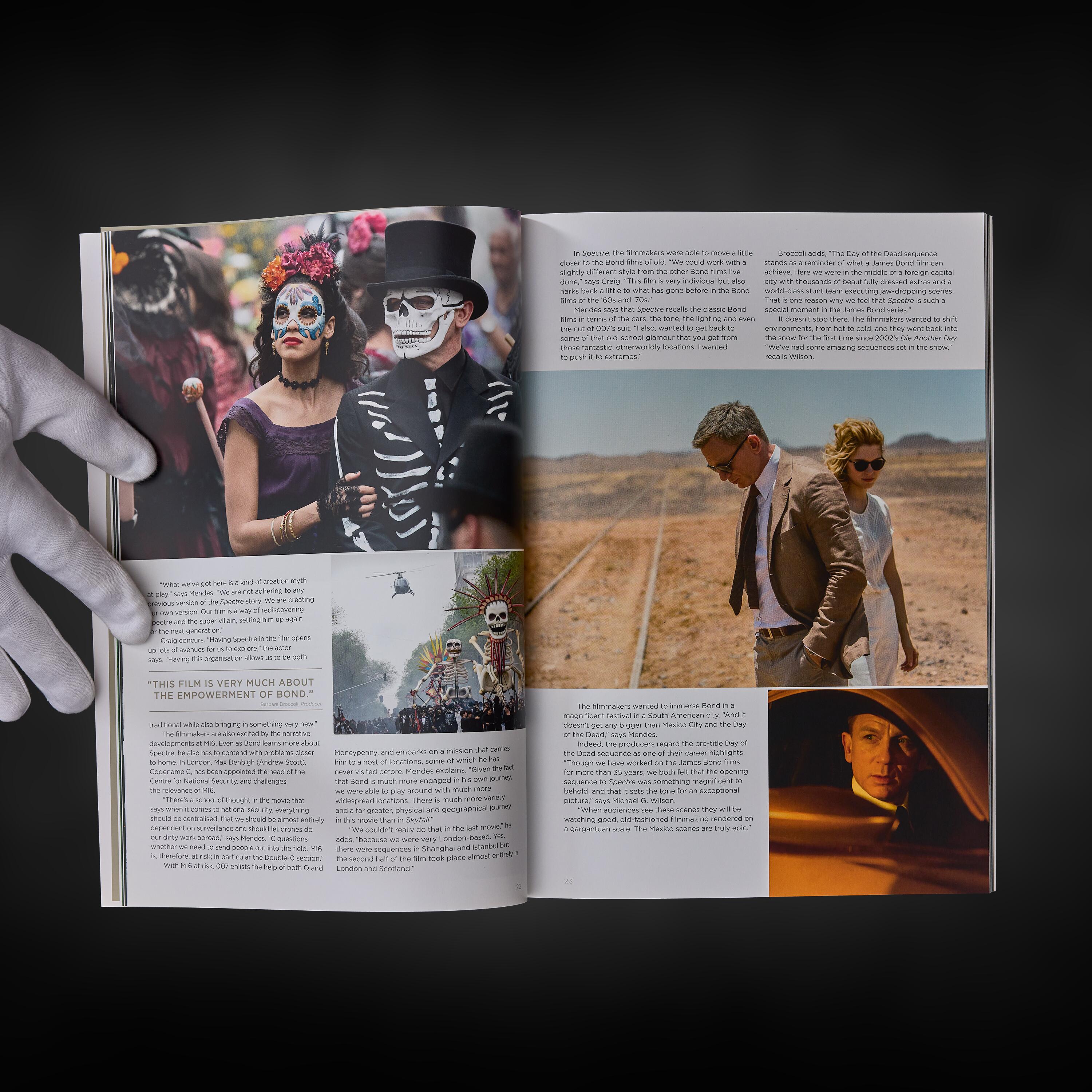
Character recognition also plays a big part. Bond is not just recognisable by face. Bond is recognisable by silhouette, wardrobe, vehicle, weapon, typography, and mood. That means a broad range of objects can still feel unmistakably Bond even before the viewer reads a label or studies the details.
This is where the Kudos range feels cohesive. A collector could begin with the Skyfall US advance one-sheet poster, move into the Spectre World Royal Premiere brochure, then later add a more advanced item such as the original production script for The Living Daylights or Paloma’s hero dress and sandals from No Time to Die. Each piece serves a different collecting instinct, but all remain clearly tied to the same cinematic universe.
Why do different types of Bond collectors all find a place in this market?
Different types of Bond collectors find a place in this market because the franchise is broad enough to support several collecting habits at once. Bond collecting does not rely on one format, one era, or one actor.
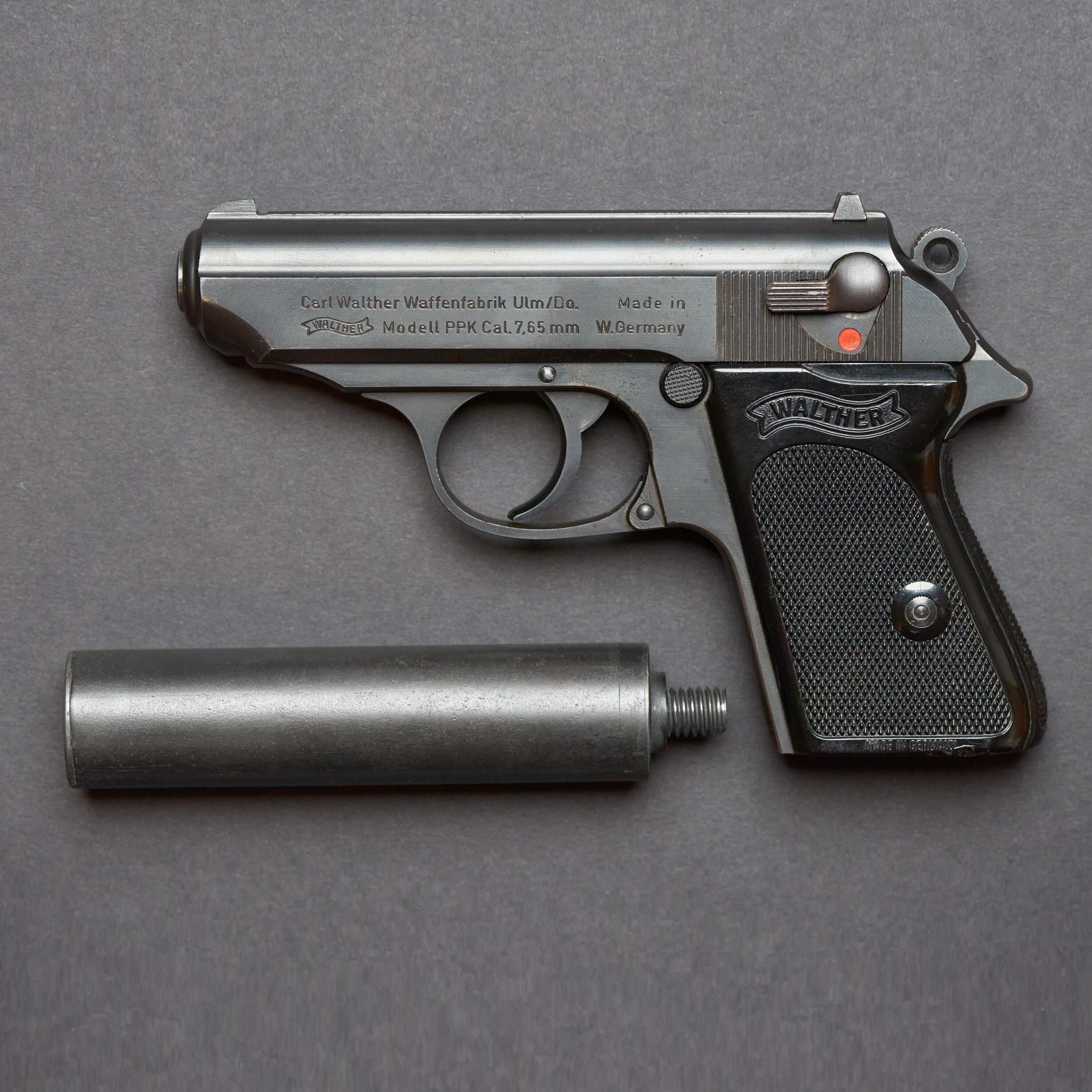
Poster collectors often focus on original release art and strong cinema advertising from specific decades. Prop collectors usually seek direct screen-used items and production material with clear provenance. Archive-led collectors may prefer scripts, books, brochures, and printed documents that reveal the making and promotion of Bond. Design-led buyers may choose pieces that work beautifully on display even when their main interest is visual culture rather than production history.
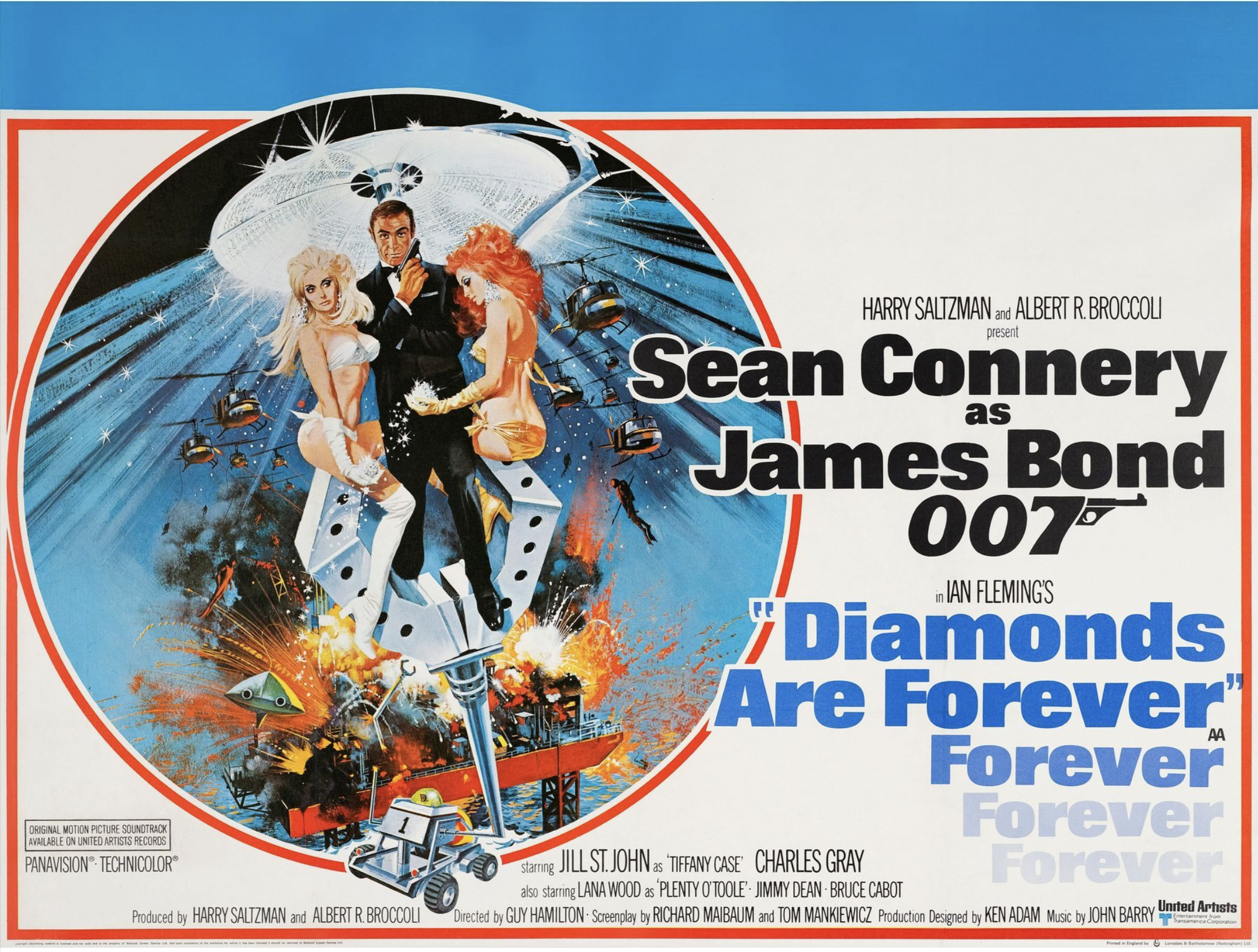
That range keeps the Bond category commercially strong. A buyer can start with something visually accessible, such as the Diamonds Are Forever UK Quad poster or the Spectre advanced one sheet cinema poster, then grow into more specialist material. A more experienced collector might pursue a screen-used James Bond prop, a Bond production script, or a numbered premiere piece. Each route still feels authentic because Bond supports both entry-level and advanced collecting without losing identity.
Why does rarity shape James Bond memorabilia so strongly?
Rarity shapes Bond memorabilia strongly because the most desirable items are often tied to a precise film, scene, release, or event that cannot easily be recreated. A prop used on set, a production script from a working collection, a numbered premiere brochure, or an original poster from a major Bond release all feel limited in different ways.
Scarcity works best when it is supported by context. A rare object with no clear story can feel distant. A rare object with a direct Bond connection feels alive. That is why pieces like Bond’s throwing knife from On Her Majesty’s Secret Service, the Aston Martin Vanquish V12 licence plate from Die Another Day, and Paloma’s hero dress and sandals from No Time to Die carry such strong collector gravity. Each item is rare, but each item is also immediately tied to character, era, and cinematic memory.
Ownership becomes more satisfying when the item feels hard to replace and easy to explain. Collectors often want both. They want scarcity, and they want recognisable significance. Bond memorabilia can deliver that combination unusually well.
Why does James Bond collecting endure beyond trend?
James Bond collecting endures beyond trend because Bond is built on legacy rather than short-term attention. New releases may bring fresh waves of interest, but the deeper collector appeal comes from the fact that Bond has remained culturally visible, visually distinct, and historically important for decades.
Legacy gives Bond objects staying power. A genuine poster from a defining release year still matters when modern film trends change. A production-used prop still matters when a new actor takes the role. A premiere brochure still matters because it marks a real moment in Bond’s public life. A serious archive book still matters because it preserves the franchise in a form collectors can return to.
Meaning also changes how collectors view ownership. A collector who chooses the Diamonds Are Forever 1971 James Bond UK Quad film poster is not only buying wall art. A collector who chooses the original production script for The Living Daylights is not only buying printed pages. A collector who seeks the Spectre World Royal Premiere brochure is not only buying event ephemera. Each piece becomes a way to hold part of a cinematic legacy that still feels central to British and global film culture.
That is what keeps James Bond memorabilia iconic. The strongest pieces combine style, rarity, story, and screen history in a way collectors continue to respect.
Kudos Memorabilia – Your trusted source for authenticated movie props, scripts, and collectibles.
Be sure to check out our full collection of original, authentic James Bond Memorabilia here. And don't forget to read our other James Bond posts for more exciting 007 memorabilia and news:
- Pierce Brosnan and the Next Bond Film: Rumours, Legacy & Collectibles
- James Bond Film Posters: Explore the Evolution of Iconic 007 Artwork
- James Bond Little Nellie & You Only Live Twice UK Quad Poster Collectible